Physical Address
304 North Cardinal St.
Dorchester Center, MA 02124
Physical Address
304 North Cardinal St.
Dorchester Center, MA 02124

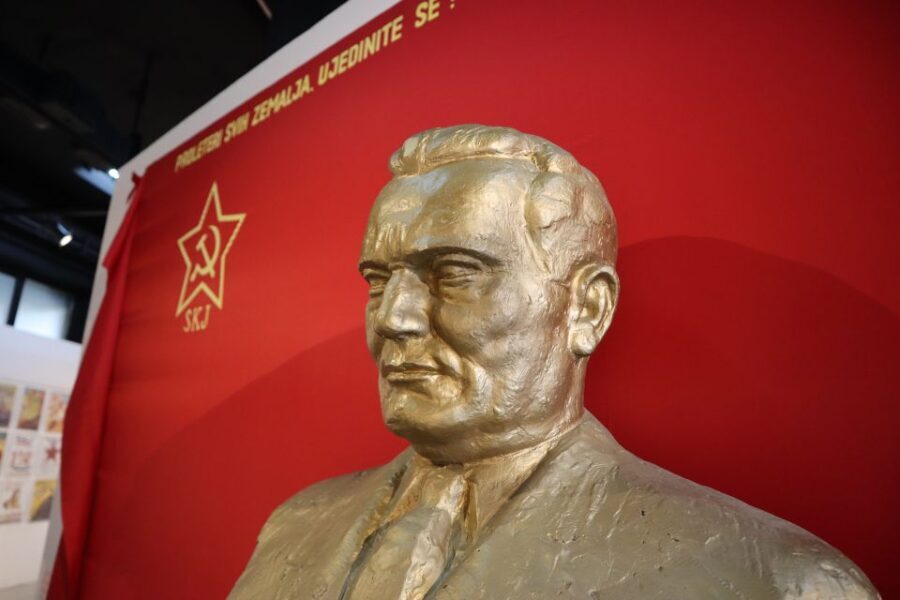
Discover Croatia’s communist past at the Dubrovnik Red History Museum. An interactive, affordable way to explore Yugoslavia’s history and culture.
Discover Croatia’s Communist Past at the Dubrovnik Red History Museum
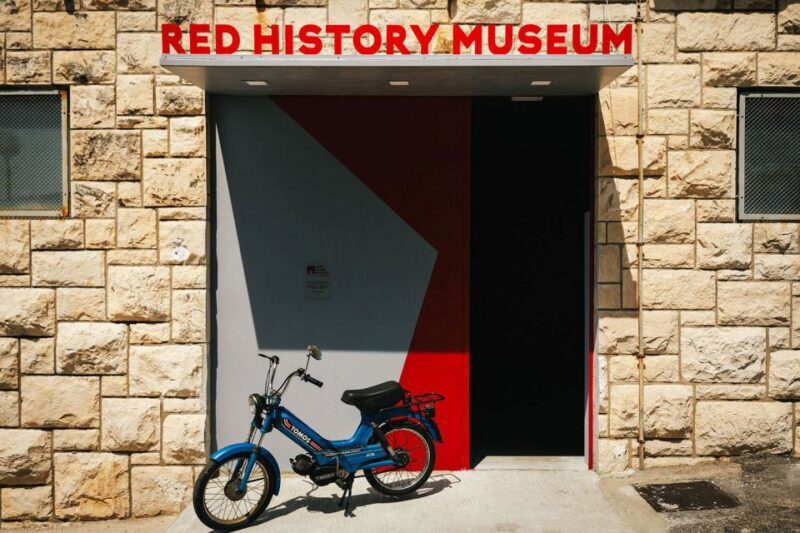
If you’re curious about the roads less traveled in Dubrovnik, the Red History Museum offers a compelling look into Croatia’s recent past—specifically its time under communist rule. Situated in the last factory complex of Dubrovnik, this museum combines history, pop culture, and interactive exhibits to paint a vivid picture of life during Yugoslavia’s socialist era. It’s an eye-opening experience, especially for those wanting to understand the roots of present-day Croatia beyond its famous medieval walls.
What makes this museum so appealing? We loved how it manages to be both educational and fun, with original artifacts and engaging displays. For just $11, it’s a surprisingly good value for anyone interested in history that’s often overlooked in standard guides. The only thing to consider is that it’s a relatively small space, so if you’re looking for a large-scale museum experience, this might feel intimate but limited. It’s best suited for history buffs, curious travelers, or anyone wanting a deeper context for Croatia’s recent policies, politics, and pop culture.

You might also be interested in these Dubrovnik experiences
The Red History Museum is housed in a building that’s steeped in history itself—the last remaining factory complex in Dubrovnik, T.U.P., built in 1953. This industrial backdrop creates an authentic atmosphere that transports visitors back to the Yugoslav era. The location in the port area also makes it easy to combine with other Dubrovnik sights or a stroll along the waterfront.
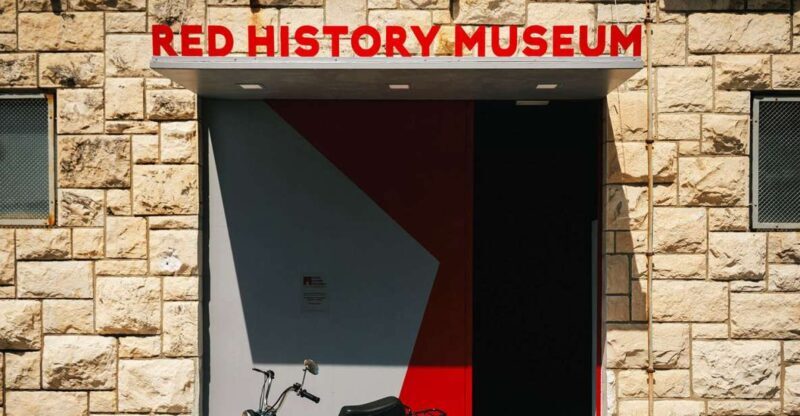
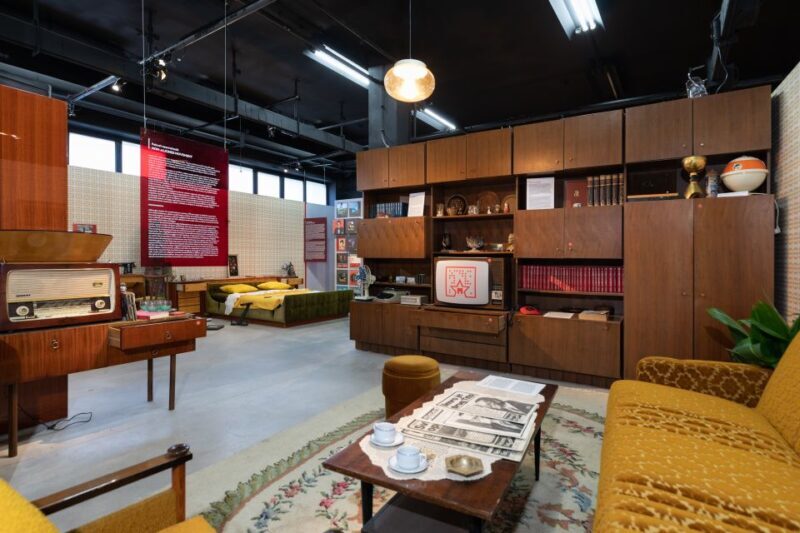
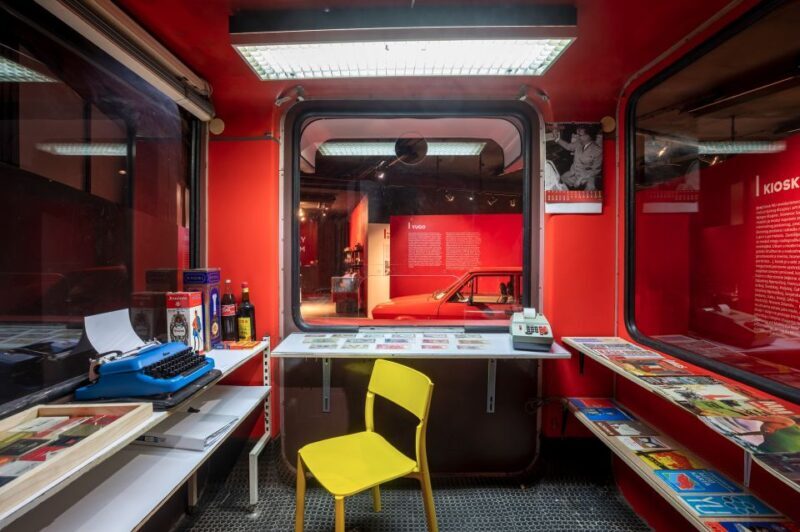
For $11, your ticket grants access to an engaging, interactive exhibition that covers many facets of life under communist rule—from politics and secret agencies to pop culture and everyday life. The museum is designed to be hands-on, with vintage furniture, photographs, and digital scans that bring the era to life. Visitors can listen to hits from the time period, which adds a nostalgic soundtrack to the experience.
One standout feature is the opportunity to take photos in the “worst car ever,” a Yugo 45. It’s a quirky, memorable photo op that encapsulates the period’s automotive history. You also get to try “parallel universe” products—communist versions of popular drinks like Coca Cola and Fanta—giving an amusing glimpse into the era’s branding and consumer culture.
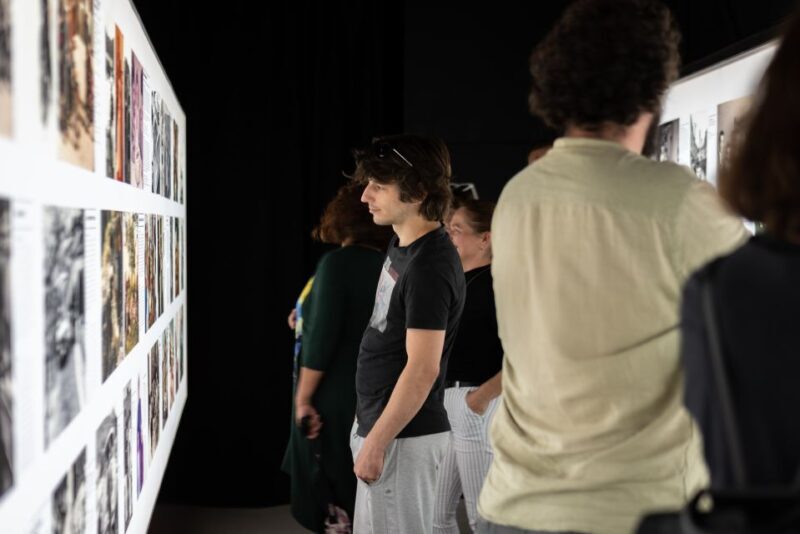
Many visitors mention the value of guided insights. Viktor, in particular, is praised for being very informative, making complex topics accessible and engaging. The staff’s knowledge adds depth, especially when discussing topics like Goli Otok, the infamous political prison, or the subtle nuances of Yugoslav politics.
More Great Tours Nearby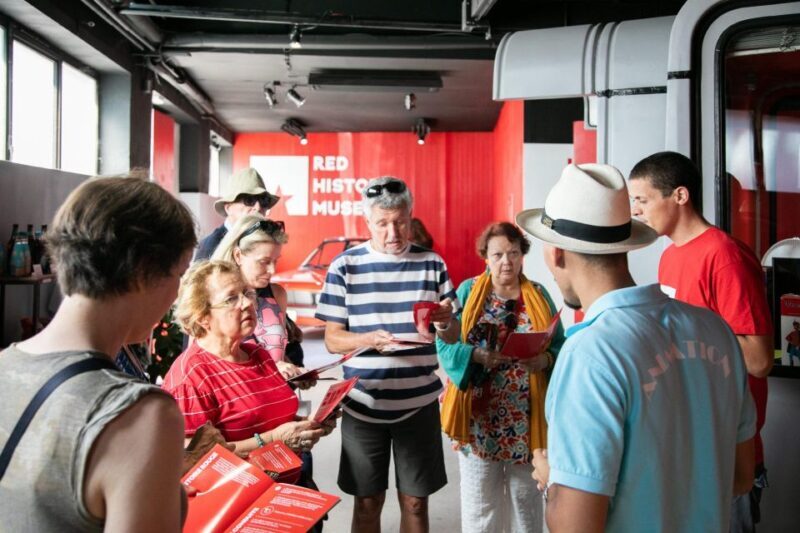
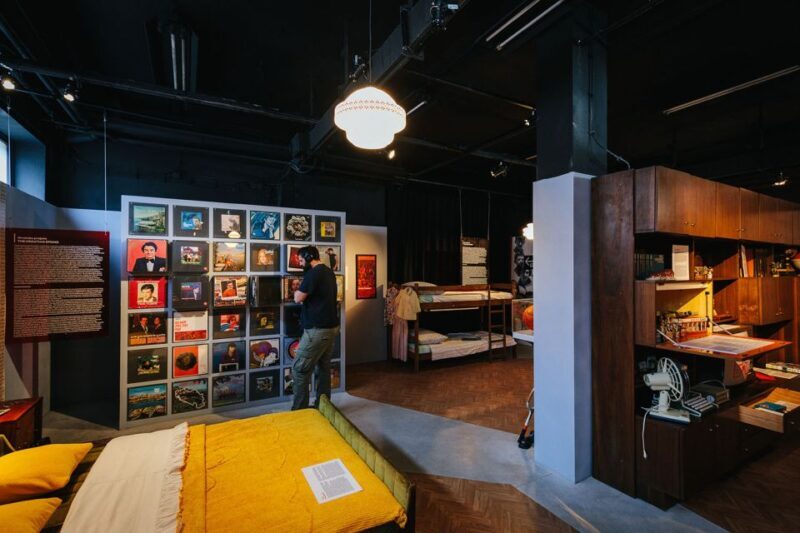
The museum’s layout combines old and new technology to create an immersive experience. Reviewers have highlighted the well-curated exhibits that blend history with pop culture, making it appealing for a broad audience. There are visual resources and artifacts that illustrate personal stories from the era, giving a human face to the political and social changes.
Visitors can walk through reconstructed rooms, view communist-era propaganda, and listen to music that defined the period. While the museum is on the smaller side, its design ensures visitors don’t feel overwhelmed. Instead, it offers enough material to keep you engaged without dragging on.
History buffs will find these Dubrovnik heritage tours enlightening
The museum recommends reserving tickets and offers the flexibility to pay later, which is handy when planning a flexible itinerary. Cancellation is also straightforward—up to 24 hours in advance for a full refund. Some reviewers suggested that additional instructions for using digital scans could enhance the virtual experience, but overall, the interactive features are well-received.
The reviews consistently praise the museum’s well-curated, interactive approach. Vedran notes, “It’s a very nice museum to refresh our memory of past living back in Yugoslavia.” Emily highlights its balance of history, politics, and pop culture, calling it “highly recommend[ed].” Many also appreciated the knowledgeable guides like Viktor, who make the experience more meaningful with their storytelling.
A common theme is that the museum offers a surprising amount of information in a small space, making it ideal for those interested in a focused, authentic experience. Some visitors also mention that the exhibits give a genuine sense of what life was like, from old furniture to iconic products like the communist Fanta.
At just $11, this museum provides a rare chance to understand a part of Croatia’s history that’s often underrepresented. The combination of interactive displays, authentic artifacts, and expert guides means you’re not just viewing old photos—you’re stepping into a world that shaped modern Croatia. For travelers with an interest in history, politics, or culture, this visit offers real insights without breaking the bank.
It’s especially good if you prefer smaller, curated museums that focus deeply on specific topics rather than sprawling, generic collections. The museum’s location in a historic factory adds an extra layer of authenticity, and the interactive elements keep the visit engaging for all ages.
This experience is perfect for history enthusiasts, curious travelers, or anyone wanting context beyond Dubrovnik’s scenic streets. It’s also a good choice for families or groups seeking an educational activity that’s both fun and meaningful. If you’re interested in politics, pop culture, or the social history of the Balkans, this museum will enrich your understanding of Croatia’s past. Anyone who appreciates well-guided tours and interactive exhibits will find it especially rewarding.
On the flip side, if you prefer large museums or are only in Dubrovnik for a short time and want a quick overview of the main sights, this might feel a bit limited. Still, for its price point and depth, it’s a standout for those wanting a focused, authentic look at recent history.
Is the Red History Museum suitable for all ages?
Yes, the museum’s interactive features and engaging exhibits make it accessible and interesting for most ages, especially those interested in history and culture.
Can I purchase tickets on the day of my visit?
Yes, you can reserve your spot and pay later, which allows flexibility in planning your Dubrovnik itinerary.
How long does the tour usually take?
While not explicitly specified, most visitors seem to spend around 1 to 1.5 hours exploring the exhibits and taking photos.
Is the museum accessible for people with mobility issues?
The provided information does not specify accessibility details, so it’s best to contact the museum directly for specific needs.
Are guided tours included in the ticket price?
The ticket grants entry, and staff like Viktor are available to provide insights—many reviews mention guided talkings, but it’s not explicitly stated if guided tours are included or optional.
What’s unique about the museum’s location?
Housed in a 1953 factory in Dubrovnik’s port area, the building itself adds an authentic industrial ambiance to the experience.
To sum it up, the Dubrovnik Red History Museum offers an affordable, engaging, and authentic glimpse into Croatia’s communist past. It’s a perfect stop for those eager to understand how history shapes the present, delivered in a well-curated, interactive format. Whether you’re a history buff, a curious traveler, or someone looking for something different from the typical Dubrovnik sights, this museum is sure to deepen your appreciation for the country’s layered story. Its knowledgeable guides and thoughtful exhibits make it a worthwhile addition for any itinerary, especially if you value quality over quantity in your cultural experiences.
You can check availability for your dates here: