Physical Address
304 North Cardinal St.
Dorchester Center, MA 02124
Physical Address
304 North Cardinal St.
Dorchester Center, MA 02124

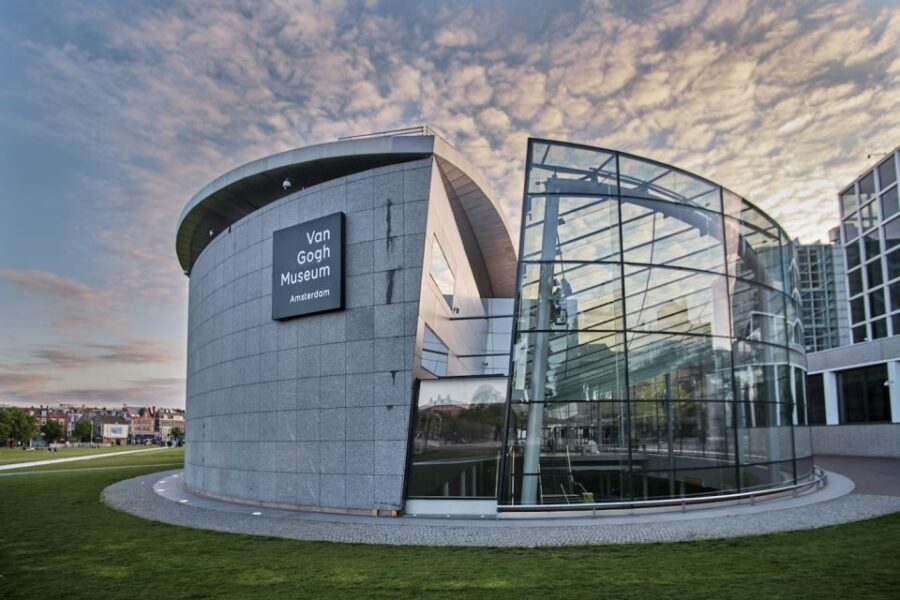
See Van Gogh’s Sunflowers, Bedroom, and more on a 90-minute guided museum tour with an English-speaking guide and timed entry.
Vincent van Gogh’s paintings reward a closer look: the thick brushwork, bold color, and shifts in style make more sense when you know something about the artist behind them. This 90-minute guided tour links major works such as The Sunflowers, Potato Eaters, Almond Blossom, and Bedroom to Van Gogh’s life and his close relationship with his brother Theo.
I like two things in particular: admission is included, with a separate entrance for the tour, and a guide gives you a clear path through Van Gogh’s changing work instead of leaving you to piece it together alone. Guides such as Adriana, Aurora, and Aylee have been praised for vivid storytelling, clear explanations, and making time for questions and looking.
The main trade-off is pace. Ninety minutes gives you a helpful framework, but not enough time to study every painting, drawing, and letter in the museum. Arrive on time, and plan to stay longer afterward if you want to explore at your own speed.
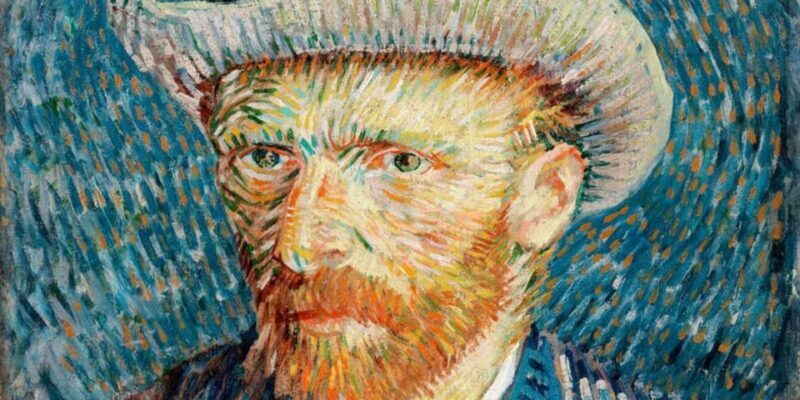
The Van Gogh Museum is more than a roomful of famous canvases. Its collection includes paintings, drawings, and letters, and the works trace an artist who changed his approach over time. A guide helps you connect the pieces: what you are looking at, where it fits in Van Gogh’s artistic journey, and what was happening in his life.
That context matters most when you know a painting by name but have not spent time with it in person. A guide can draw your attention to technique and detail, then relate those observations to Van Gogh’s influences and circumstances. The aim is not to turn every picture into a lecture. It is to give you a useful way to look.
Past groups have responded especially well to guides who tell the story in a lively, clear manner. Adriana is a name that appears often, while Aurora, Aylee, Maria, and Margherita have also led tours. The individual guide can vary, so book this for the guided format rather than expecting a particular person.
I would choose the tour if you want a structured introduction, especially if Van Gogh is one of the artists you came to Amsterdam to see. If you already know his work well and prefer a slow, self-directed visit, a ticket on its own may suit you better. The guide is the main added value here, not simply a way to get into the building.
You might also be interested in these Amsterdam experiences
Meet your guide in front of the museum entrance by the large stairs marked GROUP ENTRANCE. The guide is described as carrying a blue umbrella, a simple landmark that should help you spot the group. The meeting point coordinates are 52.35837936401367, 4.881134033203125.
Be punctual. The museum is strict about the entry time, so do not treat the start time as an approximate suggestion. You are asked to provide a correct phone number in case the guide needs to contact you, and it is sensible to check messages before setting off.
Admission is included, and the tour enters through a separate entrance. That can save time compared with the regular line, though it should not be read as permission to arrive late or skip every entry procedure. If you can choose among start times, the 9:15 tour is identified as the quietest option. A calmer room can make it easier to hear the guide and get a good look at the paintings.
The tour is in English. If you are travelling with children, note that everyone under 18 must have a ticket to enter the museum and join the tour. Leave luggage and large bags elsewhere: backpacks are not allowed, and neither are tulips or other flowers. The activity is not suitable for wheelchair users.
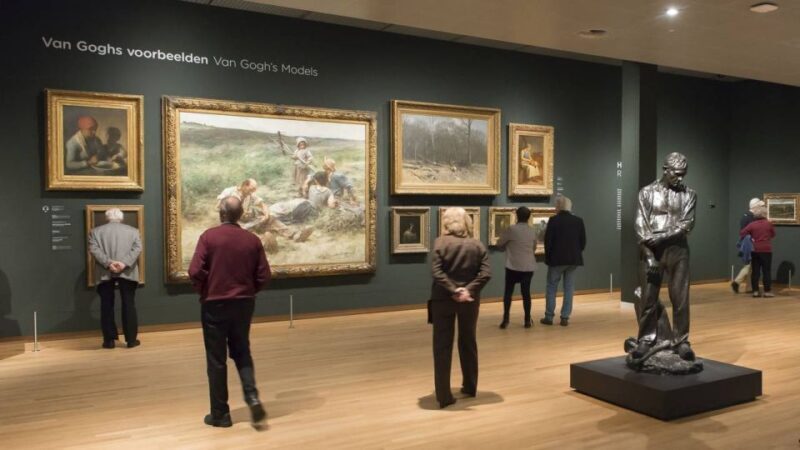
The tour follows Van Gogh’s work from his early pieces toward his final masterpieces, using the museum’s collection to show how his style developed. You also hear about the cities where he lived and the events and influences connected to different periods of his career. That chronological thread is one of the most useful parts of the visit: instead of seeing famous pictures as isolated highlights, you get a sense of an artist in motion.
The Potato Eaters offers a point of entry into the earlier work named in the tour. Rather than treating it as just another item on a must-see list, the guide can help place it within Van Gogh’s development and talk through the techniques and influences that shaped his art. The tour’s strength is this kind of connection between the painting and the wider story.
As you move through the collection, the guide discusses Van Gogh’s changing approach and the personal difficulties he faced. The tour information does not promise a fixed room order or an identical script each time, so expect the guide to shape the visit around the works on view and the group’s pace. The aim is a clear overview, not an exhaustive account of every object.
The better guides also leave space for questions. Past tour groups have valued being able to pause, look closely, and ask about a painting rather than being hurried from one room to the next. That balance matters in an art museum: explanations are useful, but so is a quiet moment in front of the work.
The Sunflowers is one of the headline works on the tour. Its fame can make it tempting to glance, take a photo, and move on. A guide helps you slow down and consider the painting as part of Van Gogh’s broader practice, pointing out aspects of his technique and giving you a reason to look beyond the instantly recognizable subject.
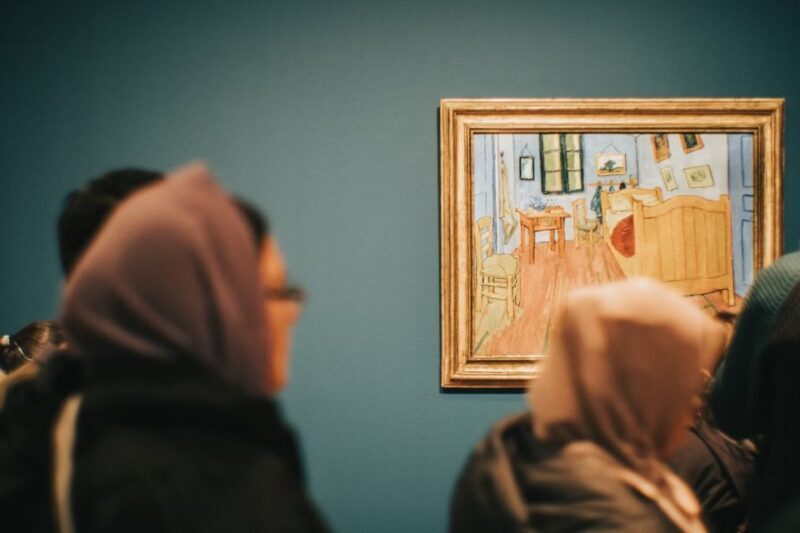
Almond Blossom and Bedroom are also named among the works you may see. Their presence adds variety to the visit and gives the guide more than one way to discuss Van Gogh’s choices as a painter. You are not simply being led to a checklist of famous canvases; you are hearing how the works relate to the artist’s life and changing style.
The museum’s collection includes drawings and letters as well as paintings. Those materials can add a different kind of evidence to the story, helping you think about the person and working artist behind the canvases. The tour covers different aspects of Van Gogh’s life, techniques, and work, so it is particularly useful if you want more than a quick encounter with the best-known paintings.
Crowds are a real consideration. The museum can be busy, and a full room may make it harder to hear or spend long at a particular work. A morning start, especially 9:15, is the practical choice if quiet matters to you. Even at a busier time, a strong guide can help keep the group organized and make sure you have a chance to see the art before moving on.
More Great Tours NearbyVan Gogh’s relationship with his brother Theo is a central part of this tour. The guide brings the family story into the museum visit, connecting Van Gogh’s personal life and struggles with the paintings and the different stages of his career. For many visitors, this turns a collection of famous images into a more human story.
A guide’s storytelling can also make familiar facts feel less like a list of dates. The best explanations tie an artwork to the circumstances and ideas surrounding it, then give you time to look again. Past groups have singled out guides including Adriana and Aurora for making the story accessible and easy to follow, and Aylee for her warm, enthusiastic approach.
That personal angle is valuable, but it is worth knowing what the tour is designed to do. It offers an overview of Van Gogh’s life and art, not a specialist seminar on every painting. One past visitor wanted more discussion of individual works and fewer familiar biographical facts. If you already know the broad outline of Van Gogh’s life, you may want to ask specific questions or spend extra time with the paintings after the guided portion.
If you prefer having a local expert, these guided Amsterdam experiences could work well
Ninety minutes is a good length for a first, guided pass through the museum. It gives you a route, a story to follow, and enough time to meet the major works without asking you to make every decision in an unfamiliar collection. It also means the guide must choose what to emphasize. You should not expect to hear a detailed account of every painting, drawing, and letter.
The tour can feel brisk because there is a lot to see. One past participant felt the time passed quickly, even though the tour lasted the full hour and a half. That is a useful warning: if you like to linger over each artwork, treat the guided visit as an introduction, not your entire museum day.
Plan to stay after the tour if your schedule allows. You can use the guide’s overview as a map, then return to works that caught your attention or look at other pieces in the collection at your own pace. One practical account of the visit describes being able to continue exploring after the guided portion, so leave room in your day rather than booking another activity immediately afterward.
The value depends on what you want from the visit. The ticket-only option is the cheaper choice if you mainly want entry and prefer to use your own guidebook or the museum’s audio material. The guided tour costs more than basic admission, but it includes a live English-speaking guide, a planned route, and interpretation that can help you notice more. If you are keen to understand the art, that extra cost may be money well spent.
I would recommend it to first-time visitors who want an engaging introduction to Van Gogh, and to art lovers who like hearing how a work fits into an artist’s life and development. It is also a sensible choice if you find large museums easier to manage with a guide setting the pace and pointing out the central works.
Families can make use of the guided format, though children under 18 need their own tickets. A past group included children who were drawn into the discussion, but the tour is still 90 minutes in an art museum. Consider your child’s patience for listening and standing before you book.
I would skip the guided option if you need wheelchair access, since the activity is not suitable for wheelchair users. I would also think twice if you prefer to spend a long time with each painting or already have a detailed plan for exploring the museum independently. The guide’s route is there to give you a broad, connected account, not unlimited time at every stop.
Booking is flexible, with free cancellation up to 24 hours in advance and a reserve-now, pay-later option. Those terms can help if your Amsterdam plans are still shifting, but the important practical detail remains the fixed entry time. Show up early enough to find the group entrance and settle in before the guide begins.
Book this tour if you want the Van Gogh Museum to make sense as more than a parade of famous paintings. The best reason to pay for a guide is the link between the art, Van Gogh’s changing methods, and his story with Theo. You get a strong overview, then can stay to look around independently.
Choose a ticket without a guide if quiet, unhurried time with each work matters more than a structured explanation. If you do book, consider the 9:15 start, arrive on time, travel light, and keep an extra hour or two free if you want to revisit the collection after the tour.
“Adriana was a terrific guide. I learned so much and enjoyed the guided tour very much. Her communication before the tour was also fantastic. I high…”
The guided portion lasts 1.5 hours. You may want to leave extra time afterward to explore the museum at your own pace.
Yes. The activity includes an entrance ticket and uses a separate entrance for the tour.
The live tour guide speaks English.
Meet in front of the entrance at the large stairs marked GROUP ENTRANCE. The guide will be holding a blue umbrella.
The 9:15 departure is identified as a quieter time at the museum.
Yes, but children under 18 must have a ticket to enter the museum and take part in the guided tour.
No. Backpacks and large bags are not allowed. Luggage, tulips, and other flowers are also prohibited in the museum.
You can check availability for your dates here: