Physical Address
304 North Cardinal St.
Dorchester Center, MA 02124
Physical Address
304 North Cardinal St.
Dorchester Center, MA 02124

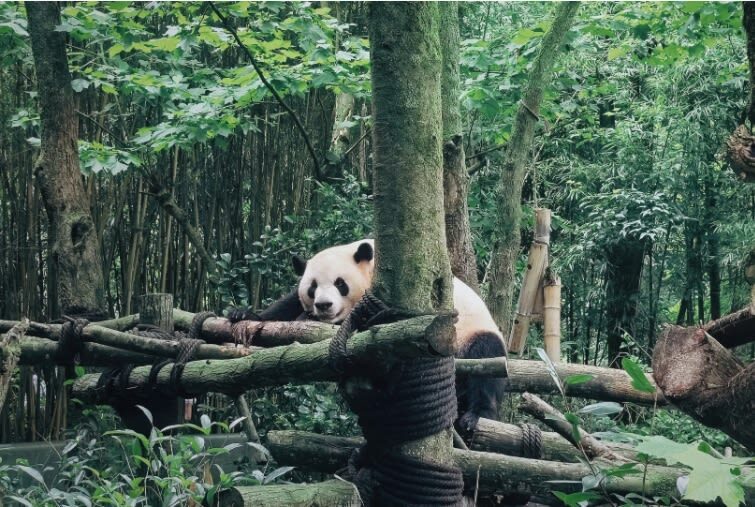
Pair Chengdu’s pandas with Dujiangyan’s 2,200-year-old waterworks, with guided and private tour options, hotel pickup, and a possible Nanqiao night visit.
Dujiangyan still sends the Min River’s water across the Chengdu Plain using a system built more than 2,000 years ago, without a dam. Pair that engineering marvel with a visit to see pandas, and you get a day that is more than a cute-animal outing. I like the contrast: bamboo-eating pandas in the morning, then a guided walk through a working water system in the afternoon.
I also like the range of formats, from a low-cost Chinese group tour to an English small group or a private guide. One thing to watch: the panda venue depends on the package, and the advertised schedule can shift with traffic. Check your exact option before booking, especially if you want Panda Valley or the Nanqiao night view.
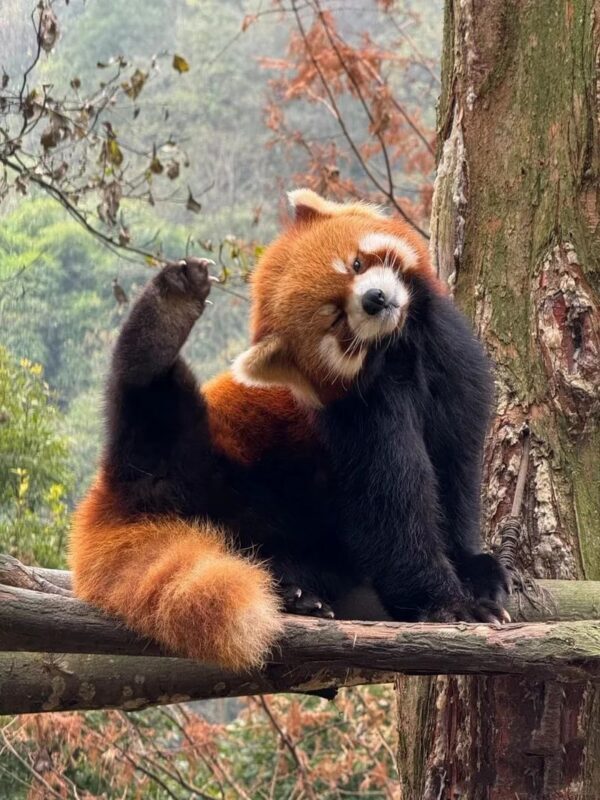
Many Chengdu day trips choose between pandas and history. This one puts both on the same page. You start with a conservation center, then travel to Dujiangyan to see a system that still guides river water into the plain. The change of subject gives the day its appeal: one stop is about animal care and habitat, the other about practical engineering and the people who shaped the region.
The tour is not a quiet, independent visit to either site. You travel with a group, follow a schedule, and rely on the guide or driver for timing and local context. That trade-off buys convenience: transport, entry arrangements, and the long journey out of Chengdu are bundled together. For a first visit, that can be easier than planning two separate excursions.
The price starts at US$37.49 for the Chinese large-group option. Chinese small-group trips start at US$51.75, while the English small group starts at US$97.25. Private tours start at US$146.25. These are starting prices, not identical packages. The language, panda venue, group size, and possible evening activities differ, so compare what each option actually includes rather than choosing by price alone.
Looking for more options in Chengdu? Here are some other experiences worth considering.
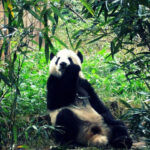
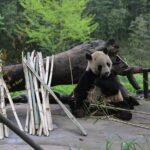
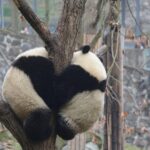
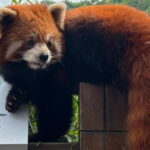
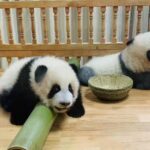
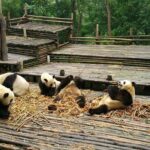
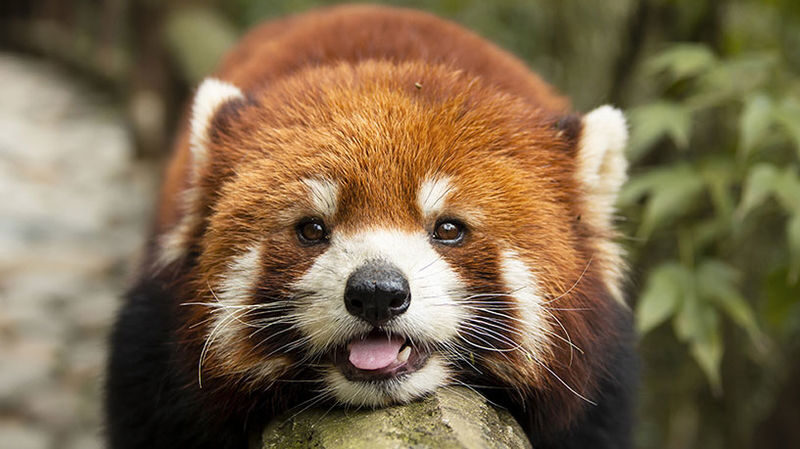
Chinese-language group tours visit Panda Valley, a quieter-feeling alternative to the main Chengdu Panda Base described in the tour options. The center’s open-air areas may let you see giant pandas and red pandas in a leafy setting. The attraction of this choice is variety: red pandas are part of the visit, not an afterthought. The drawback is that animals are not performers on a timetable, so sightings and activity can never be guaranteed.
English small-group and private tours go to the Panda Base instead. The tour description says this option can bring you near more giant panda cubs. If seeing pandas is your main reason for booking, confirm the venue on your selected package before paying. The materials describe different centers across different options, and the listed ticket details are not perfectly consistent.
The morning drive is also used for panda conservation commentary. At the center, expect to walk through the grounds and watch for natural behaviors such as eating bamboo or climbing. Your time at the panda site is around two to two and a half hours in the described schedules. That is enough for a focused visit, but not a leisurely day at a large center.
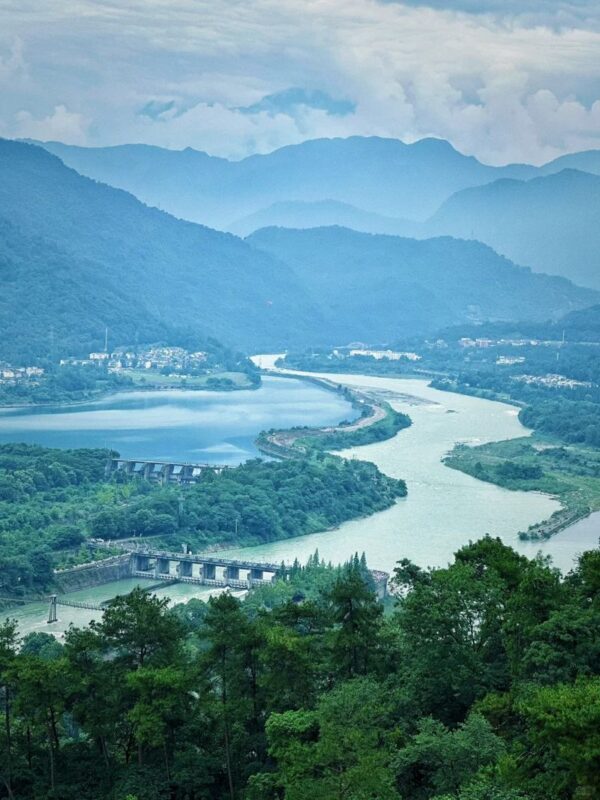
Dujiangyan is the day’s most substantial cultural stop. Built on the Min River west of Chengdu, it diverts water without blocking the river behind a conventional dam. Its three main elements are the Yuzui Dividing Dam, the Feishayan Flood Discharge Dam, and the Baopingkou Water Inlet. A guide’s explanation helps turn these names into a sequence you can understand: water is divided, excess flow is managed, and part of the river is directed into channels.
The system’s continuing use is what gives the visit weight. You are not looking only at a relic from the past; you are seeing infrastructure that still serves the region. The walk through the scenic area can include views of the Min River and crossings such as the suspension bridge. Reviews of the tour repeatedly praise the explanations here, with guides including Zhang Hua and Xiao Yong singled out by name. Those guides are examples, not a promise of who will lead your departure.
Set aside roughly two hours for the guided visit, though the actual pace and route may change. The site is large, with stairs and a fair amount of walking. If you have knee trouble, limited mobility, or low stamina, take that seriously when deciding whether this day suits you. The tour is described as physically demanding, and the operator does not recommend it for people with impaired mobility or certain medical conditions.
A sightseeing car through Dujiangyan costs an additional ¥20 for two sections, and the Yulei Pavilion escalator costs ¥40 round trip. These are optional transport aids, not included in the listed price. They may help reduce the effort, but do not assume they remove all walking.
Lunch is planned for about an hour and a half. The large-group package includes a set meal at ¥30 per person, described as eight dishes and one soup for each table of ten. Small groups do not include lunch, so you can follow the guide’s suggestions or bring your own food. Local dishes named for the area include sweet rice wine, spring rolls, Qingcheng smoked ribs, and Minjiang River fish.
Yangtianwo Plaza is a short photo stop, with a giant reclining panda sculpture holding a phone for a selfie. It is playful rather than historic, and a useful change of pace after the more serious waterworks. The sculpture measures 26 metres long, 11 metres wide, and 12 metres high, so it is hard to miss and easy to use as a meeting landmark.
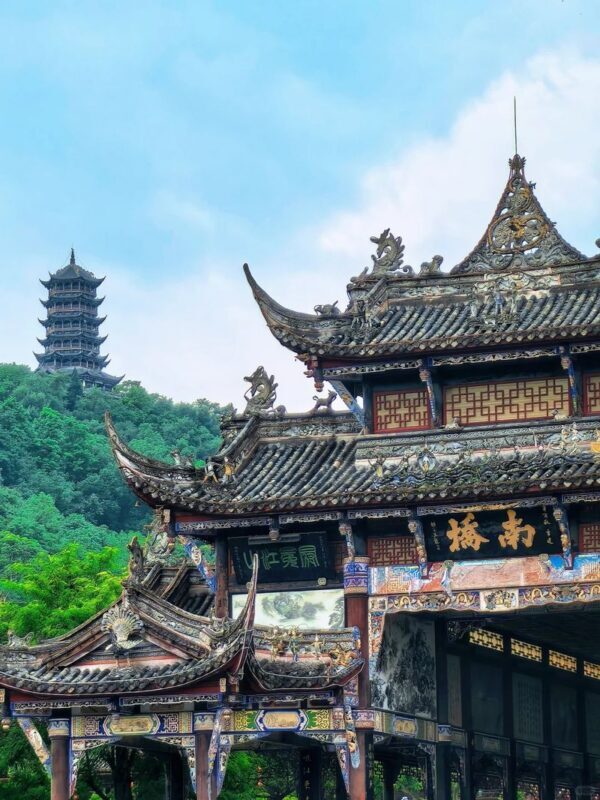
Some Chinese small-group packages continue to Nanqiao for the Blue Tears night view. The illuminated river is the visual payoff, with free time to walk around the bridge and nearby old-style market. It can make the day feel more rounded, but it is not a guaranteed feature of every package. Check that your selected option includes it. The 8-person Chinese small group also lists a free Hanfu experience; makeup, styling, and photography are not included.
The schedule may put the stops in a different order, and traffic or weather can alter the timing. Some versions mention Zhongshuge, also called Magic Bookstore, but it is not consistently included in accounts of the day. If that stop matters to you, ask the operator to confirm it rather than building your plans around it.
The Chinese large-group tour is the least expensive choice. It uses a coach and includes professional guide explanations at the attractions. A larger group can mean less flexibility and more waiting at meeting points, but the lower starting price may be worthwhile if you are comfortable following a shared schedule.
The Chinese small group offers a more intimate format, though the actual vehicle depends on the number of people. Some tour accounts describe a comfortable van; others mention cramped seating when a small vehicle is full. On a drive of around 90 minutes each way, seat space matters. If you book this option, ask what vehicle size is planned and how many passengers will share it.
The English small group costs more, but includes an English-speaking guide and is intended for 3 to 12 participants. It is the practical choice if you want historical context without relying on translation. Private tours, in Chinese or English, start at US$146.25 and suit families or small parties who value a dedicated guide and a more tailored pace.
Guide quality can shape the Dujiangyan visit, because the engineering is easier to appreciate with a clear explanation. Guides named in tour accounts include Zhang Hua, Xiao Yong, Xiaoxiong, and Sophie. Names are not assigned in advance, so treat them as examples rather than a booking guarantee.
Pickup is offered within Chengdu’s Third Ring Road. The driver confirms the location and time the evening before, and pickup can happen 30 to 90 minutes before the stated assembly time as the vehicle gathers passengers. Keep your phone reachable and provide a complete hotel or visitorhouse address when booking.
The day begins early, with pickup roughly between 7:00 and 8:00 a.m. and a return expected around 6:30 to 8:30 p.m. The drive back is estimated at about two hours. The precise drop-off point may change; the tour information gives both hotel or personal-address drop-off and Jinsha Site Museum as a possible final point. Confirm the day’s arrangement with the operator or guide.
Bring the original passport or other travel document used for your booking. Entry can be refused if the required document is missing or the details do not match. Wear shoes suited to walking, dress for the weather, and carry water and any food you need. Earmuffs are listed as an optional ¥40 purchase, not an included item.
Children must be counted when you book, even infants. Child prices cover transport, guide service, and insurance, but not attraction tickets. Anyone under 18 needs an accompanying adult, and participants must be under 80. The tour is not available to pregnant women; people aged 70 or over must travel with a companion aged 18 to 69.
The group needs a minimum number of participants to operate. If it is not met, the activity may be rescheduled or refunded. Avoid booking a same-day flight or train after the tour: traffic, crowds, and weather can push the return later than planned.
Book this if you want a convenient way to combine pandas and an unusually practical piece of ancient engineering, and you are comfortable spending most of a day on a shared schedule. The English small group is the clearest fit for English-speaking visitors who want context at Dujiangyan. Choose a Chinese small group if Panda Valley and, where included, Nanqiao’s evening lights appeal to you. A private tour makes sense if your group wants more control over pace.
Skip it if you want a slow panda-center visit, dislike long drives, or cannot manage stairs and extended walking. Before booking, verify the panda venue, guide language, meal arrangement, Nanqiao stop, and vehicle format for your exact package. Those details make the difference between a bargain day out and the right day out.
“Had an amazing day today!”
Chinese group options go to Panda Valley. English small-group and private tours go to the Panda Base. Confirm the venue shown for your exact package before booking.
Yes. The English small-group option includes an English-speaking guide, and private tours are offered in English or Chinese.
No. The evening visit at Nanqiao is listed for the Chinese 8-person small-group option. Check the inclusions for your chosen package.
The classic large-group tour includes a set lunch at a stated standard of ¥30 per person. Small-group tours do not include meals.
The tour is described as physically demanding. Dujiangyan has stairs and requires a fair amount of walking; the Panda Base and Panda Valley also involve walking around their grounds.
Pickup is available for addresses within Chengdu’s Third Ring Road. The pickup time is confirmed the day before, and it may be earlier or later than the stated assembly time.
The Panda Base sightseeing bus is listed at ¥30 per person. Dujiangyan’s sightseeing car costs ¥20 for two sections, and the Yulei Pavilion escalator costs ¥40 round trip. These are not included in the tour price.
Bring the original passport, ID card, or other travel document details used when booking. The tour information says entry may be refused if the required document is missing or incorrect.
The tour is not available to pregnant women. Participants aged 70 or older must be accompanied by a relative or friend aged 18 to 69.