Physical Address
304 North Cardinal St.
Dorchester Center, MA 02124
Physical Address
304 North Cardinal St.
Dorchester Center, MA 02124

See Mount Fuji from lakes, springs and viewpoints on an 11-hour Tokyo bus tour, with practical advice on routes, weather, timing and value.
Mount Fuji is the star, but the appeal of this long day out is seeing it from several angles: above the red Chureito Pagoda, beside clear spring ponds, and across a lake where swans glide near the shore. For about $49.29, you get round-trip transport from Tokyo and a string of stops that would be awkward to link by public transit in one day.
I like two things in particular: the variety of Fuji viewpoints and the chance to see Oshino Hakkai, a traditional village area built around spring-fed ponds. The guides can add useful context, help with photos and point out local snacks. Juna, Yui, Kei and Han Jun are among guides praised for their warm, attentive approach, though the assigned guide varies.
The trade-off is the pace. This is an 11-hour coach tour with several short visits, no set lunch break and a view of Fuji that depends on the weather. Traffic can also force route changes or skipped stops, so book for a productive day outdoors, not a slow, flexible visit.
The trip starts around 7:00 or 7:30 in Shinjuku and returns to Tokyo around 18:00, with a possible later arrival if traffic is heavy. That is a long day, but the bus does the hard work of connecting a spread-out set of destinations. You avoid juggling train timetables, local buses and transfers, and can spend the day looking out the window instead of planning the next connection.
The stated starting price is $49.29, with admission to the attractions and round-trip transfers included. That is strong value if you want several stops without arranging transport yourself. Meals, drinks, personal expenses and travel insurance are extra, and the price does not buy a private vehicle or a leisurely schedule. Vehicles are assigned to suit the number of people booked, with capacity listed as up to 49 passengers excluding the driver.
The tour has a 4.7 out of 5 rating from 511 reviews, while the provider, TOURSTORY JAPAN, has a 94 percent good-review rate across 2,419 reviews. Treat those figures as a useful sign, not a promise: the guide, weather, crowd levels and road conditions all shape the day.
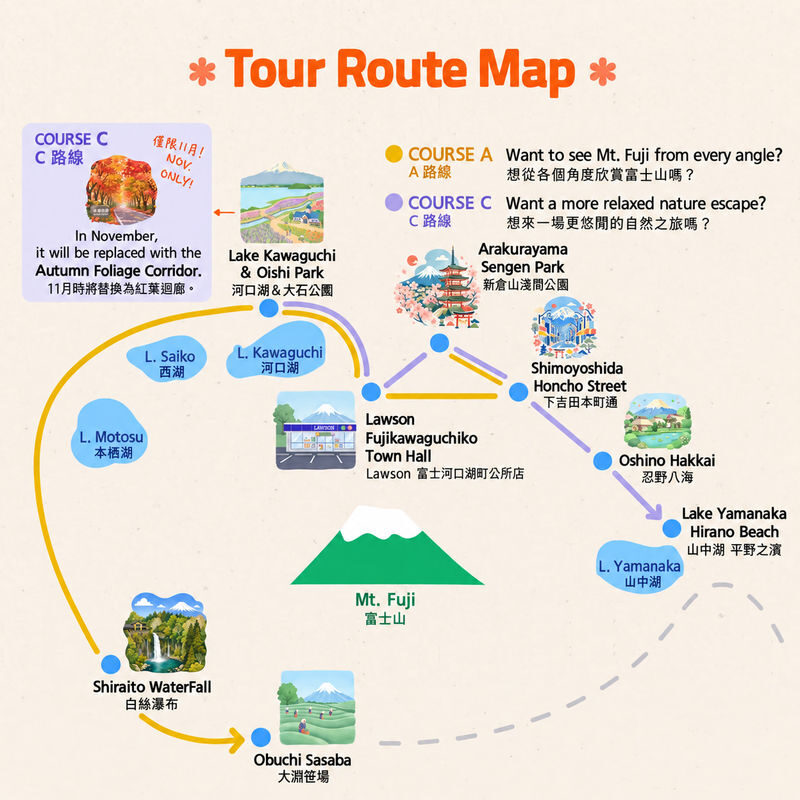
The package name can be confusing because several products sit under the same booking umbrella. The 360 Panorama route is described as circling Mount Fuji and including stops such as Shiraito Falls and Obuchi Sasaba, along with Arakurayama and the Fuji Lawson photo stop. The Signature Scenic Spots route focuses on places such as Oshino Hakkai and Lake Yamanaka, with seasonal park stops.
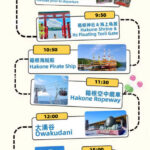
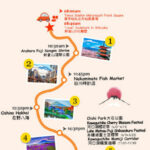
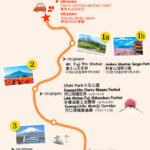
The detailed schedule provided for this tour is the Signature Scenic Spots itinerary. It includes Lawson Fujikawaguchiko Town Hall, Arakurayama Sengen Park, Oshino Hakkai, a seasonal park and Lake Yamanaka. Other packages, including winter and private-charter options, follow different plans. Do not assume that every stop named in the general description appears in every version. Check the exact package and language option you select.
There is also an autumn edition, available in November, that may visit Lake Kawaguchi’s Maple Corridor if seasonal conditions allow. Flower stops can change too. If flowers at Hana no Miyako Park are not in bloom, the group may visit the Mt. Fuji Museum instead. The operator can adjust the route based on weather, traffic and conditions at each stop.
Looking for more options in Fujiyoshida? Here are some other experiences worth considering.
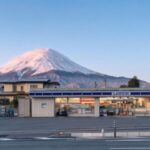
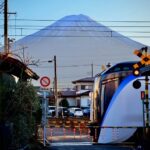
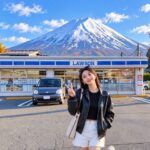
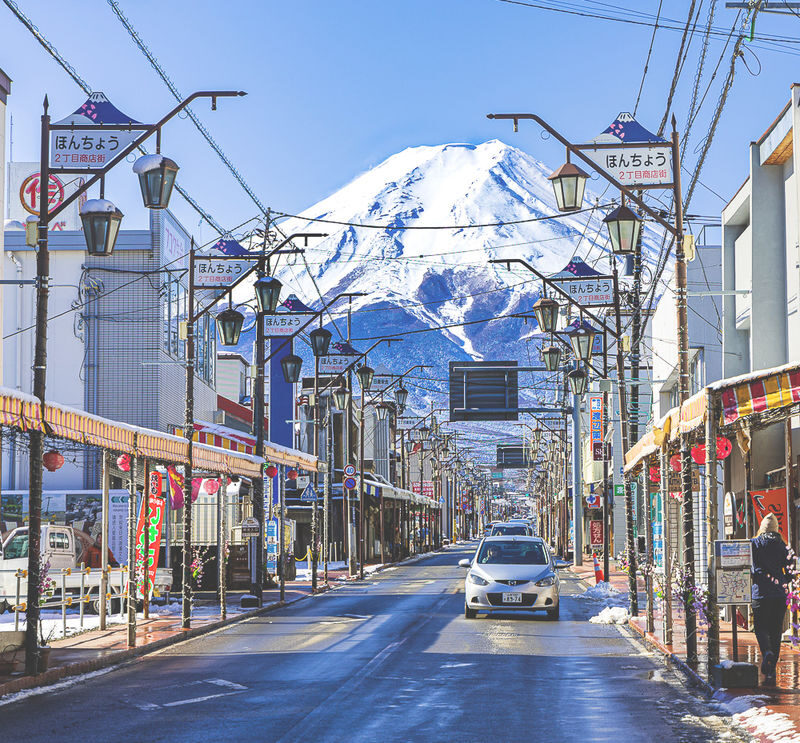
The first listed stop is Lawson Fujikawaguchiko Town Hall, scheduled for about 9:30 a.m. You have roughly 20 minutes for the familiar shot of Mount Fuji appearing above the convenience store roof. It is an easy, recognizable photo opportunity, but expect the stop to be brief and popular.
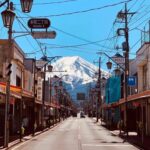
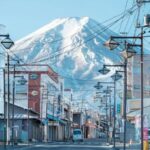
Keep your camera ready and avoid treating this as a shopping break. If the mountain is hidden, the shop roof will still be there, but the main reason to stop is the Fuji view. The tour also lists Honcho Street as a Fuji-view location in its general activity details, but the exact route can vary by package and day.
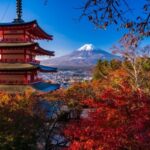
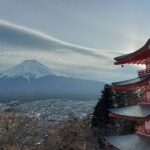
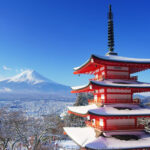
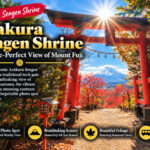
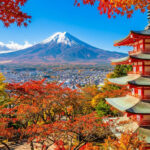
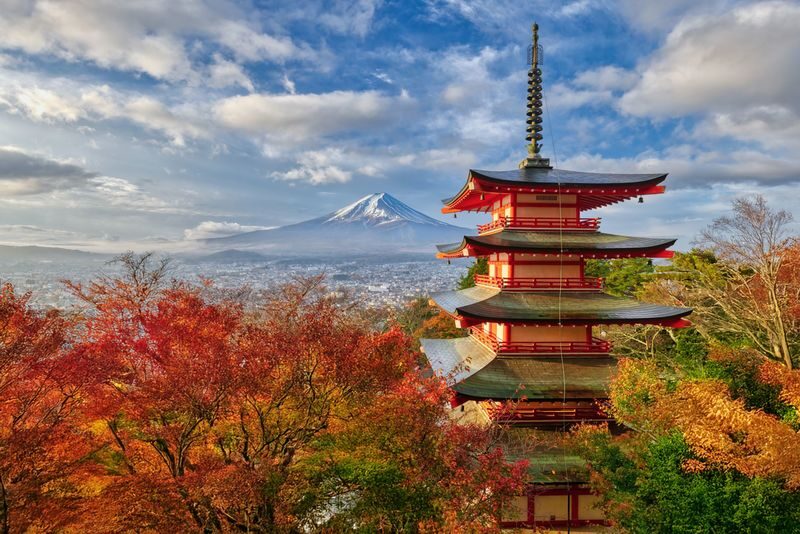
Arakurayama Sengen Park is the big classic view: Mount Fuji beyond Chureito Pagoda, with the pagoda adding a vivid foreground. The schedule allows about an hour and a half, which gives you more time here than at the smaller photo stops. It is the place to slow down, take in the view and make the climb at your own pace.
Be ready for stairs. One visitor counted around 400 steps to the pagoda viewpoint, and several people note that the climb takes effort. You do not have to go all the way up if you would rather rest or explore lower down. Wear shoes you can walk in, especially if the steps are wet.
Crowds and weather can affect the visit. The itinerary notes that some attractions may be skipped because of capacity or weather. Even on a clear day, a little patience may be needed for photos. The reward is a famous Fuji view, but it is not an effortless roadside stop.
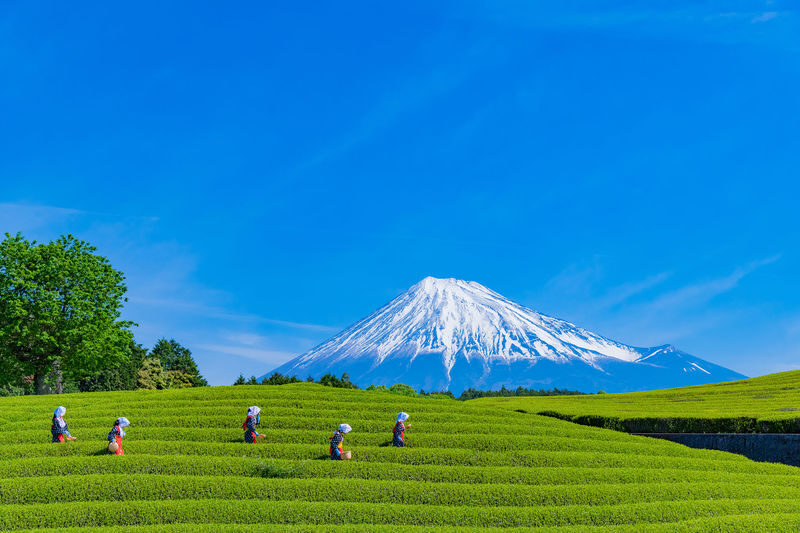
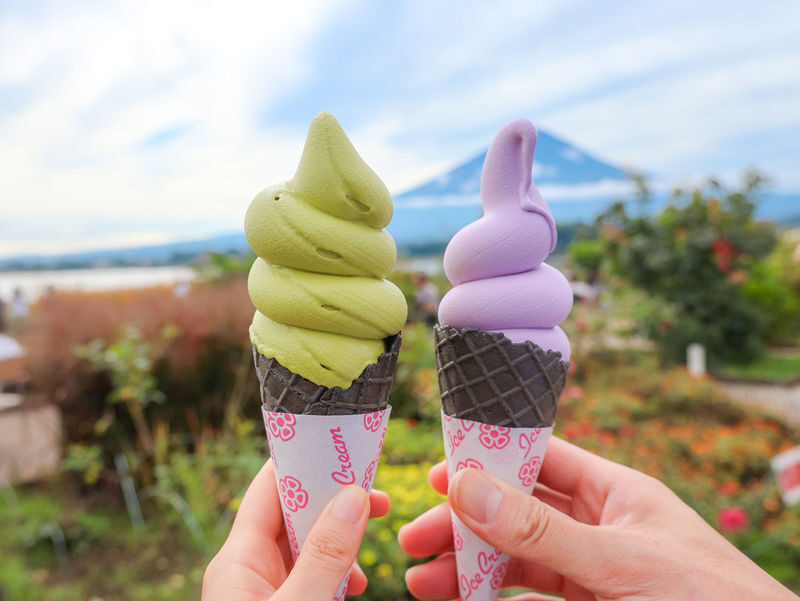
Around midday, the route reaches Oshino Hakkai for about an hour. This village area is known for its clear ponds, traditional thatched roofs and views of Mount Fuji. It provides a welcome shift from taking mountain photos: you can look at the water, walk among the buildings and pick up a snack.
An hour goes quickly, particularly if you want to take photos, browse and eat. There is no fixed lunch break, so plan to use this stop to buy something light if food is available, or bring your own. The tour encourages passengers to carry snacks and permits snacks on the bus. Do not count on having time for a long sit-down meal.
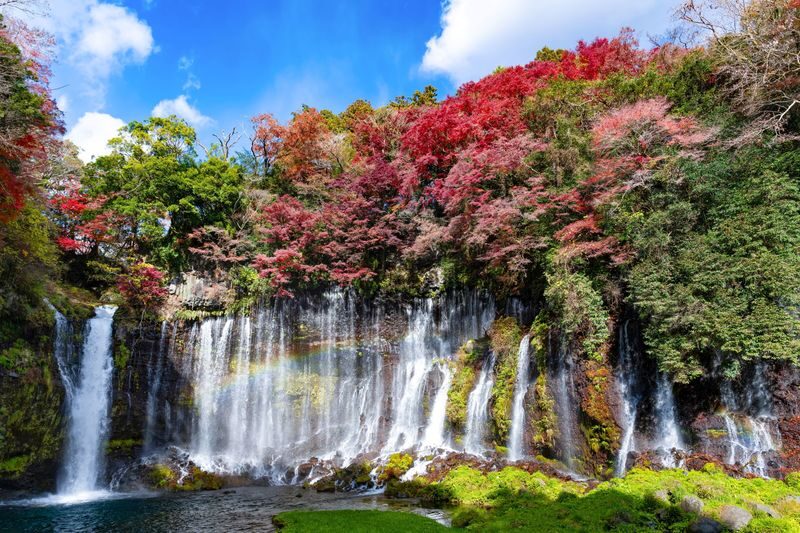
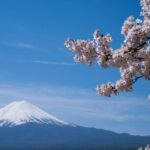
The next stop is listed for around 13:40 and lasts about an hour. From roughly August, the group may visit Hana no Miyako Park; from September, the plan lists Oishi Park. During autumn foliage season, the Maple Corridor may replace the regular stop. The precise timing and destination depend on season and conditions, so this is the least fixed part of the day.
These park stops add flowers, lake scenery or autumn color to a Fuji-focused trip. Their value depends on what is in bloom and how clearly the mountain shows. The operator says the Mt. Fuji Museum may replace Hana no Miyako Park if flowers are not yet blooming. If you are booking specifically for flowers or fall color, check the seasonal timing rather than assuming the display will be at its peak on your date.
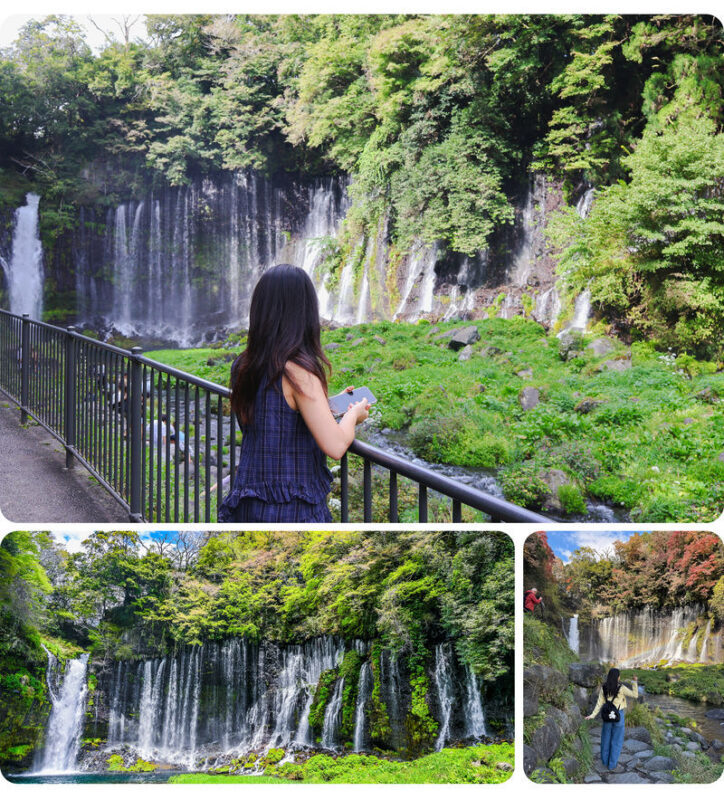
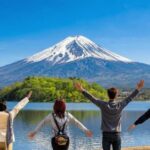
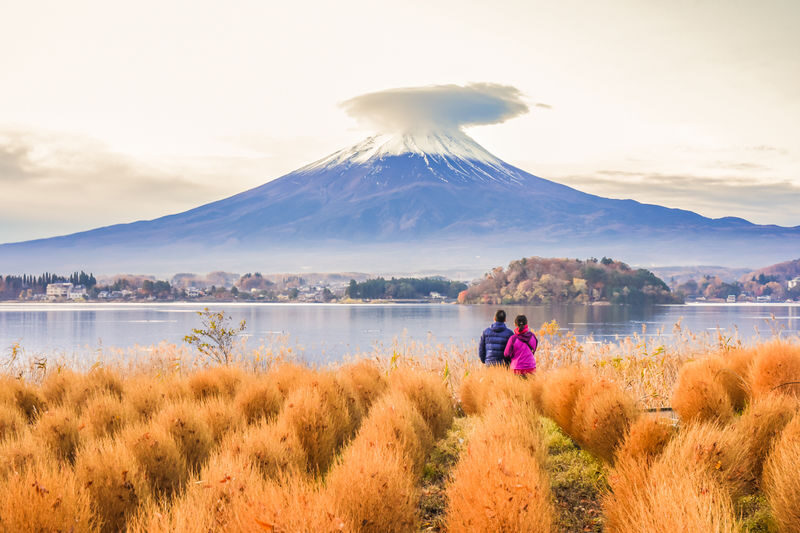
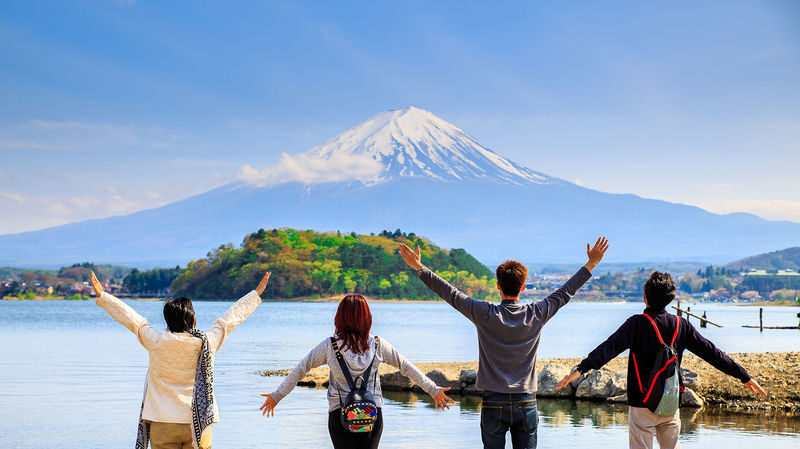
The schedule reaches Yamanakako, or Lake Yamanaka, around 14:50 for about an hour. It is a more open, restful stop after the village paths and park. On a clear day, the broad view can place Fuji across the lake, and swans may be gliding near the shore.
This stop is especially appealing if you want a calmer setting and a different foreground for Fuji photos. But the lake can feel less rewarding when clouds cover the mountain or if you prefer busy cultural sights. One hour gives you time to stroll and take pictures, not to explore the full lakeside area.
The guide can make a real difference on a tightly scheduled day. Names praised in recent accounts include Juna, Yui, Kei, Han Jun, Golddy and Gilbert. People value guides who explain what is coming, help with photos, share food tips and keep the group moving. Those names are examples, not a guarantee of who will lead your departure.
Some guides have switched among several languages, including English, Chinese, Korean and Japanese. Still, language service deserves a careful check. There has been at least one case where a Chinese-language booking was changed to an English-led tour shortly before departure, leaving little time to make other plans. If you need a particular language, confirm it close to the date and read the reminder email carefully.
The tour sends a reminder email between 3:00 and 5:00 p.m. on the day before departure, with a link to a group chat for contacting staff. Check spam or junk folders if it does not arrive. Guides generally need the group to return to the bus on time; keep track of the meeting point and do not wander off in search of one more photo.
There is no scheduled lunch hour. You have flexibility to eat during the stops, but the practical choice is a snack or light meal rather than a relaxed restaurant visit. Bring water and food from Tokyo if you want more control over your meal. You may also find snacks and quick food at stops, but availability and time will vary.
Road conditions are the main threat to the timetable. Golden Week and busy weekends can mean heavy traffic, longer drives and shortened visits. The operator may change the order of stops, adjust time at each location or skip places to stay within Japanese rules limiting vehicle operation to 10 hours. You are buying access to a planned route, not a guarantee that every stop will happen exactly as printed.
Rain alone does not cancel the tour, and clouds may lift later in the day. But Fuji can remain hidden, even when the rest of the outing goes smoothly. If seeing the mountain clearly is the only reason you are booking, remember that no schedule can control the sky. The springs, parks and lakes still offer other things to see, but they are not a substitute for a clear Fuji view.
This tour suits first-time visitors who want to see several Fuji-area sights without working out regional transport. It also fits families with children who can manage a full day and anyone who values convenience over lingering at each stop. Children aged 0 to 2 can join free if they do not need a separate seat. The activity is stroller-friendly but not wheelchair-accessible.
It is less suitable if you dislike early starts, crowds, stairs or fixed departure times. It is also not the best choice for anyone who wants a long lunch, a slow walk around one location or complete control over the itinerary. Ask customer service about bringing luggage or a stroller, as space depends on the vehicle assigned for that day.
Meet at the Starbucks on the first floor of Shinjuku L Tower, near the Shinjuku West Gate, and arrive at least 10 minutes early. Late arrivals and no-shows are not refundable. The usual return points are Shinjuku Station around 18:00 and Tokyo Station around 18:20, though traffic can delay both.
Book it if you want a convenient, affordable way to see several sides of the Fuji area in one day and can accept a brisk pace. The best reasons are the range of viewpoints, the inclusion of transport and attraction admission, and guides who can make the ride more engaging with photo help and local food suggestions.
Before booking, compare the exact route options, confirm the language you need, and check whether your priority is the pagoda view, springs, lakes or seasonal scenery. Bring snacks, wear walking shoes and leave room in your plans for a late return. If you want to linger, eat slowly or guarantee a view of Mount Fuji, a flexible private trip or an overnight stay may suit you better.
“This was a very fun experience! we got to see Mount Fuji clearly and the spots we stayed by were beautiful. thanks to our guide Jo Sungwoo was very…”
The day runs for about 11 hours, departing Tokyo around 7:00 or 7:30 and returning around 18:00. Traffic may delay the return.
Meet at the Starbucks on the first floor of Shinjuku L Tower, near Shinjuku West Gate. Arrive 10 minutes before departure.
No. Meals and drinks are not included, and there is no fixed lunch break. Bring snacks or a light meal; snacks are allowed on the bus.
Rain alone does not cancel the tour. Weather can still affect visibility and cause changes to the itinerary.
The detailed Signature Scenic Spots schedule lists Lawson Fujikawaguchiko Town Hall, Arakurayama Sengen Park, Oshino Hakkai, a seasonal park and Lake Yamanaka. Other package options have different routes, so check your selected option.
Contact customer service about luggage or a stroller because space depends on the bus assigned for your tour. The activity is stroller-friendly, but it is not wheelchair-accessible.