Physical Address
304 North Cardinal St.
Dorchester Center, MA 02124
Physical Address
304 North Cardinal St.
Dorchester Center, MA 02124

Explore 42 real railway vehicles, hands-on exhibits and Japan’s largest railway diorama at Saitama’s Railway Museum.
Saitama’s Railway Museum puts the trains themselves at center stage: you can get close to historic railway vehicles, step inside some of them and see how Japanese rail travel has changed. The museum’s 42 vehicles, indoor exhibits and rooftop train-watching spots make it more than a display of old locomotives.
I like the mix of real trains you can explore and hands-on activities that give children something to do beyond looking at exhibits. I also like that the museum connects railways with daily life, from railway work and science to station bento and Japanese culture.
One thing to plan for: two to four hours can feel short, especially with children or if you want to try the simulators and mini train. Some activities may need separate payment or advance booking, and the ticket is valid only for your selected date.
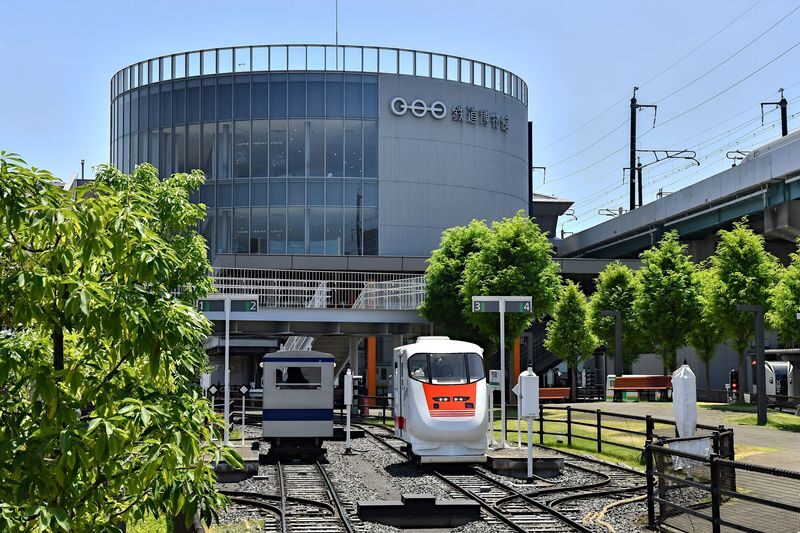
The Railway Museum opened in Omiya in 2007 as part of JR East’s 20th anniversary project. In 2018, a new south building opened and the main building was renovated. Today, the museum is arranged around five themes, giving you several ways into the story of railways.
That approach matters even if you do not collect train timetables for fun. The exhibits look at rail travel as technology, work, culture and part of everyday life, not simply a line of engines. You can start with the machines, then follow the story toward the people who built, operated and used them.
The museum is in Taiseicho, Omiya Ward, Saitama City. The ticket includes admission to the attractions, and the supplied directions identify the Railway Museum itself as the meeting point. The museum is large enough to fill a good part of a day, so treat the stated two-to-four-hour visit as a planning range rather than a strict limit.
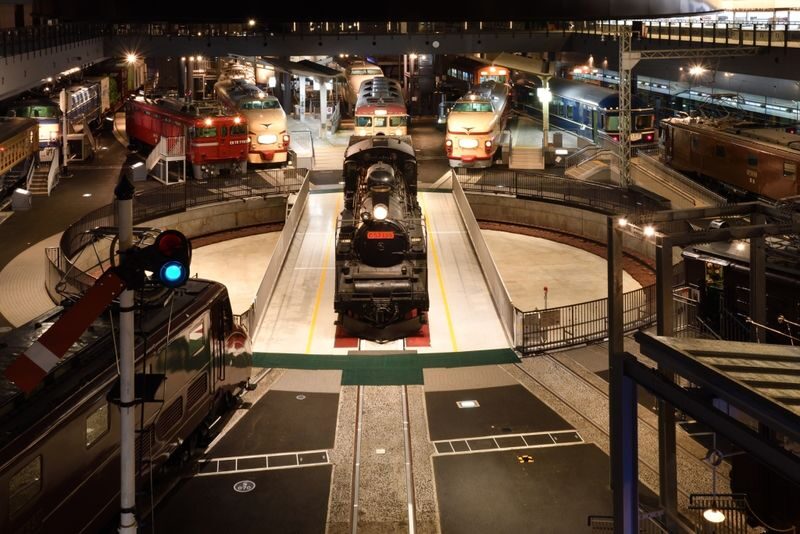
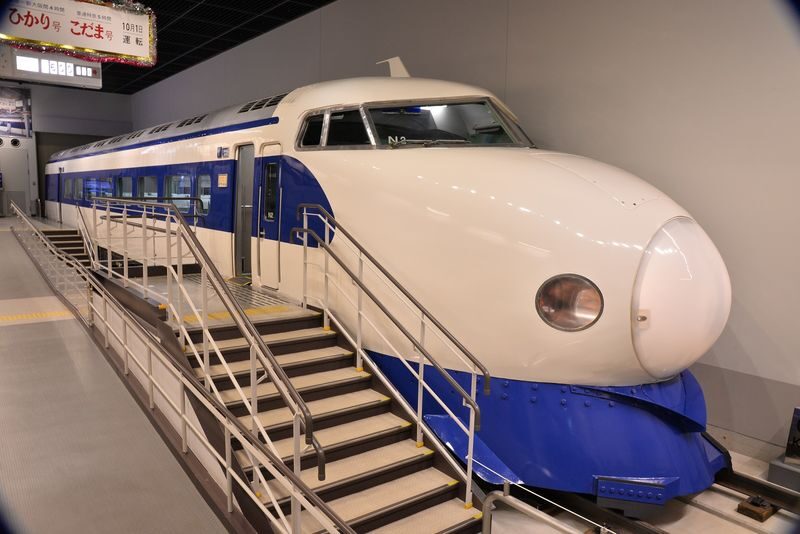
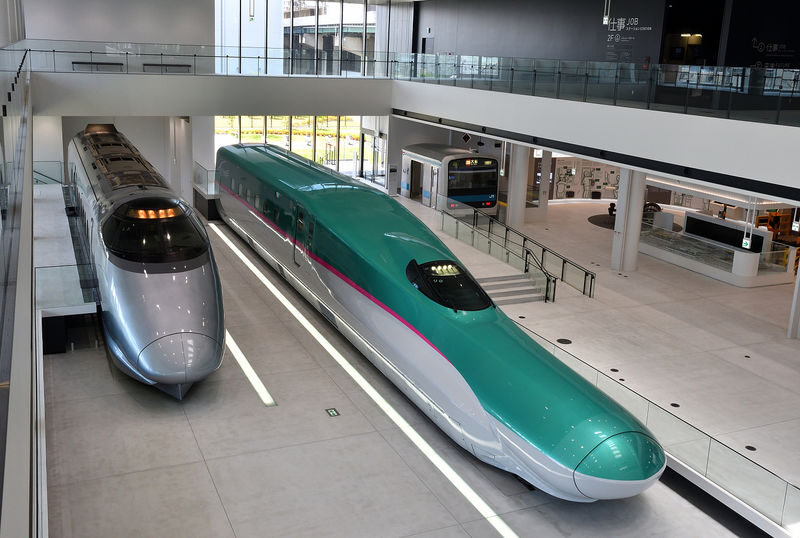
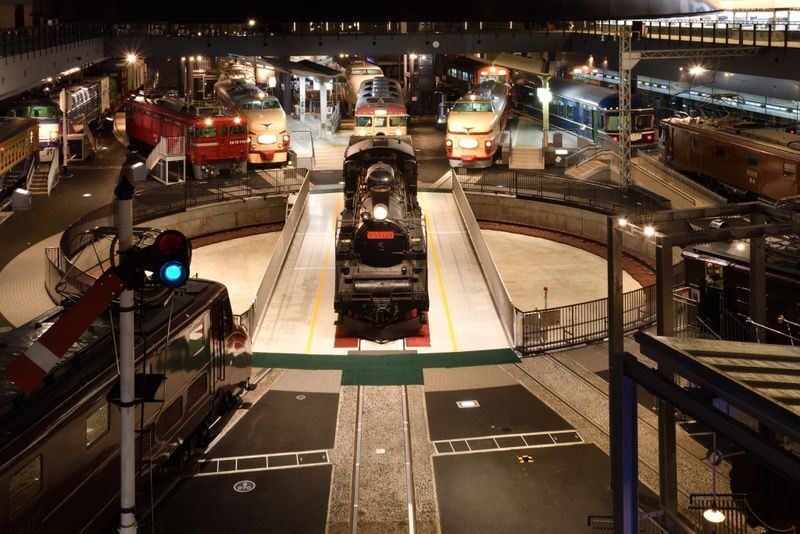
The collection of 42 railway vehicles is the museum’s biggest draw. Seeing full-size trains at close range gives you a sense of their scale that photographs and models cannot match. Some vehicles can be entered, while others are for viewing, so expect a mix of walk-through access and exhibits you explore from outside.
Look beyond the most familiar passenger trains. The collection also includes vehicles that show how railways carried goods, including refrigerated cars associated with transporting fish and produce. Those less glamorous workhorses help explain how the railway shaped daily life and commerce, not just holiday journeys.
The displays span different periods of Japanese railway development. For a train enthusiast, the variety and condition of the vehicles are a large part of the appeal. If you are visiting with a child, the sheer size and the chance to step inside some cars can make the history tangible without a long explanation.
Give yourself time here rather than rushing from one vehicle to the next. The collection fills a substantial indoor space and also includes outdoor displays. The outdoor area offers a change of pace, but the main attraction remains the chance to inspect real railway equipment at close quarters.
The museum’s five stations are Rolling Stock, Science, Job, Future and History. Think of them as different lenses, not separate attractions you must tackle in a fixed order. Together, they show how trains work, who keeps a railway running, how rail travel has developed and what might come next.
The Rolling Stock Station is the natural home for the vehicle collection. The Science Station uses hands-on displays to make railway ideas easier to grasp. The Job Station shifts attention to the work behind the journey, while the Future Station looks ahead. At the History Station, you can follow the development of railways and their place in Japan.
The Railway Cultural Gallery adds another layer. It uses materials collected over roughly a century of railway museum history to explore the links between Japanese railways and culture. That angle is useful if you are curious about more than engineering. Trains change how people travel, work and eat, and the museum gives those connections space.
Adults can take their time with the cultural and historical displays while children move between interactive stations. That split works well for families, though it also means you may need to agree on a pace. If one person wants to read every panel and another is eager for the mini train, set a few priorities before the visit.
The museum offers simulated railway operation through simulators and a mini driving train. These activities turn observation into participation, which is a welcome change after looking at rows of vehicles. They are especially appealing if your child wants a turn at the controls.
Do not assume every activity is included in the admission ticket. The ticket covers entry, and some activities may require separate payment. Ride or simulator availability can also involve advance arrangements. Check the museum’s current information and any relevant app instructions before you arrive, rather than counting on a particular activity being available when you reach it.
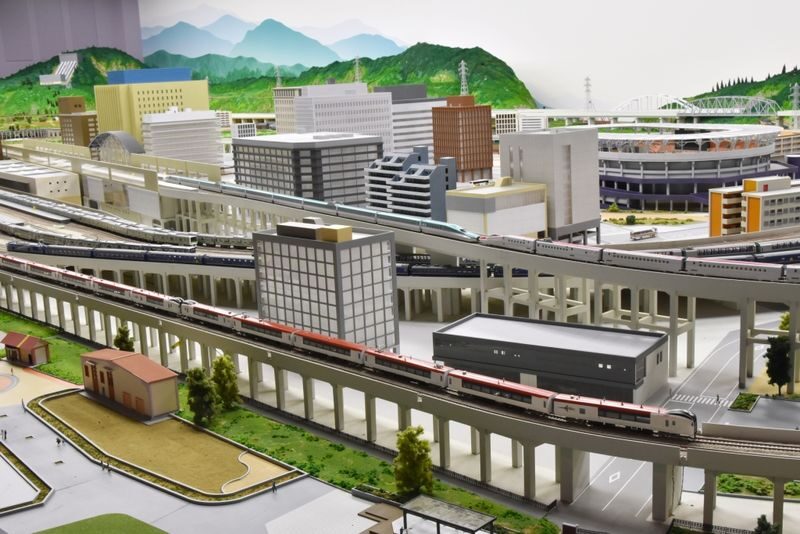
The museum’s railway diorama is described as Japan’s largest. It is an obvious stop for model-railway fans, but it can also be a good shared pause for adults and children. The miniature network gives you a different view of railway operations, with the detail and movement of a model world rather than the imposing scale of full-size cars.
If simulator access is a priority, make that one of your first checks. The space is extensive, and it is easy to spend longer than expected among the vehicles and exhibits. A little planning can help you avoid reaching a popular activity only to find you have not allowed time or made any required reservation.
The main building and south building each have rooftop observatories where you can watch Shinkansen and conventional trains pass. This is a fine way to connect the museum’s exhibits with the working railway outside. You are not just looking at a preserved past; you can also see trains in service.
The museum’s railway food culture is part of the experience, too. Station bento, or ekiben, is closely tied to Japanese rail journeys, and you can eat in a dining train. A meal inside a train car gives a visit a distinctly railway feel without requiring you to leave the museum.
There is also a children’s café and outdoor seating in a repurposed train car. These spaces matter if you are visiting with young children: a comfortable break can keep the day pleasant, rather than turning the exhibits into one long march. Food and seating options also make a longer visit more manageable.
The Railway Museum shop sells original goods available there. It can be a fun final stop if you want a small railway-themed souvenir, but leave room in your schedule to browse. The museum’s food and shop options add character; they are not a reason to hurry past the trains.
Plan on at least two hours for a quick visit, and consider four hours or more if you want to explore the exhibits, watch trains from the rooftops, eat and try hands-on activities. Families with children may want much of the day. A large play area and multiple activity choices can make it hard to leave on a tight schedule.
Railway enthusiasts have plenty to inspect, from the full-size vehicles to the historical and technical displays. But you do not need specialist knowledge to get something from the museum. Its range of themes and physical exhibits gives you several ways to connect, whether you care most about engineering, Japanese travel culture or simply seeing a train up close.
For families, the mix of play, interactive displays and full-size vehicles is the strongest selling point. For adults travelling without children, the history, cultural gallery, train collection and rooftop views provide a worthwhile visit, though the atmosphere can be lively when families are out in force. If you prefer a quiet museum, timing matters. Arriving around opening time may help you get started before the day builds, but school holidays and busy periods can bring crowds.
The museum is indoors for much of the visit, making it a practical choice on a rainy day. The outdoor vehicle area and rooftop observatories are weather-dependent, so leave those for a dry spell if conditions allow.
At a starting price of $9.49, admission is good value if you plan to spend several hours here. You get access to a large museum with 42 vehicles, five themed areas, interactive exhibits, a railway diorama and spaces for families to eat and play. That is a lot to see for an entry ticket, particularly if trains are already a point of interest.
Keep the distinction between admission and optional activities in mind. The ticket is for entry, and some experiences may carry an additional cost. If your main reason for coming is a simulator or ride, check current arrangements before you book. If you are happy to explore the collection and displays, the standard admission alone can fill a substantial visit.
The Advance Ticket and General Ticket are listed as package options. The supplied information does not specify a price difference, so compare the available options for your chosen date before purchasing. Buying through Klook offers QR-code entry, which can save you the step of buying an admission ticket at the counter. It may not be cheaper than an on-site ticket, so the main benefit is convenience.
The booking is date-specific, valid for one person and one visit. Children under three are admitted free. If you have a disability certificate, invitation ticket or another qualifying discount ticket, you do not need to buy this admission ticket in advance; purchase at the ticket counter instead.
The museum is open from 10:00 to 17:00, with last admission at 16:30. It is closed on Tuesdays and during the year-end and New Year holidays, though it may open during school holidays. Opening days and hours can change, so check the official museum information before setting out.
You can enter directly with your voucher. Have the QR code ready at the entrance. The online ticket is valid only on its selected date, and there are no cancellations or refunds, so choose your date carefully before confirming.
You can reserve up to six tickets in one application. Resale for commercial purposes is prohibited. If you are planning around a simulator or mini train, check the latest activity arrangements as well as the admission details. Those extra steps are most useful for a family visit, when a child may have one particular ride in mind.
Book it if you like trains, are travelling with children, or want an indoor Saitama outing with more substance than a quick photo stop. The strongest reasons to go are the full-size vehicles, the chance to enter some of them, and the useful blend of railway history, hands-on learning and family facilities.
Allow more time than you think you need if you want to try the rides, eat in a train car and see the exhibits at an easy pace. If you have only a short window or are mainly interested in one activity, check its availability before you commit. For a modest admission price and a broad mix of things to see and do, this is an easy choice for railway fans and a strong family day out.
“It was very easy because I could enter simply by showing the QR code at the reception desk!”
It is in Taiseicho, Omiya Ward, Saitama City, Saitama Prefecture, Japan.
The listed price starts at $9.49. The final price may depend on the ticket option and date you select.
The suggested visit duration is two to four hours. You may want longer if you are visiting with children or plan to explore the exhibits and activities at a leisurely pace.
The museum is open from 10:00 to 17:00. Last admission is at 16:30.
It is closed on Tuesdays and during the year-end and New Year holidays. It may open on Tuesdays during school holidays, so check the latest schedule before you go.
Yes. Children under three are admitted free.
Yes. You can enter the venue directly with your voucher. The ticket is valid for one person, one visit and the date selected when booking.