Physical Address
304 North Cardinal St.
Dorchester Center, MA 02124
Physical Address
304 North Cardinal St.
Dorchester Center, MA 02124

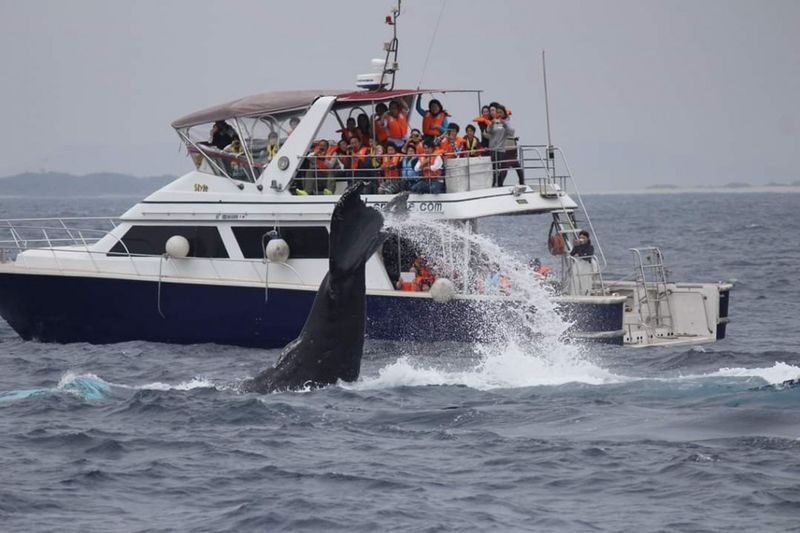
Watch Okinawa’s winter humpbacks near the Kerama Islands, with Naha or Chatan departures, multilingual support, and practical advice on sea conditions.
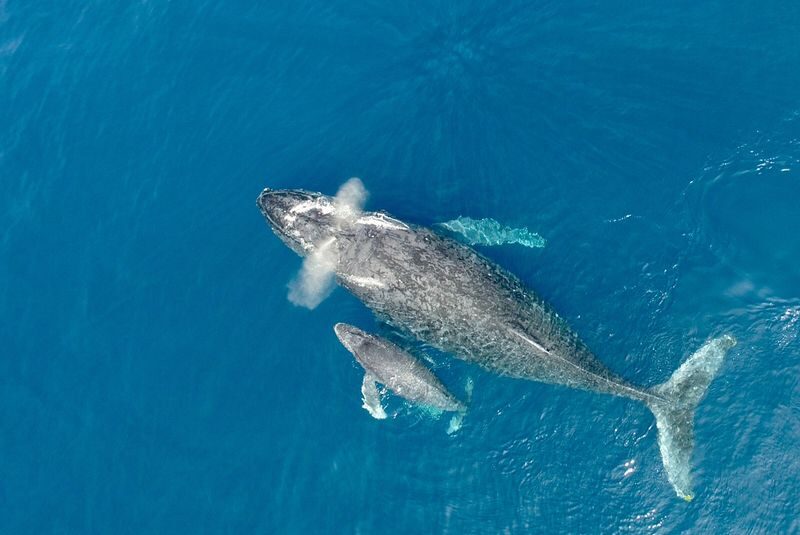
A humpback’s back breaks the surface, a spout rises, and the boat slows while everyone scans for the next appearance. This is the draw of Okinawa’s winter whale-watching trip: a chance to see wild whales in the sea around the Kerama Islands, sometimes with calves, without knowing exactly what the next few minutes will bring.
I like two things about this outing. First, it gives you up to three hours at sea to look for whales, with a captain who uses years of experience to find them. Second, the Naha options can include a shuttle, and multilingual staff and a digital audio guide help make the trip easier to follow.
The trade-off is the sea itself. Winter water can be rough, the boat may feel crowded, and no one can promise a sighting or a spectacular breach. If you are prone to seasickness, prepare before boarding rather than hoping the ride will be gentle.
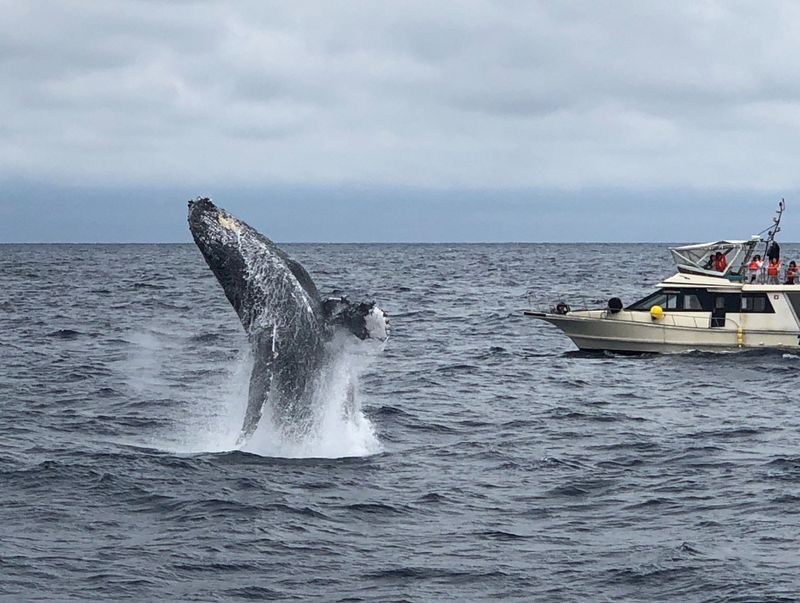
The tour sails from Okinawa toward Kerama Islands National Park, a marine area where humpback whales gather in winter. The outing is built around watching for wild animals, not around a fixed performance schedule. The captain searches using local experience, but whales choose when and where to surface.
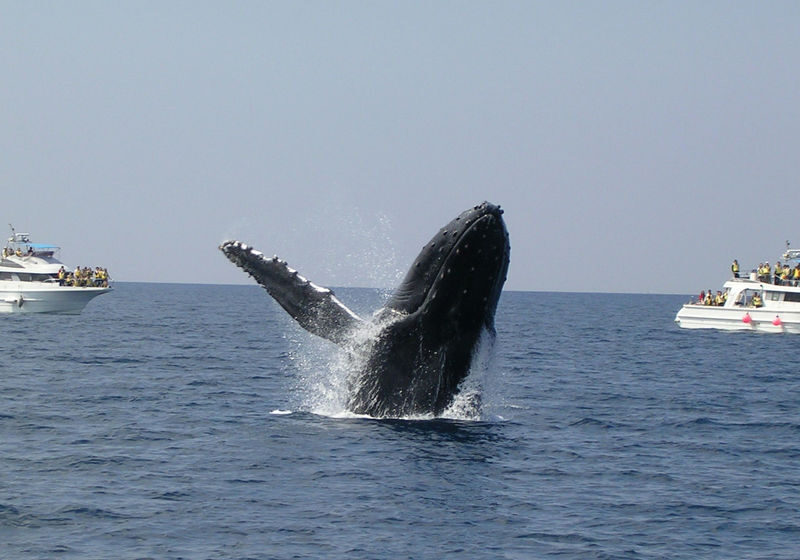
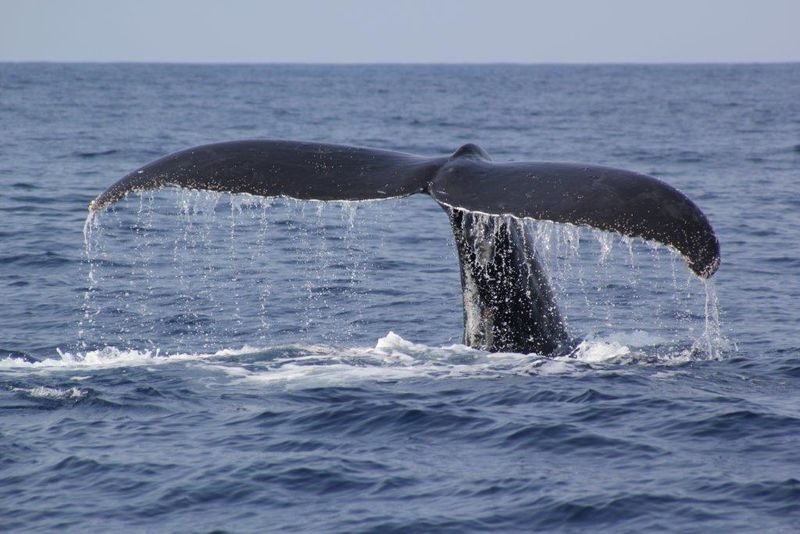
That uncertainty is part of the appeal, and part of the risk. Some trips find whales soon after reaching the area; others involve a long search and a brief glimpse. You might see a spout, a back, or a tail, or be lucky enough to watch a whale breach or a mother and calf moving together. No particular behavior is assured.
The operator says whales usually appear during the season, but there are days when none are found. The general policy is that a missed sighting does not bring compensation. Special no-sighting terms apply to certain dates, so check the conditions for your chosen day rather than assuming every booking has a sighting guarantee.
The advertised activity lasts about four and a half hours, with the morning schedule generally running from around 7:45 to noon. Naha shuttle pick-ups are staggered across designated locations, with times listed from roughly 7:45 through 8:20. The boat is scheduled to leave the port around 9:00, though the precise timing can shift with the number of participants and the day’s arrangements.
If you choose Naha, confirm your exact pick-up location and time before the tour. The free shuttle uses fixed points, and your return drop-off is the same place where you were collected. You must wait outside the hotel entrance when that is the designated meeting point, not in the lobby. The shuttle is a useful convenience, but it is not a private transfer: on busy days, you may wait at the port before boarding or after returning while the operator moves people in order.
Chatan is another departure option and may suit you better if you are staying nearby. The available packages differ, including transport arrangements and language support. Check the details for the specific option you book; the Naha shuttle information does not automatically apply to a Chatan departure.
Arrive at the assigned meeting point at least five minutes early. If you miss a shuttle, you may have to make your own way to the port, and missing the boat because you arrived late does not qualify for a refund or a new date. Keep large bags at your accommodation or in your vehicle: there is no luggage storage at the venue, and the shuttle and boat have no room for bulky luggage.
Once the boat leaves port, the main activity is the search. The sailing portion can last up to three hours, though the boat may return earlier if whales are found and the crew considers the viewing complete. After a sighting, viewing time is generally about an hour, but the captain can shorten or adjust the outing because of sea conditions, the whales’ behavior, or passengers’ physical condition.
That means the listed duration is a planning window, not a promise of a full three-hour whale show. One trip might find whales quickly and offer an extended look; another may spend most of the time searching. If you are deciding what to do with the rest of your day, leave some flexibility around the return, especially if you have a timed connection or reservation.
When whales appear, keep your eyes on the water. A surface appearance can be brief, and even a successful trip may consist of spouts, backs, or tail flukes rather than a dramatic leap. The crew may reposition the boat to improve viewing, but passengers’ places and sight lines can depend on the boat and conditions that day.
The vessel’s type and size can vary with the number of bookings. Some outings have felt crowded, with limited room for everyone to stand or sit where they can see. If a clear view matters to you, be ready to shift position when asked and follow crew directions rather than trying to claim a spot that blocks someone else.
Japanese- and English-speaking staff are included, and Chinese-speaking staff are available on relevant packages. A digital audio guide can be downloaded to your phone and offers explanations in English, Chinese, Japanese, and Korean. This gives you a way to follow basic information about the whales and their environment, even if the live commentary on your boat is in another language.
The experience can be less structured than a land-based tour. The boat may carry people who speak different languages, and the amount of live explanation you understand can vary by package and crew assignment. Download the audio guide in advance if you plan to use it, and bring a charged phone. You are going out to watch whales, not to sit through a long lecture, but useful context can make a spout or fluke more meaningful.
Staff provide a safety briefing, and the life jacket must stay on as directed. The crew may refuse participation if someone ignores safety instructions. This is sensible on a moving boat, where a sudden roll or a quick shift in position can catch you off guard.
The Naha shuttle can make an early start much easier if you are staying near one of its designated pick-up points. It is included in some Naha packages and costs no extra, but it runs on a fixed route and may involve waiting. If you have your own transport and prefer to control your arrival, a self-arranged Naha option is also available.
The Chatan package is worth considering if it is closer to where you are staying. A shorter trip to the port can be more valuable than a shuttle, especially before an early departure. The available Chatan option is described as having Japanese and English support, so check whether that suits your needs.
If family or friends book separately, contact the operator with the reservation details or use the same representative name. Otherwise, your party may be assigned to different boats, with no guarantee the assignments can be changed on the day. It is a small planning step that can save a frustrating split at the port.
Prices begin at $31.59, which is an accessible starting point for a half-day boat trip in a national park. The actual price and what is included depend on your departure and package choice. Compare the Naha shuttle options with self-arranged transport, and consider whether a Chatan departure would save enough time to justify its price.
The tour’s value depends heavily on what you want from it. If you see whales, especially a mother and calf or a close surface appearance, the price can feel modest for a rare wildlife encounter. If the boat searches for hours without finding one, you have still spent the time and money for a sea outing, but the central reason for booking has not happened. That is the honest gamble.
Do not read the starting price as a promise of a private, spacious boat or a close encounter. Boat size varies, and the view can be affected by crowding, the height of a covered deck, and where you are standing. If comfort and space matter more than the lowest fare, look closely at the available package details and understand that the vessel itself can still vary.
Okinawa may be warm in other seasons, but winter whale watching can mean higher waves and a boat that rocks hard while it waits or slows to search. Bring warm layers and waterproof clothing, along with sunglasses, a towel, and water. Avoid high heels, which are unsuitable on a moving deck.
If you are prone to seasickness, take your usual motion-sickness medicine in advance and follow its directions. Some packages advertise medicine, but availability can vary, so do not rely on every option providing it. Crew may have sick bags, but those are a backup, not a substitute for preparation. A light meal rather than a heavy one is a sensible choice before a rough crossing.
Rain alone does not always stop the trip. If the captain considers the wind and waves safe, the boat may sail in wet weather. Conditions can change, however, and a trip can be canceled close to departure, even at check-in. If there is no cancellation notice, expect the activity to proceed as planned.
The operator does not accept pregnant participants for safety reasons, and a person refused boarding on that basis is not entitled to a refund. Young children and older adults may also be refused boarding depending on the waves and wind. The boat cannot accommodate wheelchair users, and child seats are not available. Children aged two and under are free, but they must still be included in the passenger count.
This outing suits you if you are excited by wildlife and can accept an uncertain result. Families with older children who can manage a rocking boat may find it a memorable way to learn about whales together. The guides and audio explanations add context, while the open-ended search gives the trip a sense of discovery.
It is a less comfortable choice if you get seasick easily, need a guaranteed close view, or have a tight schedule afterward. The ride may be rough, the boat may feel crowded, and some sightings are brief or distant. You should also think carefully about the early start and the winter conditions if you are traveling with small children or an older relative.
The provider has a minimum group size of 10. If that number is not met, you can book another date or request a full refund. Cancellation by you is eligible for a full refund when made at least 72 hours before the activity, while weather cancellation by the operator offers a reschedule or refund. Booking changes are generally allowed until 72 hours before the start, subject to the stated exceptions.
Book it if a chance to see wild humpbacks is worth an early morning and a potentially rough ride. I especially like the combination of a long search window, multilingual support, and the option of a Naha shuttle, but the experience is only as predictable as the sea and the whales allow.
Before you pay, choose the departure port that fits your hotel, confirm whether your package includes a shuttle or motion-sickness medicine, and check the no-sighting terms for your date. Pack light, dress for spray and wind, and leave your schedule open after the tour. If you can make peace with the possibility of only seeing a spout or tail, this is a worthwhile wildlife outing. If you need guaranteed action and a smooth ride, choose something on land instead.
“This whale watching trip required good weather. Unfortunately, the boat searched for three hours but couldn't find any whales. We still received a …”
The full activity takes about four and a half hours, with the morning schedule generally running from around 7:45 to noon. Time at sea is up to three hours, and the boat may return earlier if whales are spotted.
Yes. The tour has departure options from Naha and Chatan. Shuttle service is available for designated Naha packages, while the Chatan option has its own departure arrangements.
No. Whales are wild animals, and the operator says there may be days when none are seen. The general policy does not provide compensation for a missed sighting, though special terms apply to certain dates. Check the terms for your booking date.
Japanese-, English-, and Chinese-speaking staff are included in relevant tour arrangements. A digital audio guide is available in English, Chinese, Japanese, and Korean.
Bring sunglasses, a towel, and a water bottle. Wear warm and waterproof clothing, and avoid high heels. If you are prone to seasickness, take motion-sickness medicine in advance.
There is no luggage storage at the venue, and large bags cannot be taken on the shuttle or boat. Pregnant participants are not accepted for safety reasons, and wheelchair users cannot be accommodated on the boat.