Physical Address
304 North Cardinal St.
Dorchester Center, MA 02124
Physical Address
304 North Cardinal St.
Dorchester Center, MA 02124

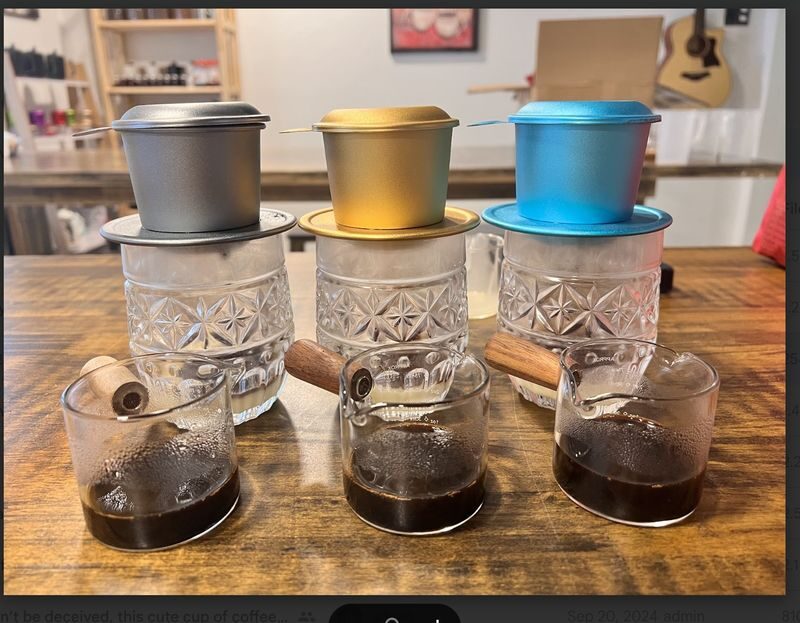
Make four Vietnamese coffees in a two-hour Saigon workshop, from egg coffee to sea salt foam, with a barista guiding each step.
Vietnamese coffee is more than a strong pour over ice. In this two-hour workshop, you make four distinct cups, including creamy egg coffee and sea salt coffee, with a barista showing you how the layers and textures come together.
I like that the class pairs hands-on brewing with a short introduction to Vietnamese coffee culture, and that you leave with recipes and a certificate. Instructors named Sarah and Lady La have led sessions, though your teacher may differ.
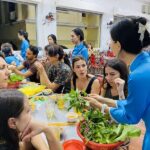
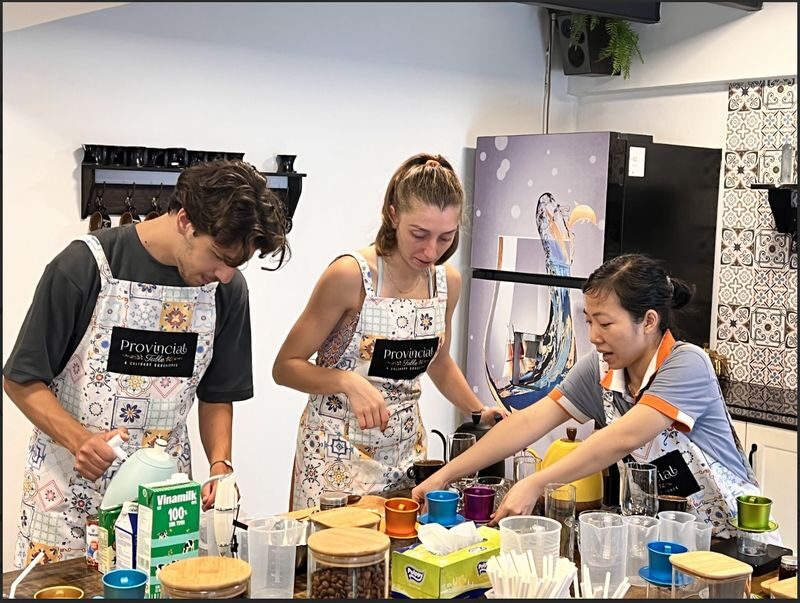
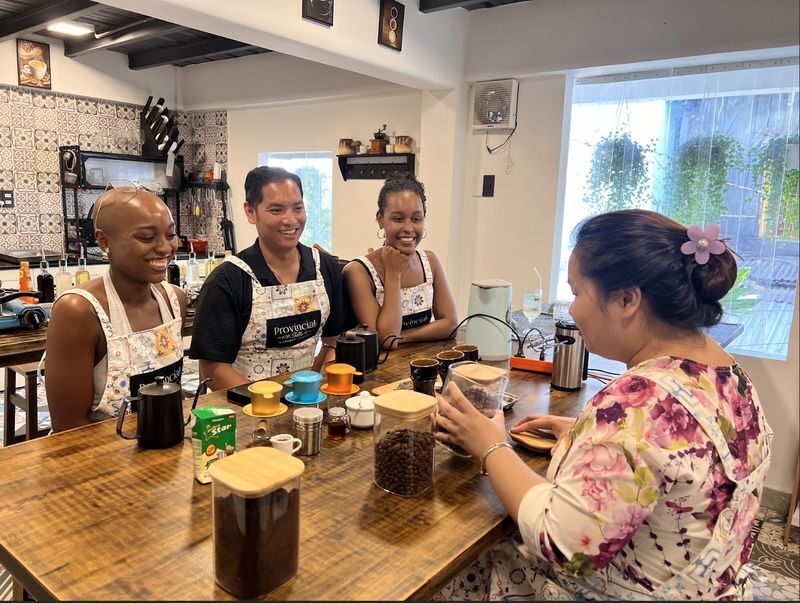
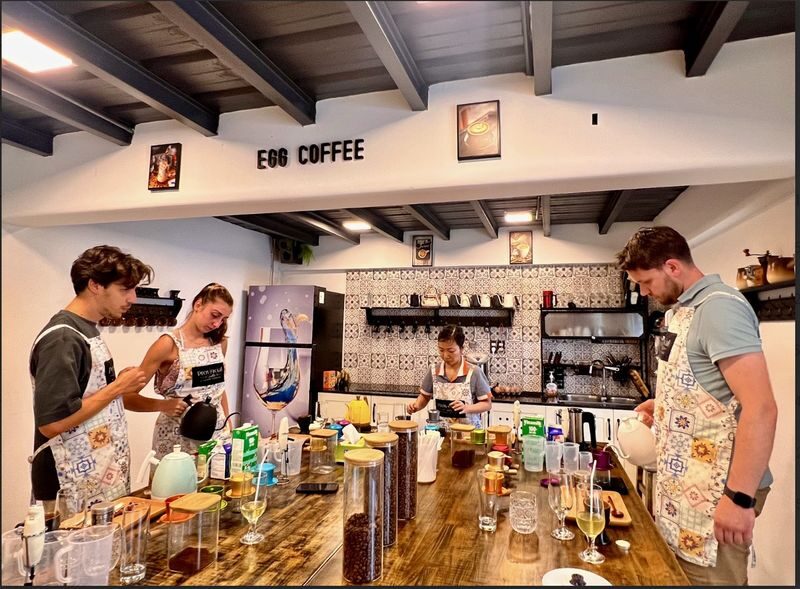
The main caution is crowding: some sessions have had around 20 to 24 people in a small room. That can make it harder to move, get individual help, or handle each ingredient yourself.
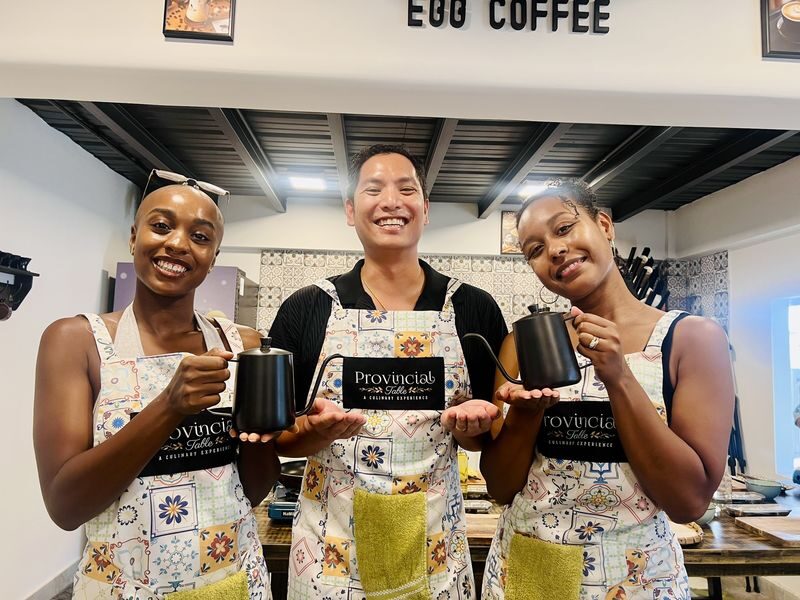
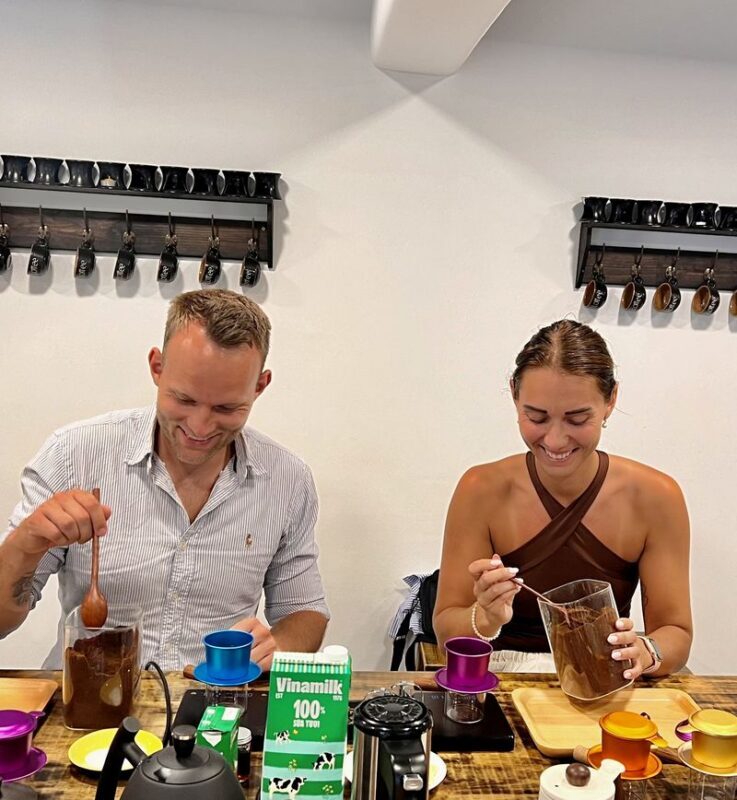
The class takes place at The Provincial Table Cooking Class, at 131/3 Nguyen Thi Minh Khai in District 1. The address is central, but you’ll need to make your own way there: hotel pickup and transport are not included.
The opening part covers the origins of coffee in Vietnam and the cultural influences that shaped local brewing and serving styles. That context makes the practical steps more meaningful. You are not just copying a recipe; you are learning why Vietnamese coffee is often brewed strong, paired with sweet or creamy ingredients, and served in a way that makes the drink’s texture part of the pleasure.
Then the barista introduces the tools and ingredients. A traditional phin filter is the key piece of equipment: coffee steeps and drips through the small metal filter into the cup. You’ll learn how to use it, rather than relying on an espresso machine or a quick pour-over.
This is an approachable format for beginners. You do not need barista training, and the instructor demonstrates the process step by step. The class is in English and Vietnamese, though the exact instructor and teaching style can vary by session.
Looking for more options in Ho Chi Minh? Here are some other experiences worth considering.
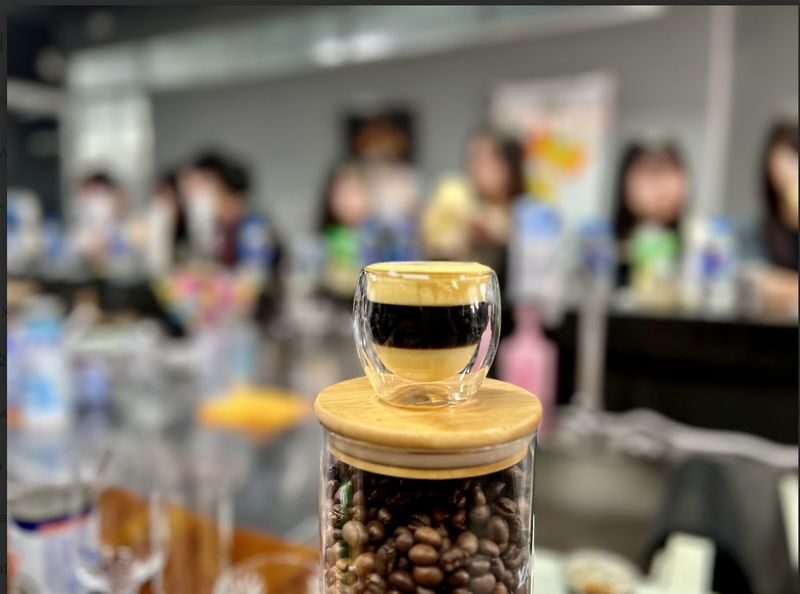
Egg coffee is one of the most memorable drinks on the menu. The workshop teaches you to prepare the egg foam and pair it with brewed coffee. The result brings together a strong, bitter base and a soft, sweet topping, with the layered presentation making the contrast easy to see before you take a sip.
That visual element is part of the lesson. The class puts attention on technique and presentation, so you learn not only how to make the drink but how to build a cup that looks as considered as it tastes. For anyone who has ordered egg coffee in a café and wondered how the foam stays so smooth, this is a chance to see the method close up.
The exact amount of individual practice may depend on the size of your group. When the room is crowded, you may have less space to move and fewer chances to handle every step without waiting. If hands-on time matters more to you than simply watching a demonstration, ask about expected class size before booking.
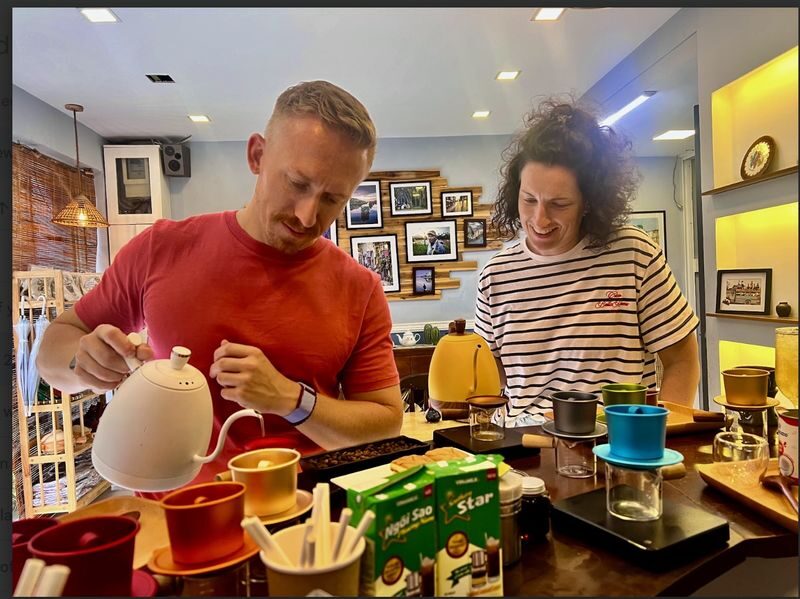
The second drink is dark roast coffee with condensed milk, usually served over ice. Here the lesson is about balancing an intense coffee with sweetness. You’ll see how the familiar mix becomes a distinct Vietnamese style, and you can compare it with the egg coffee rather than treating both as versions of the same drink.
Coconut coffee offers a gentler, creamy contrast. The coconut element changes the body and flavor of the drink, while the coffee remains its backbone. It is a useful cup for noticing how a single ingredient can shift the taste and texture without changing the basic brewing method.
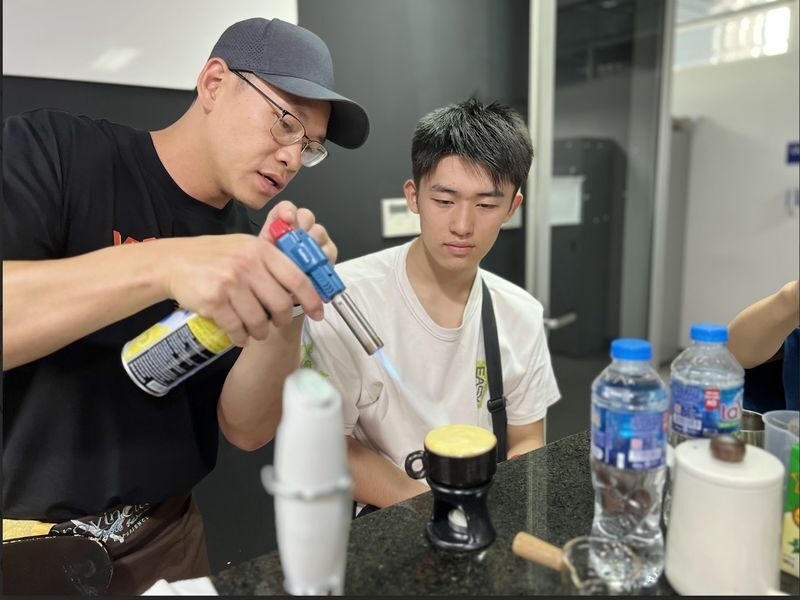
Sea salt coffee is the most surprising combination for some people. Salted foam softens the bitter edge of coffee and adds a savory note. The aim is balance, not a salty drink, and the class gives you a chance to taste how that contrast works.
You prepare four styles over two hours, so expect a lively pace. The focus is on core methods and flavor contrasts, not a long technical course in coffee roasting or professional café service. You’ll come away with useful home recipes, but the session is best understood as a cultural and practical introduction.
A good instructor makes a real difference in a workshop like this. Past sessions have been led by Sarah, Lady La, Lucy and other instructors. People who enjoyed the class often describe the teaching as clear, funny and patient, which helps if you feel unsure about getting involved or have never used a phin filter.
The downside is that a warm, capable instructor cannot make a cramped room feel spacious. Some sessions have had close to 20 or more participants seated at a long table, with limited room to shift around. In a group that size, shared ingredients and equipment can mean waiting, and individual guidance may be brief.
That is the key trade-off to weigh before booking. If you are happy to learn in a lively group and do not need constant one-to-one instruction, the social setting may suit you. If you want a quiet, small-group lesson where you can take your time with every step, this may not be the right fit.
The supplied prices show a starting rate of $17.49, while the named four-coffee workshop package is shown from $21.85. Check the price for your chosen date and package before paying, since the two displayed starting prices differ.
The package includes the group workshop, all necessary materials, step-by-step instruction, recipes and a certificate. You are paying for the chance to make and taste four styles with a barista, plus an introduction to the brewing method and coffee traditions. For a two-hour indoor activity in central Ho Chi Minh City, that can be worthwhile if you are interested in Vietnamese coffee and expect to take the recipes home.
It is less compelling if you mainly want a quick caffeine stop or a highly individualized class. The value depends on your interest in learning and on how much hands-on time your particular group allows. Transport, hotel pickup, personal expenses and tips are not included.
Sessions run from 09:00 to 11:00, 12:00 to 14:00, or 15:00 to 17:00. Arrive ten minutes before your booked start at 131/3 Nguyen Thi Minh Khai, in Ben Thanh, District 1. Late arrivals may not be allowed into the class, and latecomers or no-shows are not refunded.
You will make four coffees, so consider the timing if caffeine affects your sleep. A morning session may be a sensible choice if you would rather not drink coffee late in the day. The workshop is open to participants aged seven and up; pets are not allowed.
The class ends at the same address. No transport is provided, so plan your own route to and from the venue. Your mobile voucher is used for entry, and the voucher is valid only for the date and time booked.
Book it if you want more than a café tasting and like the idea of learning a few methods you can repeat at home. The four drinks offer a handy introduction to Vietnamese coffee’s range, from the sweet, familiar condensed milk version to the more unusual egg and sea salt cups. The barista-led format and included recipes make the class especially useful for curious beginners.
Think twice if personal space and individual instruction are priorities. Group size has varied, and crowded sessions can limit how much room and attention each person gets. If that trade-off sounds acceptable, this is a practical, enjoyable way to spend two hours in District 1. If it does not, try a smaller workshop or order the coffees in cafés at your own pace.
“This is really fun activity specially with friends. Our barista/instructor was very hands on. She was also funny which made the atmosphere not inti…”
The workshop lasts two hours.
You’ll make egg coffee, dark roast condensed milk coffee, coconut coffee and sea salt coffee.
It meets at The Provincial Table Cooking Class, 131/3 Nguyen Thi Minh Khai, Ben Thanh, District 1, Ho Chi Minh City.
The available sessions are 09:00 to 11:00, 12:00 to 14:00, and 15:00 to 17:00. Availability can vary by booking.
No. Hotel pickup, drop-off and transport are not included.
The group workshop, necessary materials, step-by-step guidance, recipes and a certificate are included.
Participants must be at least seven years old. Pets are not allowed.