Physical Address
304 North Cardinal St.
Dorchester Center, MA 02124
Physical Address
304 North Cardinal St.
Dorchester Center, MA 02124

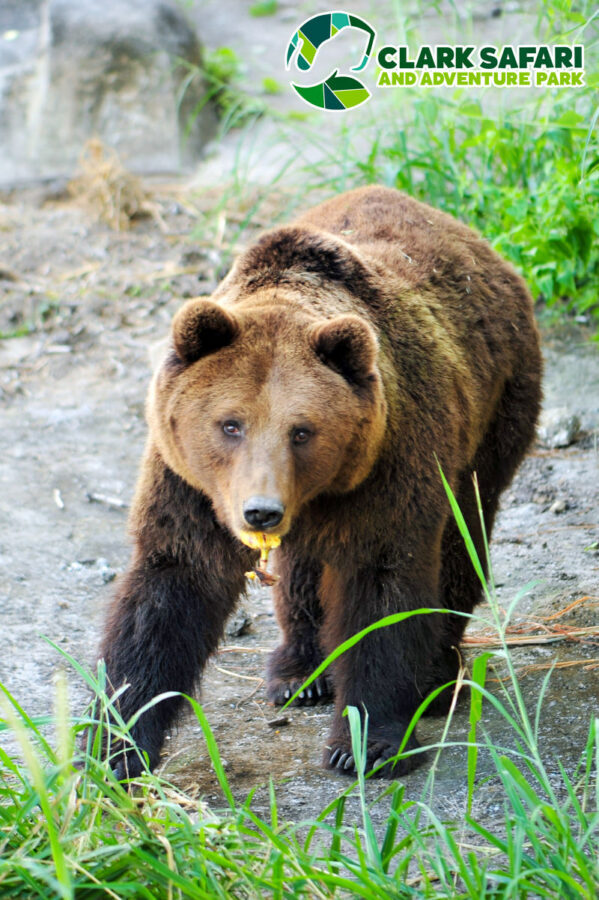
Plan a Clark Safari visit with practical advice on animals, timing, family value, ticket rules, heat, and what to expect across the 40-hectare park.
Clark Safari and Adventure Park spreads across 40 hectares in Clark Freeport, with big cats, bears, monkeys, farm animals, and more. For families, the chance to see animals up close and take a roomy outdoor outing makes this more than a quick stop.
I like two things in particular: the family-friendly animal encounters, including feeding only when staff allow it, and the freedom to spend a few hours exploring at your own pace. Admission starts at $9.55, so it can be an affordable Clark outing.
The trade-off is that the park may feel unfinished in places. Animal visibility, enclosure upkeep, signs, shade, and staff assistance can vary, so set expectations for a developing attraction rather than a polished safari operation.
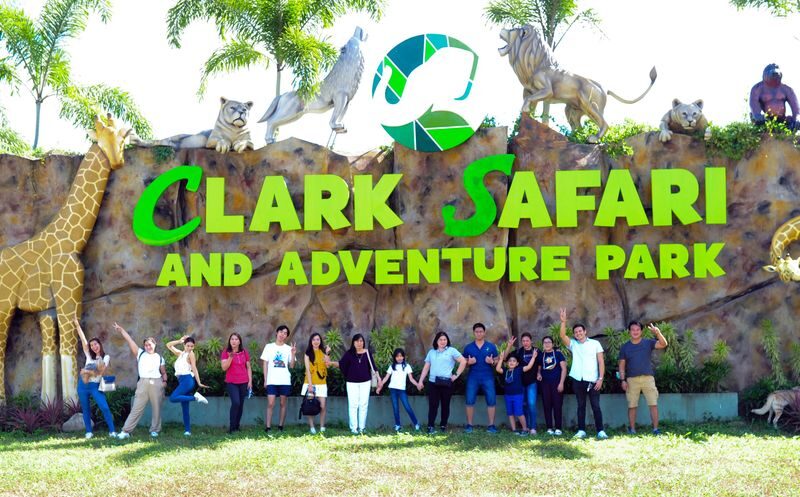
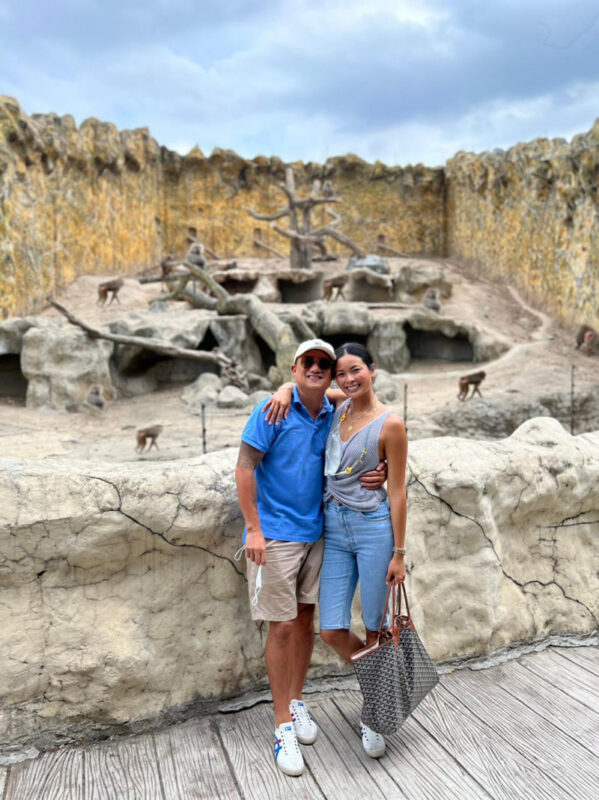
This is a family outing built around walking, animal viewing, and a change of pace from Clark’s other attractions. The park is described as home to more than 1,500 wildlife species, with lions, tigers, bears, monkeys, and many more. Some families also report seeing animals such as meerkats, ostriches, reptiles, and a liger.
That variety gives children plenty to look for, but it does not guarantee that every animal will be visible or every enclosure occupied. Some areas may be empty, and animals may be resting or out of sight. Think of the visit as a chance to explore an expansive zoo-style park, not a tightly timed safari with a guaranteed animal parade.
The ticket is for admission. It does not include a guide, transport, meals, or drinks. Staff may supervise animal interactions, but you must not feed animals without permission. If a feeding opportunity matters to your family, ask staff what is allowed and what it costs before you commit.
You might also be interested in these Mabalacat experiences
The park is open daily from 8:00 a.m. to 6:00 p.m., with last admission at 4:00 p.m. If animal viewing is your priority, I would aim for the morning. Families arriving around 11 a.m. have found that some animals were already asleep or hiding, and an early start also helps you avoid the strongest afternoon heat.
Late afternoon is another option if you cannot get there early. Some families recommend arriving from about 4 p.m. for cooler conditions, but that leaves a shorter window before closing. Since the grounds are large, a late visit may mean choosing a few areas rather than trying to see everything.
The time you need depends on your pace. Two hours may be enough for a brisk visit, while three or four hours gives you more room to pause with children, look for animals, and explore. One family found the whole area manageable in about two hours, but another group did not finish because rain interrupted the visit. Build in flexibility rather than treating the park as a fixed-length tour.
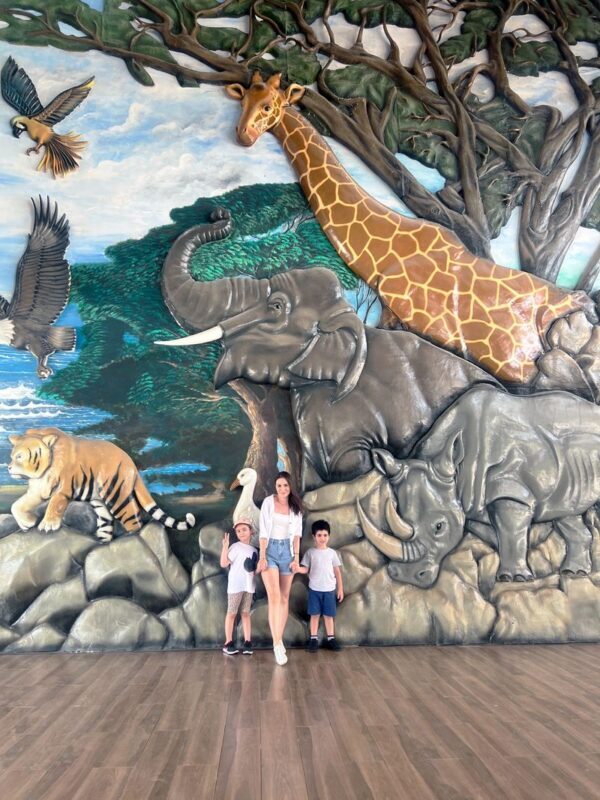
The appeal here is proximity. You can look for large animals such as lions, tigers, bears, and other wildlife, then take your time at the exhibits that interest your group. For children, that can turn a simple walk into a game of spotting different animals and comparing their size, movement, and habits.
There is no guarantee that every animal will be active. Animals may be asleep, hiding, or not visible through the viewing panels. Some people have also found empty enclosures, dirty glass, or areas that feel unfinished. That matters most if you are making the trip for a particular animal or expect a packed, polished zoo. Keep expectations open and let the outing be about what you can see on the day.
Concerns about animal care deserve attention, too. Some visitors have described animals as tired or enclosures as untidy, while others felt the animals looked well cared for. I cannot settle that question for you from the information available. If animal welfare is central to your decision, go with an open mind, observe conditions yourself, and consider whether the experience feels right for your family.
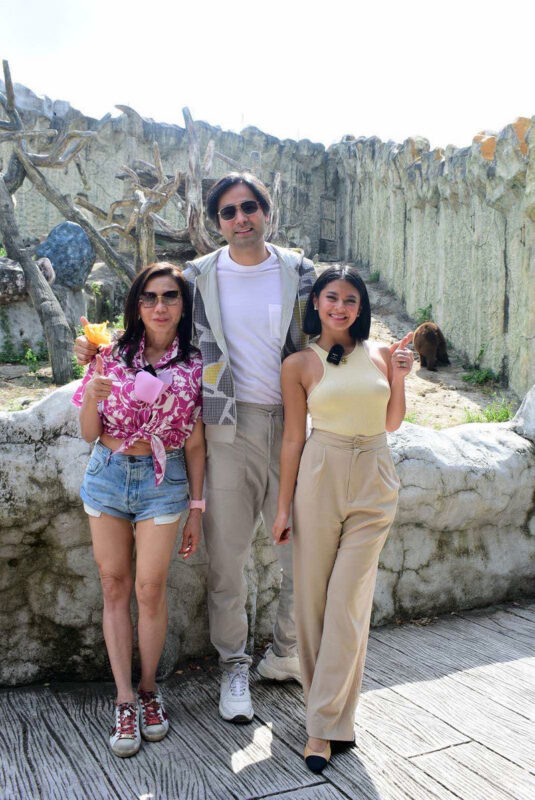
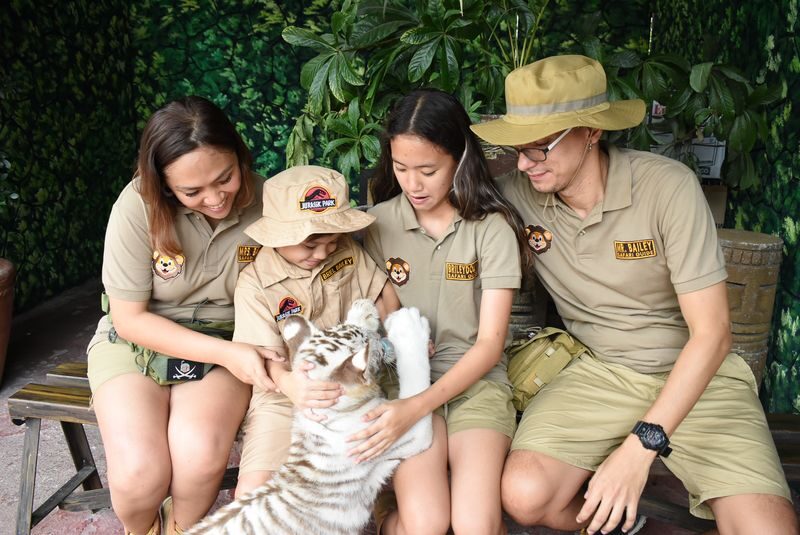
The park offers the possibility of interacting with and feeding some animals under staff supervision. That can be a memorable moment for a child, but feeding is not a do-it-yourself activity. Do not bring food for the animals or feed them unless a staff member gives permission.
The admission ticket does not promise a particular interaction, and extra activities may carry separate charges. One visitor described animal feeding and bird-photo opportunities as expensive, so check the cost before taking part. A separate 4×4 safari ride was also described as a costly add-on at 4,500 Philippine pesos. That amount comes from a visitor’s account, so confirm current pricing directly before budgeting for it. The basic ticket does not include that ride.
A little patience helps here. If staff are busy or an activity is unavailable, you still have the animal-viewing areas to explore. Treat interactions as a possible bonus, not the reason to book.
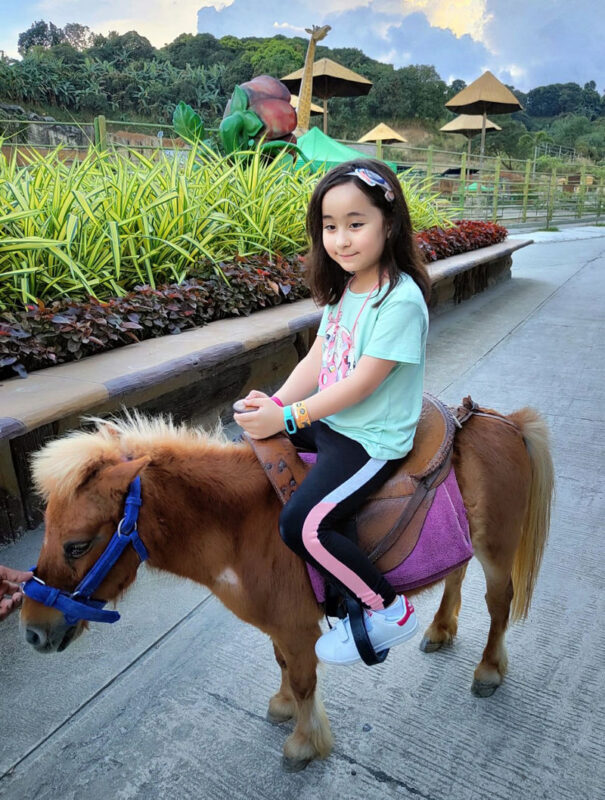
A large site sounds like a promise of plenty to see, but it also means you may walk between exhibits and need to work out your own route. Some visitors have found signs and directions unclear, and one family only discovered more animals upstairs after a staff member guided them. If you are unsure where to go next, ask staff rather than assuming you have reached the end.
You may see photo spots and animal-themed sculptures along the way. These can offer a break from looking through enclosures, though some visitors have felt the park relies too much on photo opportunities in areas with fewer animals. The mix will suit children who enjoy exploring and taking pictures; it may disappoint anyone expecting a continuous series of close animal encounters.
The site is stroller- and wheelchair-accessible, which is useful for families and visitors who need step-free access. Still, accessibility does not remove the challenge of covering a wide area. Choose a comfortable pace and take breaks when needed.
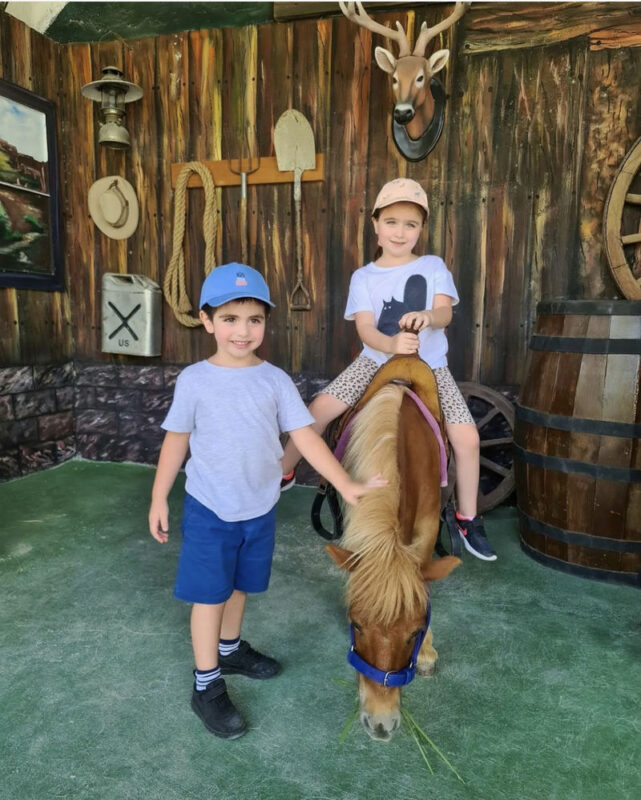
This is an outdoor activity, and the heat can shape the day. In summer, bring water, hats, portable fans, and spare clothes for children. A visitor also suggested towelettes for hot-weather visits. Shade may be limited in some areas, including near the parking area, so plan for sun rather than assuming the whole route is protected.
Food and drink are not included. Food choices inside the park have been described as limited, so eat before you arrive or bring enough money to buy what is available. Because meals and beverages are excluded from the ticket, do not assume the entry price covers a full day’s refreshments.
Parking is available, according to visitors, but transport to the park is not included. The address is 67 Jose Abad Santos Ave, Clark Freeport, Mabalacat, Pampanga. If you are planning a wider Clark day, nearby alternatives include Zoocobia and Dinosaurs Island, while Aqua Planet is another outing in the area. Those are separate attractions, not part of your safari admission.
Admission starts at $9.55, which is a modest starting price for a family activity that can fill two to four hours. The value is strongest if you have children who enjoy animals, outdoor walks, and the possibility of supervised interactions. A few families have found the ticket worthwhile, and children are a recurring reason parents choose the visit.
The price buys access to a large park, not a complete safari package. You pay extra for transport, food, and personal expenses, and certain activities may cost more. The potential 4×4 ride is an example of why it pays to separate the ticket price from the cost of a fully built-out day.
Value also depends on what you expect. If you want a low-cost family outing and can enjoy the animals that happen to be visible, the ticket may make sense. If you expect every enclosure to be occupied, polished facilities, a clear route, or a full program of shows, the experience may feel thin. The park is still developing, and that difference between promise and delivery is worth weighing.

You can book for the following day, and confirmation is instant. The voucher remains valid for 180 days from booking confirmation and expires at 11:59 p.m. on its final day. To enter, show your mobile voucher at the venue.
Children who are 2 feet tall or below enter free. If you book a child ticket for a child taller than 4 feet, you must upgrade to an adult ticket and pay the difference at the park’s ticketing office. Check your child’s height before booking so the ticket type does not become a surprise at the entrance.
The ticket is non-cancellable and non-refundable. That makes it sensible to book only when your plans are firm, even though the voucher has a long validity period.
I would consider it for a family already spending time in Clark, especially if the children are keen to see animals and you have a few flexible hours. Arrive early, bring water and sun protection, and ask staff about the route and any extra-cost activities. Those small choices can make a large, sometimes confusing park easier to manage.
I would pause if your main concern is animal welfare, if you need a highly polished attraction, or if your schedule leaves only a short visit late in the day. Conditions and animal visibility can vary, and there may be unfinished or empty areas. Book for an affordable, open-ended family outing, not for a guaranteed safari ride or a perfect zoo experience.
“Easy to use, just scan the QR code to enter.”
Plan for about 2 to 4 hours. Your pace, the weather, and how long you stop at each animal area will affect the visit.
The park is open Monday through Sunday from 8:00 a.m. to 6:00 p.m. Last admission is at 4:00 p.m.
The package includes one Clark Safari and Adventure Park admission ticket. Transport, meals, beverages, and personal expenses are not included.
Present your mobile voucher at the venue and enter directly with it.
Children who are 2 feet tall or below enter free. If you book a child ticket for a child taller than 4 feet, you must upgrade to an adult ticket and pay the price difference at the ticketing office.
Only feed animals when staff give permission. Some interactions may take place under staff supervision, but feeding is not automatically included with admission.