Physical Address
304 North Cardinal St.
Dorchester Center, MA 02124
Physical Address
304 North Cardinal St.
Dorchester Center, MA 02124

Compare Jeju’s East, South, and WestSouth day tours, with guided nature stops, admission fees included, and practical pickup and route advice.
Seongsan Ilchulbong’s steep volcanic cone, a lava tunnel, and Jeju’s old village traditions make a full day here far more than a scenic drive. This join-in tour lets you pick an East, South, or WestSouth route, then leaves the roads, parking, and admission arrangements to someone else.
I like two things especially: admission fees and transport costs are included, and the tour has no shopping stops. You also get several central Jeju pickup and drop-off options, including the airport, which helps if you are heading straight from a flight.
The trade-off is a long, tightly planned day. The East route can include a cave, a folk village, Seongsan, a museum or haenyeo show, and a farm, so you may need to choose where to spend your energy. Also, the published summary says one hour, but the actual schedule runs from around 8:00 a.m. to 5:45 p.m.
This is not one fixed island circuit. The operator offers three different routes, each aimed at a different part of Jeju and a different mix of sights. Check the exact option when booking, because the detailed stop-by-stop schedule below applies to the East route, not automatically to all three.
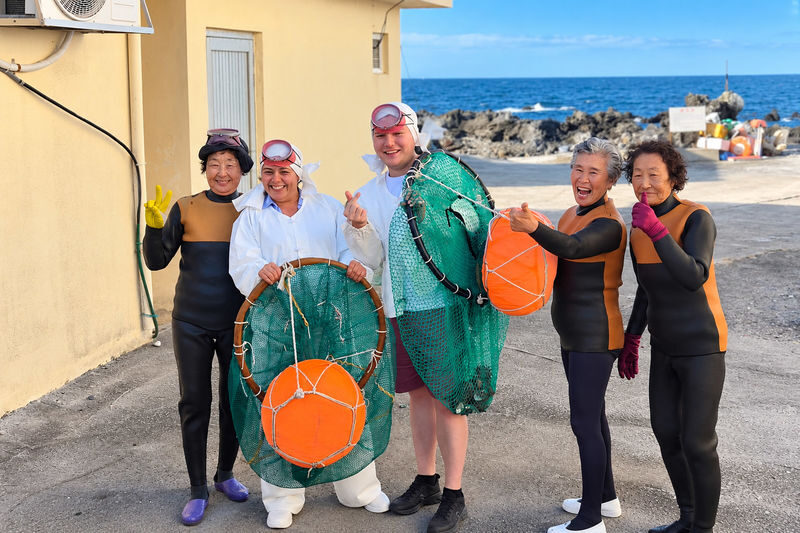
The East route pairs the Haenyeo show, Seongsan Ilchulbong, optional tangerine picking, and a lava tube cave. It is a good fit if you want Jeju’s volcanic character alongside its fishing and farming traditions. The supplied East schedule also includes Seongeup Folk Village, a lunch stop, and Gwangchigi Beach.
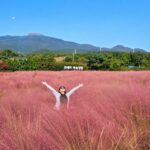
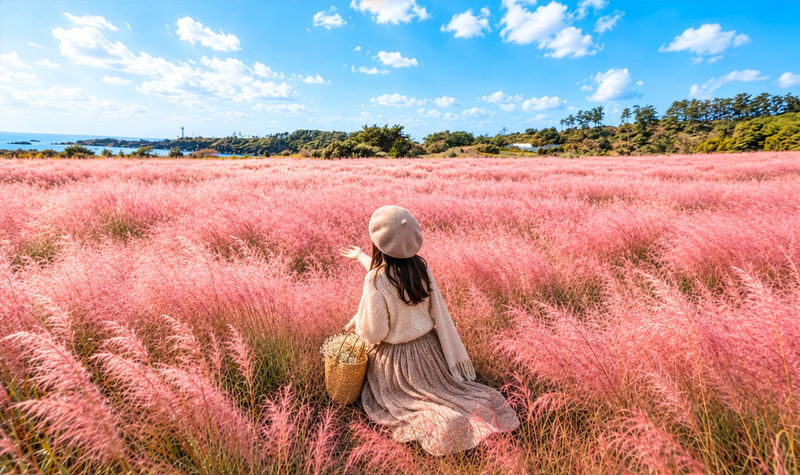
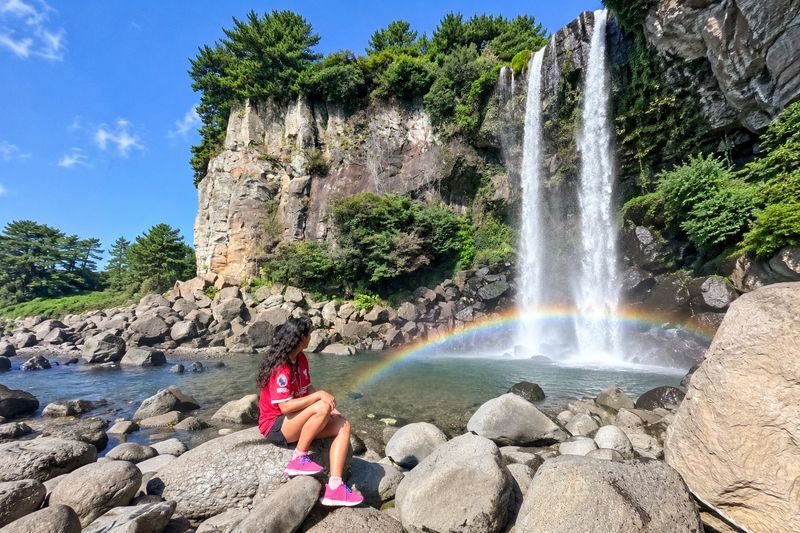
The South route is built around UNESCO-listed Hallasan hiking, Hueree Pink Muhly, and waterfalls. The name signals a more active day than the East option, though the precise walking demands and time at each stop are not specified. If you prefer a gentler outing, confirm the route details before booking.
The WestSouth route combines a haenyeo experience, Hallasan, a waterfall, and a tea field. It suits someone looking for a broad mix of nature and local culture without following the East itinerary. Since each package has its own stops, avoid booking based only on the general tour title.
Looking for more options in Jeju? Here are some other experiences worth considering.
The schedule begins between 8:00 and 8:35 a.m., depending on your pickup point, and the East tour is due to return from about 5:45 p.m. The stated one-hour duration does not match that schedule. Treat this as a full-day outing and plan your meals, energy, and evening accordingly.
You can board at one of four pickup points near major hotel areas. The meeting instructions name Lotte Duty Free, next to the main entrance of Lotte City Hotel Jeju, as a pickup location. Arrive 10 minutes before your assigned departure; late arrivals of 10 minutes or more are not eligible for a refund.
A chartered bus carries the group between stops. One account describes a group of about 20, while another mentions a full group of 40, so group size can vary. The practical upside is simple: no need to rent a car, navigate Jeju roads, pay for parking, or arrange separate transfers between distant sights. The drawback is that the group moves on a shared timetable.
Drop-offs are offered at Dongmun Traditional Market, Ocean Suites Jeju Hotel, Jeju International Airport, Lotte City Hotel Jeju, and Shilla Duty Free Jeju Store. The stated times range from 5:45 to 6:15 p.m. and may shift with traffic or weather. Airport drop-off is useful, but do not build a tight flight connection around a return time that can change.
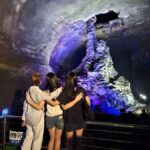
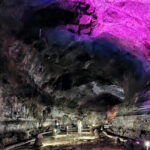
On the East route, Manjanggul Lava Tube takes you underground into one of Jeju’s most striking volcanic formations. The cave is a UNESCO World Natural Heritage site, and its scale gives a close-up sense of how lava shaped the island. One visitor noted that the cave stays around 16°C, a welcome change on a hot day. A light layer is sensible if you run cold.
The tour includes admission and a guided visit, which makes this a good stop for understanding more than the cave’s dramatic appearance. Still, the ground and walking conditions may not suit everyone. This activity is not wheelchair-accessible, and the tour’s overall pace means you should be comfortable moving between several stops.
Closures and other restrictions can change the plan. Weather, traffic, or capacity may lead the guide to replace or skip an attraction, so think of the named stops as the intended route rather than an absolute guarantee.
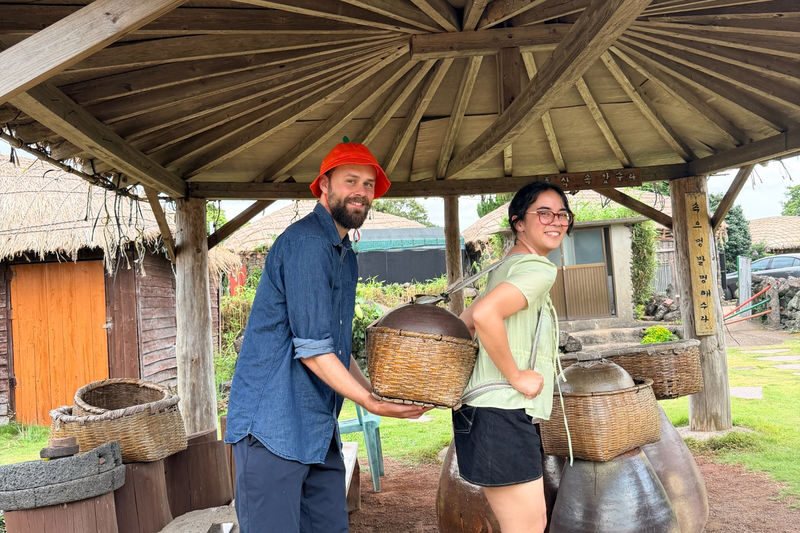
After the underground scenery, Seongeup Folk Village shifts the focus to how people lived on Jeju. The traditional houses and long-standing village setting help put island life in context, beyond the familiar postcard views.
One especially memorable detail from the East route is the village master, described as being in his eighties, who gives an enthusiastic presentation. That kind of personal explanation can make the stop more engaging than simply walking past old houses. The quality and format of the visit may vary, but the village adds an important cultural counterpoint to the day’s natural sights.
A guided stop is useful here because a collection of buildings can be hard to read without context. You will still want to listen for the details that interest you most, since the tour has several more stops to fit in.
The East itinerary sets aside about an hour for lunch. The meal itself is not listed as included, and the restaurant may change according to the day’s circumstances. One practical note from the trip experience: a meal can be tasty but more expensive than expected, so ask about prices before ordering if you are watching your budget.
Tell the guide in advance about allergies, vegetarian needs, or religious dietary restrictions. The operator asks for those details before the meal, but the information does not promise that every request can be accommodated. If food requirements are strict, contact the operator before you book and confirm what is possible.
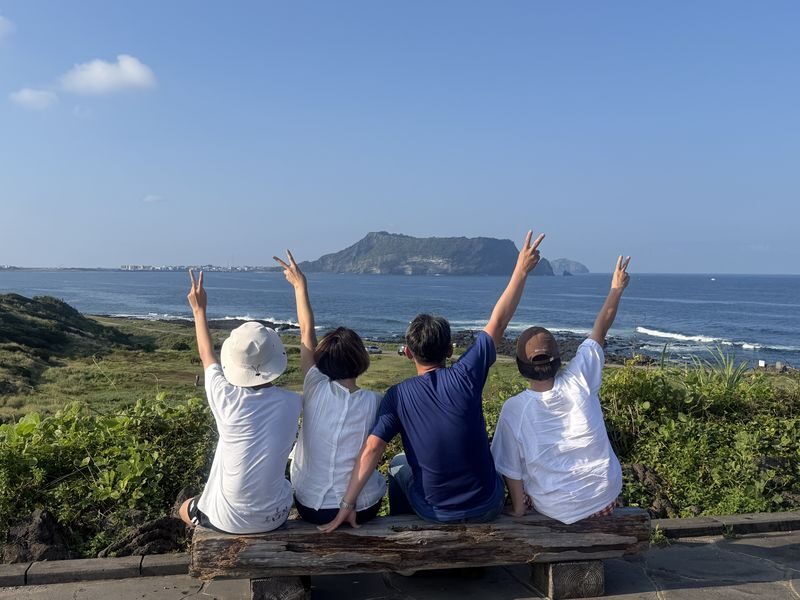
Seongsan Ilchulbong, the UNESCO-listed tuff cone, is a defining East Jeju sight. Its steep profile rises above the coast, and it is famous for sunrise views. On this tour, you visit during a daytime itinerary, so expect the volcanic form and coastal scenery rather than a sunrise outing.
The exact stop listed in the schedule is not named, but its description clearly refers to Seongsan Ilchulbong. The guide may change the attraction if weather, traffic, or other restrictions interfere. Some stops can also be skipped due to capacity or weather, a real consideration when the day has a packed schedule.
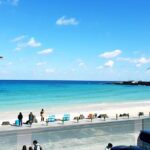
Gwangchigi Beach gives you another angle on the cone, with the volcanic coastline meeting the view of Seongsan. It is a good place to pause for photographs and take in the contrast between dark rock and open water. The tour does not specify how long you will have there, so make the most of the time allotted without counting on a long beach stay.
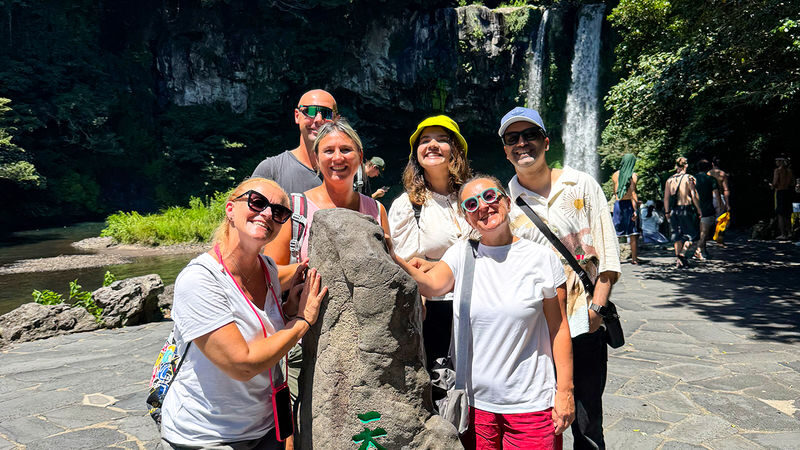
The East package is promoted around a haenyeo show, the tradition of Jeju’s female divers. The Haenyeo Museum is used as a backup if the show is canceled, rather than a guaranteed extra visit. That distinction matters if seeing the performance is a major reason you are choosing this route.
The museum offers an indoor way to learn about haenyeo lives and culture, but it is not the same experience as a live show. Weather and other on-the-day changes can affect the plan. If the show is important to you, ask about its availability close to your date.
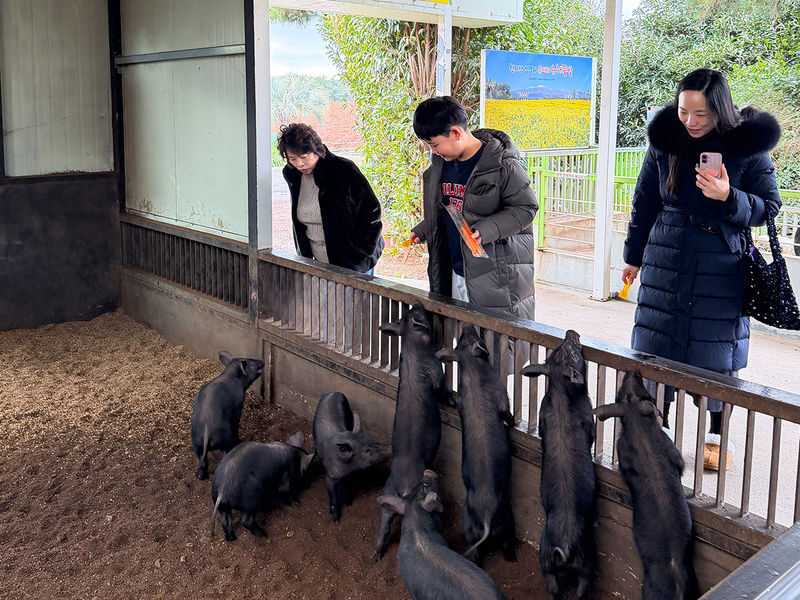
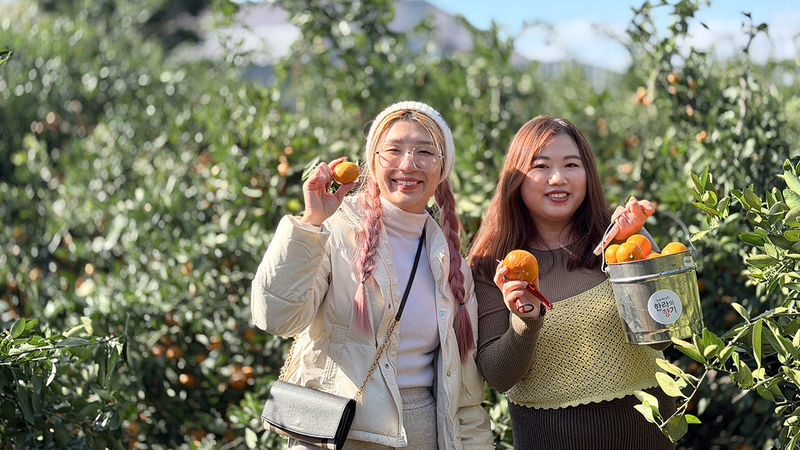
The East tour visits LoveKorea, a tangerine farm, for orchard scenery and an optional picking activity. Picking is paid separately on-site. If you do not want to pay extra, you can skip the activity and explore the farm freely.
This is a useful bit of flexibility in an otherwise scheduled day. One person described sitting out a couple of activities, including tangerine picking and hiking, without pressure to join everything. If you are tired, not interested in picking, or simply want a slower few minutes, you are not required to do every activity.
Tangerine season and the look of the farm can vary, and the supplied details do not specify exact picking dates or prices. Treat the picking as an optional seasonal extra, not a cost already covered by the tour fare.
The East route ends at Dongmun Traditional Market, where the visit is self-guided. You can finish the tour there and look around on your own, or continue to one of the other listed drop-off points. The market is Jeju’s oldest traditional market and offers a final chance to browse local food and goods at your own pace.
Because this part is not guided, you are free to set your own pace, but you will need to find your way around independently. The market is also a sensible drop-off choice if you want to keep exploring rather than return directly to your hotel. Check the day’s return timing, as traffic and weather can shift the schedule.
Prices are shown from US$51.69 for the East and WestSouth options and US$73.85 for the South option. The tour summary also gives a starting price of US$59.45. These are starting figures, so check the price for your chosen route and date before booking.
The included costs are meaningful: attraction admission, round-trip transfers from the meeting point, tolls, parking, fuel, and ticketing fees. This makes the fare easier to compare with the cost and effort of arranging a rental car, paying individual entry fees, and navigating the island yourself. It also means the core tour costs are not left as surprise charges at each stop.
Personal spending, tips, travel insurance, lunch, and tangerine picking are not included. The no-shopping format is another plus: time is set aside for sights and local experiences rather than sales stops.
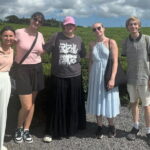
The most consistent strength of the experience is the guide. Chloe is praised for clear communication, cheerful energy, and helpful explanations; Steven is noted for sharing local history, culture, and even basic Korean. Sun, Alex, Jina, and other guides are also described as attentive and good at keeping the schedule moving. Names are not assigned to particular future departures, so you should not book expecting a specific guide.
This matters on a day with many stops and a sizeable group. A good guide helps you understand what you are seeing, gives reminders about timing, and can help when practical snags arise, such as sorting out lunch. One account also describes a guide translating when an issue came up at a restaurant.
The schedule does ask for punctuality. If you like exploring at your own pace, a private car or self-drive plan will offer more freedom. If your priority is seeing a range of sites without handling transport, this group format is a strong trade.
Book it if you have limited time on Jeju, do not want to drive, and like having transport and admission arranged in one fare. The East route is a particularly appealing mix for first-time visitors who want volcanic scenery, village culture, a coastal view, and a choice of haenyeo or farm experiences.
Choose South if Hallasan hiking, pink muhly, and waterfalls are your priorities. Choose WestSouth for the haenyeo experience, Hallasan, a waterfall, and tea fields. Read the route name and package details carefully; the stops differ, and the East schedule should not be assumed for the other choices.
Skip it if you dislike early starts, fixed group timings, or a day with multiple short visits. It is also not suitable for wheelchair users, and the minimum participant age is four. For most people who want an efficient overview of Jeju, the combination of transport, included entry costs, and well-regarded guides makes the tour a practical way to see more than you could comfortably arrange on your own.
“Full-day activities packed. Good value for money. however it's a bit too long for us so we kinda sat out on couple of activities like hiking and pi…”
The supplied summary says one hour, but the schedule shows departures from around 8:00 a.m. and returns from about 5:45 p.m. Treat it as a full-day tour.
There are three options: East, featuring Seongsan, a haenyeo show, tangerine picking, and a lava tube; South, featuring Hallasan hiking, Hueree Pink Muhly, and waterfalls; and WestSouth, featuring a haenyeo experience, Hallasan, a waterfall, and a tea field.
Admission to attractions, transfers to and from the meeting point, fuel, tolls, parking, ticketing service fees, and a Chinese- or English-speaking guide are included.
No. The schedule allows about one hour for lunch, but the meal is a personal expense. Tell the guide in advance about allergies or dietary needs.
No. Picking is optional and paid separately on-site. You can skip it and explore the farm.
Yes. The tour information says luggage can be brought along, including if you are coming directly from the airport.
The listed drop-off options are Dongmun Traditional Market, Ocean Suites Jeju Hotel, Jeju International Airport, Lotte City Hotel Jeju, and Shilla Duty Free Jeju Store. Times may change with traffic or weather.
The guide may replace or skip attractions due to closures, weather, traffic, capacity, or other restrictions.
The tour is not wheelchair-accessible. Participants must be at least four years old, and infants and children must be included in the passenger headcount.
A full refund is available if you cancel at least 24 hours before the activity date, using destination local time. No refund is given for arrivals 10 minutes late or more. If the operator cancels due to an unforeseen event or extreme weather, you can reschedule or request a full refund.