Physical Address
304 North Cardinal St.
Dorchester Center, MA 02124
Physical Address
304 North Cardinal St.
Dorchester Center, MA 02124

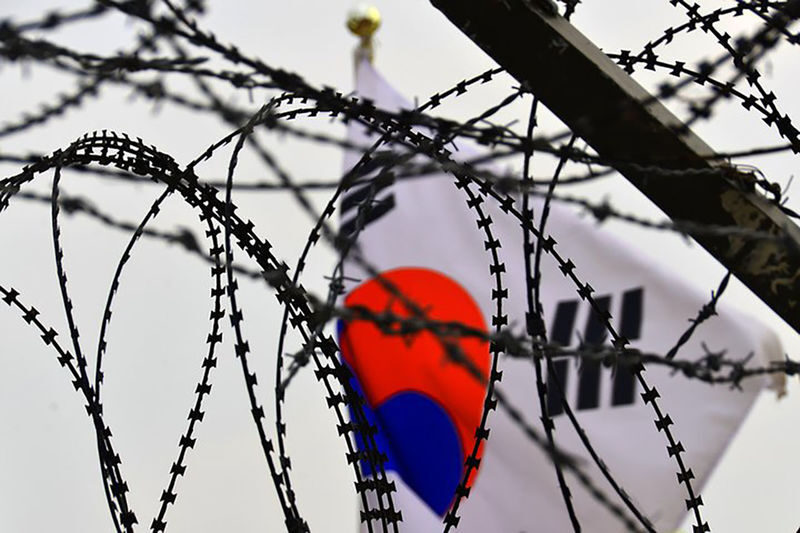
Meet a North Korean defector, explore the Third Tunnel and view North Korea on a guided DMZ tour from Seoul.
The most compelling part of this DMZ tour is the chance to hear a North Korean defector speak about leaving the country, then see the border and its surroundings for yourself. The encounter gives the history a human scale, while the tunnel and Dora Observatory show how division is marked on the ground.
I like that the tour pairs the defector’s story with a short film and a live Q&A, rather than treating the DMZ as a string of photo stops. I also like that guides such as AJ, Katie and Erica have been praised for making Korea’s history clear and keeping the day moving.
One consideration: the Third Tunnel includes steep slopes and a low ceiling, so it can be awkward if you are tall or wearing anything but sturdy, flat shoes. The tour’s stated duration is also inconsistent with its half-day schedule and return times, so plan to give it much of your morning or early afternoon.
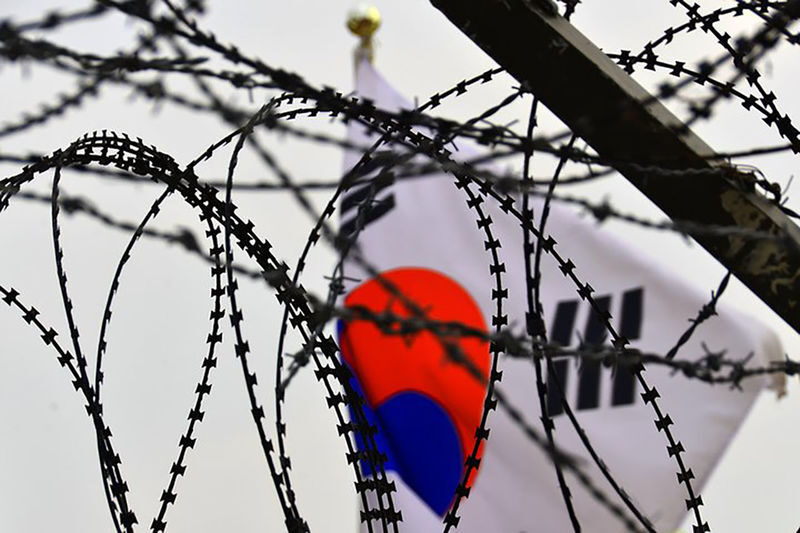
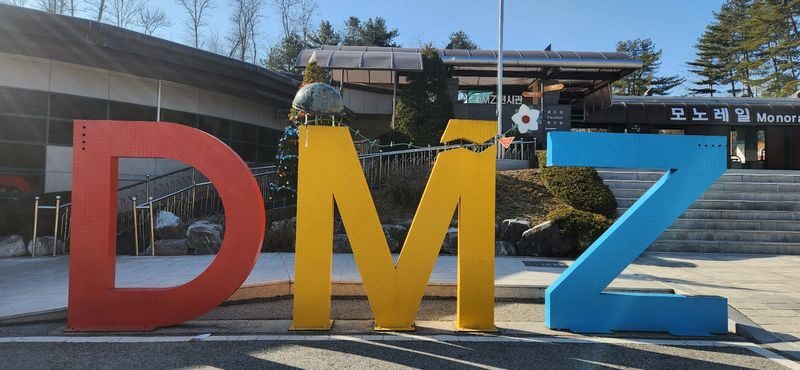
A DMZ visit is part history lesson, part encounter with a place that remains politically sensitive. The line separating North and South Korea is not just a distant mark on a map. Your guide sets the context on the way from Seoul, then the sites make that history concrete: a park shaped by division, a tunnel dug beneath the border, and an observatory aimed north.
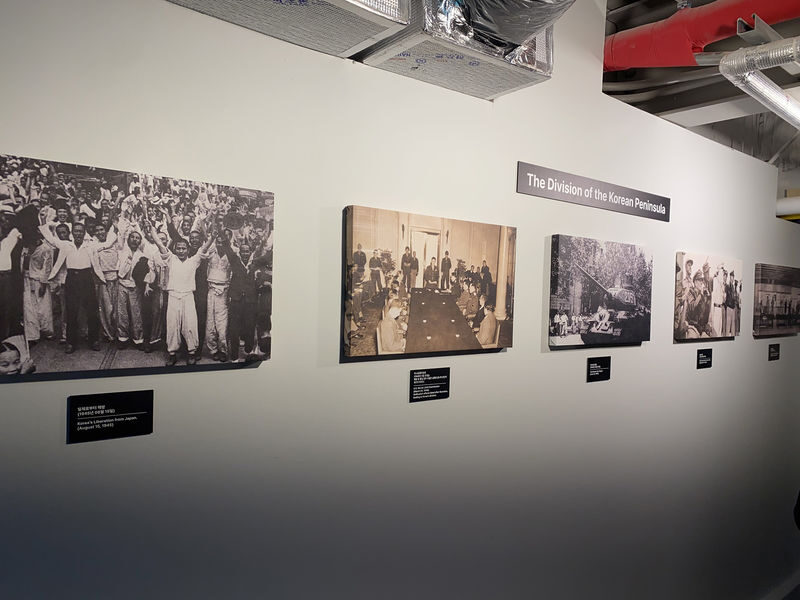
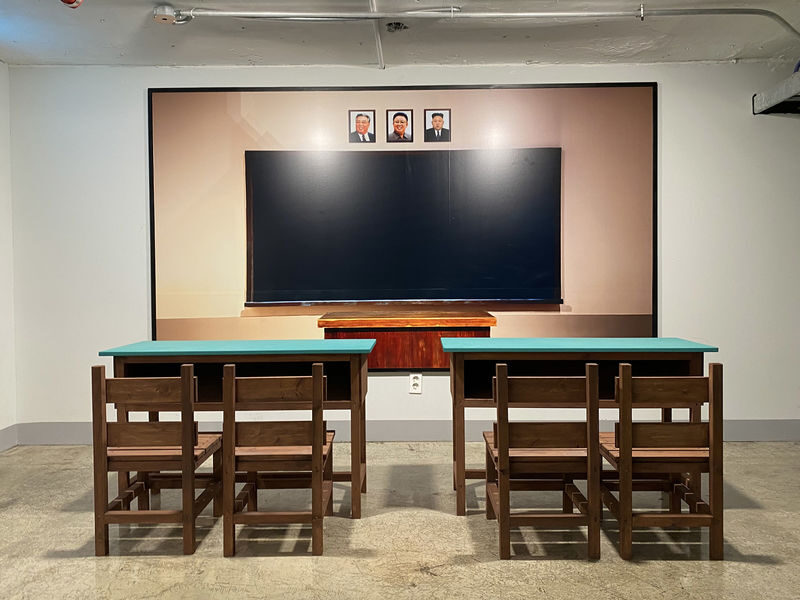
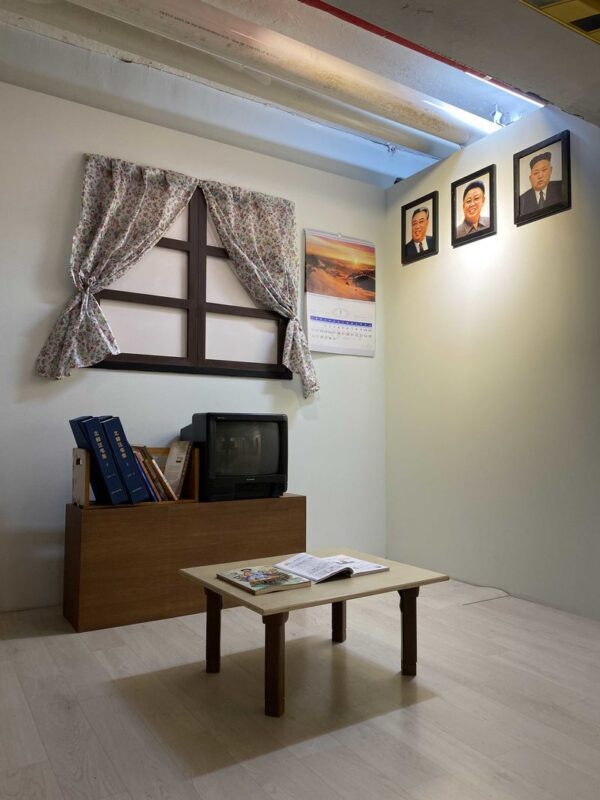
The defector meeting is the feature that gives this trip its distinct character. The tour includes a short documentary at the North Korea Experience Hall and a live Q&A with a person who escaped North Korea. You hear an individual account alongside the broader history, which can help put otherwise abstract topics such as isolation, escape and reunification into human terms.
This is a guided visit, not an independent day trip. That matters at a place where access rules can change and the order of stops may shift. A guide can explain what you are seeing and help keep the group on schedule. The strongest praise for the tour focuses on guides’ clear explanations, warmth and energy. Names that come up include AJ, Katie, Erica, Lily, Camila and Jun, but your guide will depend on the date and language arrangement.
Looking for more options in Gyeonggi? Here are some other experiences worth considering.
Pickups are offered at Myeongdong Subway Station Exit 9 and Hongik Univ. Station Exit 3. The early departures meet at 7:25 a.m. in Myeongdong or 8:00 a.m. at Hongik Univ.; later options meet at 9:25 a.m. or 10:00 a.m. at the same locations. Check your booking carefully, since the departure time you choose determines where and when you need to meet.
The bus ride to the DMZ area is listed as about an hour. Use it to listen to the guide’s introduction and get a basic timeline of Korea’s division before reaching the sites. The tour includes round-trip transport, which saves you from arranging separate transfers and is especially useful when access and timing are tied to a group visit.
Be on time. The operator says late arrivals and missed buses count as no-shows, with no refund or rescheduling. This is not a good morning to gamble on a tight subway connection.
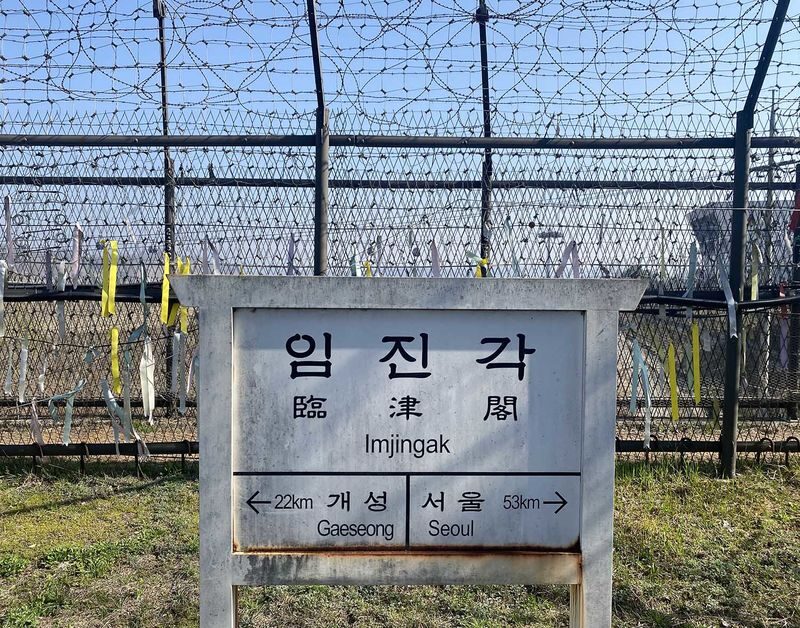
Imjingak Peace Park is one of the tour’s named stops and a useful place to begin thinking about the division of the peninsula. It gives the day a broader frame before the smaller, more specific encounters that follow. Your guide can connect the park to the conflict and the ongoing separation of North and South Korea.
The schedule does not promise a fixed amount of time at every attraction. Weather, capacity and military restrictions may lead to changes, and some stops can be skipped. Keep your expectations flexible: the DMZ is a working security area, not a museum where every room is guaranteed to be open.
If you are hoping for a leisurely visit at each stop, this may feel brisk. The tour is built to cover several sites from Seoul in a half-day format, so listen for instructions about meeting points and return times. The practical payoff is that you get an organized overview without having to manage the route yourself.
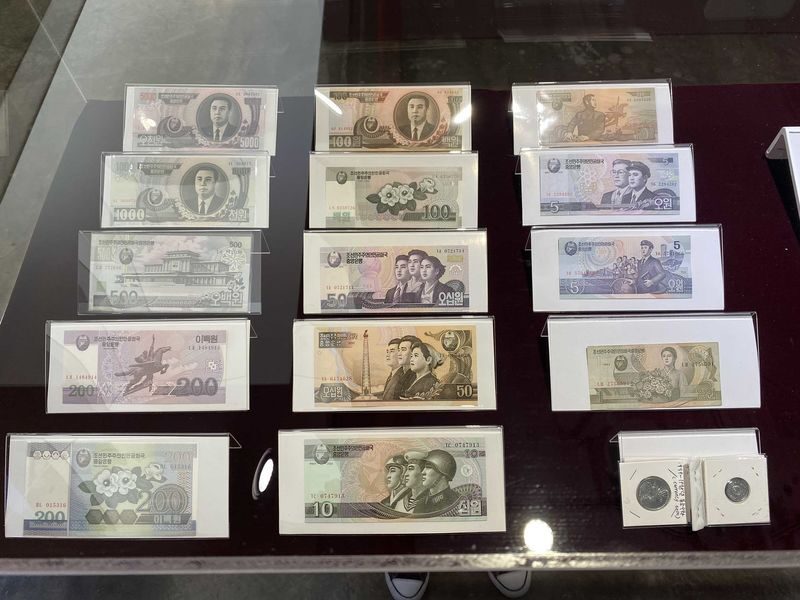
At the North Korea Experience Hall, the program includes a 10-minute documentary followed by a live Q&A with a North Korean defector. This is the emotional center of the tour, and the chance to ask questions makes it more than a passive presentation. If you have something you are curious about, think of your question in advance; the Q&A is a rare chance to hear directly from someone who has lived in North Korea and escaped.
Approach the conversation with care. A personal account cannot represent every North Korean’s life, and the point is not to turn someone’s experience into a spectacle. Listen closely, ask respectfully and allow room for a story that may not fit simple assumptions.
Language is worth checking. The tour offers English-, Chinese- and Japanese-speaking guides, but Chinese and Japanese departures require at least three people; if there are too few, the tour may run in English. One participant also found that the defector’s segment did not have Chinese translation, so if you need translation for that part, ask the operator before booking rather than assuming the guide’s language will cover every speaker.
The Third Infiltration Tunnel is a striking reminder that the border’s history is not only visible above ground. The tunnel was dug by North Korea beneath the border, and visitors enter it as part of the tour. Walking through a passage built for infiltration gives the subject a physical dimension that photographs and speeches cannot quite match.
It is also the most demanding stop. The route involves steep uphill and downhill sections, and the ceiling is low enough to be uncomfortable for some taller visitors. Wear flat, supportive shoes, and be prepared for a walk that is more effort than a quick stroll. If you have mobility concerns or dislike enclosed spaces, consider whether this visit will suit you; the supplied information does not describe an alternative route.
There are souvenir shops at several DMZ stops, including the tunnel area. Treat shopping as optional, not as a reason to rush through the site. Time is limited, and the tunnel itself is the main event.
At Dora Observatory, you look across the border into North Korea from a strategic viewing point. Telescopes can help bring details into view; on clear days, people, soldiers or prominent buildings may be visible. Conditions matter, so do not count on a particular sighting. Even without a crisp view, standing at the observatory gives you a direct sense of how close the two sides are.
Your guide can help you make sense of what you are looking at. Some guides have adjusted telescopes for their groups, and the best accounts of this stop combine practical help with context about the view. Ask questions as you go, but remember that weather and visibility can change what is possible.
The observatory is a place to pause and look, not simply to snap a picture and leave. Give yourself a moment to consider the contrast between the ordinary details you may see through the telescope and the extraordinary political line that divides the area.
Unification Village is another named stop on the route. The itinerary does not specify a detailed visit there, so think of it as one element of the broader DMZ-area tour rather than a guaranteed long stop. Souvenirs and food are available at several locations, including village and park stops, but meals and drinks are not included in the price.
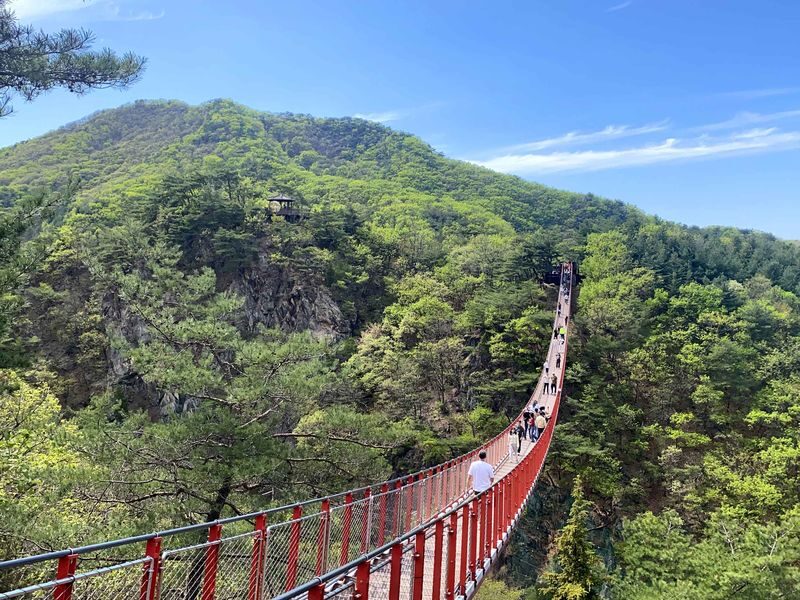
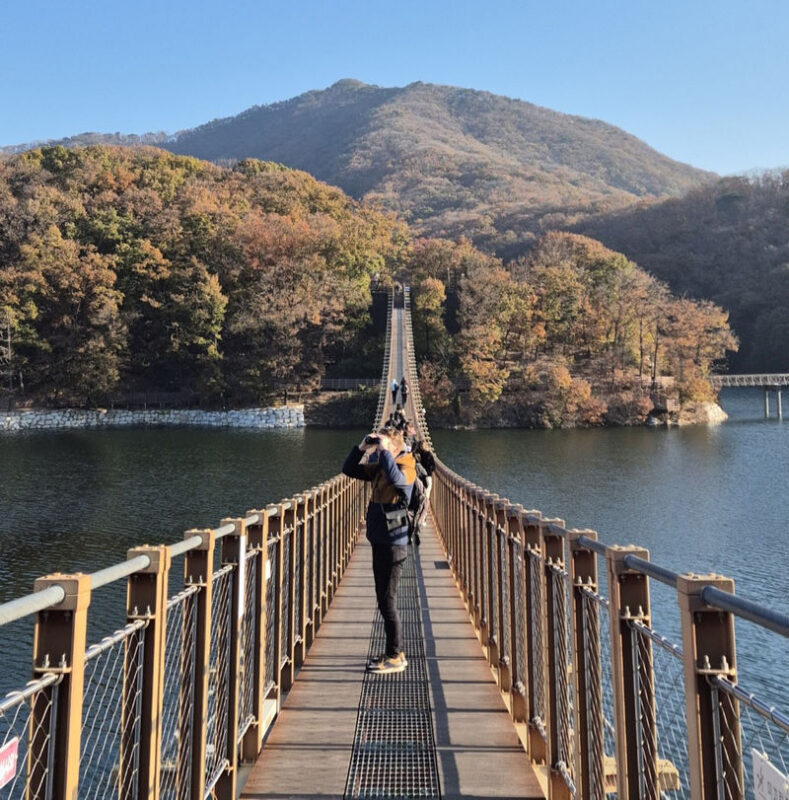
If you want to add a scenic break, choose a package with a suspension bridge. The options include the Red Suspension Bridge and the Majang Lake Suspension Bridge. Both cost more than the tour without a bridge, and the exact extra time and sequence can vary with the selected package and the day’s conditions.
The bridge is a good choice if you want the day to include more than historical sites. If your main reason for coming is the defector meeting, tunnel and observatory, the standard option keeps the focus on those core stops and costs less. Compare the package names carefully so you book the bridge you intend.
The tour is advertised from $62.55, while the package details also show a starting price of $54.39 for the version without a suspension bridge. Prices can vary by package and booking, so check the final amount for your date before paying. Bridge options are listed from $74.35.
For the price, you get round-trip transport from Seoul, an English-, Chinese- or Japanese-speaking guide when available, attraction admission and a full itinerary of major DMZ-area stops. The defector Q&A is the most unusual inclusion. Taken together, these elements make the tour worthwhile if you want a guided introduction to the border without piecing together transport and site visits yourself.
Meals, drinks, tips, personal expenses, insurance and hotel drop-off are not included. You return to Seoul, with return times listed at 2:00 p.m. or 4:00 p.m., depending on your departure and itinerary. Although the activity summary gives a one-hour duration, the listed stops, bus ride and return schedule point to a half-day outing. Keep the morning or early afternoon open, and do not schedule a close appointment afterward.
Bring a valid passport. A military ID or Alien Registration Card is also accepted, but the tour needs passport details to arrange the entry permit. Korean passport holders must provide their citizen registration number. You will also need to show your passport with your mobile voucher.
Children aged zero to one can join free. The operator may refuse a booking if the group or luggage is too large for the reserved vehicle, so do not assume oversized bags will fit. This is a day tour, not a luggage transfer service.
Changes are allowed until 24 hours before the activity starts, subject to the stated exceptions for certain booking types. A full refund is available if you cancel at least 24 hours before the activity date, using local destination time. Weather, traffic and military restrictions can alter the route, and the operator may skip attractions when access or capacity requires it.
Book it if you want an efficient, guided introduction to the DMZ and value the chance to hear a defector’s personal account. It suits visitors with an interest in Korean history and inter-Korean relations, as well as anyone who prefers a guide to explain the significance of each stop rather than simply delivering you to viewpoints.
Think twice if a low tunnel, steep walking or a tightly scheduled group outing sounds unpleasant. The suspension bridge add-on is worth considering if you want a more scenic stop, but it is not essential to the central experience. For most people, the standard package offers the clearest value: transport, a strong historical framework, the tunnel, the observatory and the defector Q&A, all in one organized trip from Seoul.
“We had a really nice tour with an awesome guide named Camila. We also learned a lot about the history of Korea in general.”
The activity information gives a duration of one hour, but it also describes a bus ride of about an hour, several stops and return times of 2:00 p.m. or 4:00 p.m. Plan for a half-day outing rather than relying on the one-hour figure.
You can depart from Myeongdong Subway Station Exit 9 or Hongik Univ. Station Exit 3. The available meeting time depends on the departure option you select.
Arrive at your pickup point five minutes before the departure time. Late arrivals and missed buses are treated as no-shows and are not refundable.
Yes. Bring a valid passport to obtain the entry permit and present it with your mobile voucher. A military ID or Alien Registration Card is also accepted.
The tour offers English-, Chinese- and Japanese-speaking guides. Chinese and Japanese tours require at least three participants; if that minimum is not met, the tour may be conducted in English.
Yes. The North Korea Experience Hall includes a short documentary and a live Q&A with a North Korean defector.
No. Meals and beverages are not included. Personal expenses and tips are also excluded.
Yes. Package options include the Red Suspension Bridge and Majang Lake Suspension Bridge, as well as a DMZ tour without a bridge.
The route includes steep uphill and downhill sections, and the tunnel has a low ceiling. Flat sneakers or athletic shoes are recommended.
Yes. Traffic, weather, site capacity and military restrictions can affect the schedule, and some attractions may be skipped.