Physical Address
304 North Cardinal St.
Dorchester Center, MA 02124
Physical Address
304 North Cardinal St.
Dorchester Center, MA 02124

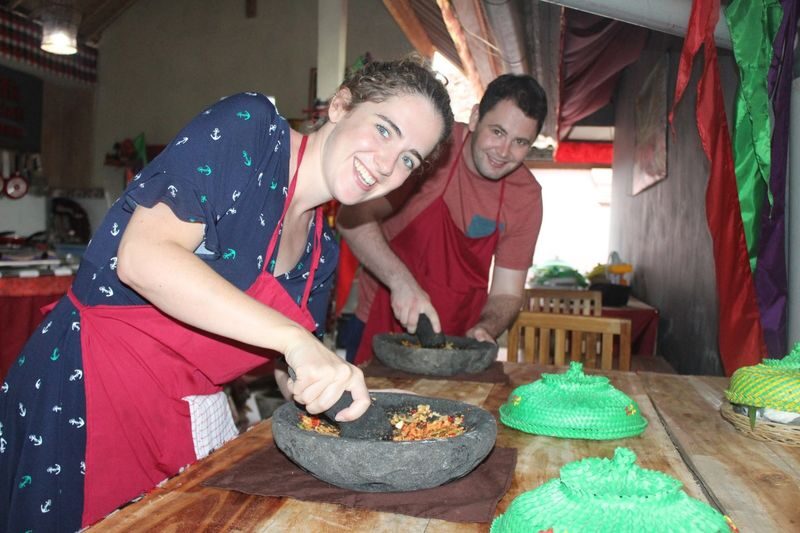
Cook nine Balinese recipes in Ubud, visit a morning market or make a canang offering, then share lunch in a Balinese home.
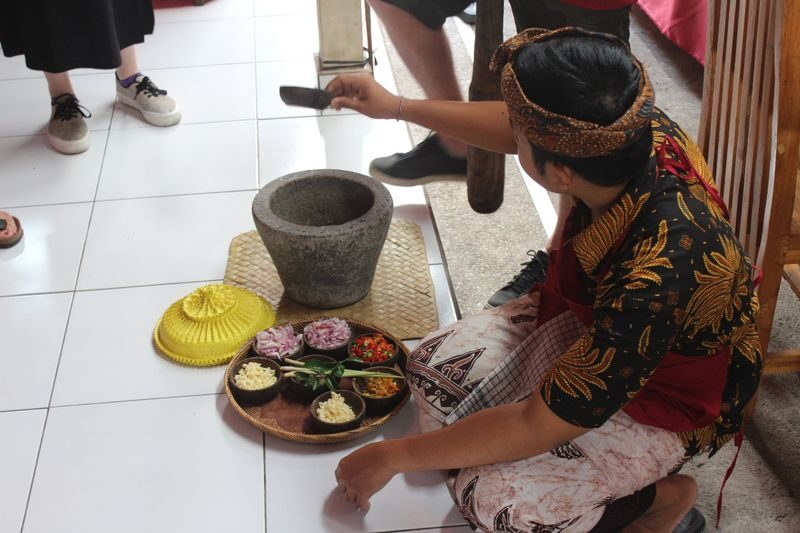
Balinese cooking begins with its spice pastes, not with a packet of sauce. This half-day class introduces you to those building blocks, then puts you to work on local dishes in a Balinese home. The morning option adds a market visit, where ingredients become more than unfamiliar names on a menu.
I like two things in particular: you cook a full spread of nine recipes, and the class connects food with local life through the market, rice paddy, or afternoon offering craft. The included meal and recipe copy also make this more useful than a cooking demonstration you simply watch.
One caveat: this is a shared class, not a private lesson, and the morning market stop may include shops where you feel pressure to buy. You can enjoy the visit without shopping, and it is worth keeping your spending decisions firmly your own.
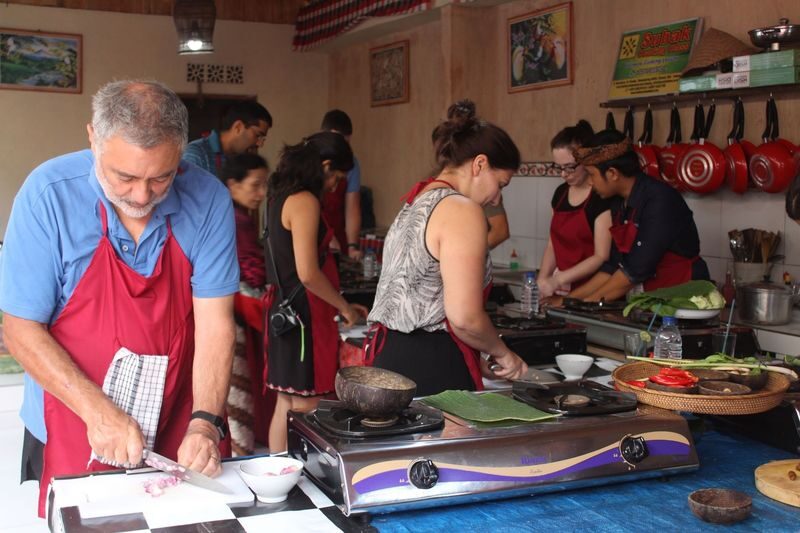
Subak Cooking Class is a strong choice if you want to do something practical with your time in Ubud. You’ll learn about ingredients, help prepare a range of dishes, and then eat the results in a Balinese home. The experience is designed for beginners as well as confident cooks, and children aged seven and up can join.
The class has a 4.8 out of 5 rating from 1,260 ratings, with especially strong praise for the friendly instructors, clear guidance, generous portions, and overall value. Many people describe the cooking as relaxed and sociable. It is a group activity, though, so expect to share the kitchen and the meal rather than receive individual instruction throughout.
One useful detail: the class takes place at Jl. Werkudara, Banjar Penaka, Tampaksiring, outside central Ubud. The setting is part of the appeal, but the drive can take longer than expected in traffic, and finding the house without a pickup may be tricky.
Want to bring Bali flavors home? These cooking classes could be just right
The morning starts with a pickup from your hotel, followed by a visit to a local market. This is the best option if you want the wider food-and-place context, not just the cooking lesson. You’ll see familiar ingredients in their local setting and hear explanations about fruits, vegetables, and seasonings used in Balinese cooking.
The market visit is not available in the afternoon because the market is closed then. If the produce tour matters to you, book the morning session and confirm the pickup details in advance. The market can be busy and unstructured, and some people have found the spice-shop stop uncomfortable because of sales pressure. You can listen, ask questions, and decline purchases; don’t feel obliged to buy spices to be polite.
The morning schedule also includes a stop by a rice paddy and a look at a Balinese compound. These short visits help put the cuisine in its local setting, though the amount of time spent at each may vary with traffic and weather. If you’re hoping for an extended tour of a family home or a detailed walk through village life, keep expectations modest. The main event is the cooking.
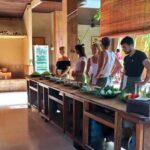
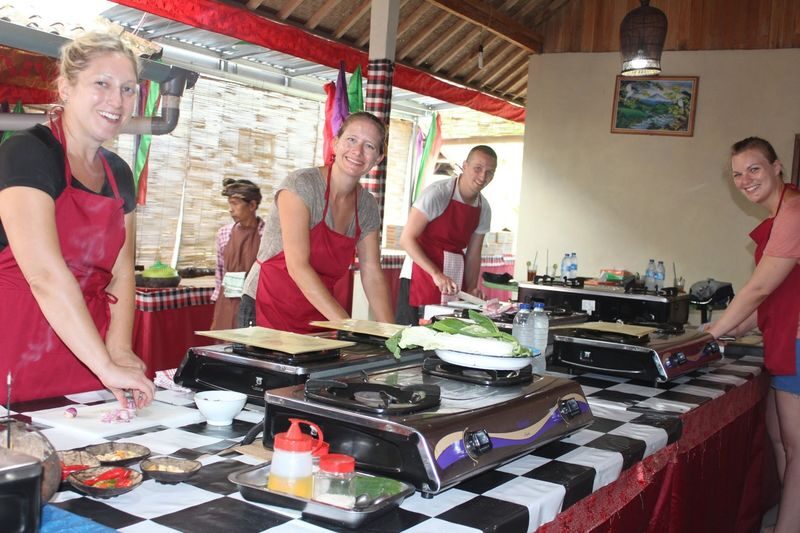
After the visits, you’ll arrive at the cooking area and be welcomed with cold ginger tea. The class is held in a traditional Balinese home setting, with a designated cooking space and the equipment and ingredients supplied. Reports describe a clean, organized kitchen, and some people mention views toward a volcano from the site. Views depend on the weather, so treat them as a possible bonus rather than a promise.
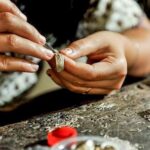
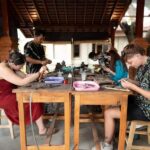
The afternoon session skips the market and rice paddy, and instead includes making a canang offering, a traditional Balinese offering. This gives the later class its own cultural element, particularly for families or anyone curious about local customs. You still get the cooking instruction and shared meal, so choose the time based on whether the market or the offering craft sounds more appealing.
The lesson covers nine Balinese recipes, with a local English-speaking instructor guiding each step. Putu is a name associated with some sessions, and participants have praised her patience and clear explanations. Instructors can vary, so don’t book on the assumption that one particular person will teach your class.
You’ll learn to prepare dishes from scratch, with assistants helping keep the cooking moving and the work areas organized. That setup is useful when several recipes are underway at once, but it also means the class may feel more like a shared kitchen workshop than an intensive one-to-one course. If you want every technique examined in detail, this may not be the format for you.
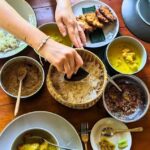
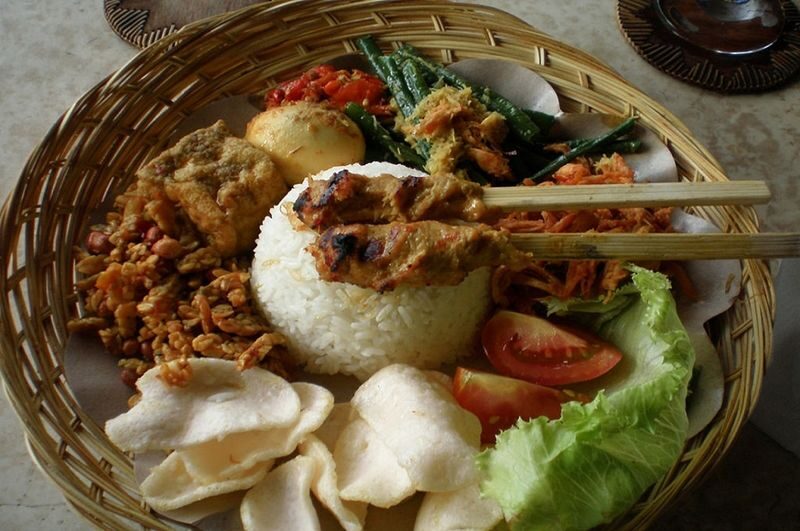
The regular menu includes Balinese fried noodles, chicken cooked with coconut milk and Balinese seasoning, sweet fried tempeh, chicken satay with coconut, and chicken steamed or grilled in banana leaf. You may also prepare lawar, a mixed Balinese salad, peanut sauce, tomato sambal, and base gede, the basic spice paste used in Balinese cooking. Klepon, a sticky-rice cake with palm sugar and coconut, rounds out the sample menu. Main dishes are served with white rice.
The vegetarian menu swaps in tofu and tempeh preparations, including tofu with Balinese seasoning, tempeh skewers, and tofu cooked in banana leaf. It also includes noodles, lawar, sambals, peanut sauce, base gede, and klepon. Tell the operator your menu preference and any food allergies when booking. Ingredients and dishes can change with the season and what is available.
The food is often the day’s high point, and the portions are generous enough to make the class a proper lunch rather than a small tasting. You’ll eat the dishes you’ve prepared at the house, and some food may be available to take away. The menu can be spicy and strongly seasoned, so if you prefer milder food, ask whether the seasoning can be adjusted. The class has respected preferences in some sessions, but the listing does not promise that every dish can be customized.
Prices vary by package. The activity is advertised from $19.19, while the listed options show a single-person package from $24.45 and a minimum-two-person package from $17.45 per person. Check the price shown for your chosen date and package before booking, since the lowest figure applies to the group option and the actual amount may differ.
For the price, you get more than a recipe lesson. Ingredients, cooking equipment, the English-speaking guide, welcome drink, and meal are included. Central Ubud hotel pickup and drop-off are also included, along with the morning market and paddy-field visits or the afternoon offering activity, depending on your session. A copy of the recipes gives you something practical to use at home.
That combination makes the class good value if you want a substantial activity and lunch in one outing. It is less compelling if you only want a serious, technique-heavy cooking course. The group setup means you’ll be involved, but the instructor also needs to keep the whole class on pace.
The transfer can make a difference to the value. Pickup is free in central Ubud, but hotels beyond that area may incur a round-trip charge of IDR 500,000 to IDR 550,000 per car, for up to four people. Confirm that cost directly with the operator in advance. If you’re staying outside the covered area, compare the fee with arranging your own taxi or ride.
The morning class runs approximately 08:00 to 13:00, and the afternoon class approximately 14:30 to 19:00. The selectable departure times are 08:00 and 14:00, with pickup times shown as 07:30 and 13:30. Your exact pickup time is confirmed after booking, so follow the operator’s message rather than relying only on the general schedule.
Pickup is shared, which means you may be collected before the class starts and could be early or late. Be in the hotel lobby five minutes before your confirmed time. If you miss the pickup, you’ll need to make your own way to the class. Traffic can stretch the journey, and some participants have had transport coordination problems, so reconfirm your pickup with the operator ahead of time.
The class address is in Tampaksiring, Gianyar, not in central Ubud. If you’re going independently, a taxi to the site is recommended, but the location can be hard to find in person. Do not bring a suitcase or large luggage on the shuttle; space is limited.
The schedule can shift due to traffic and weather. If you have a tight onward connection or another fixed appointment, leave plenty of room after the stated return time. You’ll want to enjoy the meal, not watch the clock between dishes.
You might also be interested in these Bali experiences
This is a good fit for curious eaters who want to understand the ingredients behind Balinese food and then try them hands-on. You don’t need cooking experience. The session is structured enough for beginners, while the number of dishes keeps the pace lively.
It also works well for families. Children aged seven and older can participate, and families have found the instructors helpful with young cooks. The class can be a pleasant choice for solo visitors too: the shared format gives you company at the counter and during the meal, though you’ll be paired into a group rather than taught privately.
Choose another kind of experience if you want a quiet, highly technical lesson or a private chef’s attention. And if you dislike group activities, shopping stops, or a full meal of unfamiliar flavors, you may prefer to spend your time elsewhere. Balinese food can be spicy, and one person’s delicious plate is another person’s too much sambal.
I’d book this class if you want a practical, social introduction to Balinese food, especially if the morning market visit appeals to you. It offers a satisfying mix of cooking, local ingredients, and a meal, with the added convenience of central Ubud pickup. The afternoon class is a sound alternative if the offering craft interests you more than the market.
Before you pay, check the pickup zone, confirm the menu and allergies, and remember that the market visit does not require a purchase. Go for a friendly group workshop and a generous lunch, not a private culinary course. With those expectations, it is a useful and enjoyable way to make your time in Ubud taste more local.
“Thank you, Putu, for such a wonderful cooking experience! We were pleasantly surprised that we could make such delicious Balinese food ourselves. P…”
The class covers nine Balinese recipes. The sample menu includes dishes such as fried noodles, satay, sambal, lawar, a spice paste, and klepon, though the menu may change with seasonal ingredients.
The morning option includes a local market visit and a rice-paddy tour. The afternoon option includes making a canang offering instead. The market is closed in the afternoon.
Yes. A sample vegetarian menu includes tofu and tempeh dishes, noodles, lawar, sambal, and klepon. Select your menu and note any allergies during checkout.
Pickup and drop-off are included for hotels in central Ubud. Pickups outside that area cost IDR 500,000 to IDR 550,000 per car, round trip, for up to four people. Arrange this with the operator in advance.
The morning class is scheduled from 08:00 to 13:00, and the afternoon class from 14:30 to 19:00. Traffic and weather can change the schedule.
Yes. Participants must be at least seven years old.
No. You’ll join other participants in a shared class.
Yes. Ingredients and cooking equipment are included, along with a welcome drink and the meal.
No. Suitcases and other luggage are not allowed on the shuttle because of limited space.