Physical Address
304 North Cardinal St.
Dorchester Center, MA 02124
Physical Address
304 North Cardinal St.
Dorchester Center, MA 02124


See Biei’s Blue Pond, Shikisai-no-Oka and Furano on a Sapporo day trip, with seasonal stops, multilingual guides and optional lunch.
The best part of this day is the change of scene: leave Sapporo behind and watch Hokkaido open into farm country, hilltop flower rows and the Blue Pond’s shifting color. You get several signature Biei and Furano stops in one trip, without having to arrange a long rural drive yourself.
I like the variety: the Blue Pond is a quiet natural stop, while Shikisai-no-Oka brings broad flower fields and views across rolling hills. I also like that guides such as Hanna and Yan have helped with photos, translated in several languages and kept groups on schedule.
The trade-off is a long day with fixed stop times, and flowers are never guaranteed to be at their best. The Blue Pond can also feel brief at 30 minutes, especially if you want to linger or take many photos.
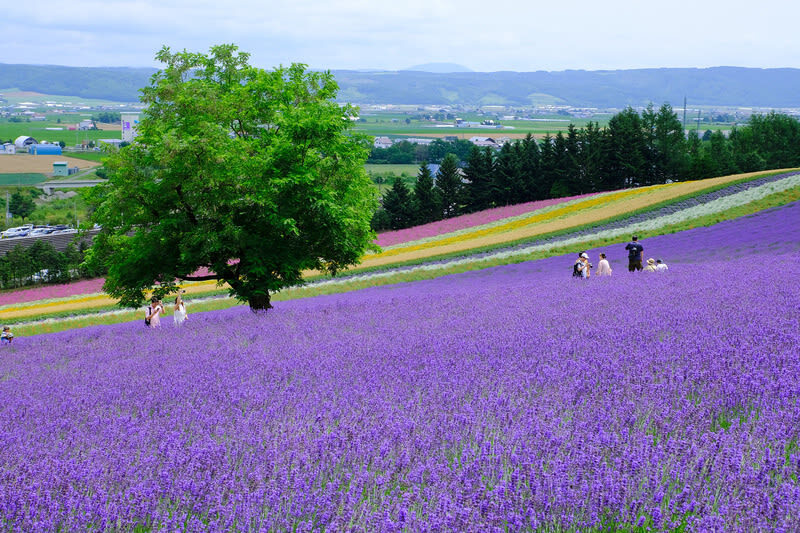
This is a full-day coach outing, not a quick hop from Sapporo. The 11:10 option returns around 21:10, and the morning versions depart at 8:10. The later departure is sold with Ningle Terrace lighting, while the earlier versions offer more daylight time and different meal choices.
The tour’s main practical benefit is distance. Biei and Furano are rural destinations, and fitting several stops into one day by public transport takes more planning than a simple city excursion. Here, round-trip transfers and a set route do the organizing for you. You trade flexibility for a straightforward way to see several well-known places.
The meeting point is on North 1st Street in Odori, Sapporo. Arrive 10 minutes early and look for the guide with a Klook sign. The return is at Odori Subway Station Exit 31, but traffic and weather can shift the arrival time. I would not plan a dinner reservation, flight or Shinkansen connection for that evening.
For groups of 10 or fewer, the operator may send a compact vehicle with a driver-guide. The guide gives brief introductions while also driving, so do not expect a full coach-style commentary in that setup. Groups need at least six participants to run; if the minimum is not met, you are offered a new date or a refund.
Looking for more options in Biei? Here are some other experiences worth considering.
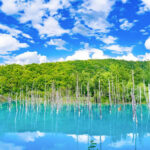
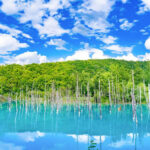
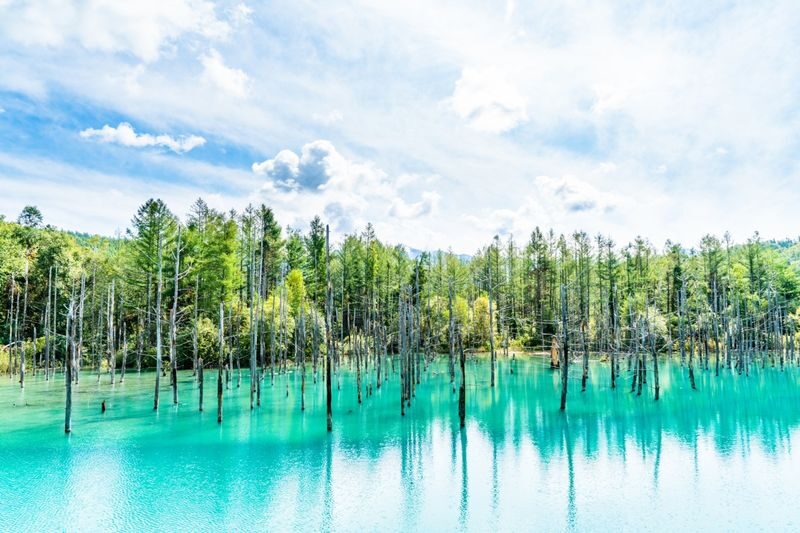
Shirogane Blue Pond is the tour’s most unusual natural sight. Minerals in the water, including aluminum hydroxide, help create its blue-green appearance. The color changes with the light, so a bright, clear spell can make the pond look striking, while overcast weather may give it a quieter, less dramatic mood.
You have about 30 minutes to explore independently. That is enough for a look and photos, but not a long walk or a slow pause. One useful expectation: the pond is a small, specific attraction, not a sprawling park. If you arrive hoping to fill an hour, you may find the visit short. Its appeal is the water’s unusual color and the contrast with the surrounding trees.
The time of day and weather matter here. A sunny interval can bring out more color, but no tour can promise a particular shade. Pack for the conditions and enjoy the pond as it appears that day, rather than measuring it against a photograph.
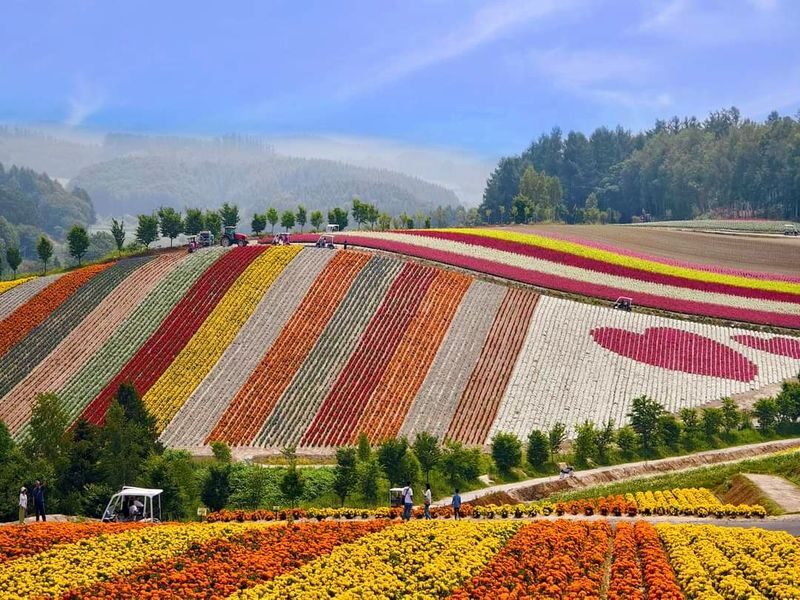
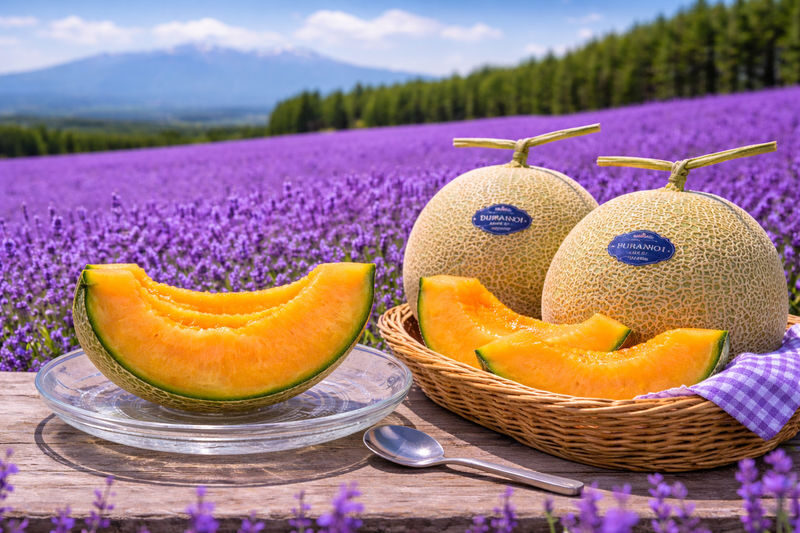
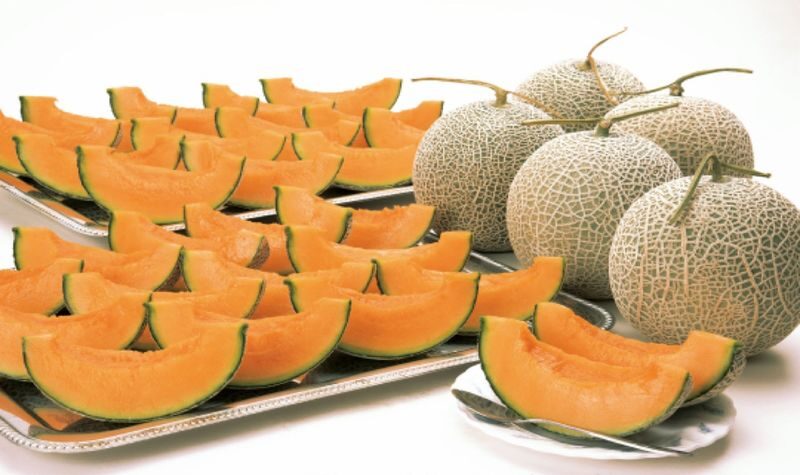
HERB GARDEN FURANO is a scheduled stop and a possible meal venue. The listed self-guided visit is short, while meal timing and arrangements depend on the package you choose. Some options include a buffet; one seasonal package pairs 30 minutes for the buffet with 20 minutes for all-you-can-eat melon. The melon offer is seasonal and listed through September 30.
There are several meal choices. You can choose buffet and melon when offered, select a buffet without melon, or book a no-meal option and arrange your own food. The buffet may cost ¥2,200 per person if added on the day, but on-site availability is not guaranteed. The operator also notes that some groups may be sent to Herb Hill Furano, where melon is not available to add.
Think about what matters most to you before booking. The buffet-plus-melon plan saves you the hassle of finding lunch, but the meal is time-limited. A no-meal plan offers more control over what you eat, though the restaurant area has no nearby attractions or convenience stores. One meal review was sharply unimpressed with the buffet, so I would choose the package for convenience, not because lunch is the main reason to go.
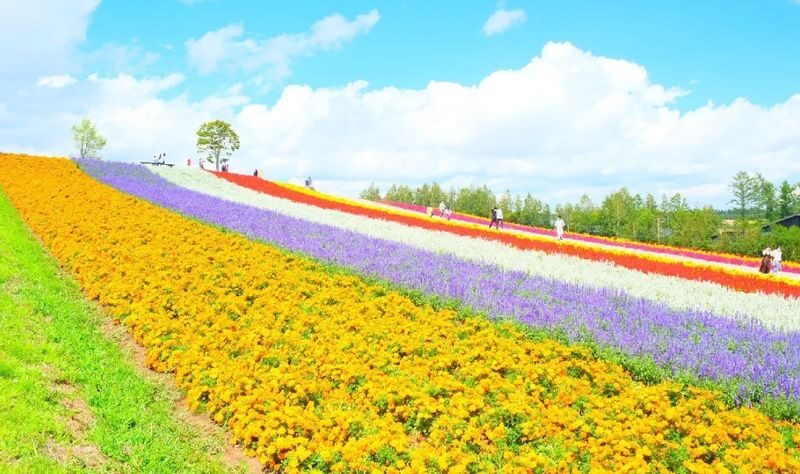
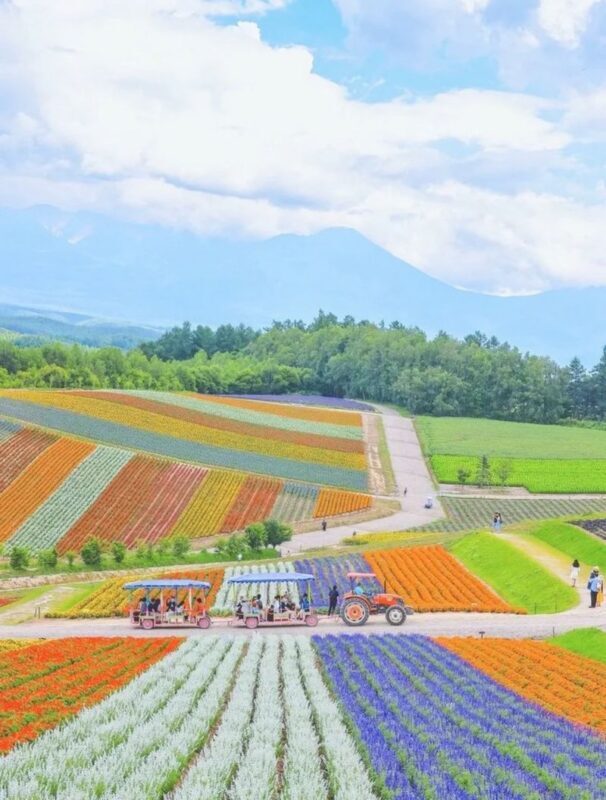
Shikisai-no-Oka is the day’s broadest flower stop. Its 15 hectares of slopes hold more than 30 kinds of flowers, arranged in bands that follow the contours of the hills. The scale is the point: instead of a small garden bed, you see long ribbons of color against Hokkaido’s open countryside.
The tour allows about an hour here. That gives you time to walk, take photographs and enjoy the views, though flower viewing is seasonal. Late April and May bring tulips and rapeseed flowers; June can bring lupines, poppies and marigolds. July’s mix may include lavender, sunflowers and salvia, while August features sunflowers, zinnia and cosmos. September and October shift toward cosmos and autumn flowers.
These are reference periods, not guarantees. Weather and the year’s growing conditions change what is in bloom, and a visit may not match a picture taken at peak season. If flowers are your main reason for booking, aim for the season that suits the varieties you most want to see, but keep some flexibility in your expectations.
Admission to Shikisai-no-Oka is included. That is a small but useful part of the value, since it removes one extra ticket decision from a day already built around several stops.
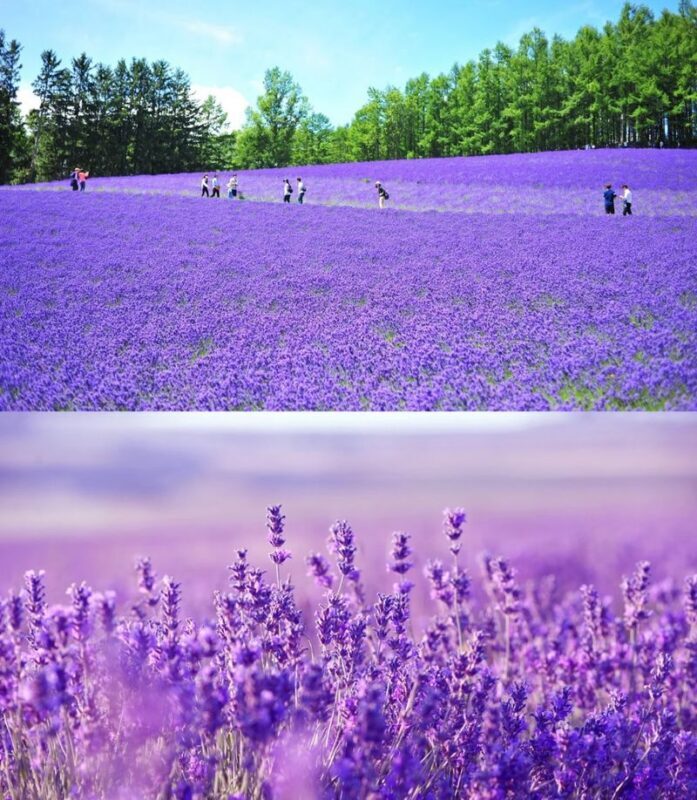
Roller Coaster Road is a brief, scenic drive rather than a walking stop. The route is known for its straight stretches and steep rises and dips, with farmland and mountains visible along the way. You get about five minutes of drive-by viewing, with no planned disembarkation. Treat it as a visual interlude from the vehicle, not a separate attraction where you can wander.
Farm Tomita is the classic summer addition. From the upper flower fields, you can look over the Furano Basin toward the Tokachidake range. Lavender usually blooms from late June to early August, but the farm is worth thinking of as a seasonal flower stop rather than a lavender guarantee. In September, earlier sunsets may shorten the stay there.
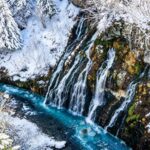
The route changes later in the year. Farm Tomita may be removed when the flowers have finished, and waterfall stops may take its place. The schedule also notes autumn alternatives, including Shirahige Falls and, during a separate late-October to November period, Shirasu Falls. Because the seasonal arrangements can shift, check the departure details for your date rather than assuming the summer route applies.
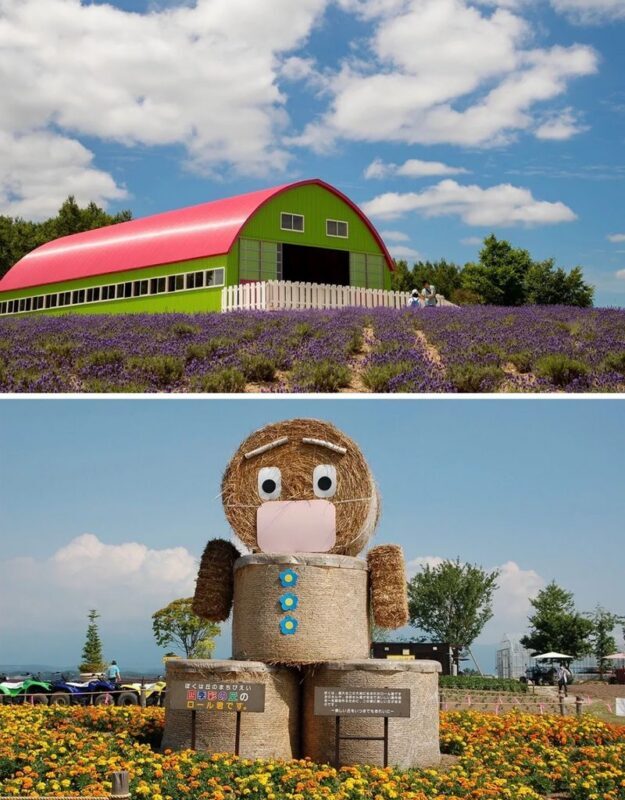
Ningle Terrace is a collection of small wooden buildings set among trees, visited independently. The 11:10 departure is promoted around its evening lighting, and the scheduled stop is about 40 minutes. In September, the operator may extend time here as daylight shortens; some October dates list a 60-minute stay.
This stop changes the pace after the flower fields and countryside. It is a useful reason to choose the later departure if you want the lit evening visit, but the timing comes with a cost: you return to Sapporo late. The earlier 8:10 tours are a better fit if you would rather start sooner or select a buffet lunch package.
The order of stops can change with weather, traffic and sunset. Some attractions may be shortened or skipped if conditions or capacity require it. That flexibility helps the operator manage a long route, but it means you should not treat every listed stop as an ironclad promise.
The starting price is $47.39, which is attractive for a roughly 10-hour outing with transport and several major stops. The value is strongest if you want a broad overview of Biei and Furano in one day. It is less compelling if you prefer to spend half a day at one garden or decide your own pace at every stop.
The guide can make a noticeable difference. Hanna and Yan are names associated with detailed explanations, multilingual communication, practical recommendations and help taking group photos. Other feedback describes a guide who offered little English, so the advertised English, Chinese and Japanese support does not guarantee the same depth of commentary on every departure. For groups of 10 or fewer, the driver-guide arrangement means introductions may be brief.
The overall rating is 4.8 out of 5 from 1,099 ratings. That suggests a consistently well-liked outing, but the details matter more than the number: people value the route, smooth timekeeping and attentive guides, while the main risks are seasonal scenery, weather, the short stops and variable meal quality.
Children aged 3 and older pay the adult rate. Children under 2 can ride free if they do not need their own seat, but they still need to be included in the passenger count. If you need to bring luggage, a stroller or a wheelchair, notify the operator in advance; confirmed luggage space may carry a ¥1,500 fee per item, payable in cash.
Book it if you have one day to spare, want to see several of Hokkaido’s best-known rural sights, and value transport and planning more than a slow, independent visit. It suits couples, families and solo visitors who are comfortable following a group schedule, especially during flower season.
Think twice if you need long, unhurried stops, expect a guaranteed lavender field, or are counting on a detailed English commentary from every guide. Choose the 8:10 option for an earlier start and meal choices; choose the 11:10 departure if Ningle Terrace’s evening lighting is a priority. The tour is a practical sampler of Biei and Furano, not a substitute for spending a few days in the countryside.
“We were here October 10, 2026. What we saw was just a glimpse of something more beautiful is about to bloom. Farm Tomita is exceptional. Blue Pond,…”
The tour runs for about 10 hours. The 11:10 departure is scheduled to return around 21:10, though traffic and weather can affect the arrival time.
It departs from North 1st Street in Odori, Sapporo. Arrive 10 minutes before departure and look for the guide holding a Klook sign.
The stated return point is Odori Subway Station Exit 31. The exact arrival time may change with traffic or weather.
English, Chinese and Japanese-speaking guide support is advertised. For groups of 10 or fewer, a driver-guide may give brief introductions while driving.
Only with selected packages. Options include buffet combinations, a seasonal buffet-and-melon plan, or no meal. A buffet may be added on the day for ¥2,200 per person, but availability is not guaranteed.
The seasonal melon plan is listed through September 30. It allows 20 minutes for melon after 30 minutes for the buffet.
Lavender typically blooms from late June to early August. Flowering depends on the season, and Farm Tomita may be replaced by another stop later in the year.
No. The listed flower seasons are estimates, and the actual display depends on weather and growing conditions.
Children under 2 can join free if they do not need a separate seat. If an infant needs a seat, the adult fare applies. Infants and children must be included in the passenger count.
A full refund is available if you cancel at least 24 hours before the activity date. Changes are allowed up to 24 hours before the activity, subject to the stated booking conditions.