Physical Address
304 North Cardinal St.
Dorchester Center, MA 02124
Physical Address
304 North Cardinal St.
Dorchester Center, MA 02124

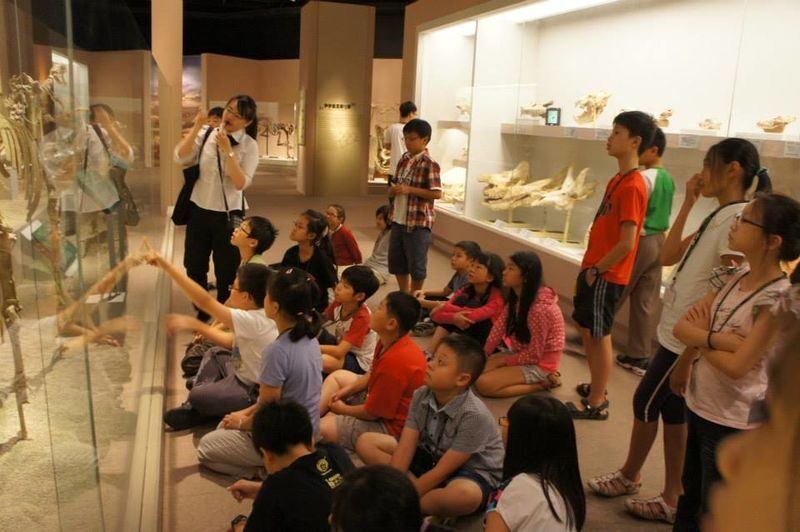
Explore Taichung’s National Museum of Natural Science, from life and dinosaurs to Taiwan’s ecology, with a flexible ticket and optional extra.
The museum’s appeal is its reach: one visit can take you from the origins of life to human culture, Taiwan’s ecology, dinosaurs, and an AI-supported XR theater. I like that the main exhibition ticket can be paired with one of three extras, and that the QR-code entry keeps the start simple.
I also like the range for families: children can meet moving, roaring dinosaurs and try science activities, while adults have enough material to make a half-day visit worthwhile. The trade-off is scale. You may need four hours to see the main areas carefully, and the building is showing its age in places.
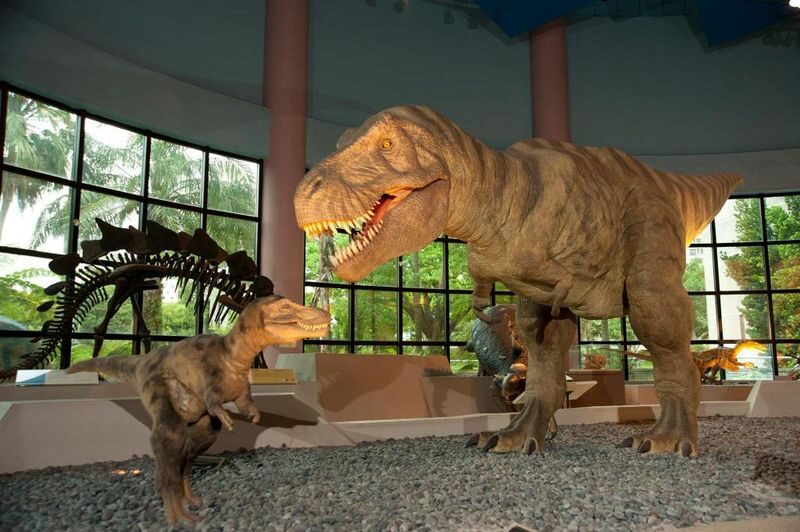
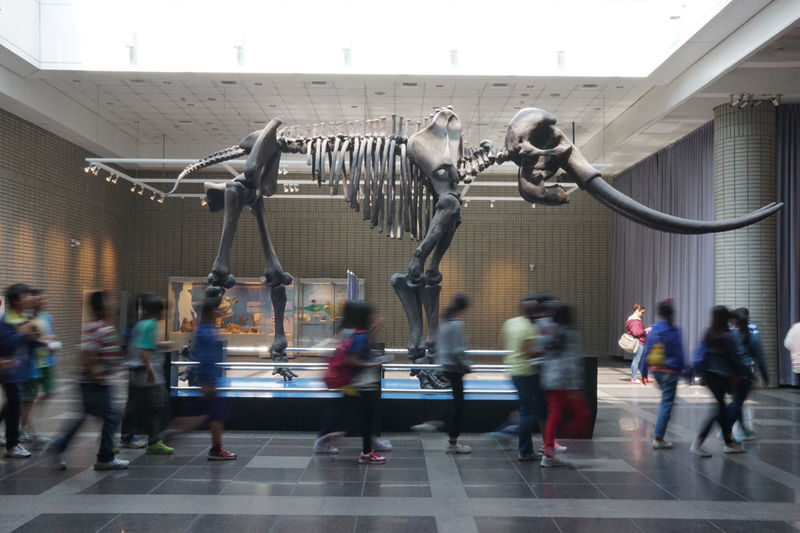
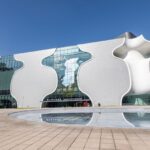
Taichung’s National Museum of Natural Science was the first project in a national construction and cultural plan announced in 1966. It is one of Taiwan’s three science museums, and its ambition is plain: rather than focus on a single topic, it connects natural history, human life, culture, and the environment under one roof.
That breadth makes the museum especially useful on a hot or rainy day in Taichung. It is an indoor outing with enough variety to hold a child’s attention, but it is not only a children’s attraction. The exhibits can also give adults a clear route through big subjects that are easy to take for granted: how life developed, how people shaped societies, and how Taiwan fits into the wider natural world.
The museum is large enough that your visit will depend on your pace. If you have two hours, choose a few areas that interest you most. If you want to see the main exhibition halls properly, set aside closer to four hours, and remember that the Botanical Garden, Science Center, and Carton King option add time of their own.
You might also be interested in these Taichung experiences
The Hall of Life Sciences gives the museum its broadest narrative arc. Its 13 exhibition areas follow life from its origins through human birth, aging, illness, and death. That sequence helps make a sprawling subject feel more connected: you are not simply looking at specimens, but moving through stages of life and the changes that shape them.
For families, the variety matters. The museum’s dinosaur displays include moving figures that roar, and interactive science activities give children something to do as well as something to read. If you are visiting with younger children, those hands-on stops can provide useful breaks between more information-heavy galleries.
The Fantastic Nature area, which opened in 2024, combines specimens and interactive installations to explain natural phenomena and the science behind them. It is a good place to slow down and look closely rather than race from display to display. Its newer format also offers a change of pace from older parts of the museum.
One practical caution: this is a lot of material for a single visit. A family trying to see everything may run out of steam before reaching the last galleries. Pick a few must-sees before you arrive, then leave room to follow a child’s curiosity. A museum visit is often better when it has a little slack in it.
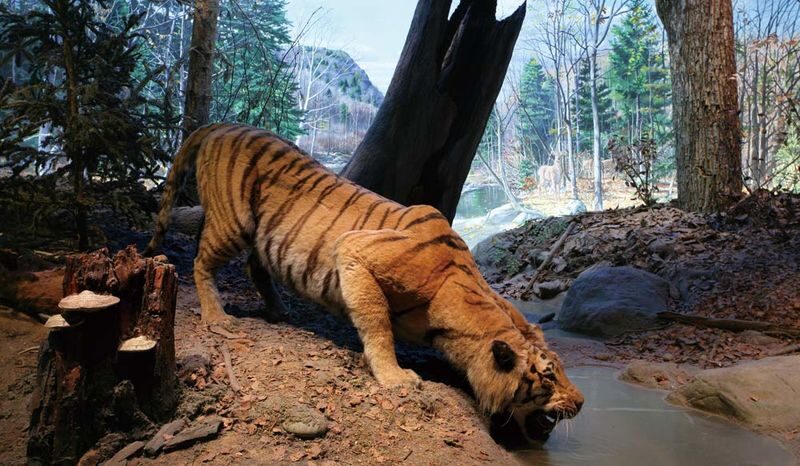
The Hall of Human Culture shifts the subject from the natural world to people and the ways they have lived. Its focus is on inventions, changes in civilization, and the variety of human cultures. That shift gives the visit a useful balance: the museum is not only about animals, fossils, or scientific processes.
I would treat this section as a chance to compare how human ingenuity responds to different needs and circumstances. The displays are meant to show how earlier people solved problems and how cultures changed over time. If you are visiting with children, this can make a good contrast with the more immediately eye-catching dinosaurs and interactive science exhibits.
The exhibition hall has a spacious layout, which helps when you want to move at your own speed. But spacious does not mean small. If you tend to read every label, you will need more time than someone who prefers a quick look at each display.
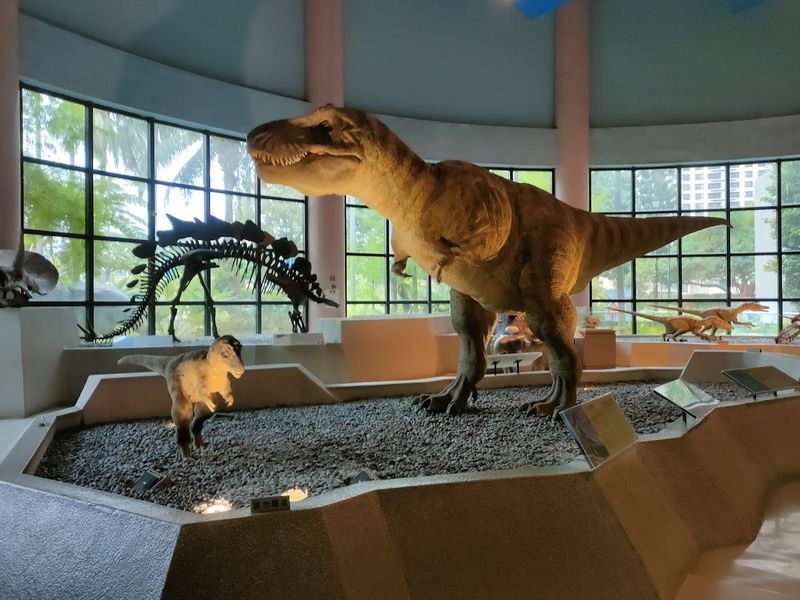
The Hall of Earth Environment connects the microscopic world, living things, and Taiwan’s natural ecology. That local focus is valuable: it gives the museum a way to link broad environmental questions to the island you are actually visiting.
The hall also includes an XR immersive theater that combines AI technology. This is a distinct format from the specimen and display areas, so it may appeal if you like interactive or screen-based presentations. The theater and any special exhibitions may have separate admission rules, so check what your chosen ticket covers before you plan around them.
As elsewhere, the best approach is to choose what interests you rather than expect to absorb every topic in a single sweep. The museum’s breadth is its strength, but it can also make a short visit feel rushed. If Taiwan’s ecology is a priority, reserve time for this hall instead of leaving it until the end.
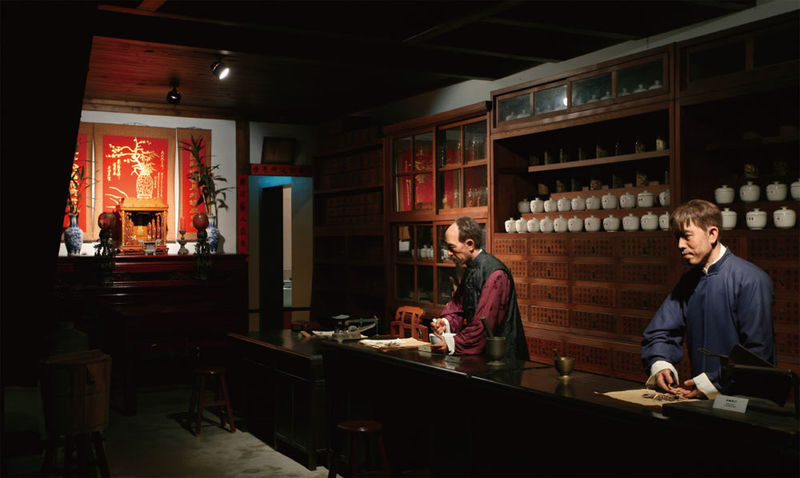
The standard package described here includes entrance to the main building exhibition hall plus one of three extras. Your choice can shape the rest of the visit, so decide based on your interests and available time.
The Science Center adds another exhibition space. Choose it if you want more science activities and displays, particularly if you are visiting with children who still have energy after the main halls.
The Botanical Garden offers a different kind of visit, with an outdoor area and a special exhibition room. One visitor found the room’s range of plants a highlight. It can be a welcome change from indoor galleries, but allow enough time to reach and explore it.
The Carton King mini-train ride is a light, family-friendly extra located at the museum’s underground shopping area. It is a modest add-on, not a substitute for another museum hall. If you choose it, note that you redeem the QR code at the Carton King ticket counter, rather than simply treating it as part of your main-building entry.
There are also package versions that pair the exhibition ticket with a NT$50 voucher for Fossil Mister or afternoon tea at the museum. Read the exact terms before buying: the voucher package has been associated with restrictions on what the Fossil Mister credit can cover, and the afternoon-tea package has a redemption deadline of 4:30pm.
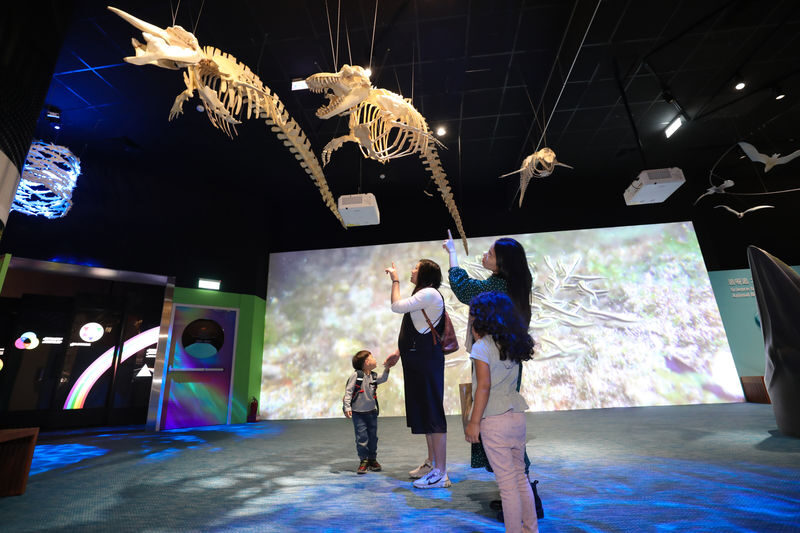
The ticket is advertised from $3.79, though the final price and included extra depend on the package you select. The value is strongest if you make time for the main exhibition hall and use the included extra. A QR ticket also saves the step of buying admission at the venue, and it can be used immediately after booking.
The price is not the only measure of value. The main hall offers enough material to fill several hours, and the range of subjects makes it easier to keep a mixed-age group interested. If you only have time for a brief visit, the ticket may feel less useful simply because you will leave much of the museum unseen.
Check whether your date falls within the 2026 Friday free-admission period. From January 1 through December 31, 2026, the exhibition halls are free on Fridays from 2pm to 5pm, excluding paid special exhibitions and theaters. If your plan is to visit during that window, compare the free entry with the package you are considering, especially if you still want one of the included extras.
Ticket terms deserve a quick look before you set out. The voucher is valid for 365 days from booking confirmation, but the pass must be used in its entirety on the day of use, and once any item or gift has been redeemed, the package cannot be returned or refunded. Children aged 0 to 5 enter free; children aged 6 and older need a ticket. Seniors aged 65 and older are free on weekdays, and a person with a disability plus one companion are free with proof of disability.
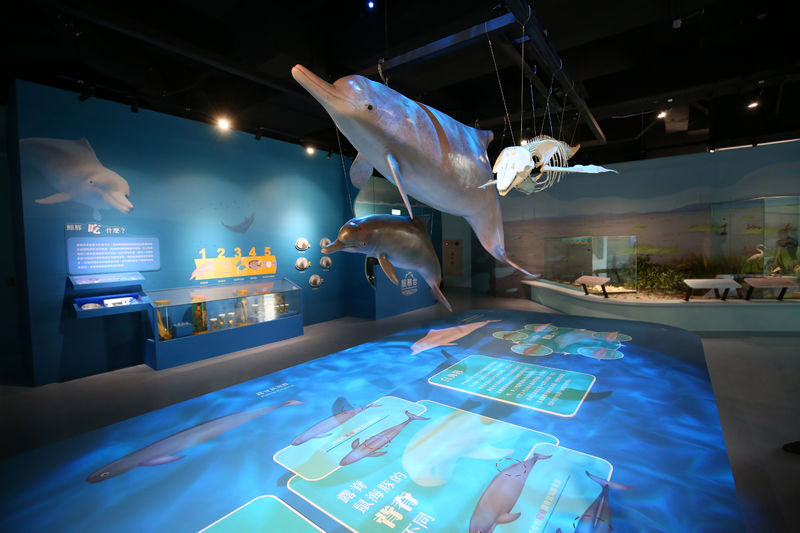
The museum is at No. 1, Guanqian Road, North District, Taichung. Bus routes serving the area include Taichung Bus 11, 35, 70, 71, and several routes in the 300 series, along with services from Ren-You, Ubus, Giant Dragon Transportation, Feng Rong Transportation, and Central Taiwan Bus. If you are arriving by high-speed rail, route 159 runs between THSR Taichung Station, China Medical University, and Taichung Park, with a stop at the museum’s Botanical Garden station.
Driving directions are available from several expressways, but parking can be difficult to find. If you are driving, give yourself time to deal with parking rather than arriving just before a planned entry. The museum’s large footprint and limited time can make a late start costly.
The museum is closed on Mondays and Lunar New Year’s Eve. It may open during part of the Lunar New Year period, and it opens as usual when a Monday is a national holiday or a compensatory holiday. Listed opening hours vary by venue and day, and the main museum’s final admission is stated as 4:30pm in the supplied visit information. Check the hours for the specific areas you plan to visit before setting your schedule.
For entry, present the mobile QR code and let staff scan it. Each item in the package can be used only once. If you have an afternoon-tea add-on, remember that takeout and dine-in redemption ends at 4:30pm.
This museum is a strong choice for families who want an educational outing with plenty to look at and room to wander. Children can focus on dinosaurs and hands-on science, while adults can spend longer with the life, culture, or ecology displays. The indoor setting also makes it a practical break from Taichung’s summer heat.
It suits curious adults too, especially if you enjoy museums that connect several subjects instead of telling one narrow story. The price is modest for the amount of time you can spend inside, but anyone on a tight schedule should be selective. You cannot expect to see every hall, the Botanical Garden, and the extra attraction in a couple of hours.
The museum’s older sections may not feel as polished as a newly built attraction. That is worth knowing if modern design is a priority. Still, the substantial displays, broad subject range, and useful family activities make this a worthwhile stop for visitors who value content over sleek presentation.
Book it if you have at least half a day, enjoy science or natural history, or need a family outing that works for more than one age group. Choose the extra that matches your plans: the Science Center for more exhibits, the Botanical Garden for plants and an outdoor change of pace, or the Carton King mini-train for a short family add-on.
Skip the paid ticket for the exhibition halls if you are visiting during the free Friday period in 2026 and do not need a paid theater or special exhibition. If you have only an hour or two, pick your priorities before arriving. This is a place where the value comes from giving it time, not from racing through every room.
“Buy and use immediately, very convenient.”
Allow two to four hours. Two hours is enough for a selective visit, while a thorough look at the main areas can take close to four hours. The Botanical Garden or another extra adds more time.
The package described here includes one admission ticket to the National Museum of Natural Science Main Building Exhibition Hall. The standard package also includes one choice of extra: the Science Center, Botanical Garden, or Carton King mini-train ride.
Yes. Present the QR code on your mobile voucher for staff to scan at the museum entrance.
No. The museum is closed on Mondays, except when Monday is a national holiday or compensatory holiday, when it opens as usual. It is also closed on Lunar New Year’s Eve.
The exhibition halls are free every Friday from 2pm to 5pm, from January 1 through December 31, 2026. Paid special exhibitions and theaters are excluded.
Children aged 0 to 5 enter free. Children aged 6 and older need to purchase a ticket.
No. The standard package lets you choose the Botanical Garden as one of three extras. You can instead choose the Science Center or Carton King mini-train ride.
No. Once any item or complimentary gift in the package has been redeemed, returns and refunds are not accepted. The pass must be used in its entirety on the day of use.