Physical Address
304 North Cardinal St.
Dorchester Center, MA 02124
Physical Address
304 North Cardinal St.
Dorchester Center, MA 02124

Compare this Fukuoka day trip’s Aso volcano, Kusasenri grasslands, Minami Aso Railway, and choice of Kumamoto Castle or Kurokawa Onsen.
A special train threading the foothills of Mount Aso, followed by volcanic peaks and open grassland: this is a big Kyushu day packed into one bus trip from Fukuoka. You choose a final stop, Kumamoto Castle for history or Kurokawa Onsen for a mountain hot-spring town.
I like the contrast between the Minami Aso Railway’s slow rural ride and the scale of Aso’s caldera country. I also like having a guide and transport for a route that links several far-apart sights, with guides such as Helen, Zhu Zhu, Li, and Summer named by past participants.
The catch is the distance. You can spend many hours on the road for a few relatively short stops, and weather or volcanic restrictions can change the day. The railway fare is extra, too, so check the exact route and costs before booking.
This trip’s basic appeal is convenience. From Fukuoka, you can reach a rural railway, Mount Aso, Kusasenri, and either a castle or hot-spring town without arranging several separate bus and train connections yourself. A guide handles the group and shares information along the way.
That convenience comes with a lot of sitting. The day is scheduled from 9:00 a.m. to an estimated 6:45 to 7:15 p.m., and the actual return depends on traffic and weather. This is not a quick excursion with a leisurely lunch. Think of it as a long-distance sampler: you get a taste of several places, not hours at each one.
Tours run as shared trips, with group sizes listed from one to 48. The vehicle depends on the number of bookings, so it may be a bus or a smaller van. A participant on a small-group departure found the van seating tight, especially for larger bodies. If that may be an issue for you, note your needs when booking, though seating and vehicle requests are not guaranteed.
Guides are one of the trip’s strengths. Names mentioned include Helen, Zhu Zhu, Li, and Summer, but assignments vary by day. Guides have been described as switching between languages, explaining sights on the drive, helping with photos, and keeping the group organized. You may share a vehicle with people using different languages, so ask in advance which language support is expected for your departure.
Looking for more options in Dazaifu? Here are some other experiences worth considering.
The railway is a 40-minute, self-guided stop in the stated schedule. Its appeal is not speed or a long list of attractions. It is the pleasure of watching the countryside pass at rail pace: foothills, fields, and streams instead of another stretch of road from a bus window.
The train type depends on the railway’s operation that day. You might ride a regular train, a limited Torokko sightseeing train, or, if scheduled, a One Piece-themed train. Those special trains are possibilities, not promises. The regular fare is listed as ¥550 per person and the limited Torokko fare as ¥2,000, paid separately.
That extra cost matters when judging the advertised price. A starting fare of $44.25 is low for a full day of transport and guiding, but the railway is self-funded, and other optional activities add to your bill. Confirm which train is planned and what fare applies rather than assuming the most scenic option is included.
There is a practical risk, too: railway schedules can change, and bad weather or other operating issues may lead to a different train or cancellation. The tour’s plan may be adjusted to match the railway’s real-time arrangements. If the train is the main reason you are booking, treat it as a bonus rather than the one guaranteed centerpiece.
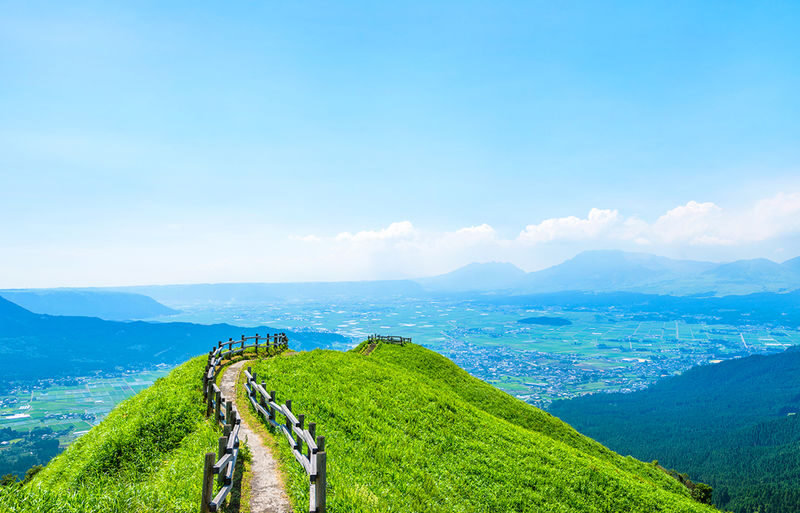
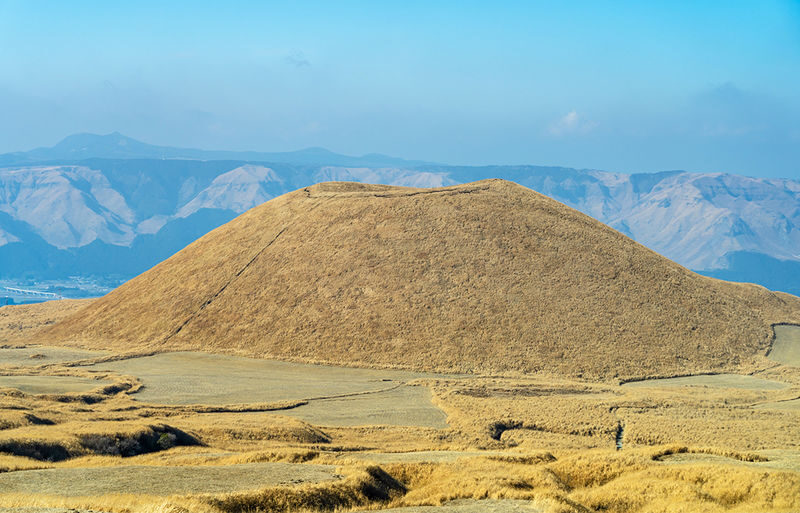
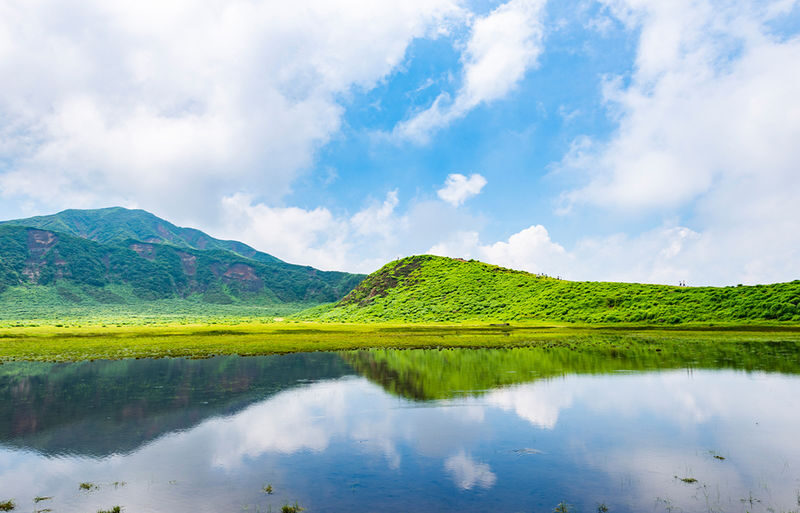
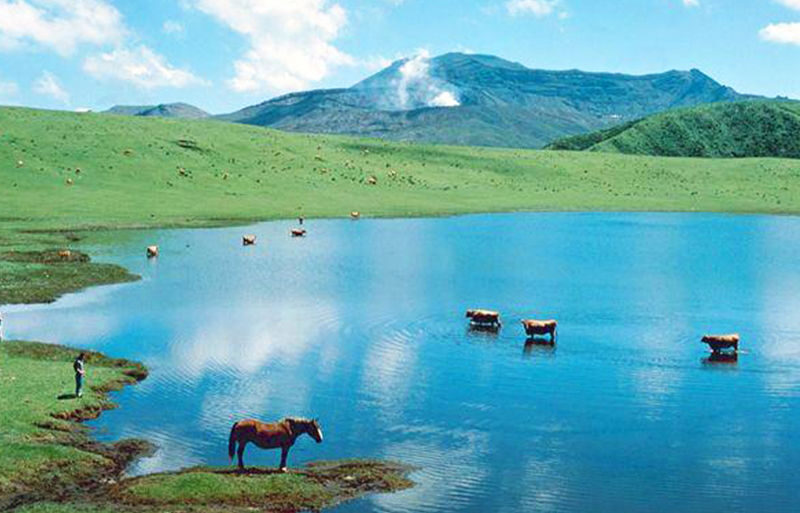
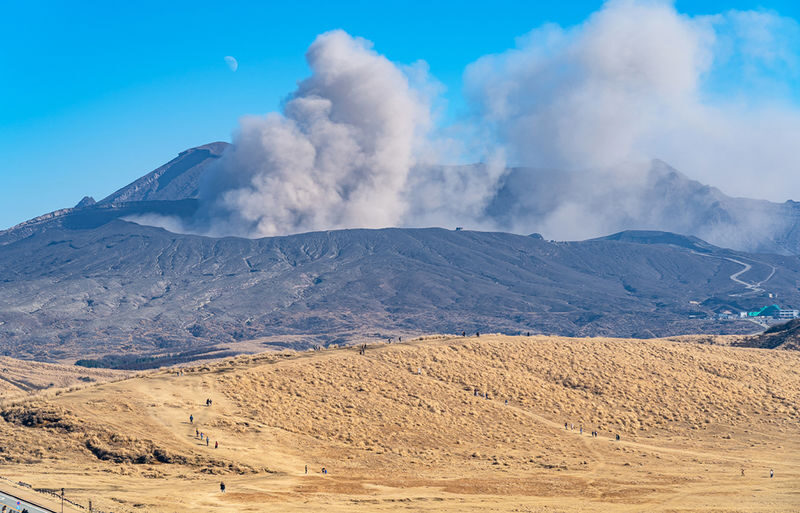
Aso’s volcanic terrain is the reason to make the long trip. At Kusasenri, open grassland spreads across the mountain setting, with cattle and horses grazing when conditions allow. The space and scale are a sharp change from Fukuoka’s city streets. On a clear day, it is the sort of place where you will want to put the camera away for a moment and simply take in the view.
The schedule gives the Aso stop about an hour and 25 minutes, though actual time can change. That window may need to cover walking, food, photographs, a shop, and any chosen activity. One person will happily use it for a short walk and a snack; another may find it cramped, especially if the day runs late or the weather is poor.
Horseback riding is available at Kusasenri for an additional charge. It offers a different way to cross the grassland, but it is not part of the tour price. The Aso Volcano Museum is another optional stop and also costs extra. If either matters to you, check how much free time your specific departure allows before planning around it.
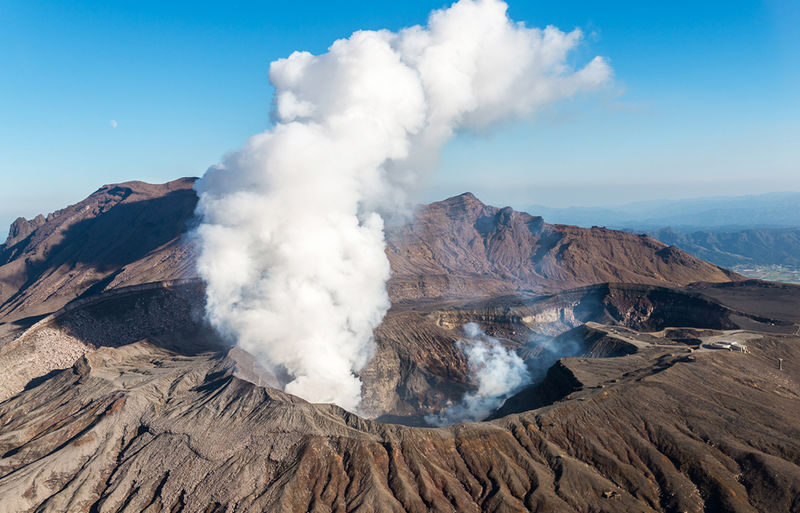
The crater is less predictable. Official authorities decide whether access is safe, and entry can be prohibited because of volcanic conditions. The supplied safety notice warns that toxic fumes may threaten people with asthma or bronchopulmonary heart disease. Follow current restrictions and take the warning seriously. A free shuttle service to the volcano is described as included, but it does not mean the crater itself will be open; the fee is nonrefundable if force majeure prevents access.
Weather can reshape the experience. Fog and heavy rain have left people unable to see much at Kusasenri or reach the crater, while clear days reveal the mountain’s broad forms and grazing country. You cannot choose the sky, so book this for the chance to see Aso, not a guarantee of a perfect summit view.
The tour offers two different endings, and this choice changes the mood of the day.
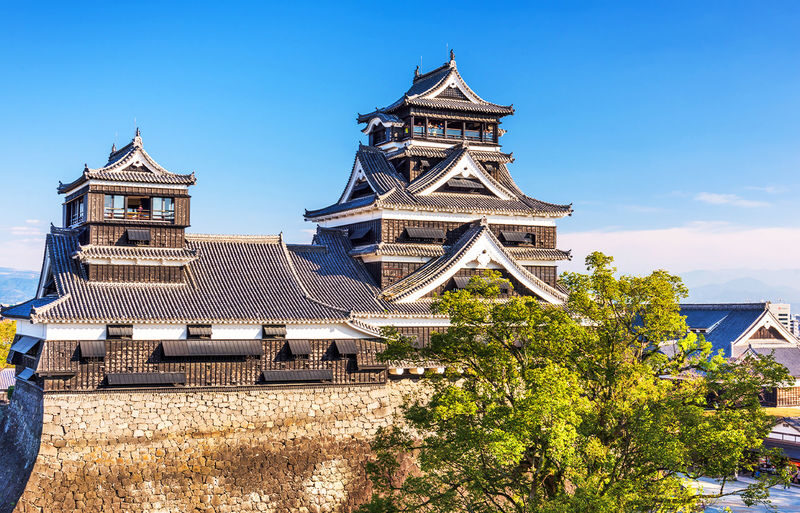
The Kumamoto Castle route trades a quiet mountain town for one of Japan’s best-known castles. The main keep and distinctive stone walls bring more than 400 years of history into the trip. Entry is not included, so allow for the admission cost. The time on site is limited, and the castle grounds and nearby Sakuranobaba Johsaien, where you can try Kumamoto food or shop for local goods, may compete for your attention. Decide what matters most rather than trying to do everything at a sprint.
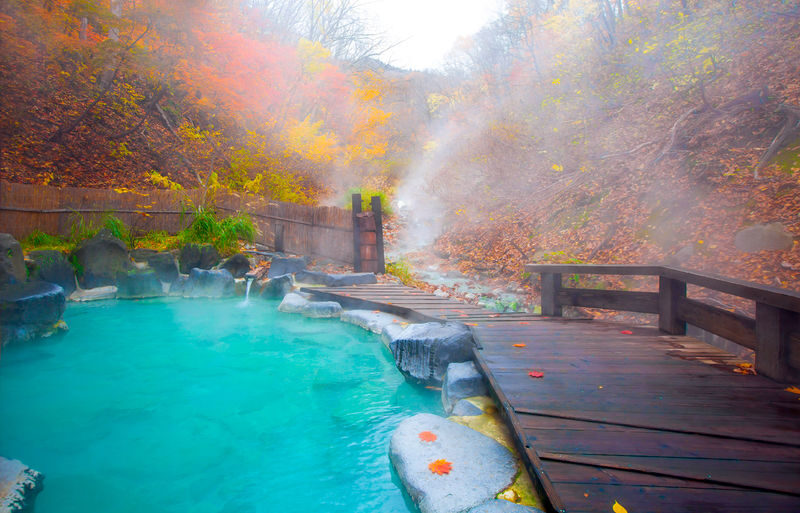
The Kurokawa Onsen route finishes in a mountain hot-spring town, with wooden streets and a slower pace. You can stroll the town or pay separately for an open-air bath, private bath, or foot bath. This is the more restorative choice, but the stop is not a full overnight stay. If soaking is your priority, check how much time is allocated and bring what you need for bathing.
Some schedule information also names Kumamon Square, and another stop description refers to it as a place you must reach on your own. That does not clearly line up with the two advertised route endings. Treat it as a sign that the schedule can vary or that information may be out of date, not as a guaranteed stop. Confirm your chosen package and final stop before departure.
The return is normally to the Hakata area in Fukuoka, not Kumamoto. One package description mentions a Kumamoto drop-off option while also saying there is no return to Kumamoto, so do not assume you can use this tour as a straightforward one-way transfer. Ask the operator to confirm any drop-off arrangement in writing.
At a starting price of $44.25, this can be strong value if you want transport and a guide to connect far-flung stops. The main saving is effort: you avoid piecing together a long journey by public transport and worrying about each connection. The trade-off is less control over how long you stay and what you see.
The included items are round-trip transfers from the meeting point, a guide in English, Chinese, Japanese, or Korean, and transportation costs to the Mount Aso volcano area as a complimentary item. The railway ticket is not included. Neither are meals, drinks, Kumamoto Castle admission, the Volcano Museum, horseback riding, hot-spring bathing, or personal purchases.
Build in a little extra spending money. A late lunch is possible on a long day, and Kusasenri’s time may require you to choose between eating, walking, and browsing. One participant described having lunch around 2:30 p.m. after a compressed stop. Bring a snack and water so you are not depending on a perfectly timed meal break.
The tour’s current advertised price may vary by date or promotion. Compare the total cost for your group, including the rail fare and any entry or bathing fees, rather than judging value by the starting price alone.
Arrive at the meeting point ten minutes early. The guide is due to hold a GOGODAY flag, and late arrivals or no-shows are not refunded. The operator sends guide and vehicle details by email between 8:00 and 9:00 p.m. the night before. Check your spam folder and use the latest message if more than one arrives.
Keep the day’s plan flexible. Traffic, weather, vehicle operating-hour rules, railway changes, capacity, and volcano restrictions can lead to a different order or omitted stops. Avoid scheduling dinner reservations or other activities soon after the estimated return. The operator warns that delays are possible and does not cover losses from missed plans.
If you are bringing luggage, request it when booking. One piece per person is allowed, with carry-on size recommended, but unannounced luggage may be refused if it makes the vehicle unsafe or crowded. Infants under three must be included in the passenger count even if they do not need a seat. Children aged three and up pay the adult rate; child seats are not available.
A few final realities: pets are prohibited, and the tour does not allow you to leave the group midway. Visitors aged 70 or older and pregnant participants must sign a liability waiver in advance. These rules are worth knowing before you choose a full-day shared trip.
I would choose this tour if you are based in Fukuoka, want to see Aso without arranging transport yourself, and are happy with a guided overview rather than a slow, independent visit. It suits people who enjoy changing scenery, value help with logistics, and can roll with a weather-driven plan.
The castle route is for you if Kumamoto’s historic architecture matters more than a soak. Pick Kurokawa if you want a relaxed town walk and the option of paying for a hot spring. For a serious crater visit, a long soak, or an unhurried castle tour, a one-day multi-stop schedule may feel too compressed.
Before paying, confirm the exact package, its stops, the train fare, and whether the crater or any temporary closures affect that date. The schedule details do not always align neatly, and that is the biggest booking caution. If the route is confirmed and the long ride does not bother you, this is a practical way to sample Kyushu’s volcanic country and choose the cultural finish that suits you.
“The tour guide is fluent in Chinese, Japanese, and Korean, provides clear explanations, and the railway journey was wonderful.”
The stated schedule runs from 9:00 a.m. to an estimated return between 6:45 and 7:15 p.m. Traffic and weather can delay arrival, so avoid booking other activities for that evening.
No. The railway is self-funded. The listed fare is ¥550 for a regular train or ¥2,000 for the limited Torokko train, depending on the day’s operation.
Not always. Access depends on official real-time safety conditions, and the crater may be closed. If access is restricted, the itinerary may be adjusted.
The tour offers a Kumamoto Castle route and a Kurokawa Onsen route. Check the selected package and its final instructions, as some schedule details do not match the route names clearly.
No. Meals and drinks, Kumamoto Castle admission, the Aso Volcano Museum, railway fares, horseback riding, hot-spring bathing, and personal expenses are not included.
The meeting point is in the Hakata Station area in Fukuoka. The stated return is near Lawson at Hotel Oriental Fukuoka. Arrive ten minutes early and check the final email for guide and vehicle details.