Physical Address
304 North Cardinal St.
Dorchester Center, MA 02124
Physical Address
304 North Cardinal St.
Dorchester Center, MA 02124

Compare seasonal stops, timing, transport and trade-offs on this Sapporo day tour to Biei and Furano, from flower fields to winter snow.
The big draw is simple: from Sapporo, one bus day links Biei’s blue water and rolling farm country with Furano’s famous flower fields, or, in winter, the zoo and snow-covered hills. I like the wide range of scenery in one day and the practical bus connection, since reaching these stops independently can mean awkward transfers and tight timing.
One caution: the tour has several seasonal packages, and the title can blur which stops belong to which route. Summer and winter itineraries differ, and groups under 12 may have a driver but no tour guide, so check the exact package before you pay.
At a glance

This is a long-distance day trip, not a quick hop to one attraction. The listed duration is about 10 hours, with a morning departure from Sapporo and an estimated return around 17:50. Much of the day is spent on the road between the city, Biei and Furano, but that travel is what makes the scattered countryside stops manageable in one outing.
You can choose from several packages, including summer and autumn routes, winter routes and a later summer departure. The summer morning plan described here begins at 07:50 or 08:00, depending on whether you meet at Odori Station or Sapporo Station North Exit. These are meeting-point departures, so do not assume hotel pickup applies to the package you are booking.
The central value is convenience. You avoid working out rural train and bus connections, and the driver handles the long stretches while you watch the scenery change. In return, you follow a fixed group schedule, with limited time at each stop and little room to linger.
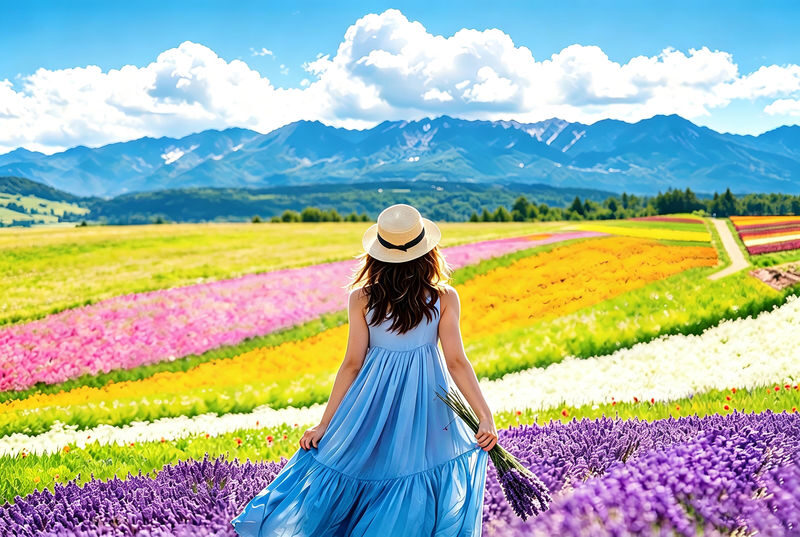
On the summer and autumn route, the bus passes through Patchwork Road, also called Roller Coaster Road, before reaching Shikisai-no-Oka. The short drive-by stop is mainly about the rolling farm country and the road’s rises and dips. It gives you a quick taste of the area rather than a proper visit.
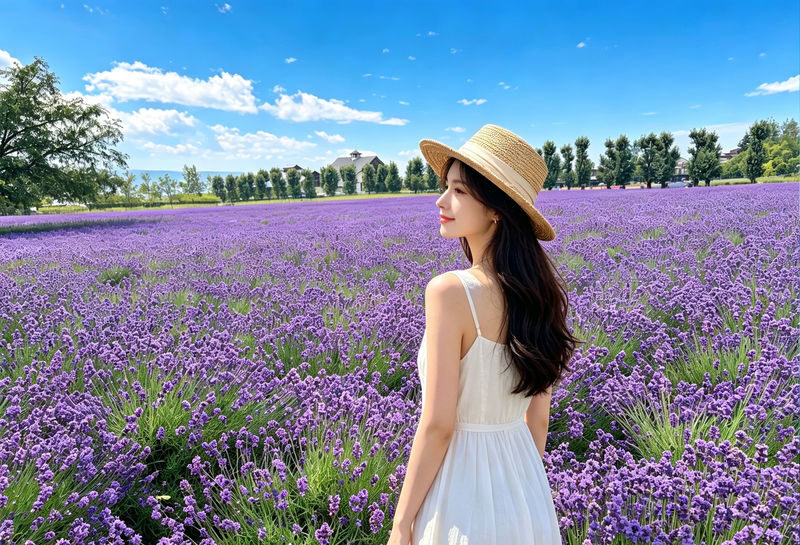
Shikisai-no-Oka is the main flower-field stop, with about an hour on the schedule. Its slopes are planted in broad bands of seasonal color, and the views across the hills are a big reason this route appeals to photographers. The exact display depends on the month and the weather. April is a poor choice for flowers; May and June can bring early blooms such as tulips, poppies and lupines, while July and August are typically the strongest months. Dahlias and cosmos may appear in September and October, though the fields can be partly harvested later in the season.
The listed schedule includes a 500-yen admission fee per person for July through September. Check the specific package details when booking, since inclusions can vary. You may also find optional activities at the site, but they are self-funded and not required.
An hour sounds generous beside the later 15-minute stops, but it still goes quickly if you want to walk the grounds, take photos and browse. Wear shoes you can walk in and bring a windproof layer. Hokkaido’s weather can shift, and the open fields offer little shelter.
You might also be interested in these Biei experiences
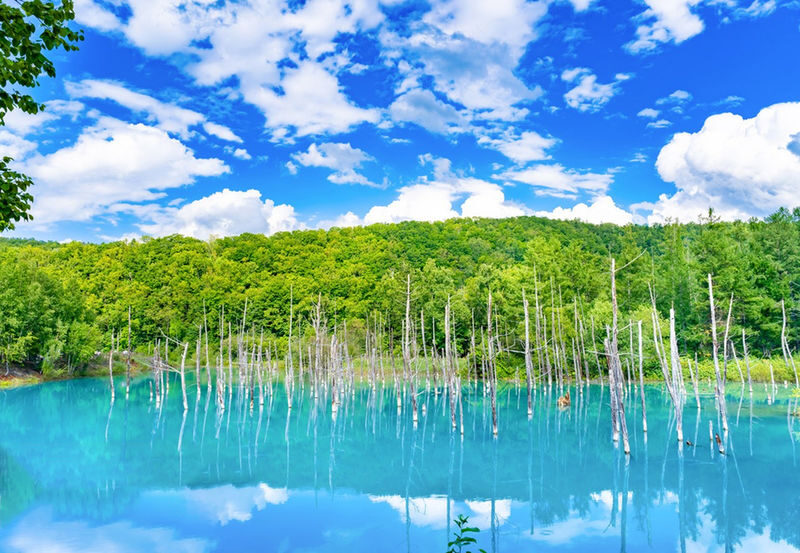
A 30-minute stop at Aoiike, or Blue Pond, gives you time to see the pond’s unusual blue water and take a few photos. Its color and appearance can change with the season and conditions, so it is best to think of this as a brief scenic pause rather than a guaranteed postcard view. The visit is short, but it adds a different kind of stop to a day otherwise centered on fields and farm scenery.
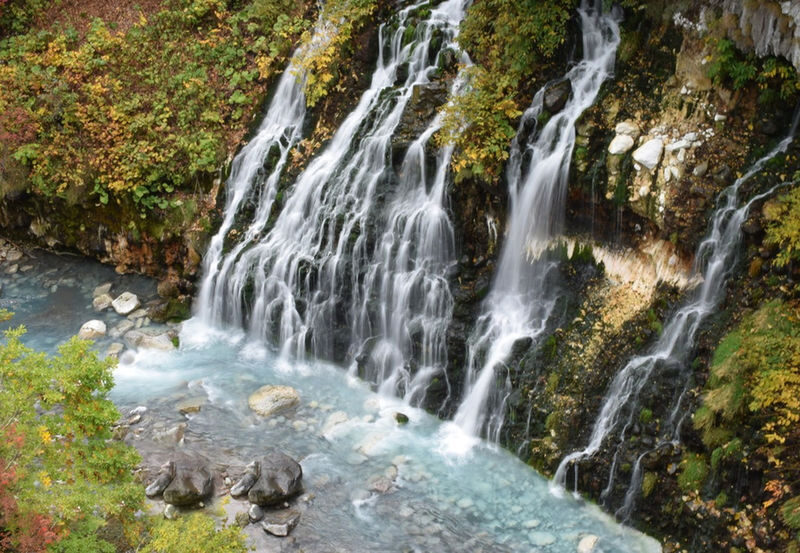
Next comes Shirahige Falls, with about 15 minutes to look at the water flowing through the Shirogane area. In winter, the falls can form ice, giving the place a very different character from its summer appearance. Fifteen minutes is enough for a quick look, not a long walk or a leisurely break.
These stops make the summer itinerary more varied than a flower-farm tour alone. Still, the tight schedule means you will need to be ready when the group is called. The tour has a strict timetable, and the guide may wait only five minutes before moving on.
The Furano-area break is scheduled for about an hour. You can eat at a recommended local restaurant, visit Herb Garden Furano or bring your own food. The guide may suggest local specialties, including ice cream and cantaloupe treats, but there is no required purchase. Vegetarian options are available; halal dining options are not currently listed.
Farm Tomita gets about 45 minutes. It is one of Furano’s best-known flower farms, with colorful rows and seasonal displays, including lavender in summer. The farm is also a good place to try lavender ice cream or Furano cantaloupe desserts, or pick up a small souvenir. Allow for queues if you are visiting during a busy period, since the stop is fixed and short.
This is a satisfying finale for a summer day, especially when flowers are in bloom. But don’t book on the assumption that the fields will match peak-season photos. Flowering varies by weather, and the strongest displays are generally expected from early July into September. By late September or October, some fields may already have been cut.
The winter package is a separate itinerary, not a cold-weather version of every summer stop. It focuses on Asahiyama Zoo, where you may see the popular penguin parade in winter. The parade is seasonal, so the chance to see it is not a guarantee. The zoo is Japan’s northernmost zoo, and its role in the winter route makes this option a better fit for animal lovers than for anyone set on seeing summer flower beds.
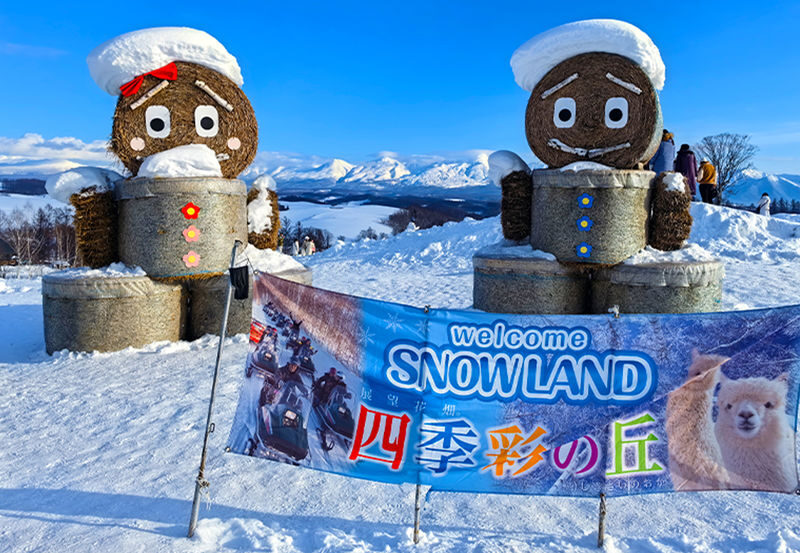
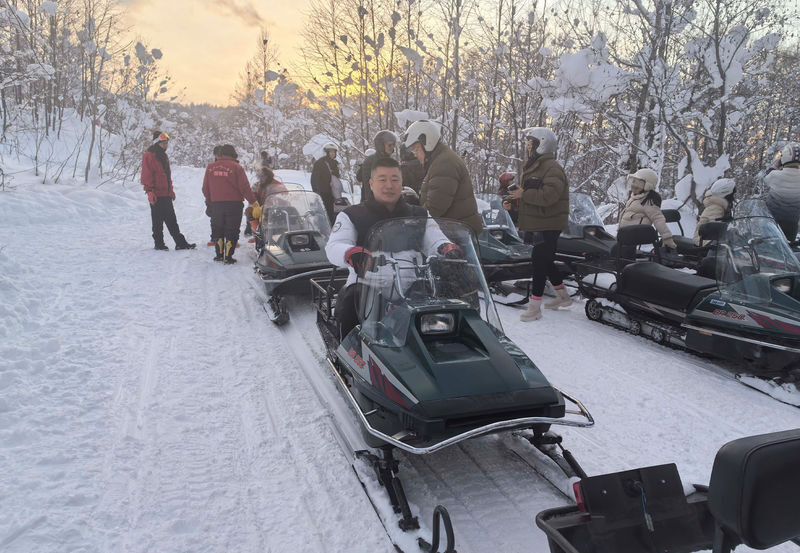
The route may then visit Shikisai-no-Oka or Chiyoda Farm, where the hills become broad snowfields. Snowmobiling may be available at Shikisai-no-Oka for an additional cost. It is optional, and you should follow the staff’s safety guidance and take part only if it suits your health and ability.
The Biei Christmas Tree is another roadside photo stop. If access is restricted, the route may use Ken & Mary’s Tree instead. Ningle Terrace, a group of forest cabins, rounds out the winter plan with a quieter stop. When road conditions are poor, Takushinkan may replace it.
Winter brings a different appeal, but also more uncertainty. Road controls, weather and snow conditions can prompt changes, and slippery surfaces call for shoes with good grip. Check the exact winter package carefully: some options list different stops, and the zoo is not part of the summer itinerary.

The guide can shape how useful the bus hours feel. Some guides, including Eric, Hikari and Chen Ling, are praised for giving clear explanations in Chinese and English, sometimes Japanese as well, and for sharing practical food and shopping tips. Guide assignments vary, however, and bilingual service is not something I would treat as certain for every departure.
There is an important group-size detail: when fewer than 12 people join, the operator may send a smaller vehicle with a driver only. For groups above 12, a driver and guide are arranged. If commentary in English is central to your decision, confirm the arrangement before booking rather than relying only on the tour’s bilingual description.
At a starting price of $47.39, the tour can be good value if you want several rural stops without renting a car or stitching together public transport. The price covers round-trip transfers from the meeting point, tolls, fuel and a Chinese- or English-speaking guide when one is provided. Meals, drinks, tips and personal spending are extra. The schedule notes the Shikisai-no-Oka admission fee for July through September, but check the precise package inclusions before you book.
The trade-off is time. A full day gives you access to multiple sights, but it does not give you a relaxed, in-depth visit at each one. Traffic, weather and holiday crowds can shorten stops or change the route; holiday delays of two to five hours are possible. Leave your evening flexible, especially if you have a train or another timed plan after the return.
The tour is a shared ride, and the meeting point is in central Sapporo. Choose either Odori Station Exit 31, with a 07:40 arrival for a 07:50 departure, or Sapporo Station North Exit Bus Terminal, Platform 5, with a 07:50 arrival for an 08:00 departure. The return is listed at Sapporo North Exit or Odori Subway Station.
The operator sends vehicle and guide details by email the day before. Check your inbox and spam folder, keep your phone available, and join the LINE group if a link is sent and you use LINE. Arriving late or missing the bus means no refund, so treat the meeting time as firm.
Pack for the season, including a windproof jacket and hat for open countryside. In winter, wear non-slip shoes. The bus ride is long enough that people prone to motion sickness are advised to bring medicine. Eating is not allowed on the bus, though sealed light snacks and unopened drinks are permitted.
This tour does not include travel insurance. The operator recommends arranging your own cover, particularly if you plan to take part in optional snow activities. Children under two can ride free only without a separate seat and must be reported in advance; children aged two and older pay the adult rate. Older participants should check the stated health and accompaniment requirements before booking.
I’d book it if you have one free day in Sapporo, want to see several countryside highlights and value transport over unhurried time at each stop. It is especially useful if you do not drive, since the sights are spread across Biei and Furano and can be awkward to link by public transport.
Choose your package by season and read its stop list closely. For summer flowers, aim for July or August if the fields are your main reason for going. For winter, choose the zoo-and-snow route only if its specific stops suit you, and accept that weather can alter the plan. If you want a slow visit, dependable English commentary in a small group or a guaranteed stop at every named attraction, this fixed-route tour may not be the right fit.
“The tour guide (Kevin Shao) was very professional, sharing many travel tips for Hokkaido and explaining the attractions in both Chinese and English…”

No. Asahiyama Zoo is part of the winter route. The summer and autumn route described here visits Patchwork Road, Shikisai-no-Oka, Blue Pond, Shirahige Falls, the Furano area and Farm Tomita. Check the selected package, since routes differ.
The departure details provided list meeting points at Odori Station or Sapporo Station North Exit Bus Terminal. Confirm your chosen package if you are expecting hotel pickup.
The listed duration is about 10 hours. The summer morning schedule starts at 07:50 or 08:00, depending on the meeting point, and estimates a return around 17:50. Traffic and weather can change the timing.
July and August are generally the strongest months for the flower fields. Early blooms may appear in May and June, and dahlias or cosmos may be seen in September and October. Flowering depends on weather, and April is listed as a poor month for flowers.
No. For groups under 12, the operator may use a smaller vehicle with a driver but no tour guide. For groups above 12, a driver and guide are arranged. Guide language and assignments can vary.
No. Meals and drinks are not included. The Furano-area stop allows time to eat, and you may bring your own food. Vegetarian options are available, but halal restaurants are not listed.
No. Snowmobiling is described as an optional activity at Shikisai-no-Oka and is self-funded. Follow the on-site safety instructions and consider your own ability before taking part.
The operator may change the order of stops, shorten the visit or replace an attraction with an alternative. Some routes may substitute Ken & Mary’s Tree or Takushinkan when access is restricted.
Bring a windproof jacket and hat because temperatures can vary through the day. For winter, wear non-slip shoes. If you are prone to motion sickness, prepare medicine in advance.