Physical Address
304 North Cardinal St.
Dorchester Center, MA 02124
Physical Address
304 North Cardinal St.
Dorchester Center, MA 02124

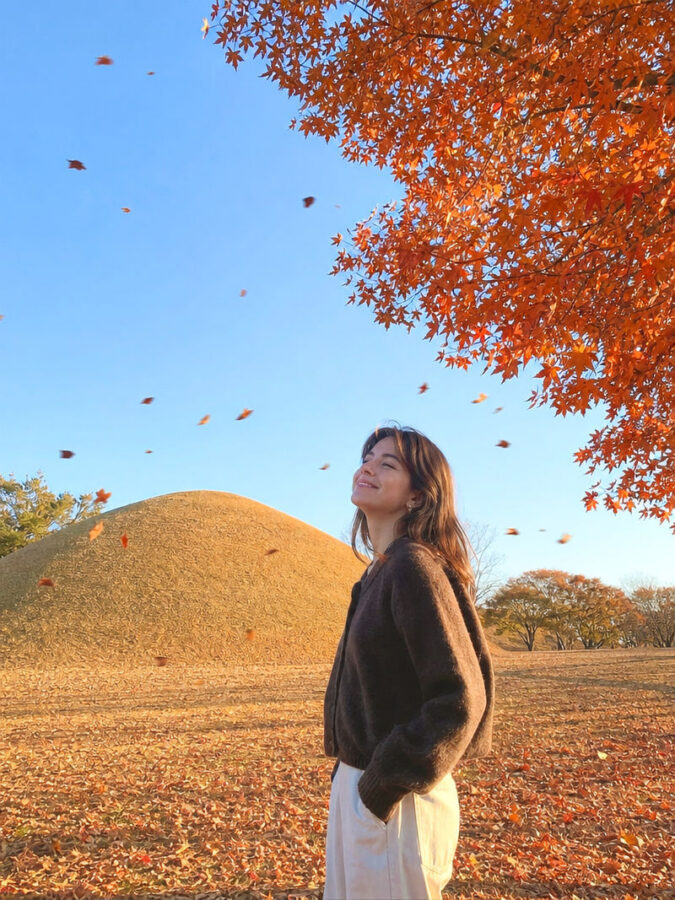
Visit Gyeongju from Busan on a full-day tour of Seokguram, Bulguksa, Cheomseongdae and evening palace scenery.
Gyeongju packs a thousand years of Korean history into a day trip from Busan. You’ll visit major Silla-era sites, from the mountain setting of Seokguram Grotto to Bulguksa Temple, then see Cheomseongdae and, on the listed route, Donggung Palace and Wolji Pond after dark.
I like two things in particular: transport from Busan takes the planning strain out of reaching Gyeongju, and an English-speaking guide can give the landmarks context that is hard to get from a quick look alone. Guides including Joseph Lee, Wonee and Kayla have been singled out for clear explanations, kind service and help with photos.
The trade-off is time. This is a long day with several stops and a return to Busan after 20:20, so you’ll need to keep moving. Some itineraries feel brisk, and the route can change with traffic, weather or local events.
Gyeongju was the capital of the Silla Kingdom, and its historic sites are spread out enough that reaching several of them on your own takes planning. This tour joins the main stops by road, with round-trip transport from Busan and a guide to explain what you’re seeing.
The appeal is not just ticking off monuments. A guide can connect a temple, grotto and observatory to the same broader story, and help you make sense of what might otherwise feel like a series of pretty photo stops. Past guides such as Jin Yan, Sherry and Joseph Lee have been praised for making their explanations lively and easy to follow. Your guide will depend on the departure and language option.
You’ll see different versions of the tour when booking. The seasonal UNESCO Highlights options are listed for April to September and October to March. Other choices add Yangdong Folk Village or focus on Seokguram Grotto. The private tour is a much bigger outlay, starting at $449.49, so the shared options make more sense if you mainly want transport and a set route.
You might also be interested in these Gyeongju experiences
The tour has three stated Busan boarding times: 09:00 at Busan Subway Station Exit 2, 09:20 at Seomyeon Subway Station Exit 12, and 10:00 at Haeundae Station Exit 7. The meeting instructions stress that these are subway exits, not the similarly named KTX station or underground shopping center exits. Look for the Lecirt logo and arrive ten minutes early.
That last detail matters. Late arrivals and no-shows are not refundable, and the bus will follow a schedule designed to cover several sites before returning to Busan. The ride also gives you a chance to rest between stops. One solo visitor appreciated being able to relax on the bus and stay in touch with the group through LINE, but that kind of contact arrangement may vary.
The advertised schedule lists Seokguram at 11:30, followed by Bulguksa at 12:50. That timing leaves room for the drive between stops, but traffic can alter the day. The operator may change the route or schedule because of weather and road conditions, so treat the times as a plan rather than a promise.
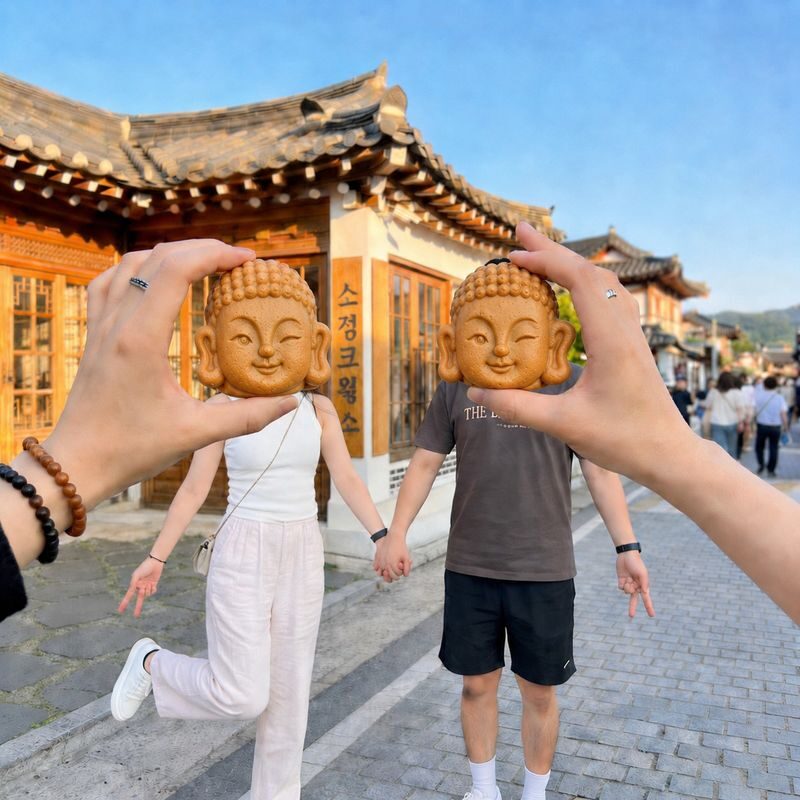
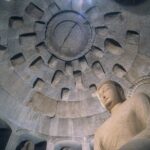
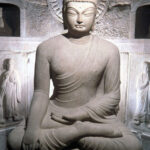
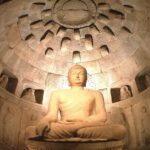
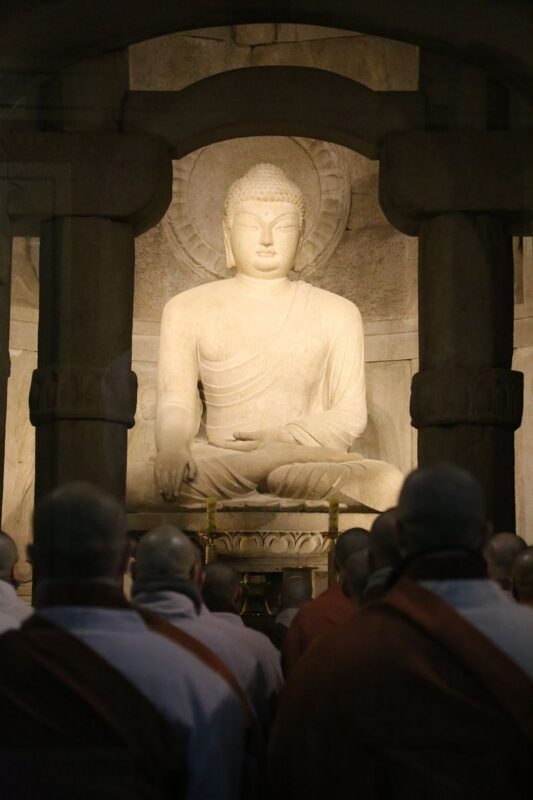
The Seokguram option begins at the grotto, a key UNESCO site in the Gyeongju program. Its setting offers a calmer start than a crowded town street, and the stop gives your guide a chance to introduce the Silla period before you move on to the temple.
Allow for the fact that this is a group visit within a packed day. You won’t have unlimited time to linger, and the tour is not recommended for anyone with impaired physical mobility. If you’re comfortable with walking and want the main cultural highlights without managing transport yourself, the stop is a strong reason to choose this version.
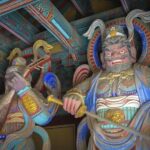
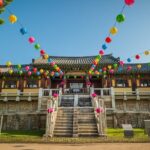
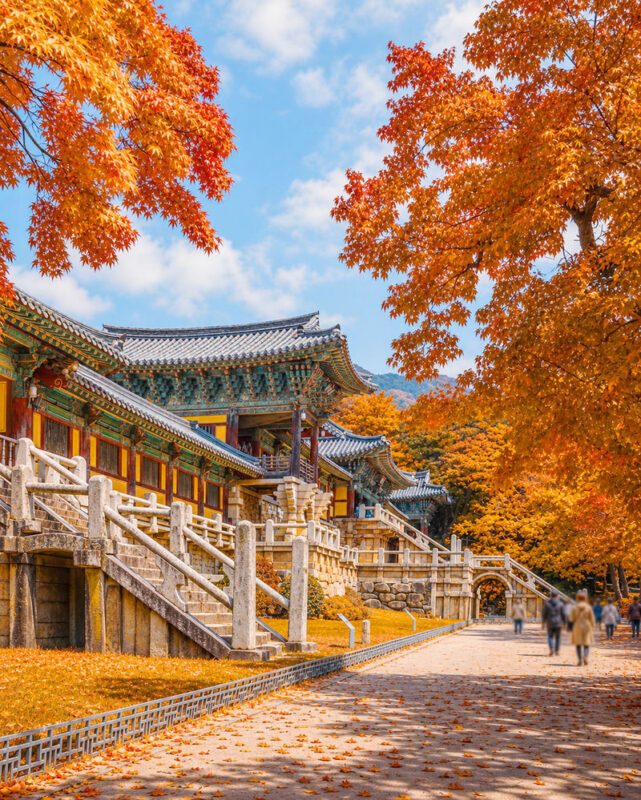
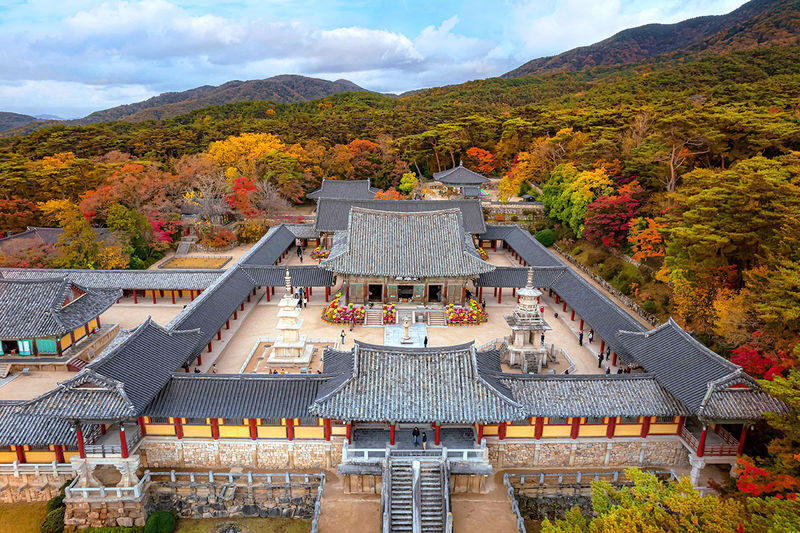
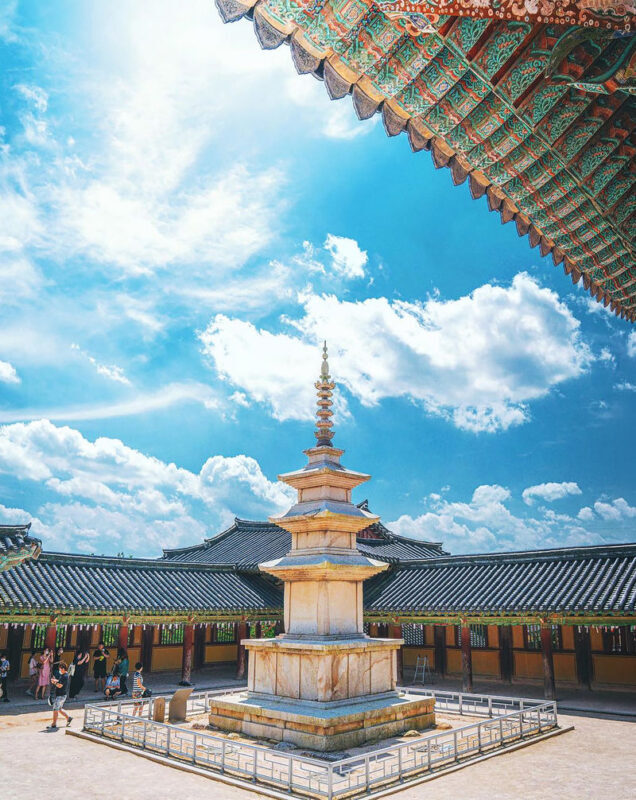
Bulguksa is one of the tour’s main UNESCO highlights. It gives you a temple setting to contrast with Seokguram, and the guide’s explanation can help you understand the religious traditions tied to the places you’re seeing. Some guides, including Wonee, have been praised for explaining both the historical background and the religious meaning in accessible terms.
Lunch follows at about 14:20, and it is not included. You can bring your own plan, or check whether the guide is arranging an optional group meal on your departure. Some groups have had a local lunch organized in advance, including vegetarian food, but it is an extra cost and not guaranteed for every tour. Bring cash as a practical precaution: one lunch venue was reported to prefer it.
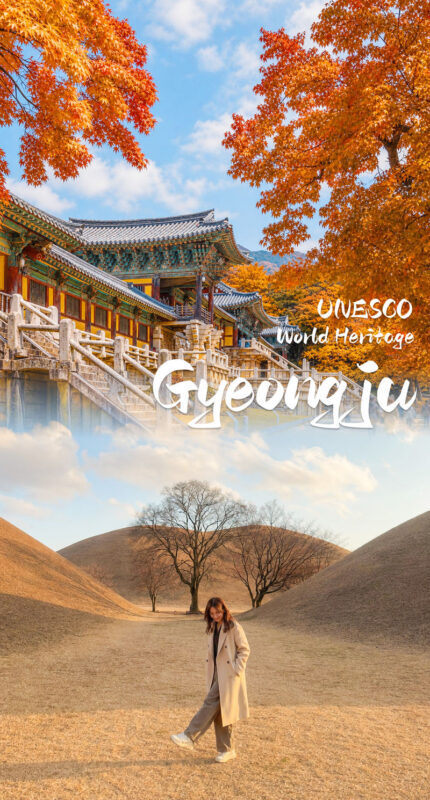
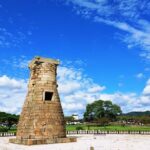
At 16:00, the listed itinerary allows 40 minutes at Cheomseongdae, a historic observatory and one of Gyeongju’s most recognizable landmarks. This stop is self-guided, so you can take photos and look around at your own pace instead of following a talk throughout.
Forty minutes is enough for a focused visit, not an extended exploration. That distinction also explains the 40-minute duration sometimes attached to the activity: the tour itself is a full day, while this is the stated time at this one stop. If photography is important to you, guides have been noted for suggesting good angles and helping take group pictures, though the Cheomseongdae period itself is self-guided.
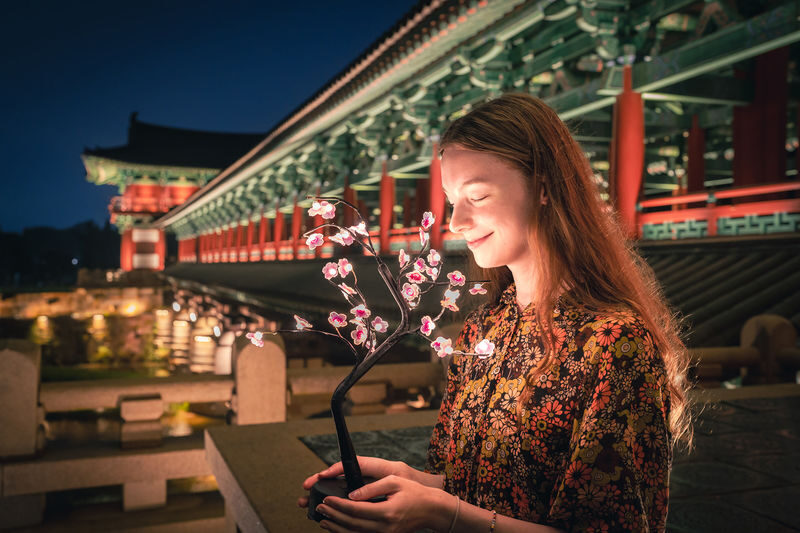
The listed plan reaches Donggung Palace and Wolji Pond at 18:10, then starts the return to Busan from 20:20. The evening visit is a highlight for anyone drawn to illuminated historic sites. The palace and pond offer a different mood from the daytime temple visits, and the shift from daylight to night gives the itinerary a satisfying finish.
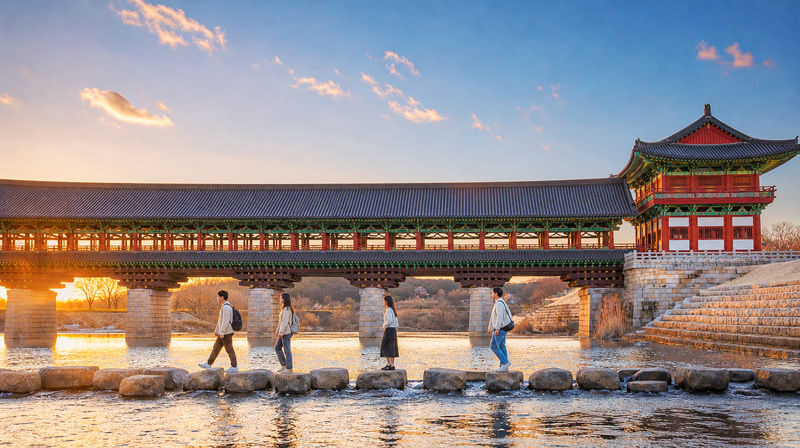
There is a catch: the view depends on the season, schedule and local conditions. The tour notes longer daylight sightseeing from April to September and winter sunsets from October to March. Events or temporary structures can also affect a planned viewpoint. In one tour, a fireworks and drone show changed a night visit to a daytime stop; another group found a festival stage affected its view of Woljeonggyo Bridge. If a particular night scene is your main reason for booking, be ready for a change of plan.
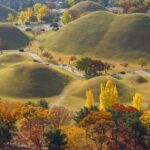
Some versions of the route include additional places such as Gyochon Traditional Village, Daereungwon Tomb Complex, Hwangridan-gil or Woljeonggyo Bridge. These are not all shown in the Seokguram itinerary above, so check the selected package rather than assuming every tour visits every site. The route can also shift with traffic and weather.
The Seokguram Grotto package starts at $26.25. Seasonal UNESCO Highlights options start at $59.19, the Yangdong Folk Village option at $60.10, and the private tour at $449.49. Prices can change, but the gap between options makes the route comparison worthwhile. The lowest starting price is not automatically the best match if another version includes the site you most want to see.
Admission to attractions, round-trip transfers from the meeting point and an English-speaking professional driver or guide are included. Meals, drinks, personal expenses and insurance are not. For a one-day visit with multiple stops, transport is a meaningful part of the value: you avoid organizing each leg yourself and can use the day for sightseeing rather than route-finding.
The downside is the fixed pace. A private tour costs much more, but offers a different format; the listed details do not spell out its precise schedule or inclusions. If you want more control over how long you spend at each place, compare that option carefully rather than assuming the shared tour can stretch to fit your preferred pace.
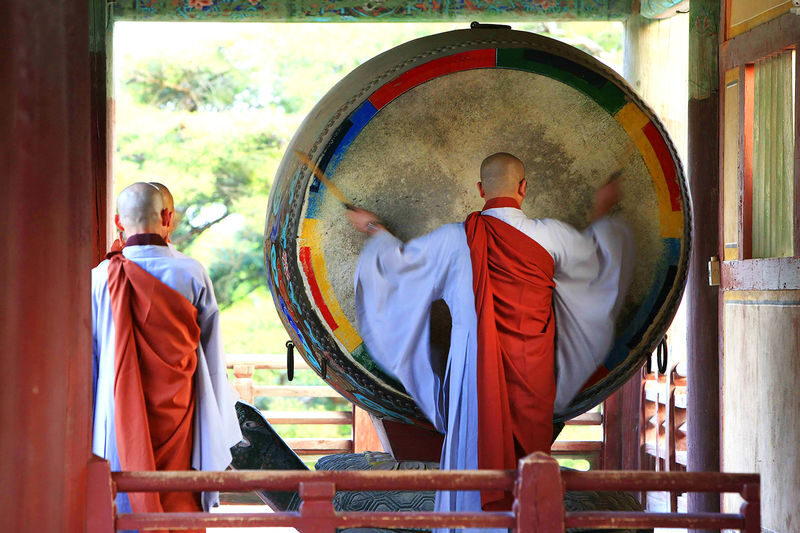
A good guide matters on a day this full. Names that appear across tour departures include Joseph Lee, Wonee, Kayla, Sherry, Jin Yan and Hyony. They have been praised for clear historical explanations, keeping the group on schedule, helping with photographs and looking after people along the route. Those are useful qualities when several languages or groups may be handled at the same time.
Some departures offer a choice to listen to the guide or explore a stop independently. If you prefer a quieter visit, that flexibility can help, but it depends on the stop and the guide’s instructions. The English-speaking guide is part of the listed package; language-specific tours may be available under separate options.
The group format can also suit solo visitors. You’ll have transport, a defined itinerary and a guide to turn to if you need help. But this is not a small private outing, and you should expect to keep an eye on the time and return to the meeting point promptly.
Dress for the day’s weather, and pack sunscreen and cash. You’ll be outdoors at several points, with walking between the vehicle and sites. Water and candy have been offered by guides on some departures, but don’t count on those extras; bring what you need.
The tour is not wheelchair-accessible, child seats are unavailable, and pets are prohibited. Children aged 0 to 2 can join free, but no child seat is provided. The activity is also not recommended for elderly participants or anyone with serious medical conditions, so consider the walking, stairs and long schedule before booking.
Weather can affect the route, and extreme conditions or unforeseen events can lead to cancellation. If that happens, you can request a refund or choose another date. For a personal cancellation, the stated full-refund cutoff is at least 24 hours before the activity date, in destination local time.
Book it if you’re staying in Busan and want a practical way to see several Gyeongju highlights in one day, with transport and historical context handled for you. The strongest reasons are the multi-stop route, evening scenery and guides who can bring the sites to life. It is especially useful for a first visit when you don’t want to piece together the connections yourself.
Think twice if you need a slow pace, step-free access or guaranteed time at one specific site. Compare the package names and stop lists before paying: Yangdong Folk Village, Seokguram and the seasonal highlights are distinct choices, and extra stops can vary. If a long day and a flexible schedule suit you, this is a good-value way to get an introduction to Gyeongju from Busan.
“A Gyeongju day trip was not originally in our itinerary, but we joined one by chance, and it was a very worthwhile trip. The transportation, explan…”
It is a full-day trip. The schedule begins with Busan departures from 09:00 and lists return departures from Gyeongju from 20:20. The 40-minute duration refers to the Cheomseongdae stop on the Seokguram itinerary, not the whole tour.
The stated boarding points are Busan Subway Station Exit 2 at 09:00, Seomyeon Subway Station Exit 12 at 09:20, and Haeundae Station Exit 7 at 10:00. Arrive ten minutes before your departure and check for the Lecirt logo.
Admission to attractions, round-trip transfers from the meeting point, and an English-speaking professional driver or guide are included. Meals, beverages, personal expenses and insurance are not included.
No. Lunch is at your own expense. Some groups may have an optional meal organized, but that is not guaranteed. Bring cash because some lunch venues prefer it.
The listed Seokguram Grotto itinerary includes Seokguram, Bulguksa Temple, Cheomseongdae, and Donggung Palace with Wolji Pond. Other package versions may include places such as Yangdong Folk Village, and routes can vary.
No. The activity is not wheelchair-accessible and is not recommended for people with impaired physical mobility or serious medical conditions.
The stated cancellation terms offer a full refund if you cancel at least 24 hours before the activity date, using destination local time. If extreme weather or an unforeseen event cancels the tour, you can request a refund or book another date.