Physical Address
304 North Cardinal St.
Dorchester Center, MA 02124
Physical Address
304 North Cardinal St.
Dorchester Center, MA 02124

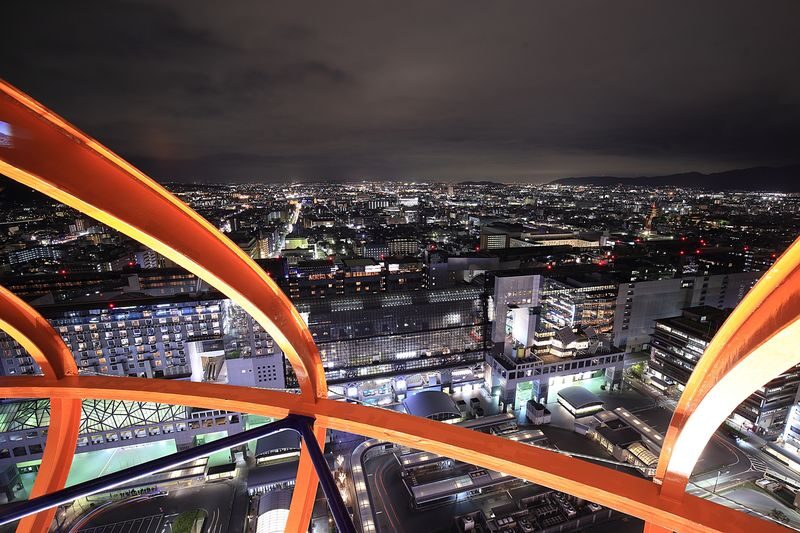
See Kyoto from 100 meters up at Nidec Kyoto Tower, with 360-degree city views, free binoculars, and a handy spot beside Kyoto Station.
Kyoto’s temples and shrines are best known from street level, but Nidec Kyoto Tower gives you a different way to read the city: from its 100-meter observation deck, you can see the broad pattern of rooftops, mountains, and famous landmarks. I like the free binoculars and touch panels, which make the view more than a pretty panorama, and I like how easily the tower fits beside Kyoto Station.
The trade-off is that the observatory is compact, and the experience can feel brief if you have visited several Japanese observation decks already. For a modest ticket price, though, it is a handy stop for a first or last day in Kyoto, especially around sunset or after dark.
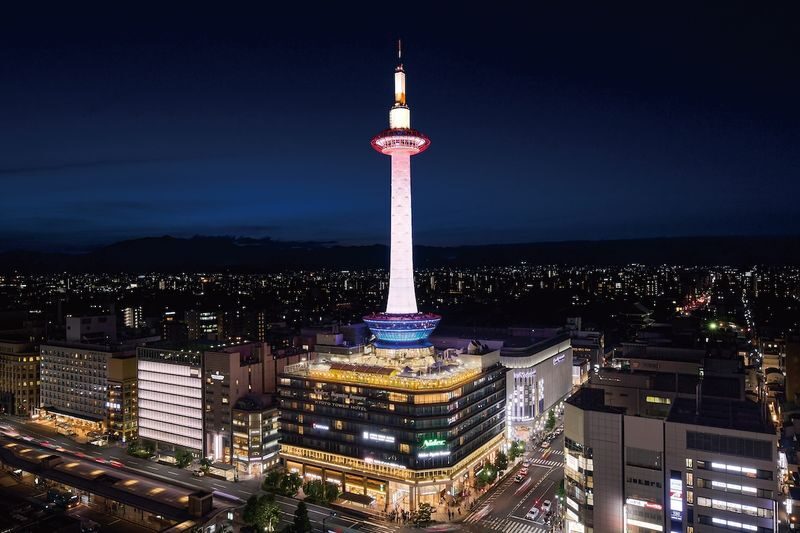
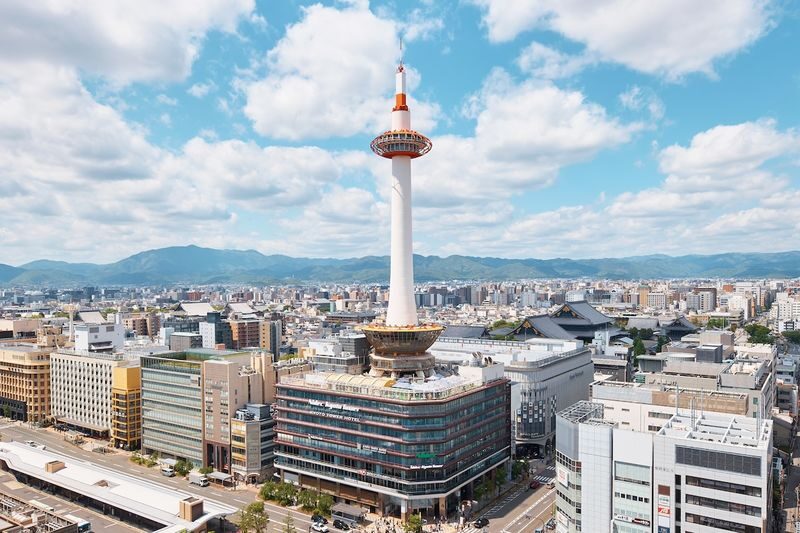
Nidec Kyoto Tower rises to 131 meters, making it Kyoto’s tallest structure. Its observation deck is at 100 meters, high enough to give you a useful view over the city without requiring a long trek or a full afternoon.
The tower sits just north of Kyoto Station, across from the station’s Karasuma side. Follow the signs from the Central Exit, or use the underground passage that leads into the tower building. That position is part of its appeal: you can go up soon after arriving in Kyoto, or save the view for the day you leave.
The tower was renamed Nidec Kyoto Tower on April 1, 2024. You may still hear it called Kyoto Tower, which remains the familiar name for many people. Either way, it is easy to spot from the station and serves as a useful landmark when you are getting your bearings.
I see the tower as a good contrast to Kyoto’s older sights. The city’s temples and shrines reward close attention to buildings, gardens, and ritual spaces. From above, you get a sense of how the city spreads between its surrounding mountains, and how different neighborhoods and landmarks relate to one another.
You might also be interested in these Kyoto experiences
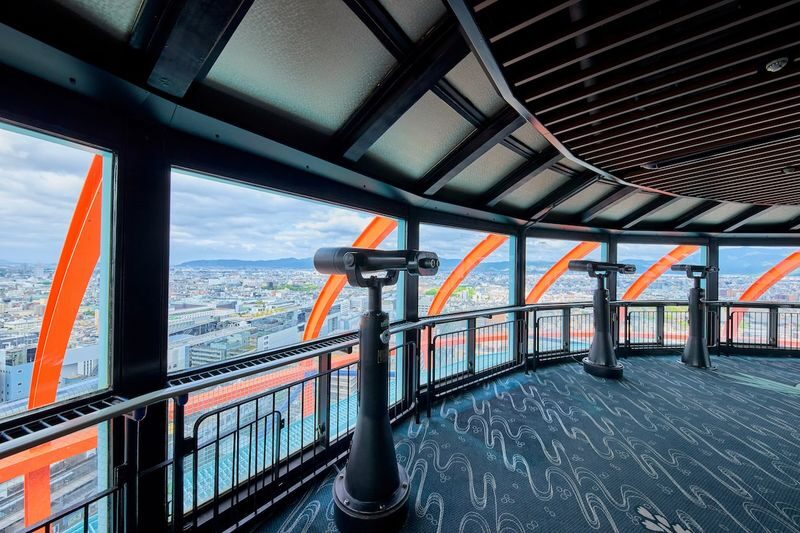
Your main reason to buy this ticket is the observation deck. Once inside, you head up to the viewing level for a 360-degree panorama of Kyoto. There is no guide or set route to follow, so you can take the visit at your own pace and move around the deck looking for landmarks.
The height is enough to make the city feel newly legible. You can search for Kiyomizu-dera, Toji Temple, Chion-in Temple, and Fushimi Inari Shrine, then look toward the mountains around Kyoto. On a clear day, the view may reach as far as Osaka. Haze, clouds, and rain can limit what you see, so the weather matters more here than it does at an indoor museum.
Free binoculars and telescopes give you a closer look at distant details. Touch panels offer information about notable sights, helping you connect names with the shapes on the horizon. I like these practical touches: without them, a wide city view can become a pleasant blur of rooftops. They help turn looking into a small sightseeing activity.
The deck is not especially large, and there may not be much room to sit or linger. That suits a quick visit, but it may disappoint if you expect a spacious lounge or a major attraction with several floors of exhibits. Some people find the experience ordinary after visiting taller or more elaborate observation decks in Japan. The value depends on what you want: a simple Kyoto viewpoint, rather than a full-scale attraction.
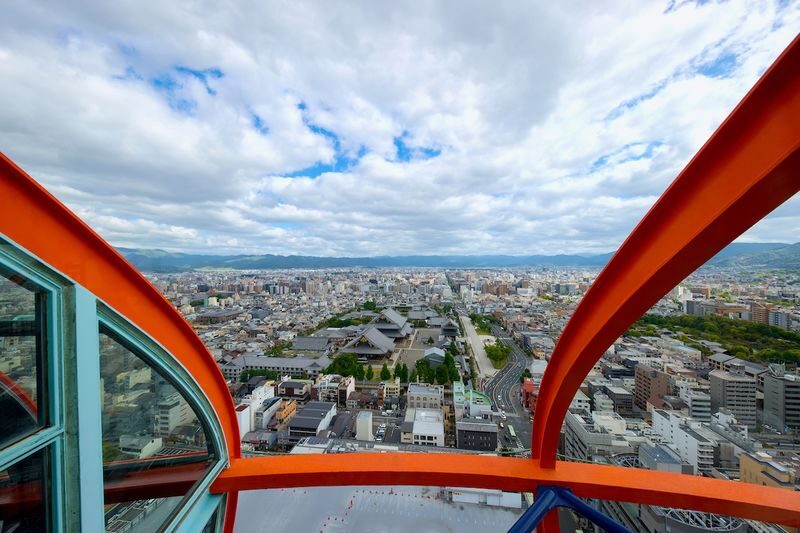
Kyoto is famous for its historic sites, but many of them sit within a large modern city. From the tower, you can see the scale of that setting. Temples and shrines are not isolated from daily life; they are part of a city of homes, roads, shops, and rail lines, framed by hills in the distance.
That change in perspective can be especially useful early in your stay. You may spot a temple you plan to visit, or simply get a sense of the distances between districts. The tower will not replace a temple visit, of course. It gives you a broad overview, while the details and atmosphere of Kyoto’s sacred sites are best experienced on the ground.
Use the viewing aids to look for specific landmarks rather than trying to take in everything at once. The observation deck has photo spots, and visitors can also use a photo area on a lower floor for a commemorative picture. A free photo keepsake has been offered, but treat that as a possible extra rather than a guaranteed part of your ticket.
For the clearest distant views, go on a clear day. A weekday morning may be quieter, according to the available visiting advice, while sunset is a popular choice for good reason: you can watch the city shift from daylight to evening lights. Suggested sunset times are around 7:00 p.m. in summer and 5:00 p.m. in winter, though the exact time changes through the year.
A nighttime visit has its own appeal. Kyoto’s lights give the view a different character, and the tower stays open into the evening. If you want both a daylight panorama and a night view, time your visit near sunset, but check the current hours before setting out. The supplied hours differ: one set gives 10:00 a.m. to 9:00 p.m., while the current activity details state 11:00 a.m. to 9:00 p.m. Last admission is listed as 30 minutes before closing in the important information, while another section says 20 minutes. Confirm the official schedule on the day.
Cloud cover and visibility are worth checking before you pay. You can still enjoy the city from above in less-than-perfect weather, but hazy conditions may hide distant mountains and landmarks. If the forecast is poor, consider saving the tower for another day if your schedule allows.
The admission ticket covers entry to Nidec Kyoto Tower, not every activity in the building. You can browse souvenir shops for Kyoto-themed keepsakes, crafts, and treats, or look into the restaurants, which offer traditional and contemporary food. A Sky Lounge Bar is also listed among the building’s facilities, with a chance to enjoy a drink alongside the view.
Other activities described in the building include making fake food replicas, preparing fresh sushi, and visiting a kimono rental shop. These can add a more hands-on or cultural element to your stop, but they are separate from the tower admission. Check the details and operating hours for any activity you want to try rather than assuming it comes with the observatory ticket.
A public bathhouse is also mentioned as one of the building’s amenities. Since facilities and opening times can change, confirm what is currently open if it is part of your plan. The tower itself is the dependable core of the visit; the other options are best treated as ways to extend your time nearby.
The ticket starts at $6.35, though the final price can vary. At that level, the value is strong if you want a quick, convenient city view, especially since the observation deck has free binoculars and touch panels. It is also a low-effort way to add a different perspective between temple visits or while passing through Kyoto Station.
The value is less clear if you have already visited several observation decks and are expecting something elaborate. The tower is not a long attraction, and the deck has limited space. Some visitors are ready to leave after a short look, while others stay longer for photos, landmark spotting, and the changing evening light. Think of the ticket as paying for a viewpoint, not a half-day program.
Parking can change the calculation. One visitor noted that parking for a family could cost more than the tower tickets. Since the tower is only a short walk from Kyoto Station, arriving by train is the sensible choice for most people.
The ticket is valid for 90 days from booking confirmation and expires at 8:30 p.m. on the final day. It is a mobile voucher, and you can enter directly by presenting it. Do not click the redemption link before you arrive, since opening it redeems the voucher. The ticket cannot be cancelled or refunded, so check your dates and the weather before buying if your plans are flexible.
I would put Nidec Kyoto Tower on the list if you are new to Kyoto, want an easy activity near the station, or enjoy looking for landmarks from above. Families may appreciate the quick format and simple logistics, while photographers can use the skyline and photo spots as a change of pace from temple gardens and street scenes.
It is also a practical choice when you have a spare hour. You can visit before checking in, between train connections, or as a final stop before leaving town. The tower’s location makes that flexibility unusually useful.
You can skip it without losing the heart of a Kyoto visit if your schedule is packed with temples, gardens, and neighborhood walks. The tower does not offer the intimate detail or historical atmosphere of those places. Its strength is the overview: one compact stop that helps you see the city as a whole.
Book if you want a straightforward, fairly inexpensive view of Kyoto, and especially if you can go on a clear evening or around sunset. The station-side location, free binoculars, and 360-degree outlook make it an easy addition to a busy itinerary.
Skip it if you are short on time and prefer to spend every hour on Kyoto’s historic sites, or if you expect a large, highly interactive observation attraction. For most people, the best plan is to keep it simple: check the weather and current hours, allow about an hour, and use the deck to spot the city’s landmarks before heading back down.
“Great, quick view to check while in the city.”
The tower reaches 131 meters. Its observation deck is 100 meters above the ground.
The deck offers a 360-degree view of Kyoto. You may be able to spot Kiyomizu-dera, Toji Temple, Fushimi Inari Shrine, Chion-in Temple, and Mt. Hiei. On a clear day, the view can reach as far as Osaka.
The tower is about a two-minute walk from JR Kyoto Station’s Central Exit. It is also accessible through an underground passage from the station.
Plan for around one to two hours if you want time for the observation deck and other facilities in the building. The deck itself may take much less time to see.
The provided information lists daily hours ending at 9:00 p.m., but gives different opening and last-entry times. Check the official website before your visit, as hours may vary.
The ticket includes admission to Nidec Kyoto Tower. Personal expenses and activities in the building, such as dining or cultural experiences, are not included.
The voucher is valid for 90 days from booking confirmation, and the information says it can be used after booking. Present the mobile voucher at entry, and do not click its redemption link before your visit.