Physical Address
304 North Cardinal St.
Dorchester Center, MA 02124
Physical Address
304 North Cardinal St.
Dorchester Center, MA 02124

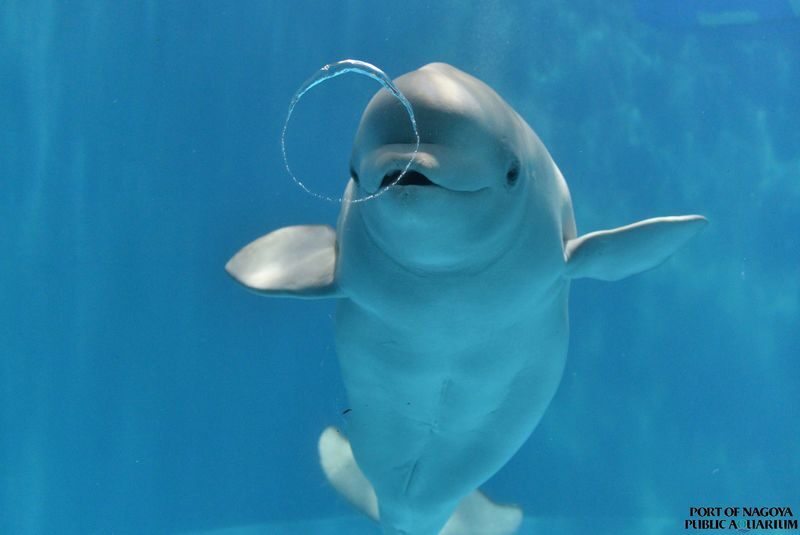
See killer whales, belugas, penguins and feeding sessions at Nagoya Aquarium. Plan a 3 to 4 hour visit and use a date-specific ticket.
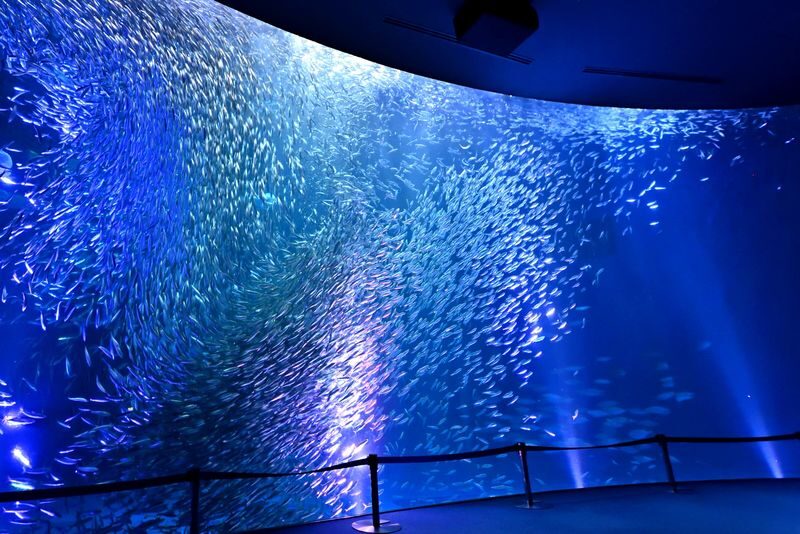
A killer whale, two belugas, dolphins and penguins make this aquarium an unusually strong choice for a half-day in Nagoya. The sardine feeding, when the school twists together in a bright, moving cloud, is another highlight worth timing your visit around.
I like two things in particular: the variety of large marine animals, including killer whales that are not easy to see at many aquariums, and the range of scheduled shows and feeding sessions that gives a visit some rhythm. Buying ahead can also save you from a ticket-counter queue, especially on a busy day.
One consideration: the aquarium is spread across North and South buildings, but some people find the show areas crowded or too small for a clear view. And while the ticket covers the aquarium, it does not include the nearby maritime museum, observation lounge or Antarctic research ship Fuji.
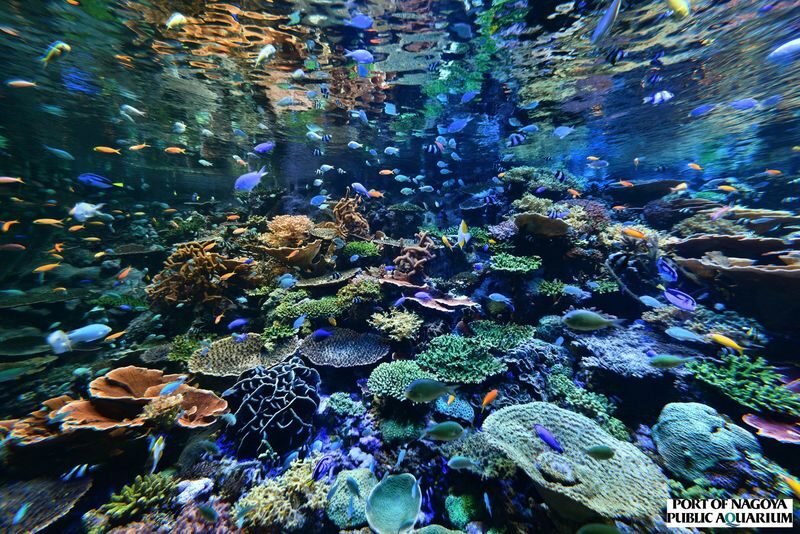
Port of Nagoya Public Aquarium is a good fit if you want more than tanks of fish. Its major draw is the chance to see killer whales, belugas and dolphins in one place, along with penguins, sea turtles and a wide range of other marine animals. The aquarium’s programs also aim to explain how sea creatures live and have evolved.
Plan on spending 3 to 4 hours here. You can move through the exhibits at your own pace, but the visit works best when you also leave time for feeding sessions and performances. Since times can change, check the current schedule with staff when you arrive rather than building your whole day around a single advertised event.
The aquarium is in Nagoya’s Minato area, near the last stop on the Meiko subway line, Nagoyako. From central Nagoya, the trip involves a subway transfer, so this is not a quick stop beside Nagoya Station. The reward is a full indoor attraction that can make a useful half-day plan, including when the weather is poor.
You might also be interested in these Nagoya experiences
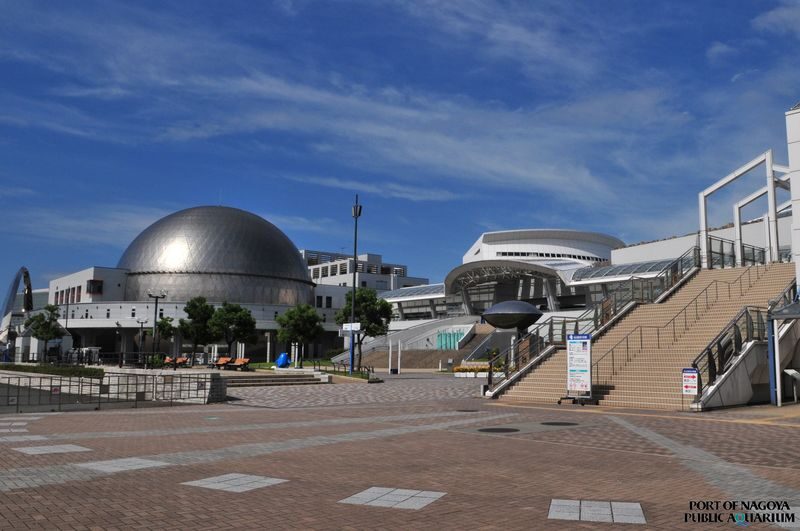
The aquarium is arranged in North and South buildings. The North building is the natural place to start if your main interest is marine mammals. It features the animals many people come to see, including killer whales, belugas and dolphins. The large animals draw attention quickly, so it can be worth taking a moment to read the signs and watch how they move rather than hurrying from one viewing window to the next.
The South building has the feel of a more traditional aquarium, with a broader look at marine life. Together, the two sections help make the visit more varied than a stop focused only on the headline mammals. If your time is short, check the show and feeding schedule first, then fit the exhibits around the events you most want to see.
Do not mistake the buildings for separate attractions. Your ticket is for the aquarium, and a same-day hand stamp allows you to re-enter if you want to step out and come back. If you plan to use that option, ask for the stamp before leaving and show it when you return.
The killer whale is a major reason to visit. The aquarium also has belugas and dolphins, giving you a chance to compare several kinds of marine mammals in one outing. For families or anyone fascinated by these animals, that range can justify the trip on its own.
The performance experience needs a little flexibility. Show arrangements can change, and some visitors may find the killer whale viewing area crowded or have a less direct view than they hoped. A few have found themselves watching a screen rather than seeing the animal clearly from their seat. Do not assume that every show will have the format or visibility you imagine.
The dolphin show is another popular event, and it is often singled out as a highlight. Arrive early if a particular performance matters to you, especially on a busy day. The available information does not promise reserved seating, so treat a good view as something to plan for, not a certainty.
Animal welfare is also part of the experience to think about. Seeing these powerful animals up close can be memorable, but it may also prompt questions about keeping marine mammals in an aquarium. The aquarium presents programs about ecology and animal life; you can enjoy the exhibits while still considering the trade-offs involved in captive care.
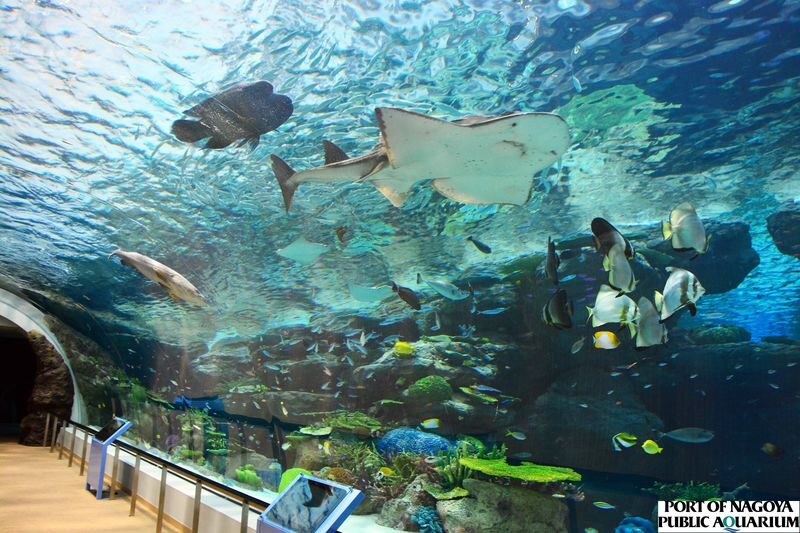
Make time for feeding sessions if the schedule allows. The sardine feeding is especially distinctive: a large school moving together can create a shifting, swirling display that feels quite different from watching a single animal at a tank. It is one of the best reasons to check the program as soon as you arrive.
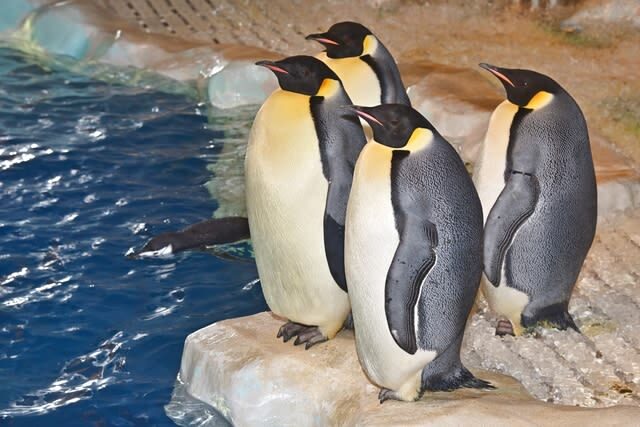
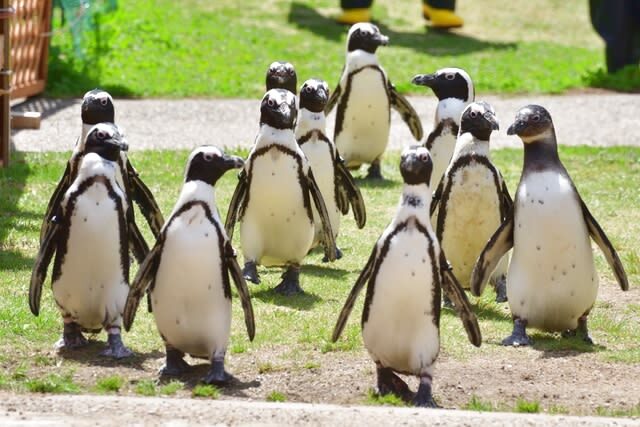
Penguin feeding is another appealing stop, particularly if you are visiting with children or simply enjoy watching animals at close range. Other feeding sessions take place at different tanks, though the exact timing may change. Ask staff for the day’s schedule rather than assuming a time found elsewhere will still apply.
These short programs give the visit a useful structure. Instead of walking through every exhibit in one continuous loop, you can alternate between looking around and returning for an event. That makes the aquarium feel more active, but it also means you may need to choose between overlapping sessions.
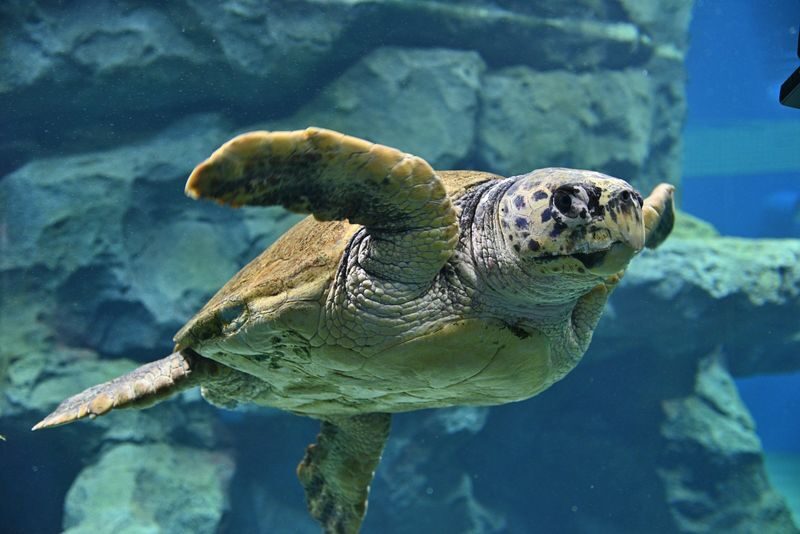
The ticket covers one admission to Port of Nagoya Public Aquarium on the selected date. The starting price is listed at $12.85, though the price you see when booking may vary. At that level, the value depends on how much of the aquarium you use: if you see the main animal exhibits and fit in a show or feeding session, a 3 to 4 hour visit is a solid return for the cost.
The ticket does not include entry to the Fuji Antarctic Museum, the Nagoya Port Building Observation Lounge or the Nagoya Maritime Museum. These are separate attractions, so do not assume the aquarium ticket is a port-area combo pass. A separate common-facility ticket is described as covering all four sites, but that is not the package covered here.
Buying online can be useful even if the saving is modest. It may spare you the queue at the ticket counter, and some visitors have been able to use a QR code for direct entry. However, redemption instructions can differ: the activity information says to present the mobile voucher to local staff, while a booking FAQ also refers to exchanging a voucher at an EasyGo counter at Centrair airport. Read the instructions on your own voucher before setting out, and do not assume every booking uses the same entry method.
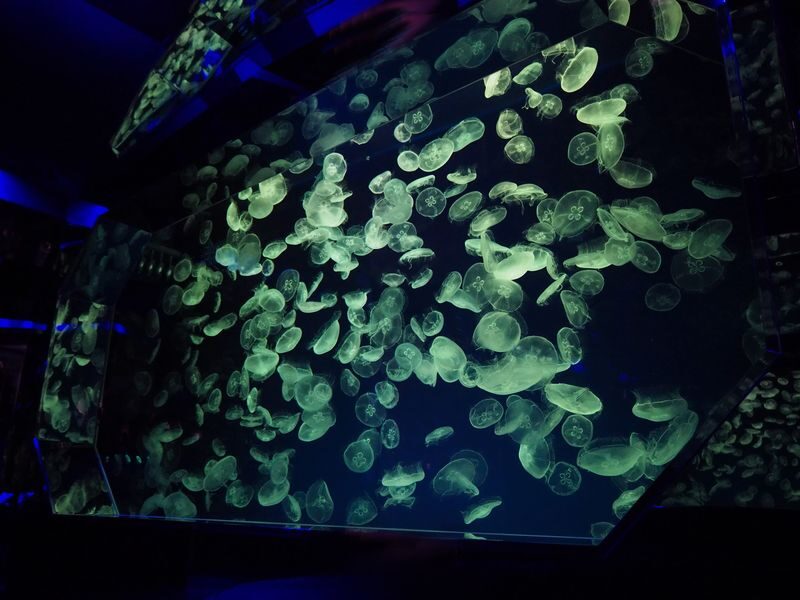
From Nagoya Station, take the Higashiyama subway line to Sakae, transfer to the Meijo line toward Kanayama and Nagoyako, then continue to Nagoyako, the last stop. Another option is to take a Meitetsu or JR train to Kanayama Station and transfer to the Meiko subway line bound for Nagoyako.
The address is 1-3 Minato-Machi, Minato-ku, Nagoya 455-0033. The venue information also gives the location as National Route 154, Irifune 2-chome, in Minato, Nagoya City. Check the official aquarium site for current seasonal opening hours. Last admission is one hour before closing, so arriving late can cut into your time for exhibits and shows.
Keep your phone ready if you are using a mobile ticket. The voucher may require an internet connection to open, and the entry instructions say staff must operate the ticket. Do not try to mark it as used yourself. Save the voucher to your device in advance if possible, and take care not to rely on a screenshot if your booking instructions require an online voucher.
There are coin lockers near the entrance on the left: 300 yen for a large locker and 200 yen for a small one. The aquarium does not check baggage. Food and drinks are restricted to designated areas, including the North building’s third-floor stadium and Shiokaze Plaza; drinks are also allowed at the South building’s second-floor vending-machine corner. Smoking is limited to marked areas.
Aquarium staff speak Japanese, so visitors who want explanations in another language can rent an audio guide on site. Some exhibit information is also in Japanese; a translation app may help, but do not expect every label or explanation to be available in English.
Children aged 0 to 3 enter free. The aquarium’s mix of large animals, penguins, feeding sessions and shows makes it a practical family outing, though younger children may need breaks during a visit of several hours. Staff are available to assist visitors with disabilities.
For animal protection, flash photography is prohibited in designated areas, and lights should not be used while filming. Balloons are not allowed, and staff may refuse entry to items they consider dangerous. These rules are easy to follow and help keep the exhibits safer for the animals.
I would put this near the top of the list for families, marine-life enthusiasts and anyone who has never seen a killer whale or beluga in person. The variety of large animals is the main draw, while the feeding sessions add a reason to stay longer than a quick walk-through.
It is also a useful rainy-day plan because much of the visit takes place indoors. You can adjust your pace, watch a program and explore both buildings without needing a full day. If you are mainly seeking a quiet, uncrowded museum visit, though, the show areas and popular animal exhibits may feel busy.
Book if the animals and scheduled programs appeal to you, and give yourself enough time to see both buildings. For a smoother arrival, buy ahead and confirm exactly how your voucher is used. If the killer whale show is your one must-see, keep your expectations flexible and check the day’s program and viewing arrangements on arrival.
“Fantastic, with complete facilities and clear navigation.”
Plan on about 3 to 4 hours for the exhibits, feeding sessions and shows. The exact time depends on how many programs you want to see.
The aquarium features killer whales, belugas, dolphins, penguins, sea turtles and many other marine animals.
No. This ticket covers the aquarium only. Admission to the Fuji Antarctic Museum, Nagoya Port Building Observation Lounge and Nagoya Maritime Museum is not included.
No. Admission is free for children aged 0 to 3.
Yes. Same-day re-entry is allowed. Ask for a re-entry stamp on the back of your hand before you leave, then show it when you return.
Times may change. Confirm the current schedule with staff when you arrive.
Staff speak Japanese. If you need explanations in another language, you can rent an audio guide at the aquarium.
Take the Higashiyama subway line to Sakae, transfer to the Meijo line toward Nagoyako and continue to the last stop. You can also take a JR or Meitetsu train to Kanayama and transfer to the Meiko subway line for Nagoyako.
The cancellation terms are conditional. The booking information says you can receive a full refund if you cancel before redeeming your voucher. Check the terms attached to your specific booking before cancelling.