Physical Address
304 North Cardinal St.
Dorchester Center, MA 02124
Physical Address
304 North Cardinal St.
Dorchester Center, MA 02124

Compare a Mount Fuji day tour from Tokyo with a 5th Station visit, matcha making, Oshino Hakkai, and practical advice on timing and value.
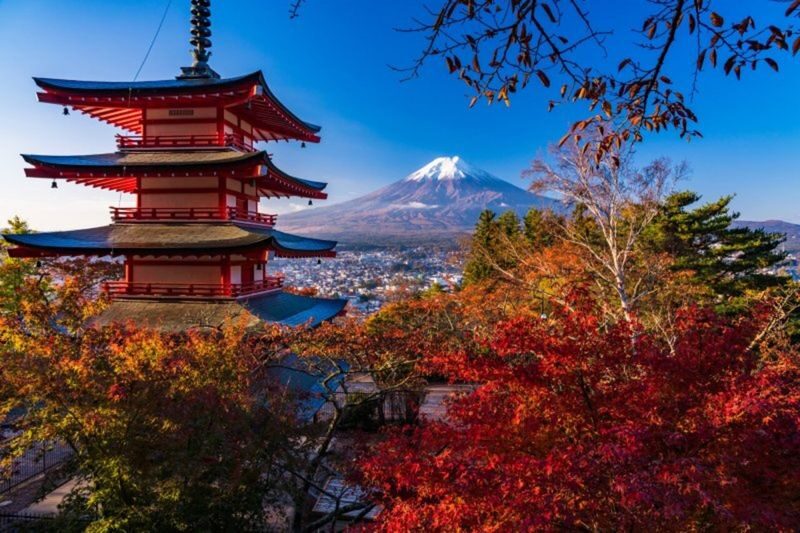
Mount Fuji is the star, but this full-day outing gives you more than a quick photo stop: you’ll visit the mountain’s 5th Station when it’s open, make matcha near Lake Kawaguchiko, and see the spring-fed ponds of Oshino Hakkai. I like the range of scenery, from high mountain views to a village shaped by Fuji’s water.
I also like that round-trip transport and a bilingual guide are included at a starting price of $49.29. Guides such as Jeffrey and Arpan have been praised for clear explanations and helping with photos, though you cannot request a particular guide. The main trade-off is a busy schedule, with traffic and weather sometimes changing the stops or shortening time on site.
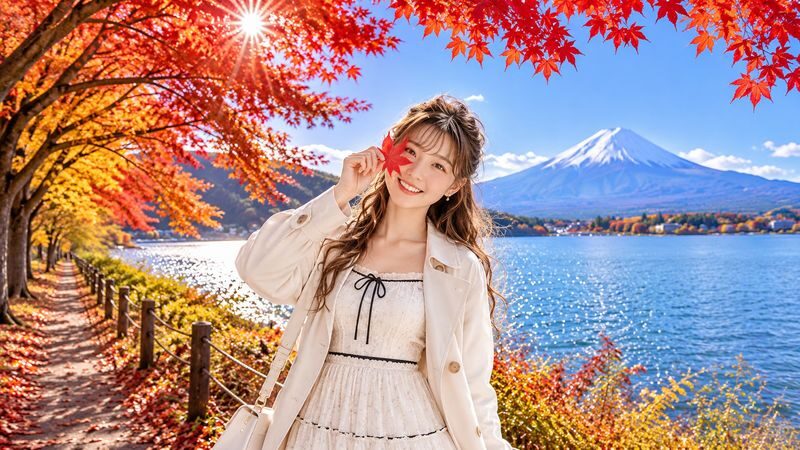
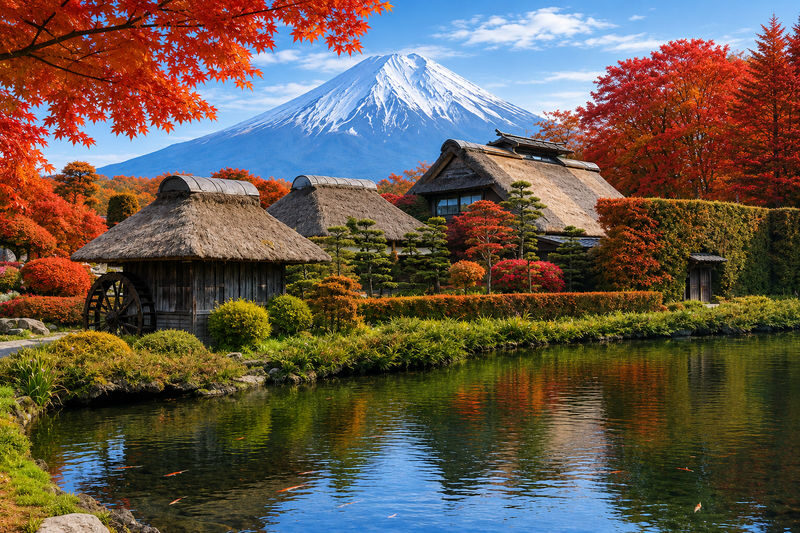
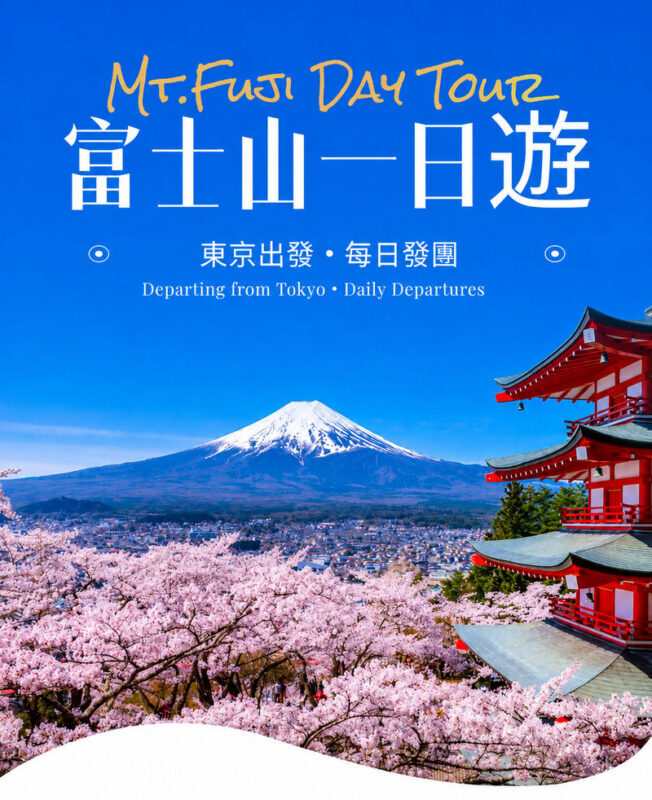
This is a practical way to see several well-known sights around Mount Fuji without arranging separate buses, trains, and local connections yourself. In about 10.5 hours, you’ll travel from Tokyo to the Fuji area and back, with stops for mountain scenery, a small tea activity, ponds, and a shrine viewpoint.
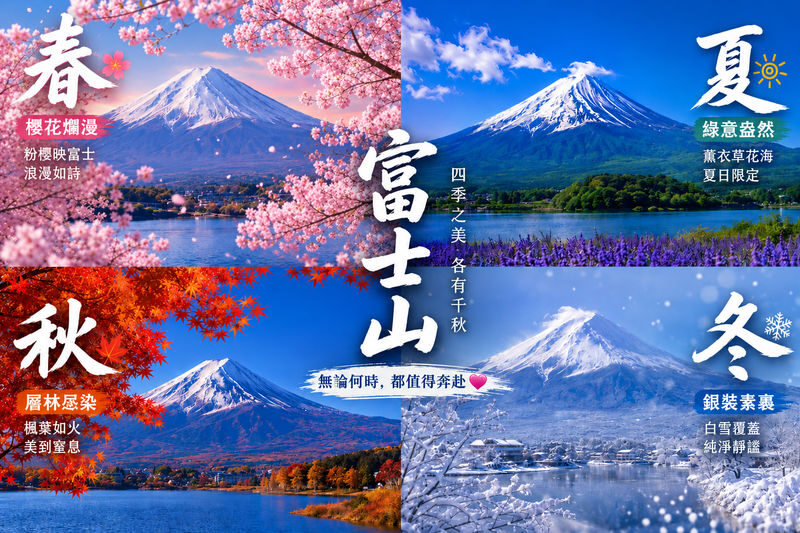
The range is the tour’s main appeal. Mount Fuji can look very different from one stop to the next, and the day combines a high-altitude visit, if conditions allow, with the lakeside area and the spring-fed ponds at Oshino Hakkai. You’re not signing up for a hike or a long tea ceremony. Think of it as a sampler: efficient, varied, and guided.
The starting price of $49.29 is appealing for a full day that includes round-trip transfers and a guide who speaks English and Chinese. Meals, drinks, and personal expenses are extra, and the bus is shared with other participants. The value is strongest if you want to cover several stops in one day and don’t mind moving to a group schedule.
Looking for more options in Fujiyoshida? Here are some other experiences worth considering.
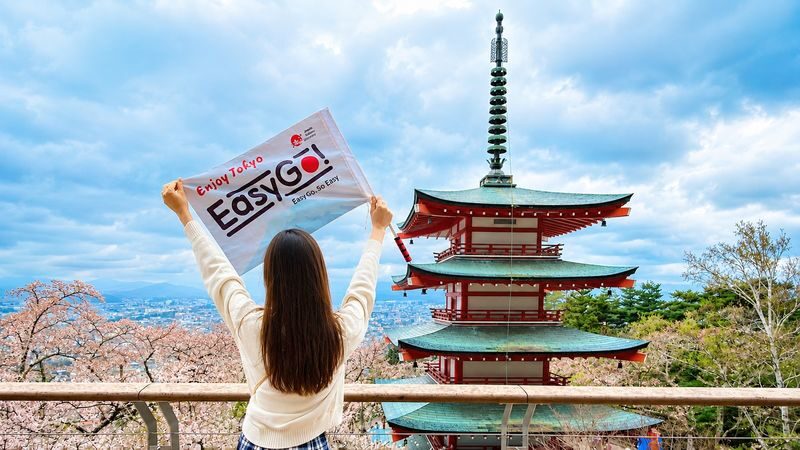
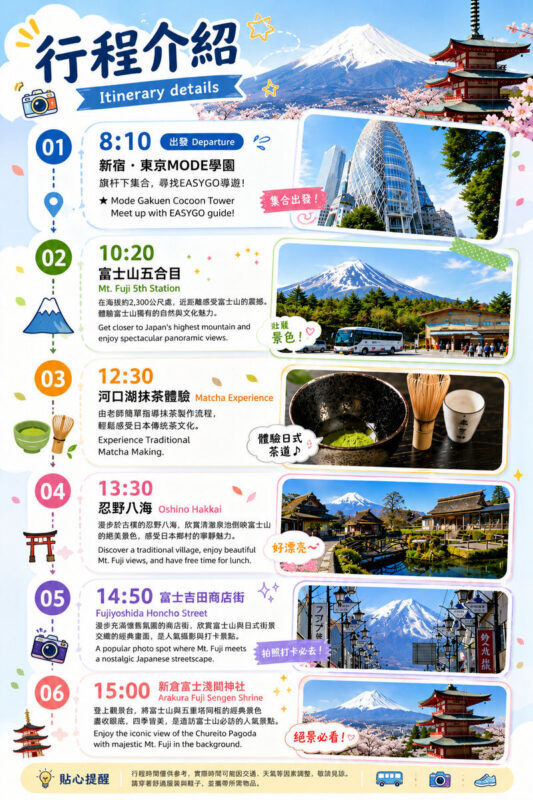
Departure is scheduled between 07:55 and 08:10 from Tokyo Mode Gakuen in Shinjuku. Look for the guide holding an EASYGO flag and aim to arrive at least 10 to 15 minutes early. The meeting area can have guides from different operators nearby, so check the flag and your tour details rather than assuming the first group you see is yours.
Once on board, you’ll be travelling with a group in a vehicle chosen to suit the day’s numbers. You can’t select a seat, and the vehicle type isn’t confirmed in advance. The transfer saves you from piecing together transport to each stop, though it also means sitting through any traffic on the route.
That matters most on weekends and holidays. The listed return time is 18:10, but the day’s schedule depends on road and weather conditions, and delays can mean arriving later. Keep your evening plans flexible, especially if you need to catch a train or have a timed reservation after the tour.
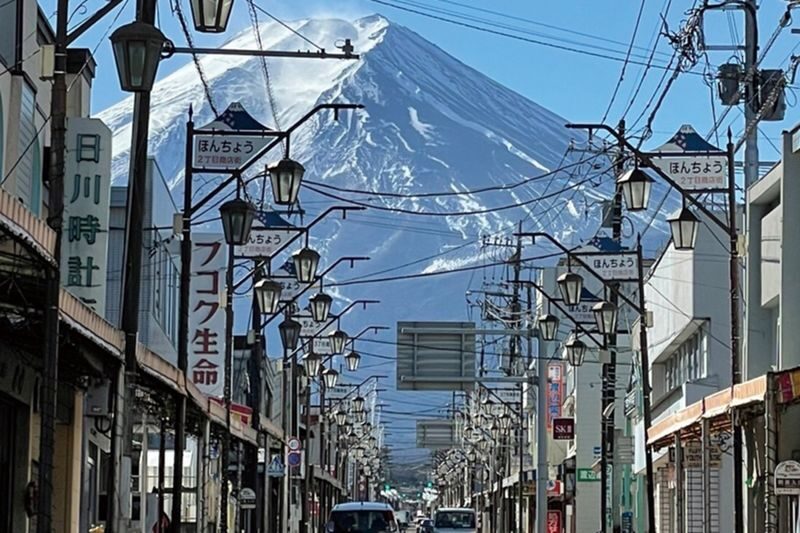
The 5th Station takes you up Mount Fuji for a taste of its high-altitude setting, with cooler air and broad views when visibility cooperates. It is a striking way to get closer to the mountain without climbing it. Keep in mind that reaching the station does not guarantee a clear view of the summit: cloud and weather can hide Fuji even when the tour runs as planned.
The visit is seasonal. The 5th Station is usually closed from around mid-November to early April, and road closures can extend into late April. When it’s shut, the tour substitutes Oishi Park, by Lake Kawaguchiko. They are alternatives, not two stops you’ll visit on the same tour, so check the date and the day’s conditions before setting your expectations.
The tour may adjust, shorten, or skip attractions because of weather or capacity. That flexibility helps the group keep moving, but it means the itinerary is a plan rather than a promise. If seeing the 5th Station itself is essential to you, choose a date when it is likely to be open and accept that conditions can still change the day.
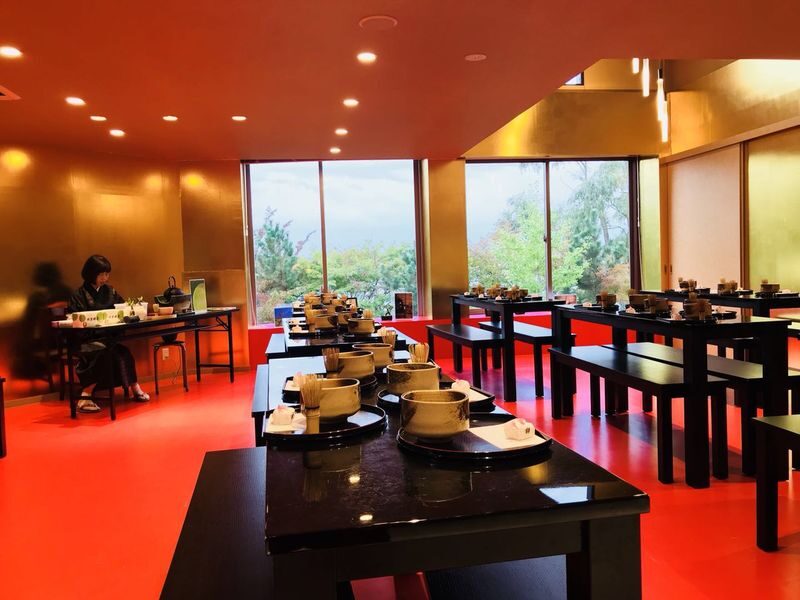
The matcha activity offers a short, hands-on introduction to Japanese tea culture. An instructor guides you through preparing a bowl of matcha, making the experience approachable even if you have never handled the whisk before. It’s a welcome change of pace from bus transfers and photo stops.
Keep the scale in mind: the tea experience itself lasts about 10 minutes, and the stop is roughly 30 minutes overall. This is a taste of the process, not an extended tea ceremony. Some people may want more time to take photos or enjoy the lakeside setting, but the schedule doesn’t leave much room for both. If you want photos by the lake, move promptly and keep an eye on the meeting time.
Oshino Hakkai is a village known for eight clear ponds fed by water from Mount Fuji. The water’s clarity and the traditional setting make this stop feel different from the open mountain viewpoints. You’ll explore independently, so you can spend your time looking closely at the ponds, taking photos, or finding a place to eat.
Lunch is not included, and the stop is scheduled for around 13:30. Bring cash and plan to buy food yourself. The time available may feel short if you want a leisurely meal and a full circuit of the village, so decide what matters most once you arrive. It’s also a good point in the day to refill your water bottle and take a proper break.
The afternoon includes Fujisan Hikawa Watch Shop and Shinkura Fuji Asama Shrine, with Arakurayama Sengen Park among the tour’s listed stops. The area is known for views of Mount Fuji, and the shrine setting gives the day a cultural stop beyond the lakes and ponds. As at the other viewpoints, the mountain’s visibility depends on the weather.
Be ready to walk: the route from the shopping street to Arakura Fuji Sengen Shrine takes about 25 minutes. Wear comfortable walking shoes and dress for the day’s conditions. If you’re travelling with someone who finds longer walks difficult, consider this part of the schedule carefully; the activity information does not recommend the tour for people who are elderly, pregnant, or have other serious medical conditions.
Capacity and weather can affect which attractions the group reaches. The guide may also change the order of stops. That can be frustrating if you had planned photos around a particular sequence, but it is a sensible response to road conditions and crowds.
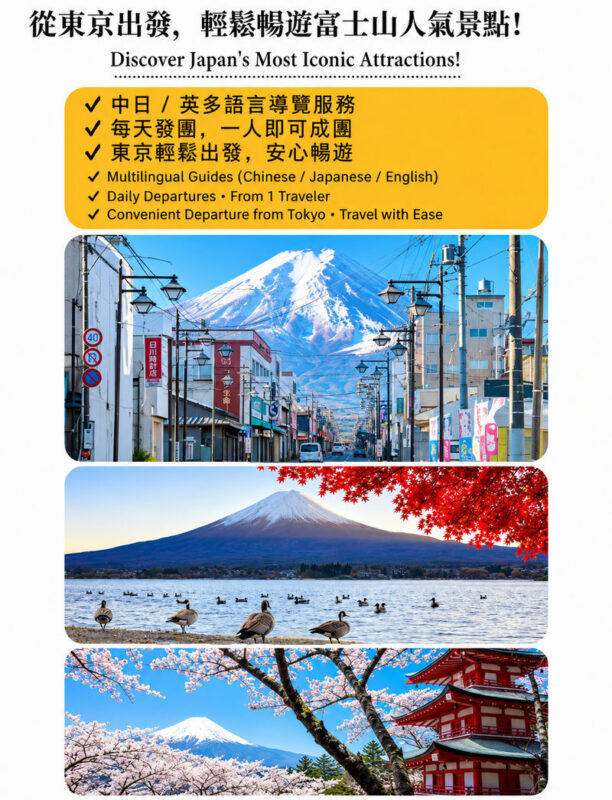
The tour includes an English- and Chinese-speaking guide, but the amount of narration can vary. Guides named Jeffrey and Arpan have been especially praised for friendly, attentive help, clear explanations, multilingual communication, and taking photos for participants. Those are useful qualities on a fast-moving day, when you need to know where to meet and when to return to the vehicle.
A guide’s approach matters most when the schedule shifts. Clear instructions can take the stress out of finding the bus or understanding a change of plan. Still, don’t expect a continuous lecture during every drive. Bring questions, listen for practical directions, and make sure your phone number is reachable; WhatsApp or WeChat contact details are requested.
This is a join-in tour, not a private outing. Seat selection isn’t available, and you can’t leave midway and rejoin later. If you stop following the planned itinerary, tell the guide, but unused parts of the tour are not refunded. Children aged 0 to 3 can join free if they do not need a separate seat; children aged 0 to 12 must be accompanied by a paying adult.
At a starting price of $49.29, the tour can be good value if you want transport from Tokyo, a guide, and several Fuji-area highlights in one day. The price does not cover lunch, drinks, or personal spending, so budget for those separately. Its appeal is convenience: you don’t have to coordinate transport between the 5th Station or Oishi Park, the lake area, Oshino Hakkai, and Arakurayama on your own.
The cost also buys a full, tightly scheduled day rather than long visits at each stop. Some people find that pace satisfying because it packs in a lot; others may wish for more time at the lake or the ponds. If you prefer to linger, travel at your own pace, or choose the exact order of sights, an independent trip may suit you better.
The biggest factor you can’t buy your way around is visibility. Mount Fuji may be clouded over, and seasonal scenery such as blossoms, autumn leaves, or snow depends on timing and weather. The tour does not offer a refund just because the mountain or seasonal sights don’t look as hoped. Book for the full mix of stops, not only the promise of a perfect Fuji photograph.
Wear casual clothes and walking shoes, with warm layers for cooler conditions at the mountain. Sunscreen, sunglasses, a hat, water, cash, and valid ID are useful items to carry. The tour allows one standard-sized piece of luggage, but bringing bags is discouraged on a shared vehicle, and storage or delivery service is not provided.
The activity is not recommended for pregnant people, elderly participants, or anyone with other serious medical conditions. Pets are prohibited, as are smoking and drinking on the tour. Keep the vehicle clean; damage or stains may result in a charge under the bus company’s rules.
Booking confirmation is normally issued within minutes, and mobile vouchers are accepted. Changes are permitted until 24 hours before the activity, subject to the stated exceptions. The cancellation information is inconsistent: one part gives a full refund for cancellation at least 24 hours ahead, while the FAQ says 72 hours. Check the terms shown for your selected package before booking rather than relying on one deadline.
Book it if you want a straightforward, budget-conscious day from Tokyo that combines a possible 5th Station visit, matcha making, Oshino Hakkai, and Arakurayama. It’s especially useful for first-time visitors and families who want transport and a guide to handle the logistics. Guides such as Jeffrey and Arpan have been praised for patient communication and help with photos, though the person leading your departure may differ.
Skip it if you need a slow pace, guaranteed Mount Fuji views, a long tea experience, or freedom to change the schedule. You’ll get the best value by treating the day as a scenic sampler, packing for variable weather, bringing lunch money, and leaving your Tokyo evening open in case traffic runs late.
“Great experience, reasonably priced, knowledgeable and funny guide.”
The scheduled day runs from about 07:55 to 18:10, for a duration of roughly 10.5 hours. Traffic and weather can change the timing, so the return may be later.
It departs from Tokyo Mode Gakuen in Shinjuku. Look for the guide holding an EASYGO flag and arrive 10 to 15 minutes before departure.
No. The 5th Station is usually closed from around mid-November to early April, with closures sometimes extending later. If it is closed, the tour visits Oishi Park instead. The two are alternatives, not combined stops.
No. It is a simple guided matcha-making activity lasting about 10 minutes. The overall stop near Lake Kawaguchiko is about 30 minutes.
No. Lunch and drinks are not included. You’ll have time to buy lunch during the Oshino Hakkai stop.
The package includes an English- and Chinese-speaking guide.
No. This is a shared vehicle tour, and seat selection is not available. The vehicle type depends on the group size.
Children aged 0 to 3 can join free if they do not occupy a separate seat. Children aged 0 to 12 must be accompanied by a paying adult.
One standard-sized piece of luggage is allowed, but luggage is not recommended on this shared tour. Larger bags count as two pieces, and luggage storage or delivery is not provided.