Physical Address
304 North Cardinal St.
Dorchester Center, MA 02124
Physical Address
304 North Cardinal St.
Dorchester Center, MA 02124

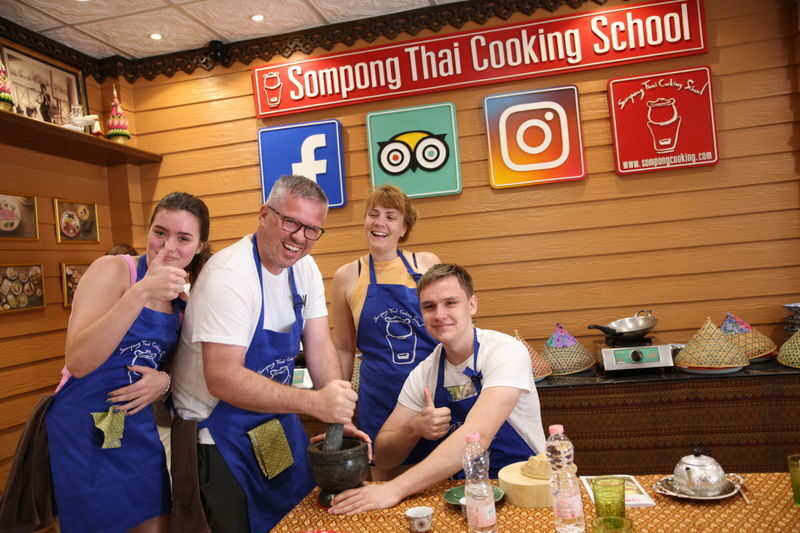
Cook four Thai favorites at Sompong in Silom, with a market visit in the morning, hands-on curry making, recipes, and a full meal.
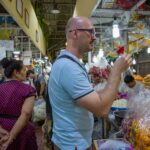
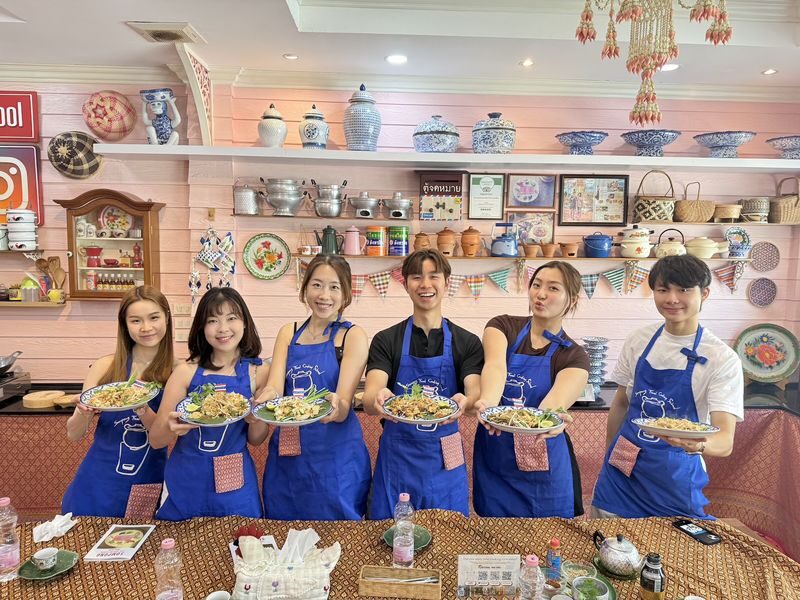
The best part of this Silom cooking class is that you do more than watch a chef at work: you chop, pound, season, and cook Thai dishes at your own station, then sit down to eat the results. In the morning, the class starts at a local market, where you learn about the ingredients before they reach the kitchen.
I like two things in particular: the hands-on curry-paste lesson, which shows how fresh herbs and spices build flavor, and the clear instruction that makes the recipes manageable for beginners. The class also gives you a recipe book to take home, so the meal can become more than a Bangkok memory.
One point to weigh: the market visit is not part of the evening class, and the menu can vary by day and session. If the market is a priority, book a morning time and confirm the day’s dishes before you go.
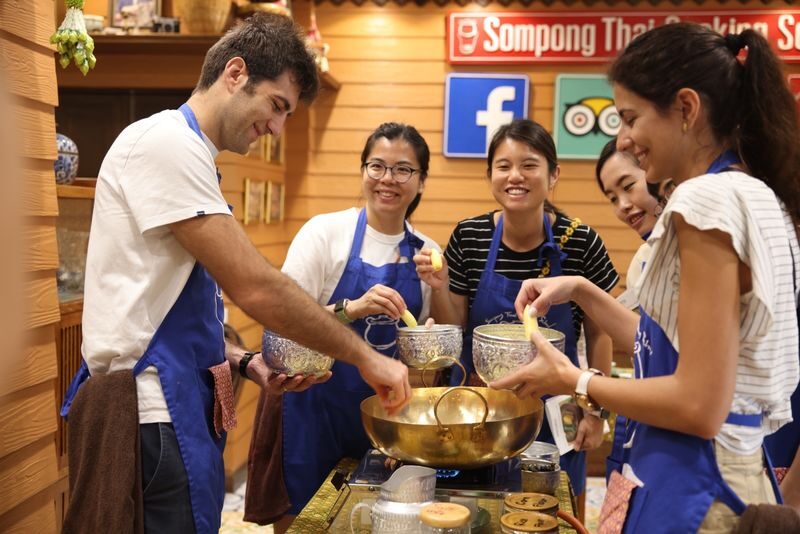
Sompong Thai Cooking School is at Silom Soi 13, in Bangkok’s Bang Rak district, near major hotels. The morning class begins with a visit to a local market, where the instructor explains the produce, herbs, and seasonings used in the recipes. That context is useful: Thai cooking relies on balancing flavors, and it helps to know what each ingredient contributes before you start chopping.
You’ll also have a short period of free time at the market. If you want to pick up a snack or something for later, bring cash. The school supplies the ingredients needed for class, so shopping is optional, not a scavenger hunt with dinner depending on your bargaining skills.
The market visit is a key reason to choose the morning session. It turns a list of unfamiliar ingredients into things you’ve seen and handled, and gives you a glimpse of everyday food shopping in the neighborhood. The trade-off is an earlier start: the morning class runs from 9:00 to 12:30.
The afternoon class runs from 13:30 to 16:30, and the evening class from 17:30 to 20:30. The evening session is confirmed as a kitchen-only experience, without a market stop. The available details do not establish that every afternoon class includes a market visit, so check the session details if that part matters to you.
Want to bring Bangkok flavors home? These cooking classes could be just right
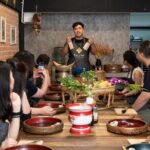
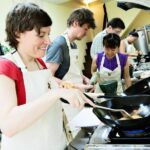
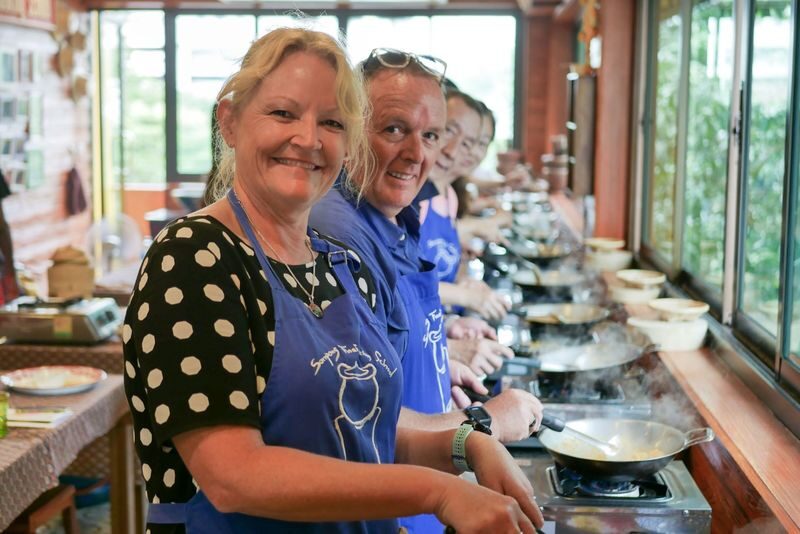
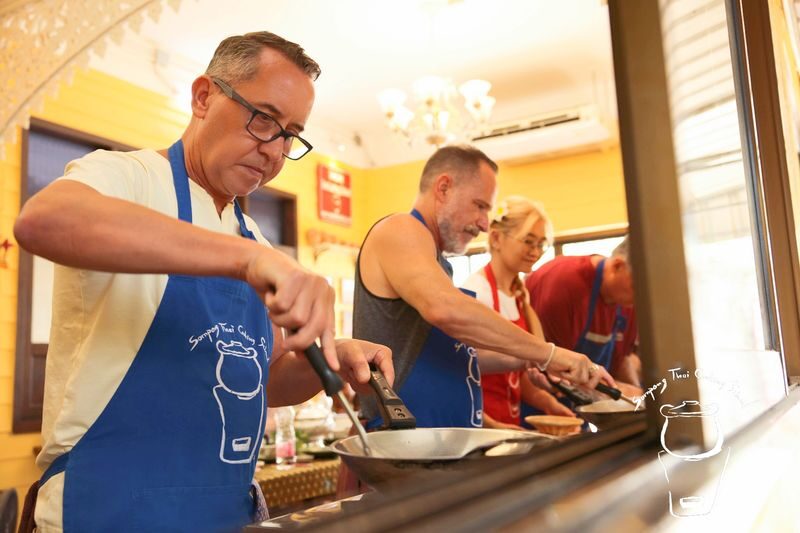
Back at the school, you’ll work at an individual station with the ingredients and equipment provided. The format is straightforward: the instructor demonstrates a dish, explains the steps, and then you make it yourself, with the instructors and assistants on hand to help.
That balance works well for first-timers. You’re not expected to know how to handle every ingredient or judge every seasoning. Instructors explain the process in English, and the recipe book gives you a written guide to follow during class and use again at home.
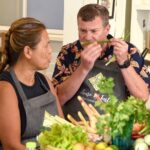
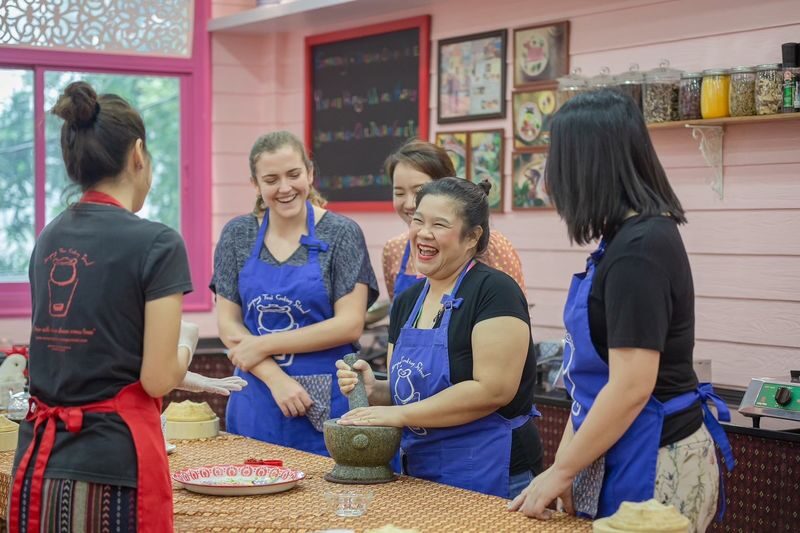
The teaching style is lively and practical. Ant, Nancy, and June are among the instructors named by people who have taken classes; the school’s team may vary by session. Expect a lot of explanation, some humor, and close attention as you cook. Assistants also check in around the room, which is helpful when several dishes are being prepared at once.
The kitchen is described as clean and air-conditioned. In Bangkok’s heat, that comfort matters when you’re standing over a stove and working through a full menu. The class is designed to keep the pace moving, but not so quickly that a beginner is left trying to copy a technique from across the room.
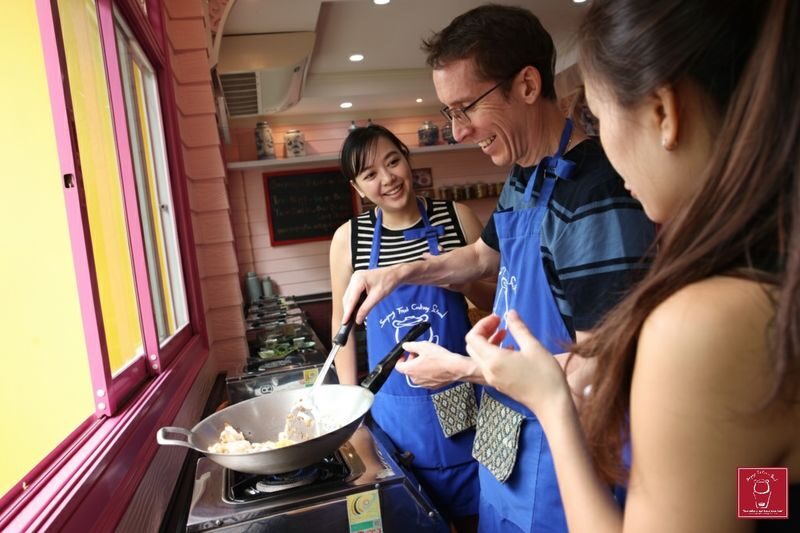
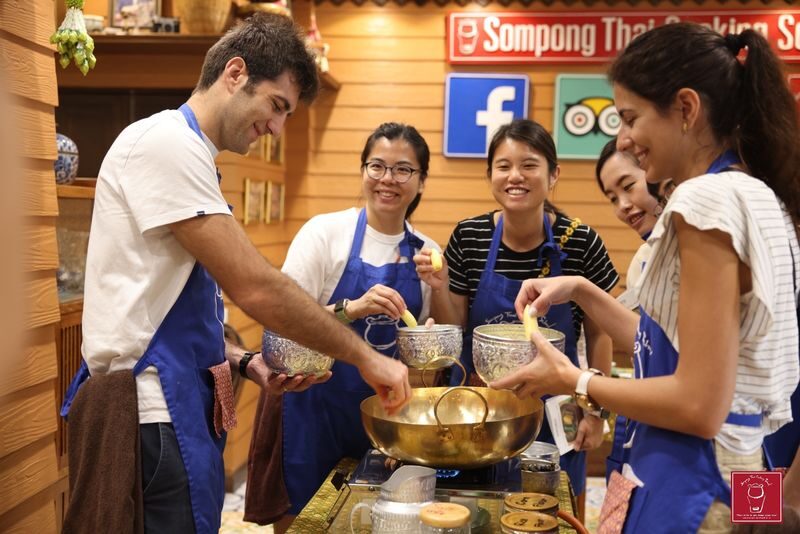
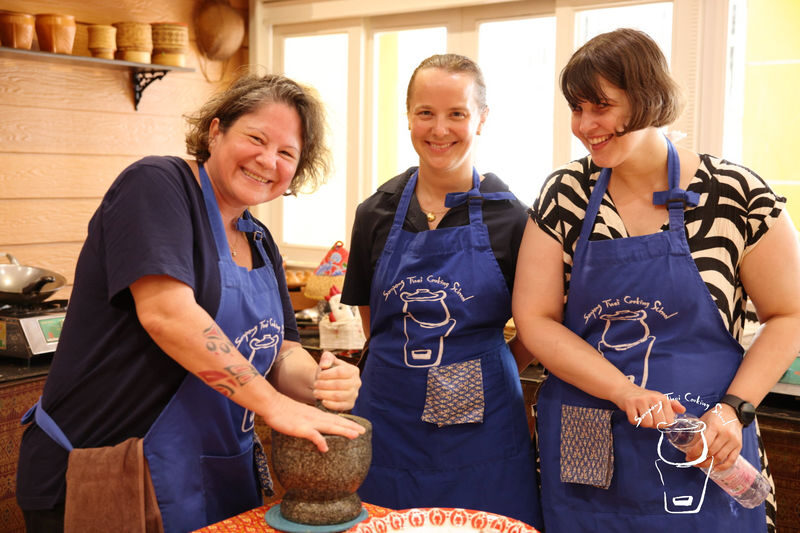
Making curry paste from scratch is one of the class’s most useful lessons. It gives you a feel for how Thai curry gets its flavor and texture, and for the work behind a paste that can be easy to take for granted in a restaurant. You’ll prepare the ingredients and learn the steps before using the paste in a dish.
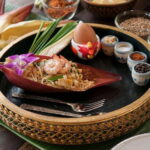
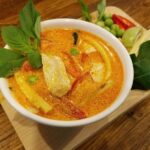
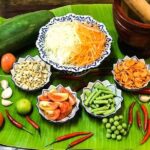
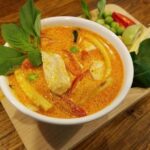
A common menu pairs Pad Thai with Tom Yum Goong, a prawn soup, and a curry such as green chicken curry, followed by mango sticky rice. The sample menu also lists papaya salad and vegetable carving. The exact dishes can differ by day and session, so don’t treat any one combination as guaranteed.
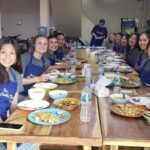
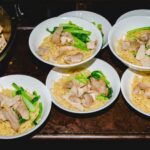
The four-dish format makes this a proper meal, not a brief demonstration followed by a token tasting. You eat what you’ve cooked, and the portions can add up. Come hungry, but pace yourself: several dishes in, you may be glad you didn’t arrive after a large lunch.
You can adjust the spice level to your preference, and the school can accommodate vegetarian meals and stated food needs, including allergies and gluten intolerance. Some dishes can use tofu and shiitake mushrooms instead of meat or seafood. Contact the school about your requirements when arranging the class so the team has a chance to prepare.
Prices start at US$34.19 for the afternoon and evening classes, while the morning class starts at US$35.69. For that fee, you get instruction, ingredients, equipment, refreshments, four Thai dishes, vegetable carving, a recipe book, and a cooking certificate. Transport and personal expenses are not included.
The value is strongest if you want a meal and a skill, rather than a cooking show. You’ll make several dishes, taste them as a full meal, and leave with recipes you can try again. The morning market stop adds a cultural and ingredient-focused layer without a major price jump.
The recipe book is a practical extra. It covers the dishes you prepare and includes recipes for other Thai foods, giving you a way to revisit the class after the curry paste and market smells are no longer fresh in your mind. The certificate is a pleasant souvenir, though the cookbook and the techniques are likely to be more useful.
The school has a 4.9 out of 5 rating across more than 5,000 reviews, and the most consistently praised features are clear instruction, an upbeat teaching style, fresh ingredients, and food that tastes good. That isn’t a promise that every dish will suit your taste, but the class is built around participation, not passive watching.
The school’s address is 2, 6-2/7 Silom Soi 13, Bang Rak, Bangkok 10500. Look for the yellow building on the right in the middle of the street; directions also point to a yellow tent with a red logo near the end of the soi. The two descriptions are not perfectly identical, so use the map and the school’s name as your guide when you arrive.
The listed public-transport directions are to take the BTS Silom Line toward Bang Wa, get off at Chong Nonsi station, exit 3, head north on Silom Road, and turn left at the junction toward Silom Soi 13. One practical note: the station may feel like a walk, so a taxi or ride-hailing car can be more convenient if you’re short on time or it’s especially hot.
Transport is not included. Allow time to find the school, especially before a class with a fixed start. Confirmation is expected within 24 hours of booking; if it doesn’t arrive, contact customer support. Bring your mobile voucher for entry.
You might also be interested in these Bangkok experiences
This is a strong pick if Thai food is a highlight of your trip and you’d like to understand how it comes together. It suits first-time cooks, couples, families with older children, and solo visitors who want a structured activity that also ends with a meal.
Children aged 0 to 5 can join free, while children aged 6 and up pay the adult rate. Children aged 0 to 10 must be with a paying adult, and only paying participants may join the class. If you’re booking for a family, remember that a young child’s free entry does not mean the whole family can watch without booking.
The class is less suitable if your main aim is a market visit but you can only attend in the evening. It also involves preparing and eating several dishes, so consider your appetite and dietary needs before choosing a time. If your plans are flexible, the morning session offers the clearest mix of local market and kitchen time.
I’d book Sompong if you want more than a quick food stop: you get ingredient lessons, hands-on cooking, a substantial meal, and recipes to take home, all in central Silom. The morning class is the best fit if the market matters; the afternoon or evening sessions are good options if you mainly want the cooking.
Before paying, check which dishes are planned for your date, choose a class time that matches your priorities, and tell the school about any dietary requirements. At a starting price in the mid-thirties, this is good value for a guided cooking session that gives you both dinner and something useful to carry home.
“The entire experience was amazing. First, we went to the local market, and the guide gave a wonderful and very interesting explanation.”
The morning class includes a visit to a local market. The evening class does not. Check the details for your chosen session if you are booking the afternoon class specifically for a market visit.
A common menu includes Pad Thai, Tom Yum Goong, curry, and mango sticky rice. Papaya salad and vegetable carving are also listed, but dishes can vary by day and session.
Yes. The class uses step-by-step instruction, and the instructor demonstrates the dishes before you prepare them at your own station.
Yes. The school can accommodate allergies, gluten intolerance, vegetarian diets, and other dietary needs. Some meat or seafood can be replaced with tofu and shiitake mushrooms.
The morning session runs from 9:00 to 12:30. The afternoon runs from 13:30 to 16:30, and the evening runs from 17:30 to 20:30.
Ingredients, cooking equipment, English-speaking staff, refreshments, a recipe book, a cooking certificate, four Thai dishes, and vegetable carving are included. Transport, personal expenses, and tips are not.
The school is at 2, 6-2/7 Silom Soi 13 in Bang Rak. The listed BTS directions are to get off at Chong Nonsi station, exit 3, then head toward Silom Soi 13. Use the map for the final approach.
Children aged 0 to 5 can join free. Children aged 6 and older pay the adult rate. Children aged 0 to 10 must be accompanied by a paying adult, and only paying participants may join the class.