Physical Address
304 North Cardinal St.
Dorchester Center, MA 02124
Physical Address
304 North Cardinal St.
Dorchester Center, MA 02124

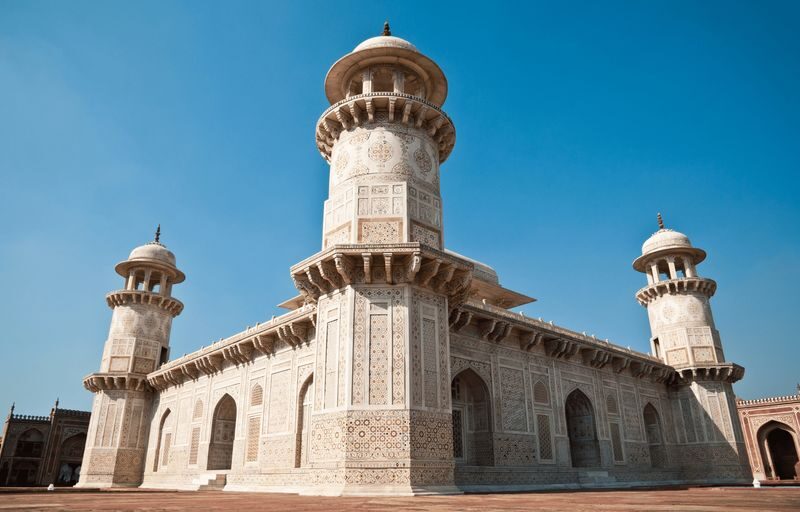
Visit Agra’s Baby Taj with priority entry, optional private guiding, delicate marble inlay and a quieter garden setting by the Yamuna.
Itimad-ud-Daulah is a smaller, quieter counterpoint to Agra’s famous Taj Mahal. This white-marble tomb, commissioned by Nur Jahan for her father, brings the details close: fine inlay, carved screens and Mughal gardens beside the Yamuna River.
I like two things about this visit: the chance to study the delicate decoration without the scale of a huge monument, and the option of a private guide to explain the royal story behind it. The priority-entry ticket is also useful if you want a simpler arrival.
One caution: Agra’s heat and a packed sightseeing day can catch up with you. Keep this stop flexible, and don’t try to fit it in at the end of an exhausting march around the city.

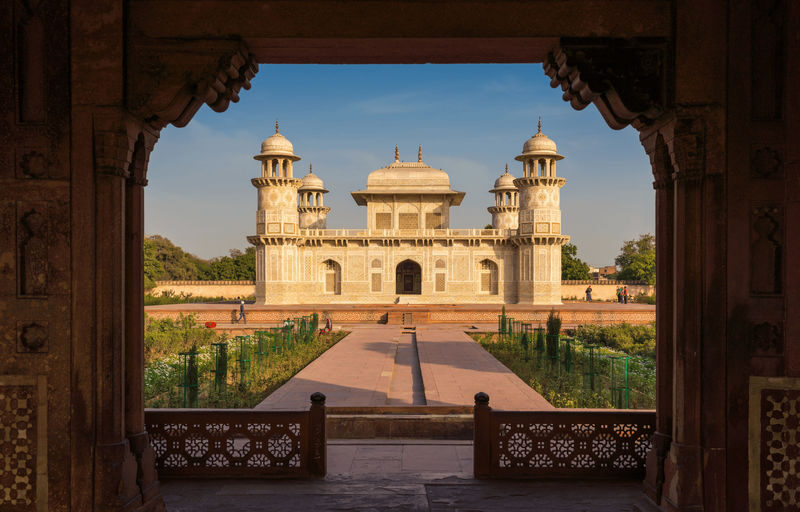
Itimad-ud-Daulah is often called the Baby Taj, but the nickname can make it sound like a lesser copy. It is better understood as a distinct Mughal monument, smaller in scale and especially rewarding when you take time to look closely at its decoration.
The tomb’s white marble and detailed inlay invite a different pace from a grand, wide-angle monument. Instead of letting the overall size dominate your attention, you can focus on the craftsmanship: fine patterns, carved details and screens that filter views through the building.
The setting adds to the appeal. The mausoleum stands by the Yamuna River, with Mughal gardens around it. That combination of architecture and open grounds makes this a useful change of tempo during a day of Agra sightseeing.
If the Taj Mahal is the headline act, this is a quieter chapter in the same broad story of Mughal architecture. The connection is valuable, but you don’t need to treat the tomb as a warm-up or a substitute. It has its own character, and the best reason to visit is the chance to see its details at close range.
You might also be interested in these Agra experiences
Itimad-ud-Daulah was commissioned by Nur Jahan for her father. That family connection gives the monument a personal story as well as a royal one. A guide can help you understand who the tomb honors and how the Mughal family fits into the history of the site.
The monument is also described as an influence on the Taj Mahal’s design. That makes a visit especially useful if you are seeing both sites in Agra: details here can give you a sense of the architectural ideas that later appeared on a grander scale.
The optional guide is a good choice if you want more than a look around. Architecture is easier to appreciate when you know what you are looking at, and the guide can add the history behind the building, its decoration and its royal connections. No guide’s name or fixed tour script is provided, so you should not book expecting a particular person or a specific set of stories.
If you prefer to explore at your own pace, the ticket-only option may suit you. The tomb’s visual details can hold your attention without a running commentary, especially if your priority is a peaceful visit and time for photographs.
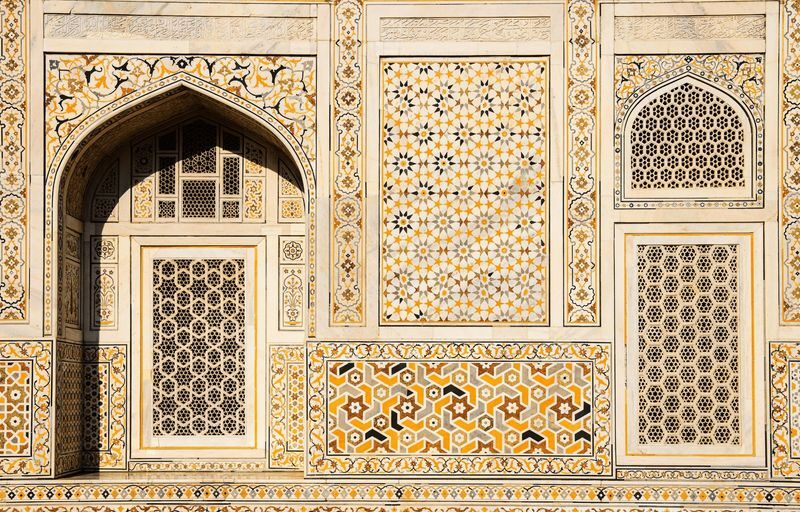
The main draw is the decoration. Keep an eye out for Persian-inspired inlay work, delicate carvings and lattice screens. These are the details that make the Baby Taj worth more than a quick walk through the grounds.
Give yourself time to look closely rather than trying to cover every corner at speed. Patterns and carved surfaces can be easy to pass by if you are focused only on taking a wide shot. The supplied visit information does not specify a formal route through the mausoleum, so there is no need to rush from one named stop to another.
The white marble is part of the experience, too. It gives the tomb a different visual character from a monument whose impact depends mainly on sheer scale. Here, the appeal is in the surface and the smaller details.
Photography is a natural fit for the site, but it is worth balancing pictures with looking. If you are visiting with a guide, ask about the inlay and screens as you encounter them. If you are exploring independently, use the visit as a chance to notice how the decoration changes across the building rather than relying on one familiar view.

The Mughal gardens offer space to pause between looking at the architecture and studying its details. They also help set the tomb apart from a visit that is all interior rooms and photographs. Take a little time outdoors before you leave, especially if you want a more complete sense of the site.
The Yamuna River is part of the setting, but the available information does not promise a particular river view or a specific vantage point. Treat it as a location detail, not a guaranteed scenic overlook. The main reason to come remains the mausoleum and its decoration.
The grounds may also make the visit feel less intense than a full day at Agra’s major sights. That does not mean the weather will be mild. Agra can be hot, and even a short visit can feel demanding if you arrive already tired.
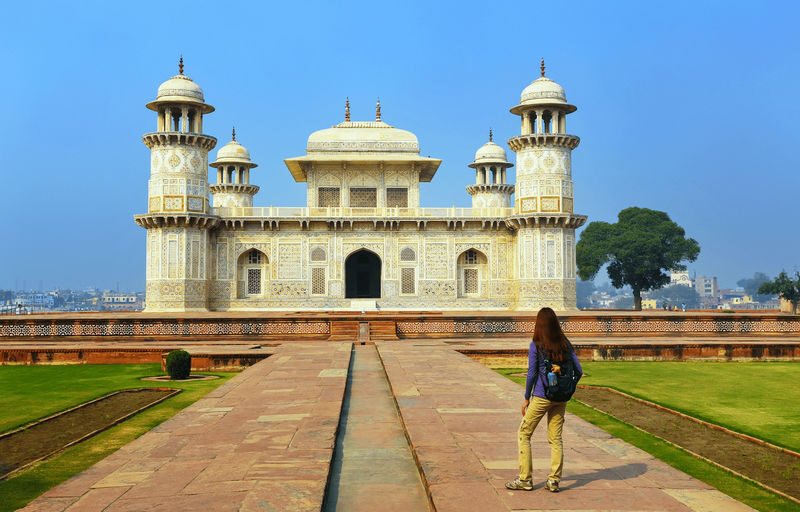
Plan for one to two hours. That gives you room to see the mausoleum, notice the inlay and carved screens, spend time in the garden setting, and take a few photographs without turning the visit into a rushed stop.
The site is listed as open daily from sunrise to sunset, typically 6:00 AM to 6:00 PM. These are the stated hours for the experience, so check the current opening information before setting out if your timing is tight.
Earlier or later visits may be easier to fit around the rest of your day, but no specific crowd levels or temperature conditions are guaranteed. Choose the time that works with your energy and schedule, and keep some flexibility if you are visiting several Agra sights.
That flexibility matters. A visitor who planned to see Baby Taj along with Agra Fort, Akbar’s Tomb and Sadar Bazaar became ill and missed this stop. The practical lesson is simple: don’t make the tomb your last item in a day already packed with sightseeing, especially if you are feeling the heat.
If you prefer having a local expert, these guided Agra experiences could work well
The ticket offers priority entry, described as a way to avoid queues and make entry easier for foreign visitors. That can be worthwhile if you want less uncertainty at the entrance, though no queue time or wait-free guarantee is specified. Think of it as a convenience, not a promise that every arrival will be instant.
The guide is optional, which gives you a sensible choice. If you enjoy learning the story behind a monument while you look, the private guiding option can add context to Nur Jahan’s commission and the tomb’s architectural details. If you mainly want a quiet visit, the entry ticket alone may be enough.
No ticket price is provided here, so it is not possible to judge the exact cost against other entry options. In value terms, the choice comes down to what matters to you: priority access for a simpler arrival, extra explanation from a guide, or the lowest-cost way to spend a short time at the site. Check the final package details before booking so you know which option you are selecting.
This visit suits history lovers who want to understand more than the most famous Mughal monument in Agra. It is also a good fit for photographers drawn to fine patterns, carved screens and marble surfaces rather than only grand exterior views.
Couples and culture-focused visitors may appreciate the calmer setting and the shorter visit. Families can also consider it, especially if a one-to-two-hour stop is a better fit than another long monument visit, though the experience is centered on architecture and history rather than activities for children.
If you are on a very tight schedule, decide whether this is the kind of detail you enjoy. The Baby Taj is not presented as a sprawling attraction with a long itinerary. Its value lies in seeing a smaller monument carefully, learning about its royal story and taking a pause from Agra’s larger sights.
Before you go, decide whether you want a guide. Choose one if you value historical context and want someone to explain the monument as you explore. Choose ticket-only if you are comfortable appreciating the decoration at your own pace.
Set aside the full one-to-two-hour window rather than assuming you can see everything in a few minutes. The inlay, carvings and lattice screens reward close attention, while the garden setting gives you room to slow down.
Keep your broader Agra schedule realistic. The available account of a missed visit after heatstroke is a reminder not to push through illness or overfill the day. Leave room to rest, and be willing to skip a stop if you are unwell.
Book it if you want to see a quieter Mughal mausoleum with fine marble decoration, or if you are curious about the design story that connects it to the Taj Mahal. The optional guide is worthwhile if you want the family history and architectural context explained along the way.
Skip it if your Agra schedule is already too full, you are unwell, or you would rather spend your limited time at larger headline sites. This is a compact, detail-led visit, not a grand spectacle built around size. If that sounds like your kind of stop, allow the time, take the day at a sensible pace and choose the guide option only if you want the extra context.
“I really wanted to go to Baby Taj, but I got heatstroke and genuinely couldn't make it. So, all I have are pictures from the internet, but there's …”
It is in Agra, India, at Itmad-ud-Daulah’s Tomb, Etmadpur, Uttar Pradesh.
Plan for one to two hours.
The site is listed as open daily from sunrise to sunset, typically from 6:00 AM to 6:00 PM.
A guide is optional. You can select a guided entry option or visit with the entry ticket.
The guided option is described as a private guide.
Yes. The ticket is described as offering priority entry, with easier access for foreign visitors.
You can explore the white-marble mausoleum, Persian-inspired inlay work, delicate carvings, lattice screens and Mughal gardens.
Nur Jahan commissioned the tomb for her father.