Physical Address
304 North Cardinal St.
Dorchester Center, MA 02124
Physical Address
304 North Cardinal St.
Dorchester Center, MA 02124

Track wild elephants on a four-hour jeep safari from Sigiriya, with hotel pickup, an English-speaking driver and flexible park choices.
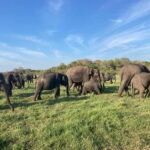
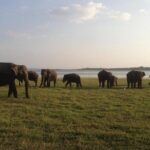
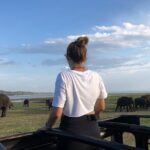
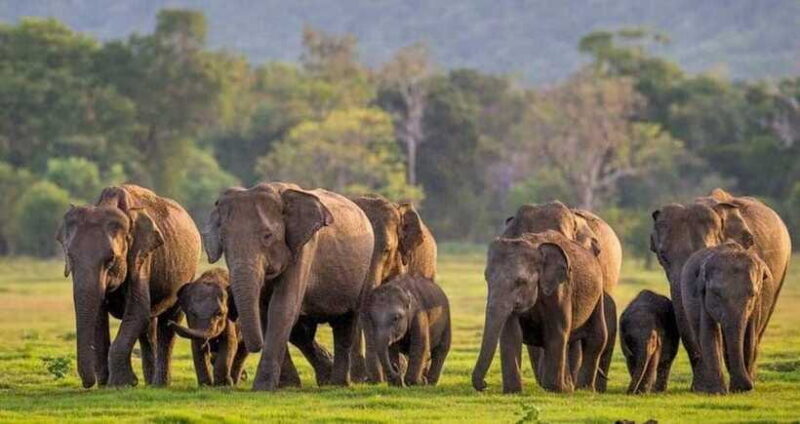
Seeing a herd of wild elephants gathered near a lake is the big draw here. On this four-hour jeep safari, your driver looks for elephants and other wildlife in Minneriya, with Hurulu or Kaudulla sometimes taking the place of Minneriya when the animals move.
I like two things in particular: hotel pickup makes the outing simple to arrange, and a skilled driver can help you spot animals while sharing useful facts along the way. Guides including Shan, Janith and Thilina have been praised by name, though your driver will depend on the day.
One point to plan for: the listed $33 price does not include the park entrance fee, and changing parks may involve an extra charge. Animals are wild, so sightings and crowd levels vary. A flexible plan is part of the deal.
The outing begins with pickup from your hotel in Sigiriya, Habarana, Dambulla or a nearby area. The transfer saves you the bother of arranging a separate ride to the park, and the safari vehicle is insured. Pickup has been described as prompt, but it is still sensible to confirm your location and start time with the operator.
The total activity lasts about four hours. That makes it a manageable half-day plan, leaving room to fit in other sightseeing, a meal or a rest. Starting times vary, so check what is available before you reserve. Some groups choose the morning for a quieter park; others go in the afternoon, when a different park may offer better chances of finding elephants.
Your driver speaks English and is central to the experience. This is not simply a transfer to a gate: the driver helps look for animals, answers questions and may adjust the route according to where the herds have moved. Guides named in accounts of the safari include Shan, Janith, Thilina, Prasad and Prasanth. You cannot assume you will have a particular one, but the guiding role is a major part of the trip’s value.
You might also be interested in these Sigiriya experiences
Minneriya is the named destination, but elephant movements and weather can change the best choice. The operator may suggest Hurulu Eco Park or Kaudulla National Park instead if the herds are there. That flexibility can make the difference between spending your time searching and getting a better chance to see elephants.
In some cases, the team contacts you before the safari to explain the change and ask if you are happy to go elsewhere. One practical detail to settle in advance is cost: some park changes have been arranged without an added charge, while others have involved a small extra fee. Ask what the proposed change means for your total before you agree.
This is a useful reminder that a wildlife safari is not a fixed sightseeing circuit. You are following animals, not a timetable of guaranteed stops. I would judge the offer by whether the team can explain why the alternative park is a better choice that day, and what it will cost, rather than insisting on the park name printed in the activity title.

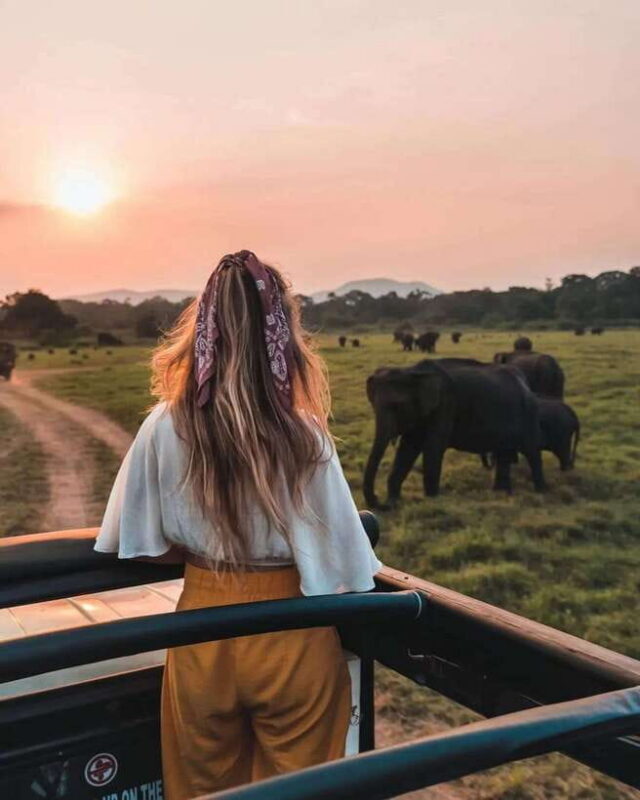
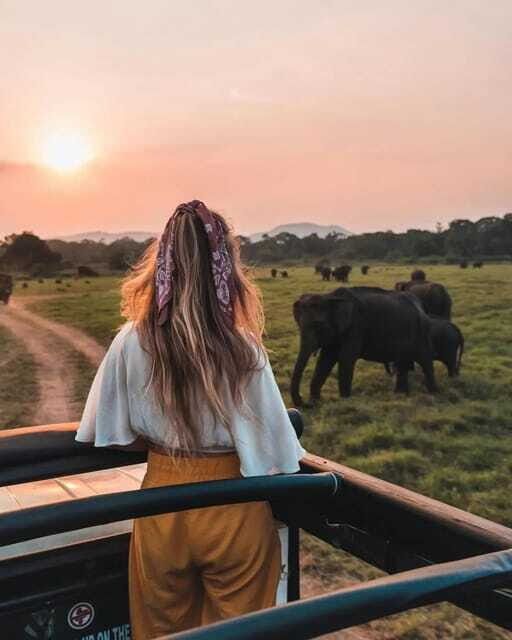
Once inside the park, the driver takes you across a mix of grassland, lakeside areas and forest patches. The route is shaped by conditions and animal sightings, so there is no fixed list of stops. You may spend time watching elephants graze, move through the grass or gather near water. The most memorable moments can be quiet ones: a family at the edge of a lake, a calf close to its mother, or a herd feeding without much commotion.
The vehicle is a sturdy safari jeep, but park tracks can be rough. One safari in Hurulu was described as bumpy, muddy and wet, so do not expect a smooth city drive. The payoff is access to areas where the driver can search for wildlife. The jeep may also be open enough for photography and viewing, though exact vehicle features are not specified.
Drivers are often praised for spotting elephants and positioning the jeep for a clear view. Some have avoided the busiest clusters of vehicles, while others have worked patiently through crowded conditions. Crowds depend on the day and where the animals are. If several jeeps gather around a herd, your driver may look for another place to watch, but there is no guarantee that every sighting will be private.
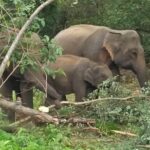
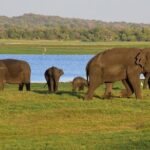
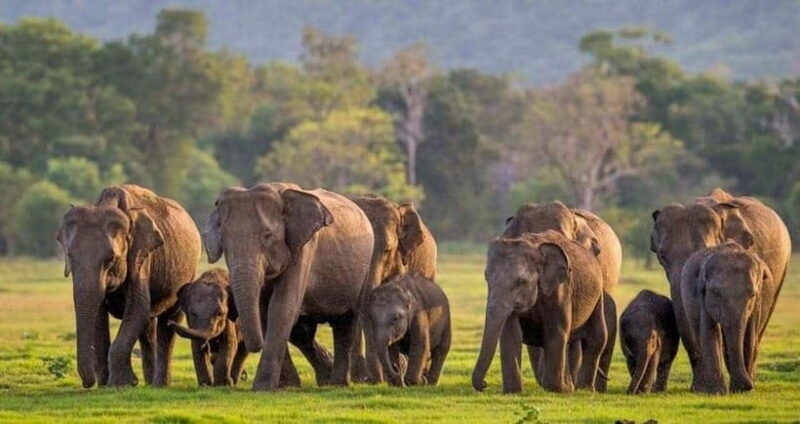
The safari’s central promise is the chance to see wild elephants, often in herds. Sightings described across different months range from smaller groups to dozens at once, with some people seeing around 50 to 70. Those numbers give a sense of what can happen, not a forecast. The animals move freely, and their location can change with weather and season.
If you are lucky, you may see calves among the adults. Several trips have included very young elephants, and those encounters were a highlight. Keep your camera ready, but give yourself time to watch without looking through a screen. A herd’s movement, social behavior and use of the water can be more interesting than any single photograph.
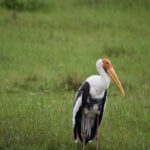
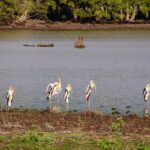
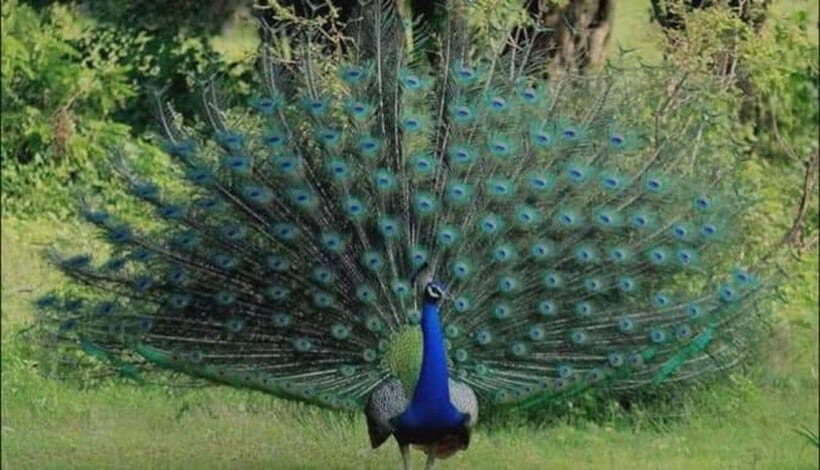
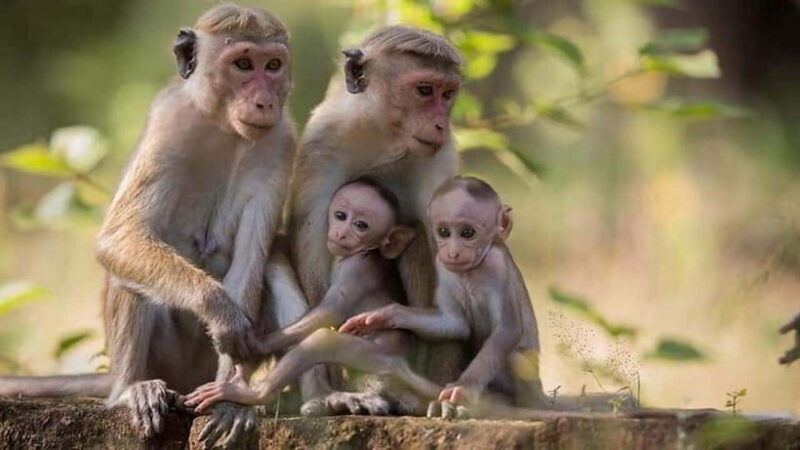
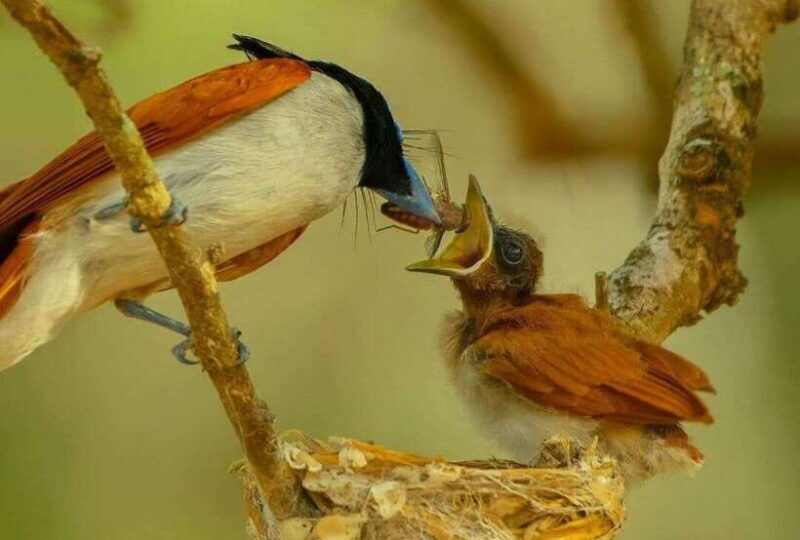
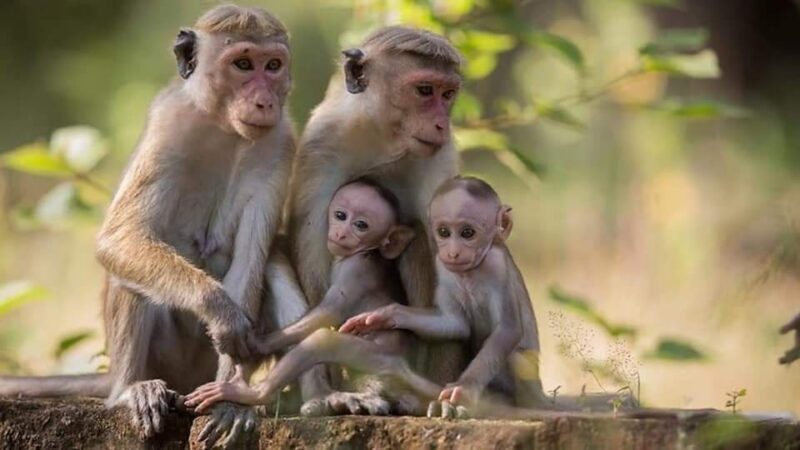
Elephants are not the only animals to watch for. The park area may also offer deer, water buffalo, monitor lizards and birds. Other sightings have included peacocks, monkeys, eagles, crocodiles, reptiles and mongooses. These are possibilities rather than a checklist; the driver’s sharp eyes can help you notice smaller animals that might otherwise pass unseen.
More Great Tours Nearby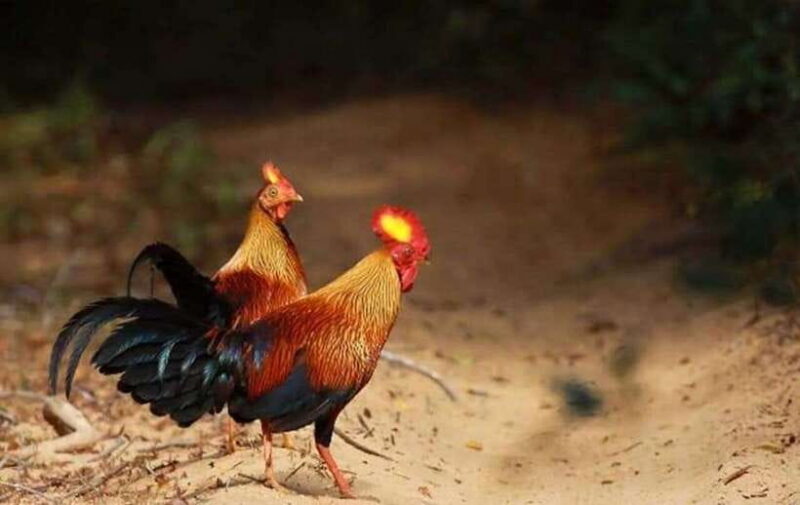
The safari is promoted as responsible wildlife viewing, and some guides have been described as turning off the engine when elephants come close, avoiding a chase and letting the animals approach on their own. Those are good signs of a more considerate encounter. You can also pay attention to how the jeep behaves: a calm viewing position and space for animals to move matter more than getting the closest possible photograph.
That said, closeness is a real consideration. One person felt the jeep was sometimes near the elephants, even while describing the experience as respectful and observing no clear distress. Other accounts describe elephants approaching the vehicle themselves. Wild animals can change direction quickly, and you should follow your guide’s instructions rather than lean toward an elephant or ask the driver to move closer.
Crowding is another variable. When herds gather in one area, multiple jeeps may arrive, and the view can feel less intimate. Some drivers find quieter spots; others may have to work amid a busy group of vehicles. If an ethical approach is a priority for you, ask the operator how the driver handles close sightings and whether the engine is switched off near animals.
This trip suits photographers because wildlife can appear in open grass, beside water or against the light at the start or end of the day. The driver can help with spotting and photography, and accounts describe guides stopping to allow time for pictures. Still, the exact light and animal positions depend on the hour and weather. Check your start time and bring a camera or phone that is ready to use from the jeep.
An early start may mean fewer vehicles. One morning safari saw elephants and water buffalo with very little traffic around, while an afternoon outing can be a good choice if the herds are gathering in another park. There is no universally best time: the animals’ movements matter more than a simple morning-versus-afternoon rule.
Take practical care with clothing and gear. Mud and rain have been part of some outings, so a clean, dry ride is not guaranteed. Meals and snacks are not included, and you may want to eat beforehand or bring something suitable. Some drivers have provided water or fruit, but those extras are not listed as standard inclusions.
At $33 per person, the tour price covers a four-hour safari outing, an experienced driver, hotel pickup and drop-off in the stated areas, help with wildlife spotting and photography, and insurance for the safari vehicle. That is useful value if you want transport and a driver who knows how to search for elephants rather than arranging each part separately.
The entrance ticket is an important extra. Park fees are not included, and one person reported paying 11,000 Sri Lankan rupees per person for entry in August 2025. Treat that as an example from one visit, not a current rate; check the latest fee before you go. Food and snacks are also extra, and a change to Hurulu or Kaudulla may sometimes cost more.
The main value is not a guaranteed elephant count. It is the combination of pickup, a local driver, help finding animals and some freedom to change parks when conditions call for it. If the entrance fee and any park-change charge push the total beyond your budget, compare the full cost rather than judging by the $33 headline price alone.
I would recommend this outing if you are staying around Sigiriya, Habarana or Dambulla and want a focused wildlife trip without organizing transport yourself. Families, nature lovers and photographers are a natural fit, provided everyone is comfortable with a bumpy jeep ride and the uncertainty that comes with wild animals.
It can also work well for solo visitors. The driver can explain what you are seeing, and the jeep may include other participants, though group size is not specified. If you want a private vehicle, a guaranteed herd, or a quiet view at every stop, confirm what is offered before booking; those details are not guaranteed here.
The tour is less suited to anyone who expects a polished, fixed itinerary with no extra costs. Park entry is separate, weather can affect the route, and crowded sightings are possible. Think of it as a flexible search for wildlife, with elephants as the likely focus rather than a promised performance.
Book this safari if you value a practical pickup, an English-speaking driver and a strong chance of seeing wild elephants, while accepting that the park may change and the entrance fee is extra. The most useful step is to confirm the current park choice, any additional charge and your pickup time before setting out.
If the team recommends Hurulu or Kaudulla because the elephants have moved, consider the reason rather than sticking rigidly to Minneriya. That flexibility is one of the trip’s strengths. Just keep expectations grounded: good guiding can improve your odds and your understanding of the animals, but it cannot control where wildlife gathers.
“Really good day out with plenty of elephant sightings!”
The activity lasts about four hours. Available starting times can vary, so check them when you book.
Hotel pickup and drop-off are offered from Sigiriya, Habarana, Dambulla and nearby areas.
No. The Minneriya National Park entrance fee is not included. Meals and snacks are also extra.
Yes. If the elephants have moved, the team may suggest Hurulu Eco Park or Kaudulla National Park instead. Ask whether the change has an additional cost.
Elephants are the main focus. Other possible sightings include deer, water buffalo, monitor lizards and birds, with other wildlife such as monkeys, peacocks, crocodiles and mongooses also reported.
The driver speaks English.
Yes. You can cancel up to 24 hours in advance for a full refund.
No. Meals and snacks are not included.
You can check availability for your dates here: