Physical Address
304 North Cardinal St.
Dorchester Center, MA 02124
Physical Address
304 North Cardinal St.
Dorchester Center, MA 02124

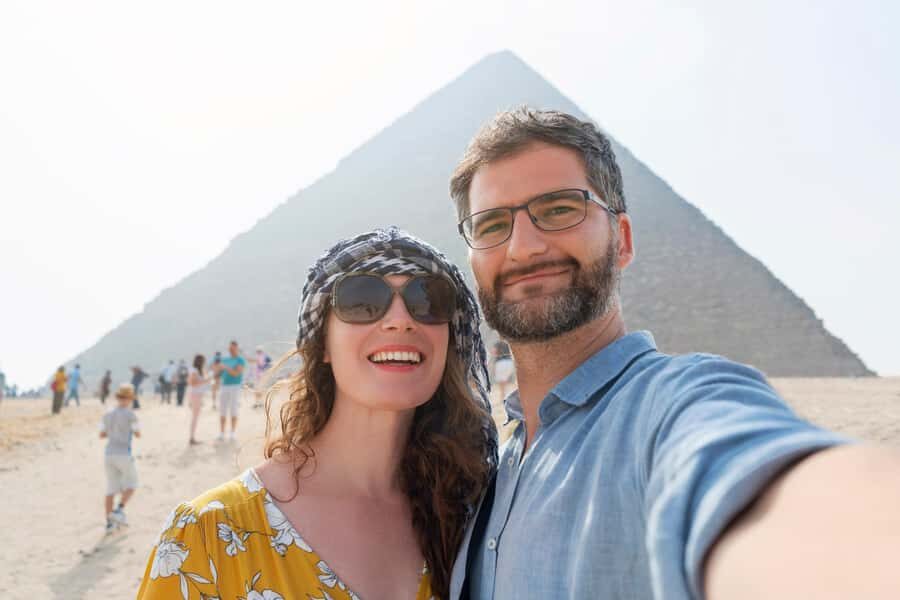
Visit Saqqara, Dahshur, and Giza in one private Cairo tour, with a guide, air-conditioned transport, entrance fees, and lunch included.
Saqqara, Dahshur, and Giza tell three different chapters of pyramid building in a single day. You’ll see the Step Pyramid, the Bent and Red Pyramids, then the famous Giza monuments, with a private guide to connect the sites rather than leave you to puzzle them out alone.
I like two things in particular: the quieter, less familiar pyramids at Saqqara and Dahshur make a striking counterpoint to Giza, and the private car gives you a calmer way to cover a lot of ground. Entrance fees and lunch are included, too, which makes the $70 price useful value for a full day.
The trade-off is the pace. Seven hours is a compact window for three large archaeological areas, and the day involves plenty of walking under open skies. In warm weather, bring water, sun protection, and comfortable shoes.
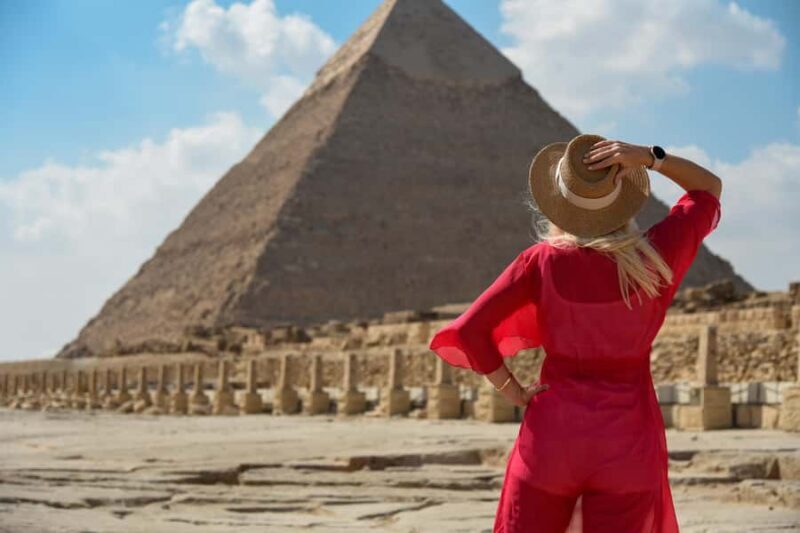
This tour is more than a quick photo stop at the Great Pyramid. Saqqara, Dahshur, and Giza each show a different point in the development of Egypt’s royal tombs, and seeing them in one sequence gives the day an appealing sense of progression.
At Saqqara, you begin with the Step Pyramid, built for King Djoser in the Third Dynasty. At Dahshur, the Bent and Red Pyramids show the experiments that led to the smoother-sided forms. At Giza, those forms reach their best-known expression in the Great Pyramid and its neighbors.
That sequence is the tour’s main strength. Giza is the sight most people picture before a Cairo trip, but Saqqara and Dahshur add scale and context. They are not simply warm-up stops before the famous pyramids. They help you see that pyramid building took time, ambition, and trial and error.
The tour lasts about seven hours and is private, with hotel pickup and drop-off. For a Cairo day, that combination matters: the sites are spread out, and having a driver between them saves you the work of arranging separate transport. The guide also gives you someone to ask questions as the day unfolds.
You can check availability for your dates here: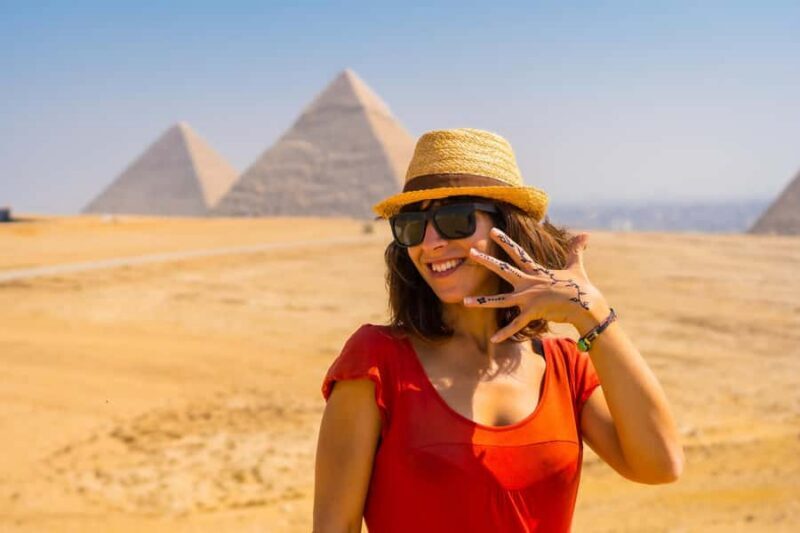
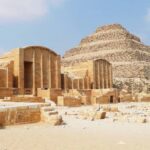
The day begins at Saqqara, often described as a city of the dead. Its headline sight is the Step Pyramid of Djoser, built around 2630 BC. It is the oldest major stone structure in Egypt, an important distinction that makes this stop more than a chance to see an unusual pyramid shape.
The Step Pyramid looks different from Giza’s familiar smooth-sided monuments. Its tiered form makes the idea of pyramid building feel less settled and more experimental. I like seeing it first because it gives you a visual starting point for the changes you’ll notice at Dahshur and Giza.
Your guide can also help you make sense of the wider site. One visitor particularly valued learning about hieroglyphs during the tour, a reminder that a good guide can add useful detail beyond the outline of a building. Guides named by visitors have included Sherif, Hadeer, Nada, and Hazem, among others. The guide assigned to your date may differ, but the experience is designed around a private guide rather than a recorded commentary.
Saqqara is also a good place to pause and look closely. Visitors have described entering the Pyramid of Unas as a memorable part of the area, though this tour description does not promise access to every tomb or interior. Ask your guide what is open and what can fit into the day before committing extra time.
Expect walking and outdoor exposure here, as at the other sites. The tour’s air-conditioned car gives you a welcome break between stops, but it cannot make the monuments themselves shaded or cool. A hat, sunscreen, and water are sensible, especially in summer.
Looking for more options in Cairo? Here are some other experiences worth considering.
At Dahshur, you see two pyramids linked to King Sneferu, founder of the Fourth Dynasty. The Bent Pyramid is famous for its change in angle partway up its sides. It is often explained as an early attempt at the smooth form later seen at Giza, though its unusual profile is memorable in its own right.
The Red Pyramid offers a clearer look at the smooth-sided design. Together, the two monuments make Dahshur a rewarding stop for anyone interested in how pyramid construction changed over time. You are not just ticking off another ancient site; you can compare the shapes and consider the process behind them.
Dahshur is often the quieter part of this three-stop day. That can make it feel more open and less hurried than Giza, particularly if you enjoy looking around without the same concentration of iconic sights. The flip side is that it is a broad archaeological area, so expect open ground, walking, and limited shade rather than a compact indoor visit.
Some visitors have found the Bent Pyramid’s long internal passage an extraordinary experience. Going inside can mean a steep, confined route, so it is not a must for everyone. One visitor specifically cautioned that the Giza pyramid interior is not suitable for people who are weak on their feet or uncomfortable in tight spaces. If you are considering entering any pyramid, ask your guide about the current option and conditions, and be honest with yourself about your comfort level.
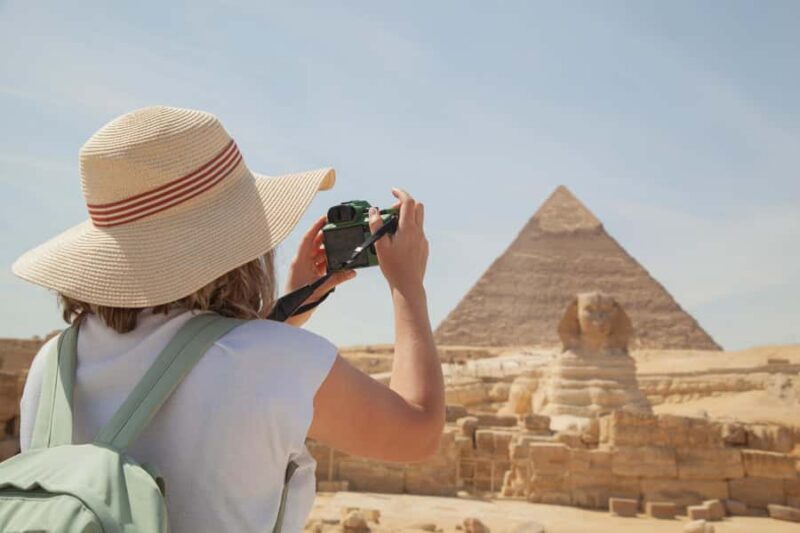
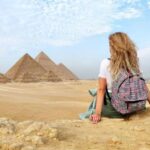
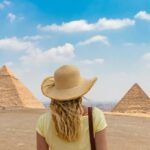
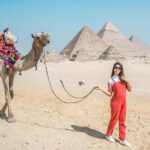
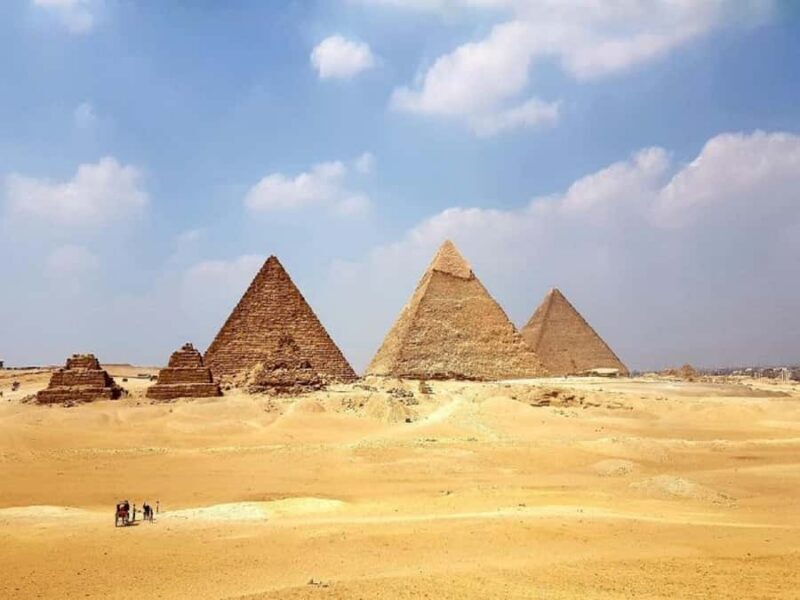
Giza brings the day to its most familiar images. The Great Pyramid of Cheops, also known as Khufu, is the only surviving wonder of the ancient world. Seeing its scale in person is different from seeing it in a photograph: the broad stone courses and the sheer size of the structure are hard to grasp from a distance.
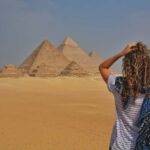
The Pyramid of Chephren still has some of its original limestone casing near the top, a detail worth looking for. The third and smallest of the three main pyramids belongs to Mykerinus. A panoramic viewpoint on the plateau gives you a chance to see all three together and take the classic group photograph.
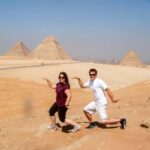
Photo help is one of the practical pleasures of a private tour. Guides such as Hesham, Omar, and Sherif have been praised for suggesting poses or taking pictures, and several guides are described as patient about giving people time to explore. That is useful at Giza, where it is easy to spend your visit simply trying to frame the monuments. Your particular guide may have a different style, so treat photo assistance as a likely bonus, not a formal promise.
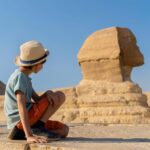
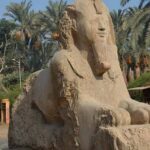
The Great Sphinx sits at the foot of the pyramids. Its human head and lion’s body make it one of Egypt’s most recognizable sculptures, and its meaning remains uncertain. A guide can explain the traditional association with Chephren and give you context for its place in the complex.
Giza is also the busiest and most visually overwhelming stop of the day. It is the climax, but it can feel less quiet than Saqqara and Dahshur. The panoramic viewpoint helps you take in the whole site before you focus on individual monuments. Leave some room in your schedule to look, not only to photograph.
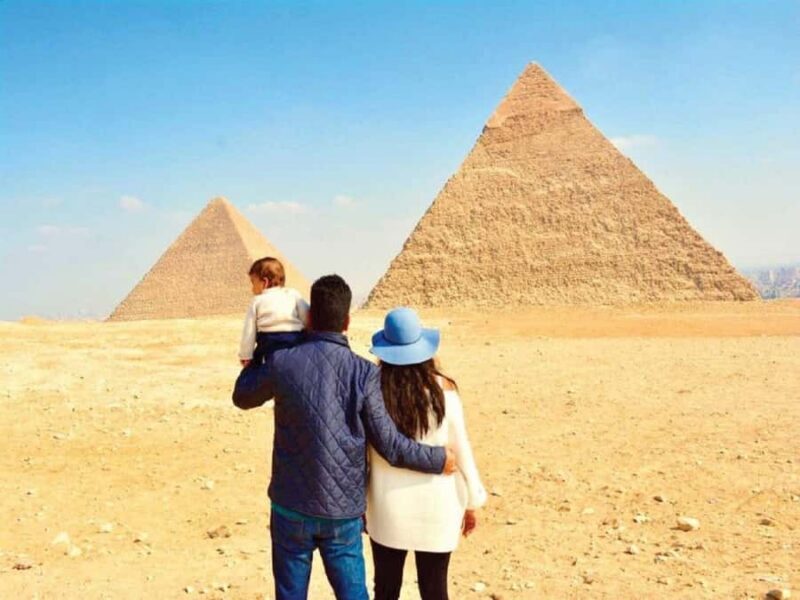
The tour includes hotel pickup and drop-off, private transportation, a private English-speaking guide, entrance fees, and lunch at a local restaurant. At $70 per person, that is strong value if you want to visit all three sites without coordinating separate rides, tickets, and meals yourself.
The private setup is especially useful for adjusting the rhythm. Some visitors have been able to change the order of stops or spend more time at a particular site to fit their needs. Flexibility is not unlimited, since the day still covers a long route in seven hours, but it can help if you want a little more time to explore or need a slower pace.
The driver and guide are separate roles on many tours of this kind, and the quality of both shapes the day. Visitors have called out punctual, courteous drivers and clean cars, while guides have been praised for clear explanations, cultural context, and a friendly manner. Past guide names include Anna, Tamer, Christine, Hadeer, Hazem, and Nada. These are examples, not a guarantee of who will lead your tour.
Lunch is included at a local restaurant after the pyramid visits. The meal has been described as freshly cooked and traditional, and one person noted good vegetarian choices. A rooftop restaurant with a pyramid view has also featured in some outings, but do not assume that every tour uses the same restaurant or offers the same view.
One small gap to plan for: bring your own water. Some drivers have supplied cold bottles, but that is not a stated inclusion, and one visitor recommended that the tour provide water at the start. Restrooms at the sites may require small local cash payments; one visitor mentioned paying 20 Egyptian pounds. Carrying a little change is a practical precaution, though fees can vary.
More Great Tours Nearby
Seven hours is enough to see the main monuments, but it does not mean you can linger everywhere without watching the clock. The route covers three large sites, and traffic or time spent walking can affect how long you have at each stop. Your guide can help you use the day well, but this is a highlights tour, not a slow archaeological study.
The season matters. A visitor who took the tour in June described the heat as severe and advised against going in midsummer if you can choose another time. The tour operates in warm, exposed settings, so carry water, wear comfortable walking shoes, and bring a hat or scarf and a hand fan if you find heat difficult.
The day is family-friendly in spirit, but it is still an active outing. One family toured with a toddler and an older relative and found the guide and driver helpful and patient. That is encouraging, though your own group should consider the amount of walking and time outdoors when deciding whether the full route suits everyone.
English guiding is included. Arabic, French, German, and Spanish are listed as available guide languages, while Spanish, German, or French guiding is described as an add-on. Confirm the language arrangement when booking so you know whether it carries an extra charge.
The tour offers skip-the-ticket-line access, and all entrance fees are included. You can also reserve now and pay later, and cancel up to 24 hours before the tour for a full refund. Check available start times when choosing a date.
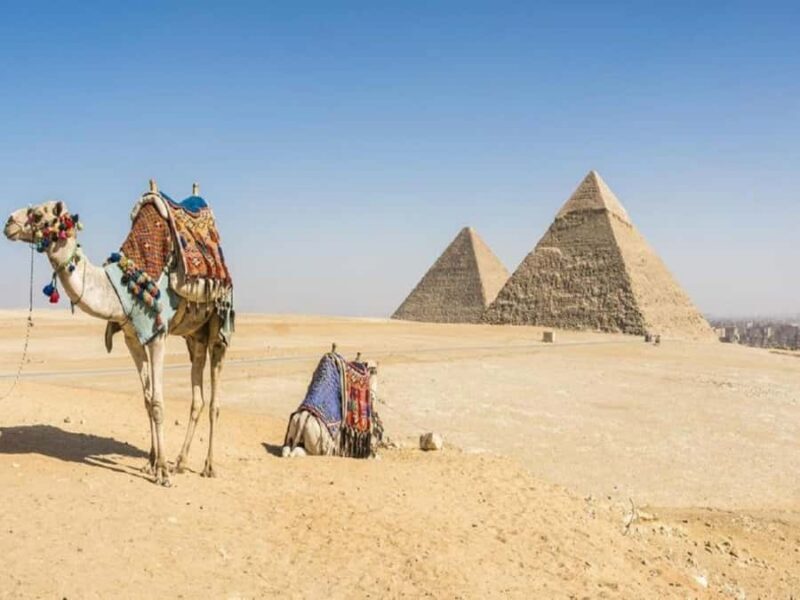
I would choose this tour if you want to see more than Giza and value a private guide, private transport, and a straightforward package price. Saqqara and Dahshur are the difference-makers: they make the day feel like a story about pyramid design, not just a visit to the world’s most famous monument.
It is less suited to anyone who wants a leisurely day at one site, dislikes long outdoor walks, or struggles with heat. At $70, the included transfers, entrance fees, guide, transport, and lunch make the price compelling, but the real value is having the logistics handled while you focus on the places.
Book it if you want three major pyramid areas in one organized day and can manage a brisk, sun-exposed schedule. If you do, bring water and good shoes, ask your guide about interior visits, and save a little time at Giza to take in the view without looking through your camera.
“The trip to Saqqara and Giza pyramids ran smoothly. We had our own car and guide, Anna, who shared a lot of information with us about history and e…”
The tour lasts about seven hours.
The stated route visits Saqqara, Dahshur, and the Giza pyramids, including the Great Sphinx.
Yes. Hotel pickup and drop-off are included. Wait for your guide in the hotel lobby.
Yes. Entrance fees and lunch at a local restaurant are included.
Arabic, English, French, German, and Spanish are listed. English is included; Spanish, German, or French guiding may be available as an add-on.
Yes. You can cancel up to 24 hours in advance for a full refund.
You can check availability for your dates here: