Physical Address
304 North Cardinal St.
Dorchester Center, MA 02124
Physical Address
304 North Cardinal St.
Dorchester Center, MA 02124

Make momo, dal bhat, and other Nepali dishes in a small-group Kathmandu class with a market visit, patient instruction, and a generous meal.
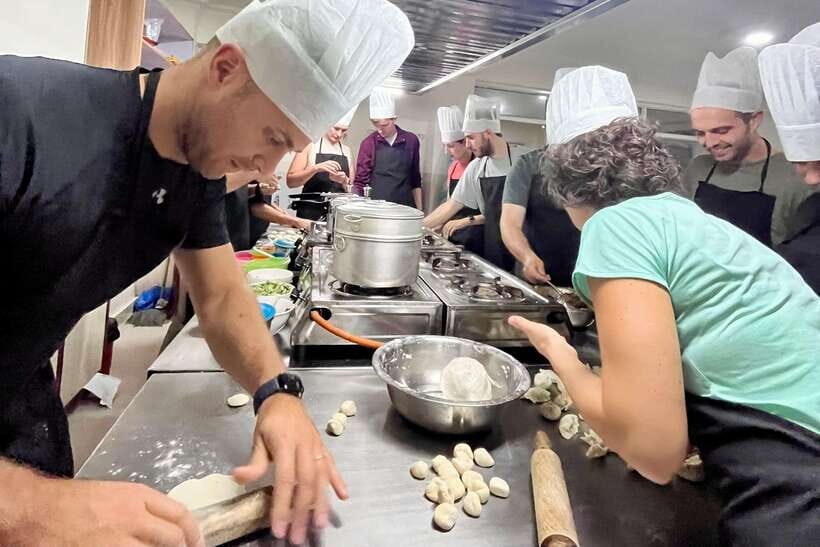
Momo making is the heart of this Kathmandu cooking class: you prepare the filling, work with the dough, shape the dumplings, and eat what you have made. The class also takes you to a local market to choose ingredients, so your lesson starts with Nepali food as it is bought and cooked, not just served.
I like two things in particular: Nishma’s patient, clear teaching and the chance to make more than a single dish. Depending on the menu, you may cook dal bhat, chatamari, bara, or a sweet such as yomari, then sit down to a proper meal with masala tea.
One consideration: the activity is listed at $4 per person, a remarkably low starting price, but pickup is optional and menu choices may affect what you make. Confirm the details for your selected option before booking. The venue also has stairs and is not suitable for wheelchair users or people with visual impairments.
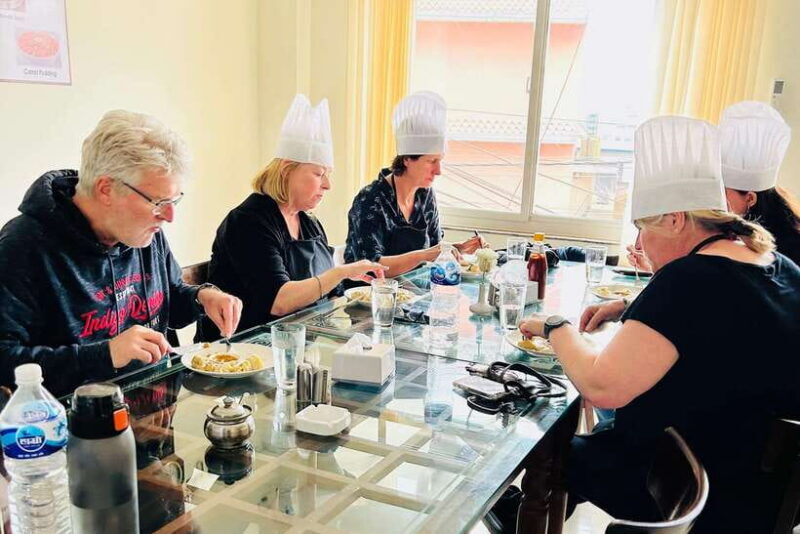
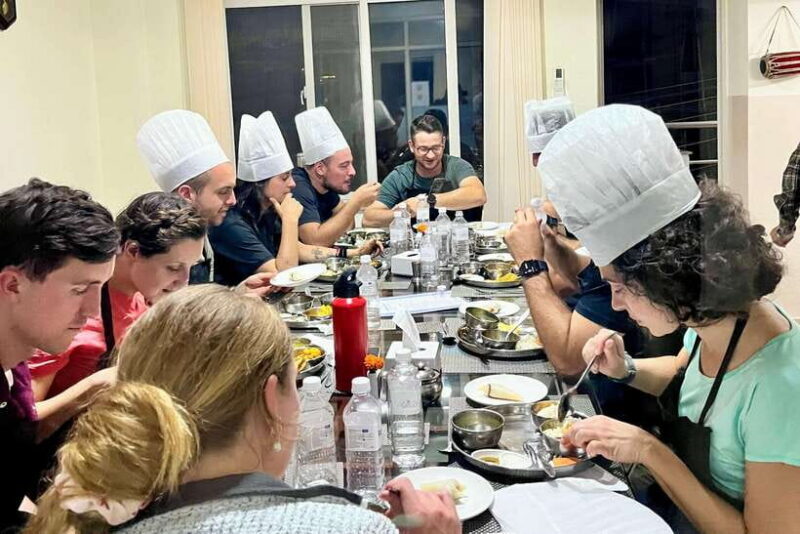
The class begins with a meeting point that depends on the option you book. Hotel pickup is available if you select it, and pickup can be arranged from locations within Kathmandu. If you are making your own way, check the meeting details carefully: one class location is within walking distance of some Thamel hotels, but the route can include a steep hill. The venue has stairs, so that is worth considering if mobility is an issue.
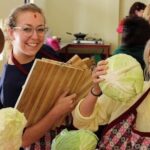
Once together, the group heads to a local market or shop to buy ingredients. This is a useful start because it gives you a look at the raw materials behind Nepali cooking: vegetables, spices, and, for meat dishes, the chosen meat. You are not just handed a prepared bowl and asked to follow a recipe. You get to see the shopping that sets the meal in motion.
The amount of explanation at the market may vary. If you are curious about a particular spice or ingredient, ask while you are there. The instructors speak English, and participants have found them open to questions. The market portion is also a short walk and a chance to chat with the group before everyone gets busy cooking.
Want to bring Kathmandu flavors home? These cooking classes could be just right
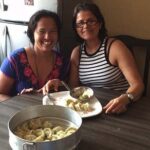
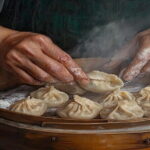
Back in the kitchen, momo usually takes center stage. You may make the dough and filling from scratch, then learn how to shape the dumplings and prepare a dipping sauce. Classes can include both vegetarian and chicken fillings, and some menus offer buffalo momo as well. Tell the team your preferences in advance so they can plan around dietary needs.
This is the part that rewards patience. Shaping a tidy momo takes a little practice, and the instructors, particularly Nishma, are often described as clear and unhurried. The class is designed to be hands-on, so you should expect to take a turn rather than watch a chef do all the work. If your first dumpling looks lopsided, you are in good company. The point is to learn a technique you can try again at home.
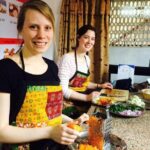
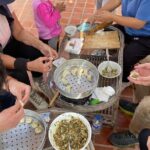
The kitchen work is shared among the group. You may help prepare fillings, shape dumplings, or work on another dish at the same time. That makes the session social and keeps everyone involved, though the exact tasks depend on the group and the menu. The classes are small-group experiences when that option is available, which helps make it easier to ask for a demonstration or a second try.
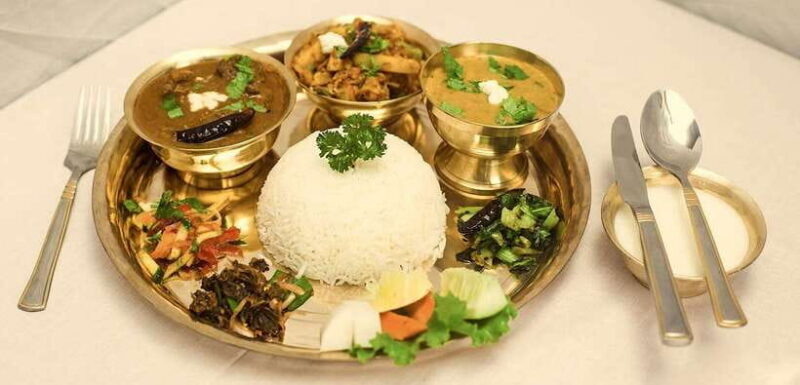
Momo and dal bhat are the main dishes to expect. Dal bhat pairs rice with lentil soup and often comes with curry, making it a familiar everyday meal across Nepal. Learning how the parts come together gives you more than a recipe for one dish: it introduces a common pattern of Nepali dining.
The class may also offer a selection of additional dishes. Chatamari, sometimes called Nepali pizza, is a flatbread topped with other ingredients. Bara is a fried lentil patty, while yomari is a sweet dumpling filled with jaggery and sesame seeds. Other possible choices include chicken curry with roti, thukpa noodle soup, mushroom choila, carrot pudding, and aloo chop.
You should not assume every class makes every item. The menu is chosen from available options, and the experience information names momo and dal bhat as the core focus. Ask about your preferred dishes when arranging the class, especially if there is one you particularly want to learn. Recent classes have made combinations such as momo and chatamari, or dal bhat, momo, and carrot pudding.
Masala tea is included during the lesson. Some groups may also be offered local delicacies, but specialty and alcoholic drinks are not included. Since the class ends with tasting the food you have cooked, it is sensible to arrive hungry rather than eat a large lunch just beforehand.
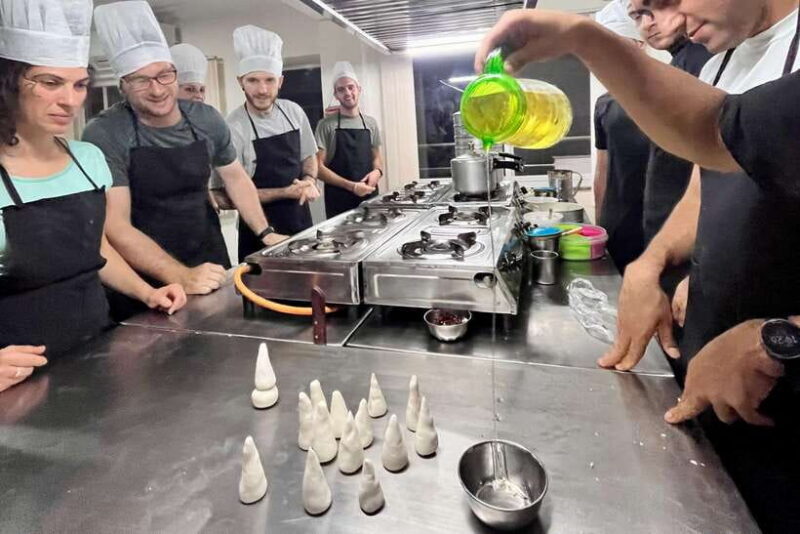
The instructors are a central part of the experience. Nishma, also referred to as Nish, is frequently the lead teacher. Bikram, sometimes called Vikram or Vicky, and other team members may assist with instruction and ingredient preparation. Their roles can vary from session to session, but the teaching style is commonly described as patient, friendly, and easy to follow.
That matters for a cooking class more than a polished kitchen or an elaborate menu. You need to be able to ask questions, see the technique, and try it yourself. The instructors are known for explaining steps clearly and allowing time to work, which suits beginners as well as people who already cook. English is the class language.
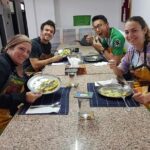
The atmosphere is informal. You may be cooking alongside people from several countries, sharing tasks and conversation as you go. That social element adds something to the experience, but it also means this is not a private, one-on-one lesson unless you have arranged a suitable option. If you want a highly technical course focused on exact measurements and advanced restaurant methods, this is better understood as an approachable introduction to home-style Nepali cooking.
More Great Tours Nearby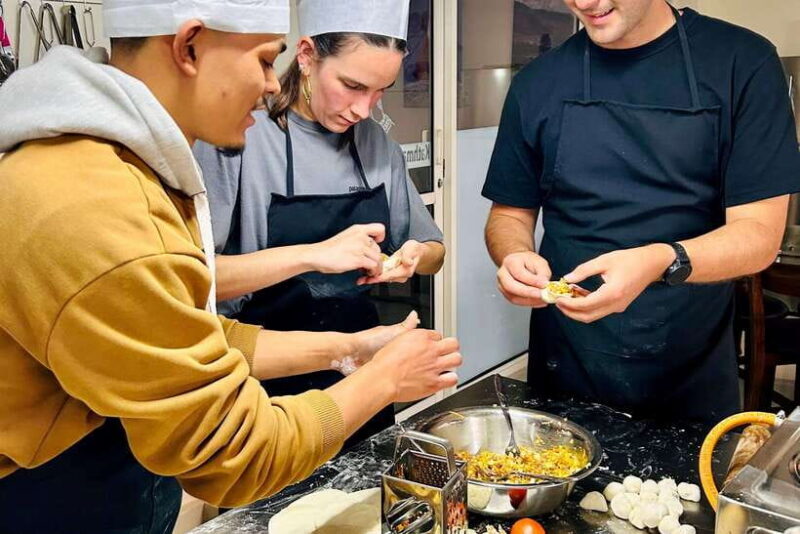
At the stated price of $4 per person, the class looks like an exceptional value. It combines ingredient shopping, instruction, kitchen equipment, masala tea, and a meal made by the group. If you are comparing it with a simple restaurant meal, the extra value is the chance to learn the methods and take recipes home.
Still, check what your selected option includes before you book. The advertised price is per person, while hotel pickup is included only if you choose an option with pickup. The meeting point varies by booking choice, and additional dishes can depend on the menu selected. Specialty drinks are not included.
The class typically lasts around three hours, though the overall duration is listed as two to four hours. That range is useful to keep in mind if you are planning another activity afterward. Market shopping, cooking, and eating all take time, and the meal itself may be plentiful. A PDF recipe book is available by WhatsApp after class if you request one; printed books cost extra.
Free cancellation up to 24 hours in advance and a reserve-now, pay-later option offer flexibility. Arrive 15 minutes early, wear comfortable clothes, and tell the organizers in advance about allergies, medical conditions, or dietary restrictions. Aprons and cooking equipment are provided, so a camera is the main item suggested to bring.
You might also be interested in these Kathmandu experiences
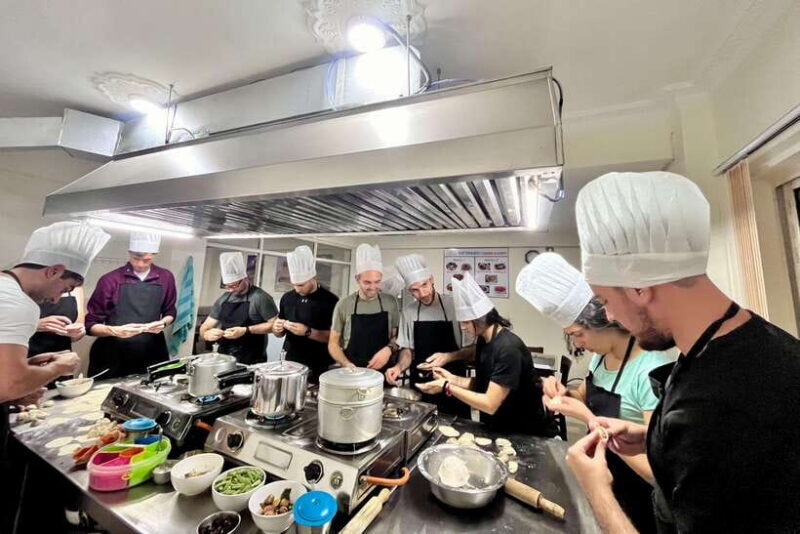
This is a good fit if you want to learn a useful Nepali recipe while meeting local cooks and eating a filling lunch or dinner. It works especially well for first-time momo makers, curious food lovers, and people who like a relaxed group activity more than a formal demonstration. Families and friends can take it together, and solo participants may appreciate the easy conversation around a shared cooking task.
It is also a practical choice if you want to support a women-led local activity. Nishma is often the main instructor, with other local cooks helping lead and prepare the class. The experience puts the teaching and cooking at its center, rather than treating food as a brief stop on a sightseeing tour.
It is less suitable if you need step-free access: the venue has stairs and the activity is not suitable for wheelchair users or people with visual impairments. It may also disappoint if you expect a fixed menu with every dish listed. Confirm the menu you want, and be ready for the class to focus on momo and dal bhat.
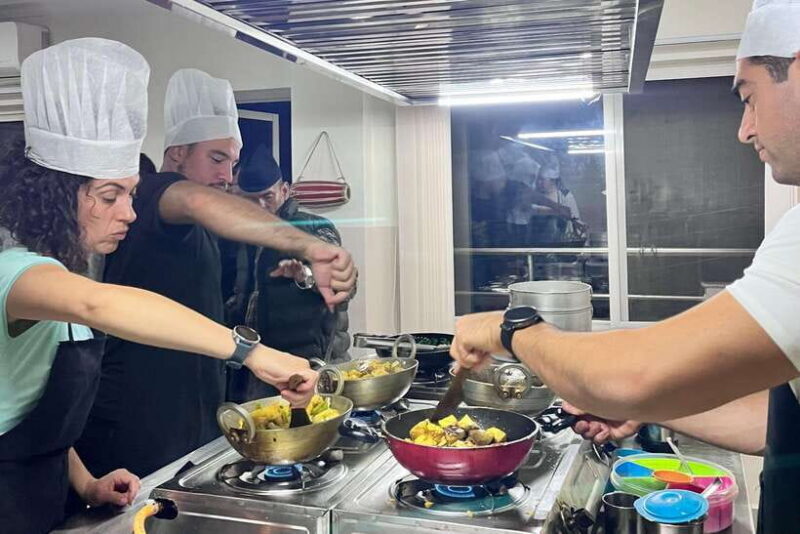
Book this class if you want a friendly, practical introduction to Nepali food and are happy to spend about three hours shopping, cooking, and eating with a small group. The best reasons to go are the full hands-on momo lesson, Nishma’s patient instruction, and the chance to make a complete meal rather than simply watch a demonstration.
Before paying, confirm your meeting point, pickup choice, dietary needs, and preferred dishes. If those details suit you, this is a particularly appealing way to turn a Kathmandu afternoon or evening into something you can recreate in your own kitchen.
“Had an excellent class with Nish and Vicram including a trip to the market stall to buy all the produce we needed. The cooking was great fun and ev…”
The activity is listed as two to four hours and usually lasts around three hours, including the market visit, cooking, and meal tasting.
Momo and dal bhat are the main focus. Additional options may include chatamari, bara, yomari, chicken curry with roti, thukpa, mushroom choila, carrot pudding, or other Nepali dishes.
Yes. Vegetarian and meat options are available, including vegetarian and chicken momo. Tell the organizers about dietary preferences or restrictions in advance.
Yes. The class includes a market or shop visit to buy ingredients such as vegetables, spices, and meat for cooking.
The instructors include local cooks such as Nishma, also known as Nish, and Bikram, also called Vikram or Vicky. The class is taught in English.
Pickup is optional. If you select an option that includes it, provide your hotel details when booking. Pickup can be arranged from locations within Kathmandu.
The class includes step-by-step instruction, an experienced instructor, a market or shop visit, cooking equipment, hands-on cooking, tasting the meal you prepare, and Nepali masala tea. Hotel pickup and drop-off are included only with selected options.
Nepali masala tea is included during the lesson. Specialty and alcoholic drinks are not included.
No. The activity is listed as unsuitable for wheelchair users and people with visual impairments. The venue has stairs.
You can check availability for your dates here: