Physical Address
304 North Cardinal St.
Dorchester Center, MA 02124
Physical Address
304 North Cardinal St.
Dorchester Center, MA 02124

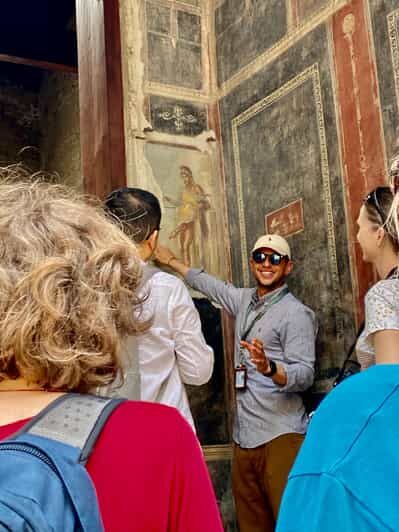
Explore Pompeii’s frescoed villas and newly opened areas with a local guide, then keep exploring on your own. Entrance ticket sold separately.
Pompeii makes more sense when someone helps you read it. This two-hour walking tour takes you through frescoed villas and newly opened areas, pointing out the details that turn stone walls and worn streets into a picture of everyday life before the eruption.
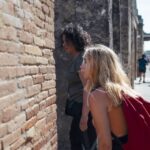
I like the focus on quieter routes and easily missed details, and the fact that you can keep exploring on your own after the guided portion. I also like that the guides bring the place to life through stories about daily routines, symbols, and the city’s ongoing excavation.
The main catch: your entrance ticket is not included, and two hours only covers a portion of a very large site. Buy your ticket separately and think of the tour as a useful introduction, not a complete visit.
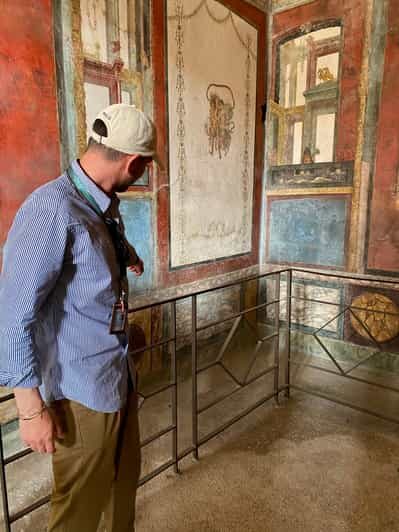
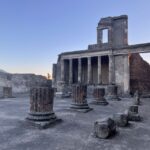
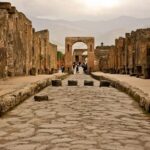
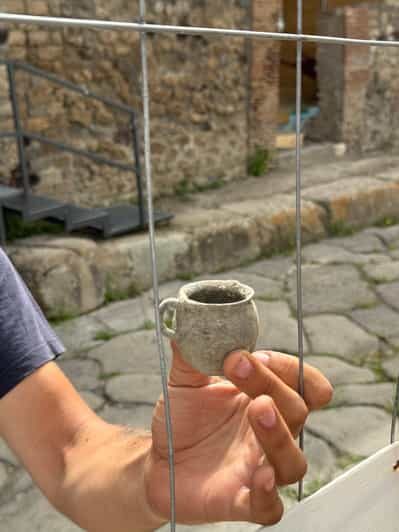
Pompeii is not short on things to look at. The challenge is knowing what you are looking at: a threshold, a painted wall, a shopfront, or a patch of stone can tell you about the people who lived here, but the clues are easy to miss when you are walking without context.
This tour gives you that context in a compact, two-hour walk. Your English-speaking guide connects the ruins to daily life in 79 AD, pointing out symbols, small details, and the purpose of places you might otherwise pass without a second glance.
The best guides make the site feel personal without turning the visit into a lecture. Enzo is often singled out for his lively explanations and crowd-aware routing; Francesco is praised for his clear, funny style. Your guide is not guaranteed, but the consistent strength of the guiding is a major reason to consider booking.
You can check availability for your dates here: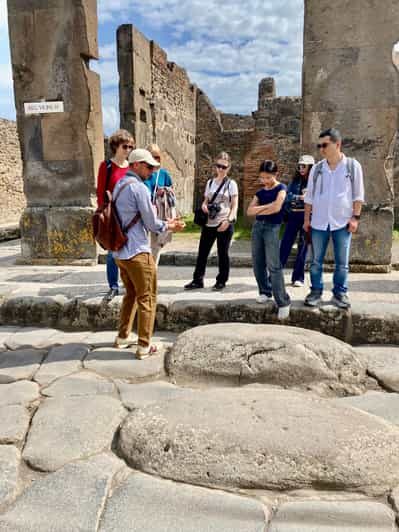
The tour’s crowd-avoidance strategy is one of its most useful features. Guides may start with quieter parts of the site and work around larger groups, helping you spend more time looking and listening instead of bunching up behind another tour.
That does not mean Pompeii will be empty. The site is popular, and its traffic changes through the day. A good guide can make smart use of the route and timing, but you should treat Skip the Crowds as a way to reduce crowd friction, not a promise of a private Pompeii.
The separate entrance is another practical advantage. It may save time at entry, but the archaeological site ticket is extra, so sort that out before the tour. The official ticket is the Pompeii Express ticket, available through the official website listed for the activity. Do not mistake the tour price for an all-in admission cost.
If you prefer having a local expert, these guided Pompei Campania experiences could work well
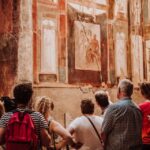
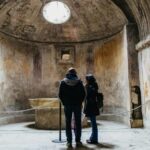
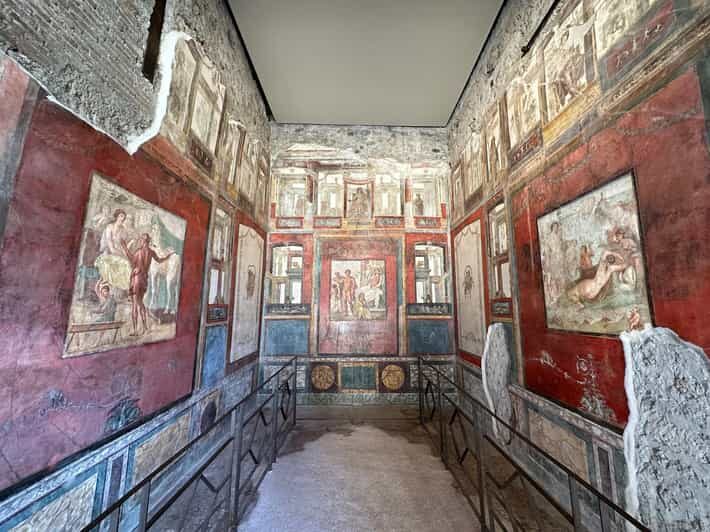
The route includes some of Pompeii’s most striking villas and their frescoes. These painted rooms give the ruins a different feel from the open streets: color and decoration offer a glimpse of how residents shaped their homes and how much detail survives beneath the weathering of time.
A guide helps you slow down. Rather than simply noting that a wall is painted, you can hear about its symbols and what they suggest about the household and its daily life. The tour is designed to keep the explanation accessible, with stories and observations rather than a dense stream of dates.
There is a trade-off in a short tour. You will not have time to study every room or linger at every fresco, and the guide has to keep the group moving. If a particular villa catches your eye, make a note of it and return after the tour if access and time allow.
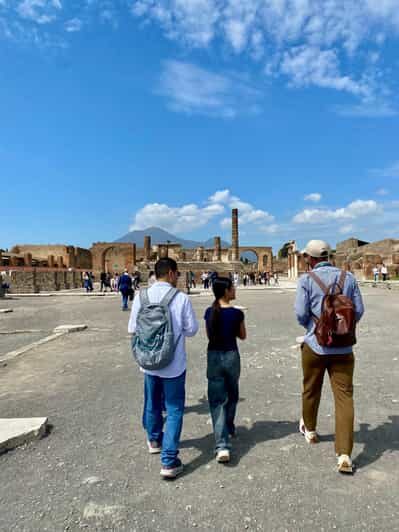
The newly opened areas are a strong reason this tour can appeal even to someone who has been to Pompeii before. Some guides include smaller or more recently accessible spots alongside the familiar sights, giving you a different route through the site and a look at places you may not have seen on an earlier visit.
You may also pass areas where excavations are still under way. That detail matters: Pompeii is not only a preserved ancient town, but also an active archaeological site where new work continues to shape what visitors can see and understand.
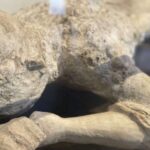
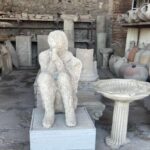
Access and the exact route can vary, so do not expect a fixed checklist of rooms. One visitor’s experience included a stop at the Antiquarium to see plaster casts, but that should be treated as a possible addition, not a guaranteed feature. Ask your guide what is open and what you can visit afterward.
The tour’s central value is interpretation. Pompeii’s streets and buildings are impressive on their own, but the guide gives them a human scale: where people lived, what they did, and how small visual details hint at daily routines.
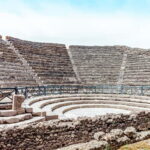
That approach suits a place that can feel overwhelming when you first enter. Pompeii covers a large area, and a two-hour visit cannot include everything. A guide helps you spend your limited time on selected highlights and understand why they matter, rather than wandering without a plan.
The experience is meant to be engaging rather than academic. Guides bring in anecdotes, answer questions, and share their favorite parts of the site. The best balance is enough detail to make the ruins legible, without so much information that you stop noticing the place itself.
More Great Tours NearbyTreat the tour as an orientation, not a full exploration. In two hours, you can see a meaningful selection of villas, streets, newer areas, and other notable sites, but you will not cover all of Pompeii. The site is too large, and several people who enjoyed the tour chose to continue walking independently afterward.
That follow-on time is part of the value. Once you have a basic map in your head and a few stories to attach to what you see, it is easier to explore at your own pace. Your guide may also suggest additional sites to visit after the formal tour ends.
The timing is especially useful if you have a limited morning or a train to catch, but it also calls for realistic expectations. If you want an unhurried look at every building, plan more time at Pompeii than the tour itself. If you have only two or three hours available, the guided route helps make that short visit count.
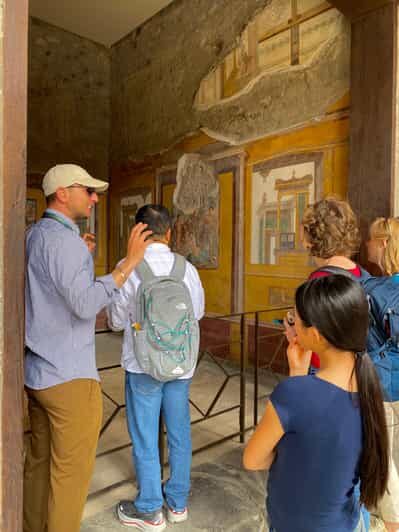
This is a small-group tour, though no fixed maximum group size is provided. One group was around 15 people and used headphones, which helped participants hear the guide while walking. Equipment can make a real difference in a busy archaeological site, though one visitor found the earpiece uncomfortable and the audio unclear.
The ground is hard and uneven, so wear comfortable walking shoes. Take water, a hat, and sunscreen, particularly in warm weather; shade is limited in some parts of the site. The walk is not suitable for wheelchair users.
Bring an ID card. A copy is accepted. The tour is in English, so it is best suited to visitors who are comfortable following spoken explanations in that language.
At $22 per person, the price is modest for a guided experience at a site this large. The strongest value is not simply seeing more ruins in two hours. It is learning what you are seeing, hearing stories that are hard to get from the stones alone, and having a guide choose a route that can avoid some of the busiest stretches.
But the total cost is higher than $22 because admission is not included. Add the separate Pompeii Express ticket when comparing this tour with other options. For a first visit, or for anyone with limited time, paying extra for a guide can be worthwhile; the interpretive help is the product, not bundled entry.
The tour also offers free cancellation up to 24 hours before it starts, and a reserve-now, pay-later option. Those terms can help if your plans are still in flux, but the practical priority is still to secure your separate site ticket and arrive ready to walk.
I would put this tour high on the list for a first visit, especially if you want a clear introduction without spending hours planning a route. It also makes sense if you have been before but want to see newly opened or less familiar areas with someone who knows the site.
It is a good fit for people who enjoy stories and context more than checking off every landmark. Families and curious adults can benefit from a guide who keeps explanations lively, though the uneven terrain, heat, and walking time may not suit everyone.
Skip it if you want to explore entirely at your own pace, need wheelchair access, or expect a complete tour of Pompeii in two hours. The format is best understood as a guided start, followed by your own time among the ruins.
“It was great, but unfortunately one spot that the guide pointed out to us was already closed (from 4:00 p.m.) …”
No. The tour price includes the guide and a visit to newly opened areas, but not admission. You need to buy the Pompeii Express ticket separately through the official ticket website.
The guided walk lasts two hours. Pompeii is much larger than the tour route, so you can continue exploring on your own if you have time.
The live tour guide speaks English.
The tour uses a separate entrance, which can help you avoid the main queue. Guides may also choose quieter areas first, but the site may still be busy, and a separate entrance does not include your admission ticket.
Bring an ID card or a copy, comfortable shoes, a hat, and sunscreen. Water is also useful, as some parts of the site have limited shade.
No. The tour is listed as not suitable for wheelchair users.
Book this tour if you want Pompeii to feel like a city where people lived, not just a vast stretch of old stone. The guide, route planning, and focus on easily missed details make the $22 fee worthwhile for many first-time visitors, especially when time is short.
Go in with the right plan: buy admission separately, expect a brisk two-hour introduction, and leave extra time if you want to explore beyond the route. If you can manage the uneven ground and the sun, this is a practical way to get your bearings before setting off on your own.
You can check availability for your dates here: