Physical Address
304 North Cardinal St.
Dorchester Center, MA 02124
Physical Address
304 North Cardinal St.
Dorchester Center, MA 02124

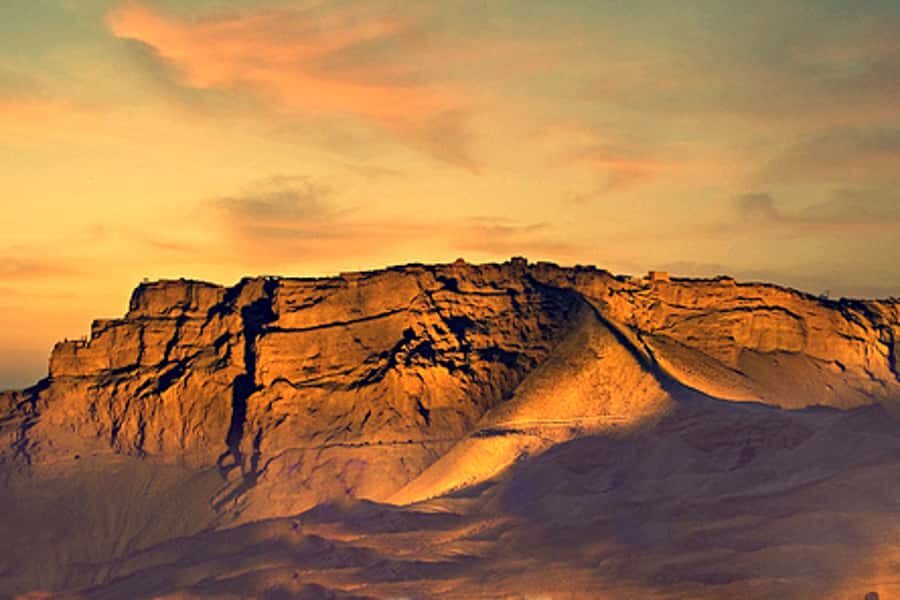
Visit Masada by cable car, explore King Herod’s desert fortress, then float in the Dead Sea on a guided day trip from Jerusalem.
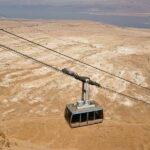
Masada makes an arresting first stop: a fortress perched high above the Judean Desert, reached by cable car and explored with a guide who can make its ruins and final stand against Rome easier to picture. I like that Masada’s entrance fees and cable-car ride are included, and that the day pairs history with a proper chance to float in the Dead Sea.
I also like the practical convenience of hotel pickup and transport from Jerusalem, especially if you have only one day for both sites. The trade-off is a full schedule: time at Masada and the Dead Sea may feel short, and the cosmetic-products stop is a shopping break some people would rather skip.
This is a long day out of the city, with about ten hours set aside for the return trip and visits. Pickup is described as late morning, though the supplier confirms the exact time and address after booking. Pickup is available at centrally located Jerusalem hotels; if yours is outside that area, you’ll be given a nearby meeting point.
The drive through the Judean hills and desert is part of the appeal. You leave Jerusalem’s busy streets behind and travel toward the Dead Sea, with the terrain opening into a stark, dry region. The route itself helps explain why Masada feels so remote and why water, shade, and careful planning matter here.
Before Masada, the itinerary includes a stop at a Dead Sea cosmetics shop. You can learn about products made with regional minerals and browse or buy items, but nothing in the tour price covers purchases. One past itinerary also included a striking Dead Sea viewpoint at the stop. Still, think of this as a commercial pause, not a major sightseeing visit. If shopping is not your thing, it may feel like time taken from the two headline stops.
Looking for more options in Jerusalem? Here are some other experiences worth considering.
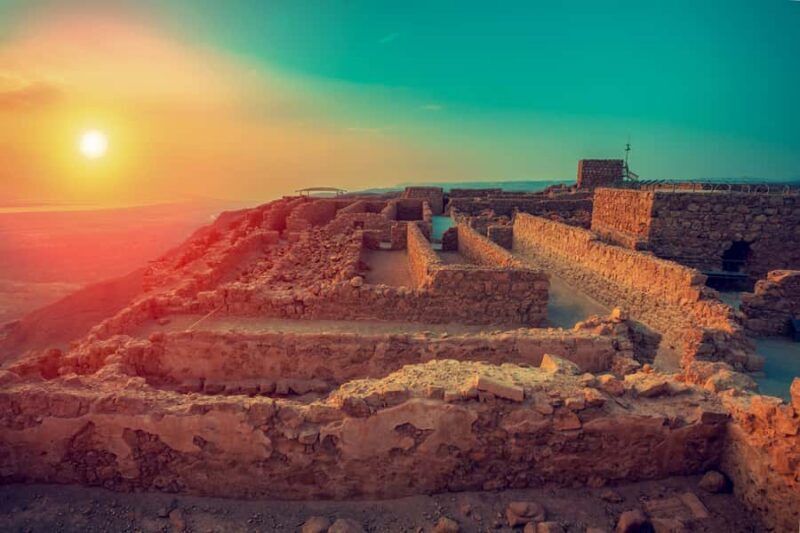
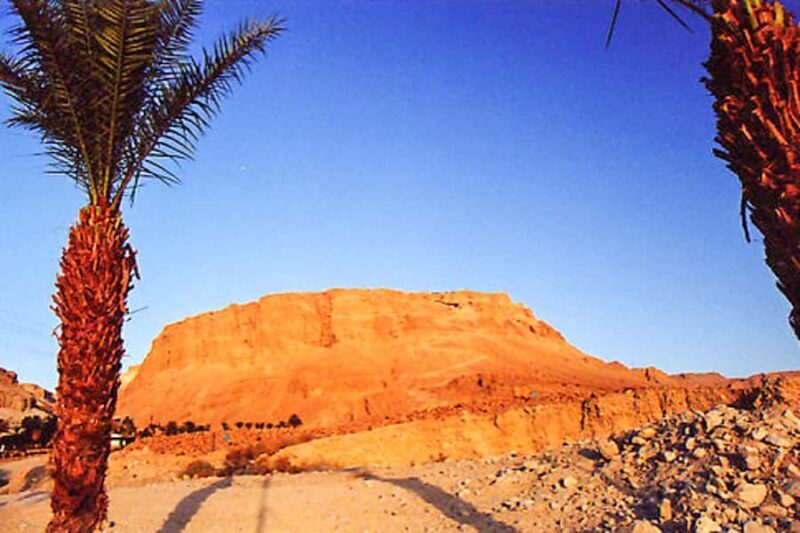
Masada is the day’s most concentrated history lesson. King Herod built the mountaintop fortress, and the site later became the setting for the Zealots’ last stand against Roman troops in the first century. Your guide explains that story as you explore the remains, giving the ruins a human and political context rather than leaving you to decipher them on your own.
The cable car takes you up and down the mountain. That makes the visit manageable for more people than a strenuous climb would, and it leaves your energy for walking around the site itself. Entrance fees are included, so you do not need to arrange a separate ticket for the visit.
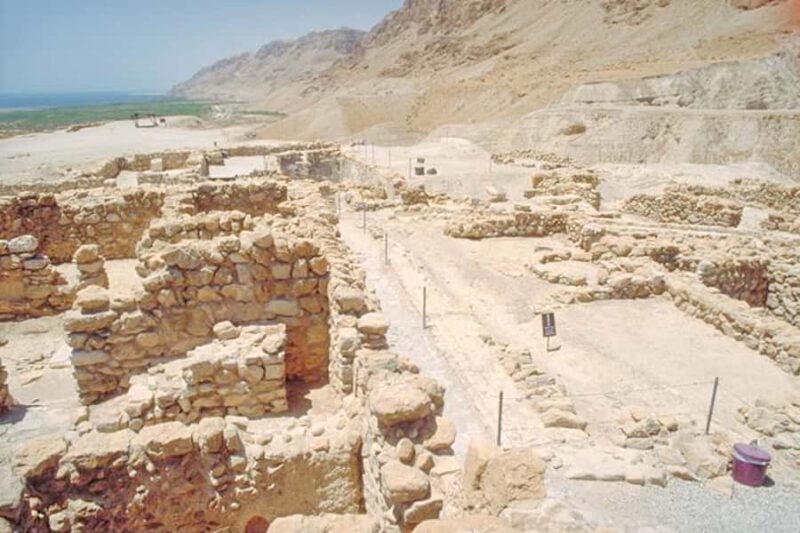
At the top, expect to see the remains of walls, palaces, a synagogue, water cisterns, mosaic floors, and Roman baths. The site is broad and exposed, so even a guided walk involves time on your feet in open sun. Comfortable walking shoes, a hat, and sunscreen are more than nice extras here.
The guide is a key part of what you get from the stop. Names such as Lea, Dan, Sharon, and Mali appear in past accounts of the tour, with praise for clear explanations, a friendly manner, and good handling of the group. Guides change, of course, but the format is valuable: a licensed guide can connect the architecture and remains to the story of the people who lived and fought here.
The main compromise is how long you get to explore. A day trip has to fit the drive, the cosmetics stop, Masada, and the Dead Sea into one schedule. Some past itineraries allowed close to two hours at Masada, while some people wanted more time on the summit. If you like to linger over every ruin or take a slow, detailed walk, the pace may feel brisk. If you want a guided overview and the principal sights, the visit should be more satisfying.
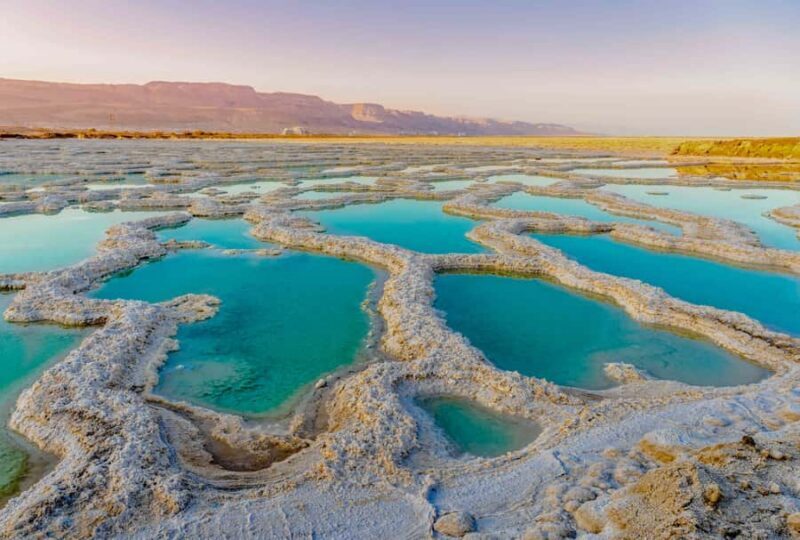
After Masada, the tour continues to the Dead Sea shore. The water’s high salt content makes floating the signature experience: lie back carefully and let the water hold you up. Swimming is also offered, but this is not a normal beach swim. Avoid getting water in your eyes or mouth, and follow any guidance given at the site.
The Dead Sea is prized by many people for the minerals in its water and mud, and the route’s cosmetics stop introduces that theme. The tour information notes that people believe the waters have therapeutic effects. Treat that as a belief, not a medical promise. The sure thing is a striking, unusual bath in a sea far saltier than ordinary water.
Time at the shore is an important part of the day, and it can feel generous or tight depending on your expectations and the schedule. Some past outings allowed about two hours there; others felt the stop was too short. Use the time to change, get into the water, rinse off, and dry before the return drive. If you want a long, leisurely beach afternoon, this day trip is not designed to provide one.
The shore can also be stony. Bring water-friendly sandals or plastic shoes so you can walk over the ground more comfortably. You can enter without them, but the stones may make the approach unpleasant. A towel and swimwear are essential, and a change of clothes is useful after bathing. The tour details do not specify exactly which facilities are available at the stop, so do not assume every beach amenity will be provided.
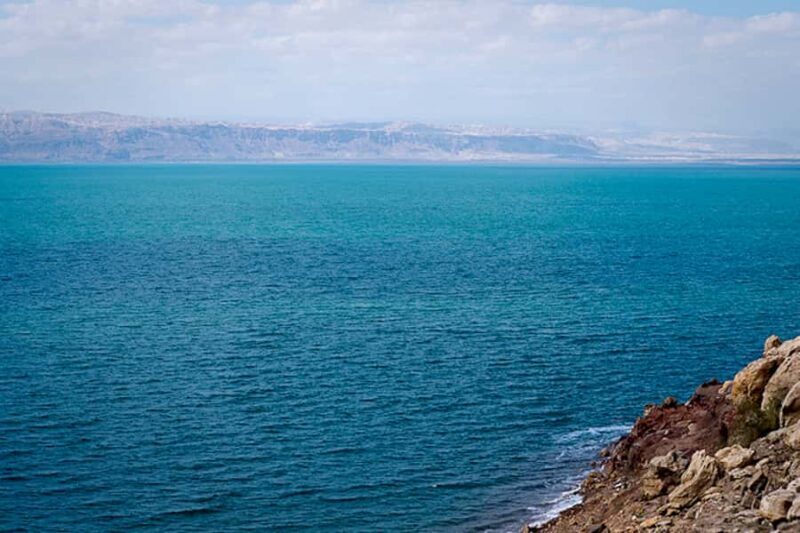
The Dead Sea is at the lowest point on dry land, a geographic fact that gives the stop extra interest beyond the novelty of floating. But the experience depends on the particular shore and conditions on the day. One past account found the beach and water disappointing, describing an oily feel and a less inviting setting. That is a useful reminder to arrive for the unusual sensation and setting, not an idealized resort beach.
The activity information describes English live guiding, while also noting that tours may be conducted in two languages. Past departures have included guides speaking in English and Spanish, and one participant found an English-and-French format less appealing. If you need a fully English-only tour, check the language arrangement with the supplier before you book.
The guide’s job is more than reciting dates. At Masada, a good explanation helps the ruins make sense; on the drive, the guide can also add information about the region’s history and geography. Past tour guides have been singled out for preparation, warmth, and keeping people informed about what comes next. That can make a long group day feel more relaxed, particularly when the stops and pickup arrangements are unfamiliar.
Pickup details deserve a quick check, too. Most centrally located hotels are covered, but if your accommodation is outside the pickup zone, you’ll need to go to the closest meeting point provided by the supplier. Be sure you understand whether the first pickup is at your hotel or at another designated point. Clear directions matter when a full coach is waiting to depart.
More Great Tours Nearby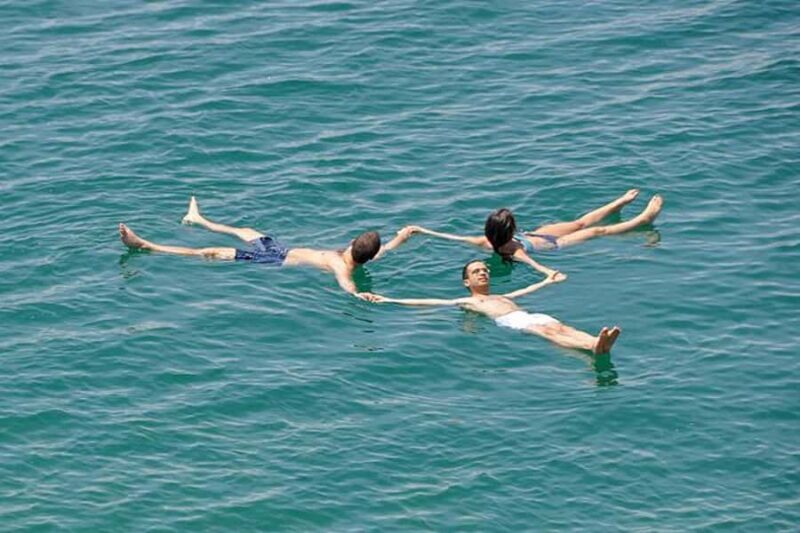
At $111 per person, the value rests on convenience and the included site costs. You get transport from Jerusalem and back, hotel pickup and drop-off where available, a licensed guide, and entrance fees to the sites. The Masada cable-car ride is part of the visit, and you avoid arranging separate transport for two far-flung destinations.
Meals are not included. Bring money for lunch and any drinks or snacks you want to buy. Past schedules have included a meal stop at the Dead Sea site, but the exact food options are not specified, and you should budget separately rather than assume lunch comes with the fare. Cosmetics and other purchases at the shop are extra as well.
Trying to visit Masada and the Dead Sea independently in one day would take more planning and transport coordination. The group tour trades some freedom for a straightforward route and a guide. That is a fair deal if your time in Jerusalem is limited and you want both places in one outing. It is less compelling if you prefer to set your own pace or give either stop a full day.
The overall schedule is listed as ten hours, but the time you spend at each site is not fixed in the details. Past departures have varied, and some people felt the outing ran shorter than expected. Treat ten hours as the planned duration, not a guarantee of a particular number of minutes at the shore or on Masada.
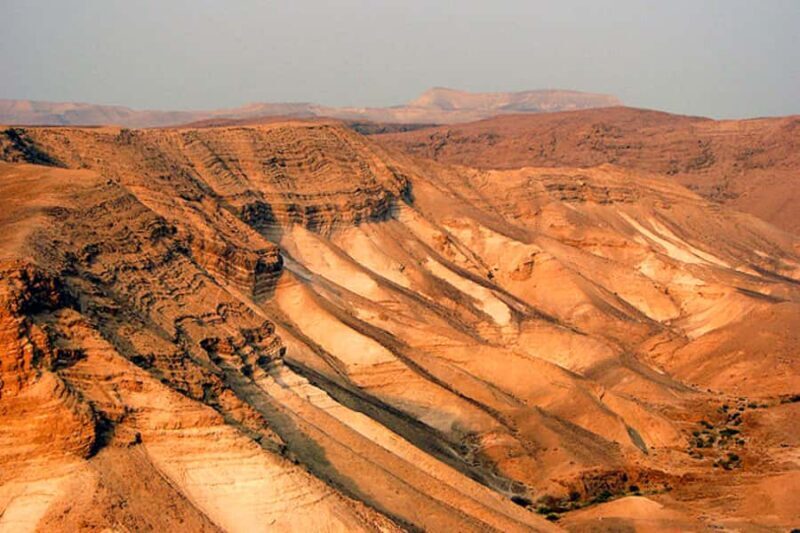
This is a desert day, so prepare for direct sun and exposed walking. Bring sunglasses, a sun hat or other head covering, and sunscreen. Comfortable walking shoes will help at Masada, while swimwear and a towel are needed for the Dead Sea.
For the water, pack sandals or water shoes that can get wet. The stony shore is the reason they are useful, not a dress-code requirement. Keep your belongings organized so you can change and rinse off without wasting a large share of your stop.
There is no meal included, so carry money for lunch. You may also want cash or a card for purchases at the cosmetics shop, though buying anything is entirely optional. The central idea is simple: come equipped for heat, walking, and a salty swim, and the day will be easier.
I’d recommend this tour if you have one day to spare from Jerusalem and want a guided introduction to Masada plus a chance to float in the Dead Sea. It suits visitors who value transport and entrance fees being bundled together, and who are happy to follow a group schedule rather than arrange each transfer themselves.
It is also a good fit if you want historical context without preparing a detailed self-guided visit. The guide-led walk at Masada is the stronger choice for making sense of the fortress and its story. The Dead Sea stop then changes the pace from ruins and history to a physical experience you cannot duplicate at home.
Think twice if you want a slow, unhurried visit to either site, dislike shopping stops, or need certainty that the tour will be conducted in English only. The schedule covers a lot of ground, and the cosmetics shop may not be everyone’s preferred use of time. If you go, accept the day as a sampler: enough to see the major sights, not a deep exploration of each.
Book this tour if the combination is what you want: Masada’s fortress and cable car, a guide, transport from Jerusalem, and a Dead Sea float in one organized day. The $111 price is easiest to justify when you value having the main transport and entrance costs handled for you.
Skip it if you would rather give Masada or the Dead Sea a full day, or if the group pace and shopping stop sound like poor fits. For most people with limited time, though, this is a practical way to experience two of southern Israel’s defining places. Pack a hat, towel, sandals, and lunch money, and keep your expectations realistic about time at each stop.
“Such an amazing experience The tour guide was great and very knowledgeable really liked that she told us exactly what to expect”
The planned duration is 10 hours. Actual schedules and the time available at each stop may vary.
Pickup is provided from centrally located hotels in Jerusalem. If your hotel is outside the pickup area, the supplier will provide the nearest meeting point.
The price includes hotel pickup and drop-off where available, transportation, a government-licensed guide, and entrance fees to the sites.
The itinerary includes ascending and descending Masada by cable car, and the site entrance fees are included.
No. Meals are not included, so bring money for lunch and any other food or drinks you want.
The activity information lists an English-speaking guide and also notes that tours may be conducted in two languages. Check with the supplier if you require an English-only departure.
Bring swimwear and a towel. Water-friendly sandals are recommended because the shore can be stony.
Wear comfortable walking shoes, and bring a head covering and sun protection lotion. The site is exposed to the sun.
Yes. The tour stops at a cosmetics shop where you can learn about regional mineral products and make purchases if you wish. Purchases are not included.
Yes. You can cancel up to 24 hours in advance for a full refund.
You can check availability for your dates here: