Physical Address
304 North Cardinal St.
Dorchester Center, MA 02124
Physical Address
304 North Cardinal St.
Dorchester Center, MA 02124

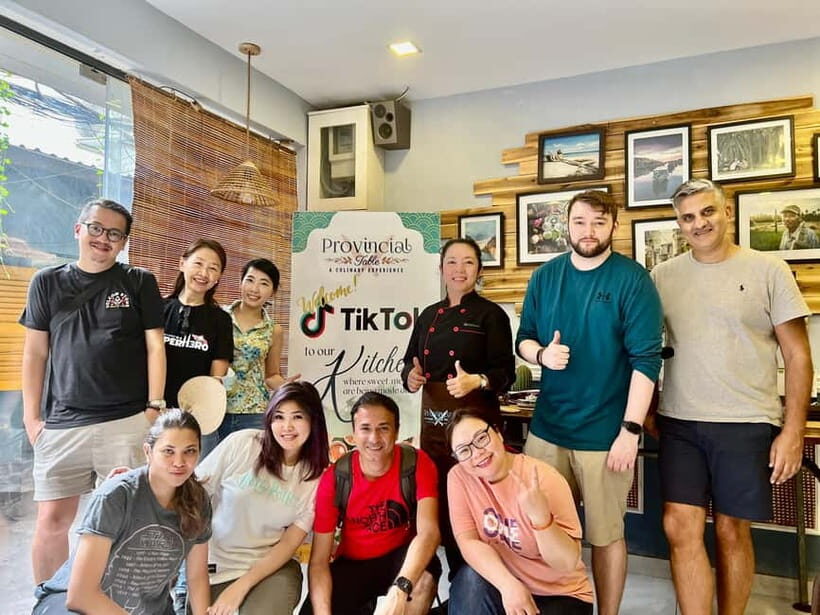
Tour Ben Thanh Market, cook Vietnamese classics at your own station, then share dinner and take home a cookbook for $33.
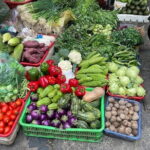
Ben Thanh Market is more than a place to look around: it’s a working food market where your guide can explain the ingredients behind Vietnamese cooking. From there, you’ll travel to a teaching kitchen and make several dishes yourself, then sit down to eat them.
I like two things about this format: you get your own cooking station, so you do more than watch a demonstration, and the market visit gives context to the produce and meats you’ll use in Vietnamese cooking. The cookbook and shared meal add practical value to the $33 price.
One point to weigh: the market visit is mainly a guided look, not a shop-and-cook session. Ingredients are prepared for you at the kitchen, and the group does not necessarily buy them together at the market. If shopping for ingredients is a must, this may not be the class for you.
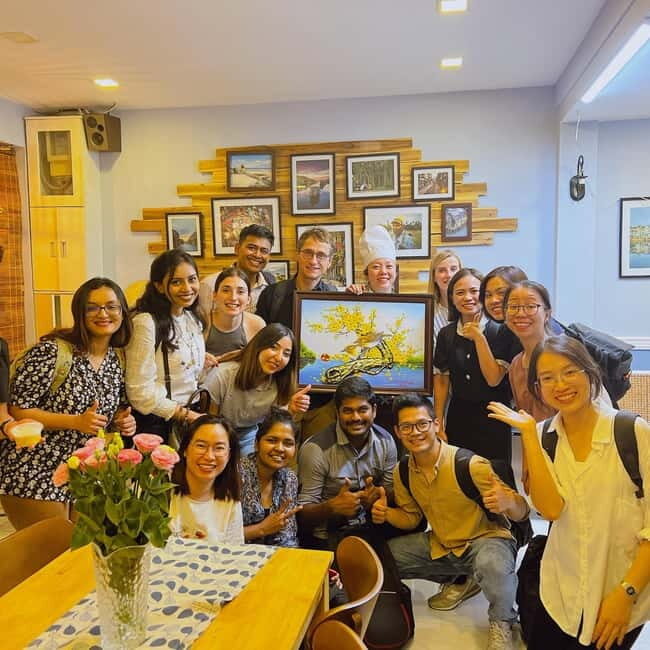
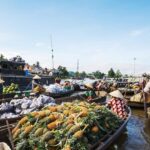
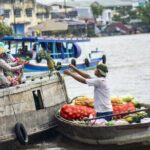
The meeting point is Cua Tay, also called the West Gate, at Gate 5 of Ben Thanh Market. Your guide introduces the market and its food areas, pointing out ingredients such as fruit, vegetables, meat, fish, and seafood. This makes the walk useful even if you have already visited the market’s other sections: here, the focus is on what goes into Vietnamese home cooking.
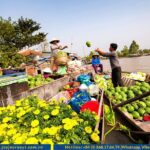
You can expect explanations about the ingredients and how to choose them, along with opportunities to see vendors and sample local fruit. Guides such as Sarah, Bi, Titus, and Anh have led groups, though the person teaching your class can vary. The strongest part of this stop is the chance to ask practical questions, including where to find specific ingredients.
Set your expectations correctly. The tour is not necessarily a market-shopping exercise. Ingredients may already have been bought and prepared before class, so you might not select or purchase the food that you later cook. If you want to take home coffee or local ingredients, you can browse and shop on your own, but that is separate from the cooking lesson.
Allow roughly 45 minutes for the market portion, especially if the weather is hot. The morning tour may be a better choice if seeing more market activity matters to you. On Tet, the market visit may not take place because of holiday closures, while the cooking class can still go ahead.
Shoppers can discover Ho Chi Minh City's markets and boutiques through these guided experiences
After the walk, transport is provided from the market to the cooking kitchen. This is a useful link between the two parts of the experience, though the available information is not fully clear about a ride back to the original meeting point. Ask the operator what to expect at the end rather than assuming your return transport is included.
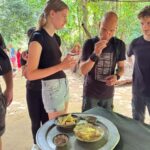
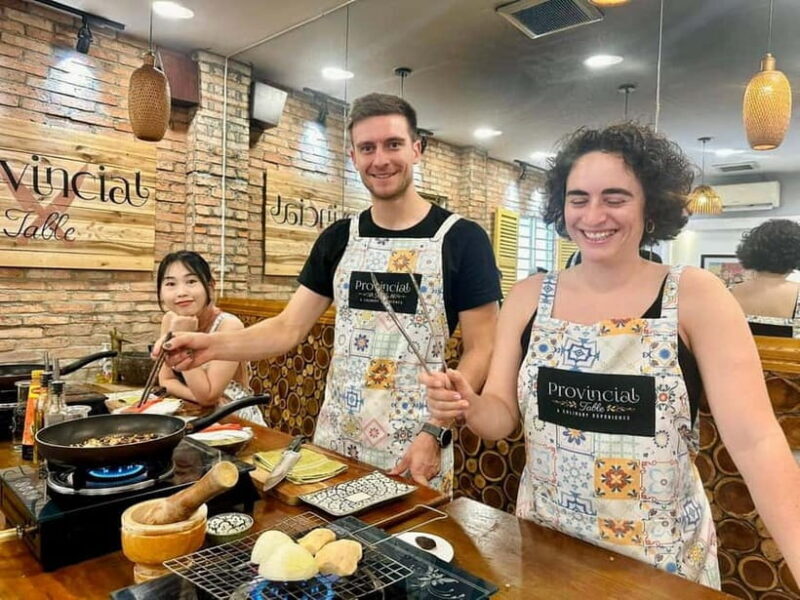
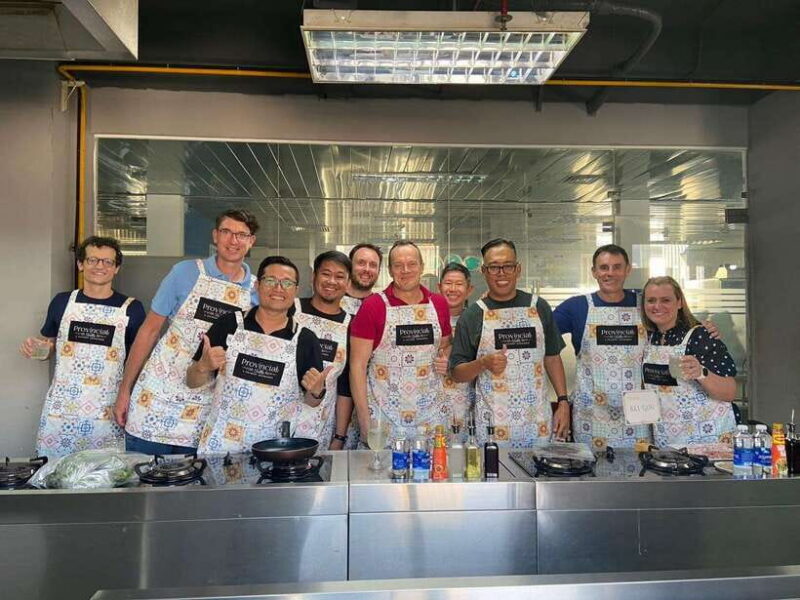
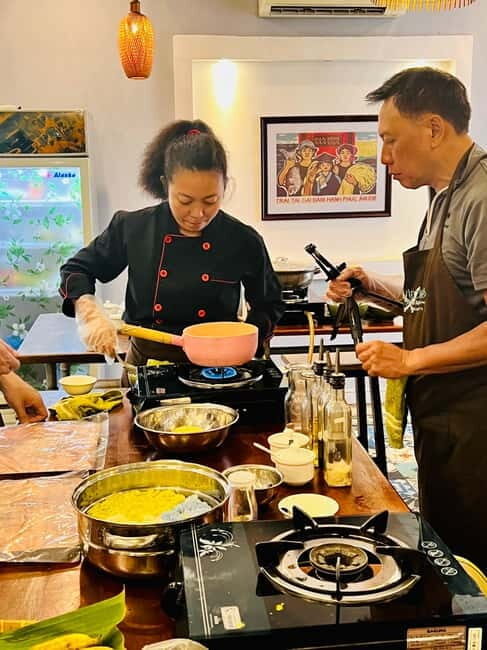
The teaching space is described as clean, modern, and set up for hands-on work. Each person has a private cook station, with ingredients and equipment ready. That setup matters: you can follow the chef’s instructions and practice each technique yourself instead of standing behind a crowd trying to see a pan.
The chefs teach in Vietnamese and English. Instructors including Dung, Khoa, Bi, An, and Titus have been praised for clear step-by-step guidance, patience, humor, and helpful explanations. Since the assigned chef can change, treat those names as examples, not a guarantee. The class suits beginners as well as people who already cook; you can ask questions and work at your own pace.
Group size is not fixed in the details, but some classes have been small, with around 10 participants. That can leave the chef more time to check your work. Still, if close individual attention is important to you, ask about the group size for your date.
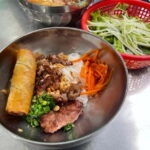
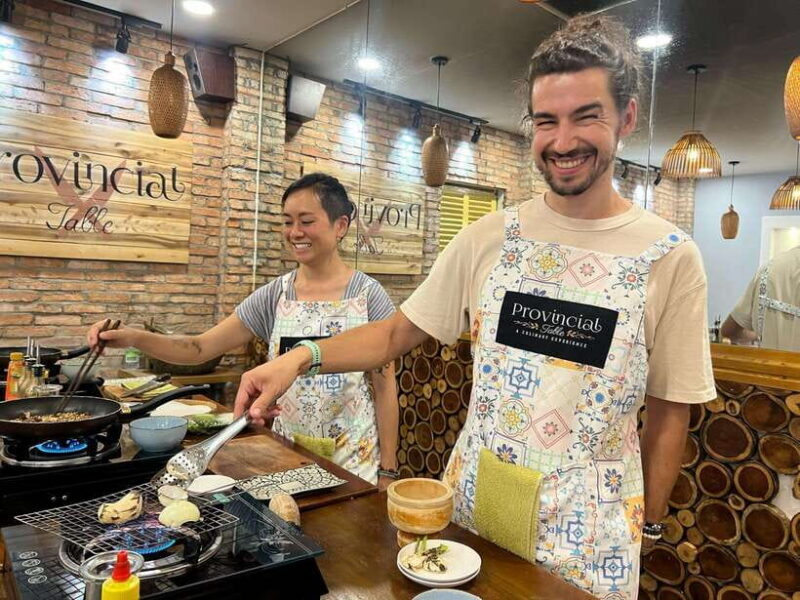
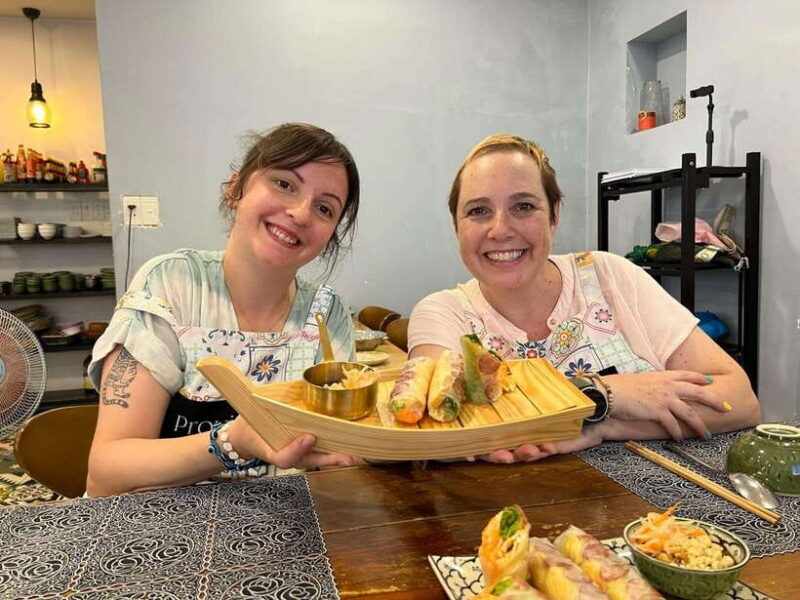
The advertised format is three courses plus dessert, while the experience is also described as a four-course meal. The exact menu can vary. Dishes made in different classes have included spring rolls, pho ga (chicken noodle soup), mango salad, sizzling steak, bun cha, and banh xeo. You should not assume every dish will appear in your session.
The menu is a practical introduction to Vietnamese staples rather than a single regional cooking lesson. You may learn a few useful methods, work with fresh ingredients, and hear why certain items matter in a dish. The best classes make room for questions as you go, so you can understand not just which steps to follow, but how to repeat them at home.
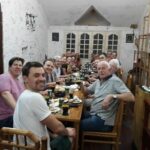
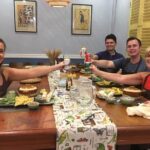
Once cooking is finished, you sit down with the group and eat what you prepared. The meal is included, and the portions can be generous. Go hungry; some people find they have more food than they can finish. A complimentary cocktail is also included. Beer, Coke, and wine are not, so budget separately if you want one of those drinks.
The shared meal is part of the point. You get to compare the results of the class, enjoy dinner without having to find a restaurant afterward, and see how the techniques come together on the plate. And if your own pho is not quite as polished as the chef’s, that is a useful lesson, not a culinary crisis.
You receive an elegant Vietnamese cookbook with more than 25 recipes. It gives the class value beyond the afternoon itself: you can keep practicing after you return home. The book is a particular plus for anyone who wants a durable souvenir that is more useful than another fridge magnet.
Check whether the recipes from your specific class appear in the book. The cookbook is described as having 25 or more recipes, but the dishes taught may vary, and not every class participant has found their prepared dishes in the booklet. If you want to recreate one recipe in particular, take notes during the lesson and ask the chef for any details you need before leaving.
The cooking tends to focus on dishes you can make with clear instructions rather than elaborate restaurant techniques. That is a good fit if you want recipes you might actually use at home. It is less suited to someone seeking an advanced, specialist course.
More Great Tours Nearby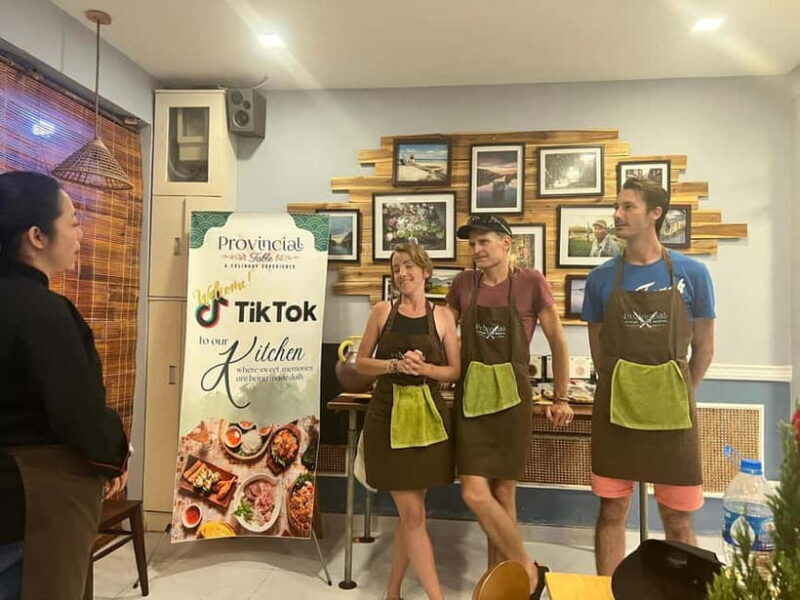
At $33 per person, the price covers the guided market visit, transport from the market to the kitchen, a private cooking station, ingredients, the cooking lesson, dinner, a cocktail, gratuity, and the cookbook. That is a strong bundle if you want both an activity and a meal. You are paying for guided context and hands-on teaching, not simply a restaurant dinner.
Vegetarian options are available on request. The class team has accommodated vegetarian diets, but the exact substitutions are not specified. Tell the operator about your needs before you go, and confirm what the menu will include. Do the same for any other dietary requirements rather than assuming they can be met.
This experience works well for curious cooks, food-minded first-time visitors to Ho Chi Minh City, and families with older children. Children under 7 are not considered suitable. You do not need to be confident in the kitchen: the chef demonstrates and guides each step, and the setup is designed for participants to cook rather than only watch.
A few details are worth checking as you plan. The market may close or change its schedule during Tet, the market walk can feel long in hot weather, and return transport is not clearly stated. The class is offered in English and Vietnamese, and you can reserve now and pay later. Cancellations made at least 24 hours ahead qualify for a full refund.
You might also be interested in these Ho Chi Minh City experiences
Book it if you want an active introduction to Vietnamese food, value having your own station, and like the idea of eating dinner after class. The combination of market orientation, clear instruction, a shared meal, and a take-home cookbook makes the $33 price worthwhile for many food-curious visitors.
Skip it if your main goal is to buy ingredients alongside the chef, or if you need a guaranteed market visit during Tet. Before booking, ask about the menu, dietary adjustments, group size, and how you will get back after class. If those details suit your plans, this is a practical and enjoyable way to learn a few Vietnamese dishes you can try again at home.
“Loved it. Amy was so pretty and patient. Would def recommend”
Meet your guide at Cua Tay, the West Gate, Gate 5 of Ben Thanh Market.
The activity is offered in Vietnamese and English.
The price includes the market tour, transport from the market to the kitchen, a private cooking station, dinner, a complimentary cocktail, gratuity, and a Vietnamese cookbook with more than 25 recipes.
No. Beer, Coke, and wine are not included. A complimentary cocktail is included.
Yes. Vegetarian options are available upon request. Contact the operator ahead of time to discuss what can be provided.
The menu can vary. Dishes taught in classes have included spring rolls, pho ga, mango salad, sizzling steak, bun cha, and banh xeo.
Not necessarily. The market tour is mainly for seeing ingredients and learning about the market. Ingredients may already be purchased and prepared for the kitchen.
It is not suitable for children under 7.
The market portion can take about 45 minutes, particularly on a hot day.
You can cancel up to 24 hours in advance for a full refund.
You can check availability for your dates here: