Physical Address
304 North Cardinal St.
Dorchester Center, MA 02124
Physical Address
304 North Cardinal St.
Dorchester Center, MA 02124

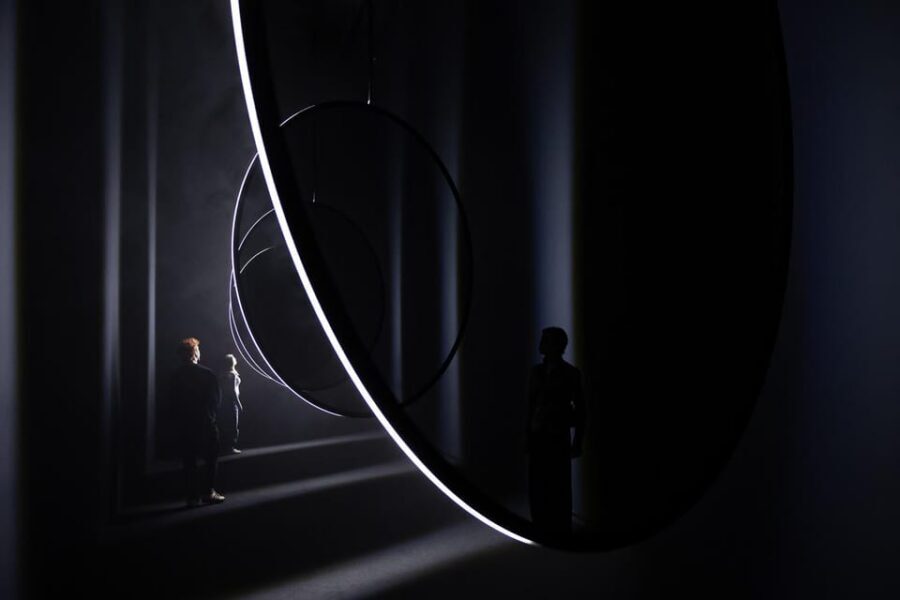
Explore Nxt Museum’s Still Processing, six large-scale works on images, AI, light and sound, with practical advice on value and access.
At Nxt Museum, images are not just pictures on a screen. Still Processing uses six large-scale installations to ask how machines shape what we see, what human perception misses, and what gets lost along the way. Expect projected images, moving light, sound, and spaces that may feel more imagined than real.
I like two things about this visit: the art makes a complicated subject physical, and the exhibition connects image-making with music, movement, and sound rather than treating technology as a row of screens. There is also an in-house restaurant if you want to make time for a bite or drink.
The main caution is value. At $29 per person, this is a self-guided museum visit, and one available account describes the experience as small, with only one room that felt worthwhile. If you expect a long museum day, you may leave wanting more.

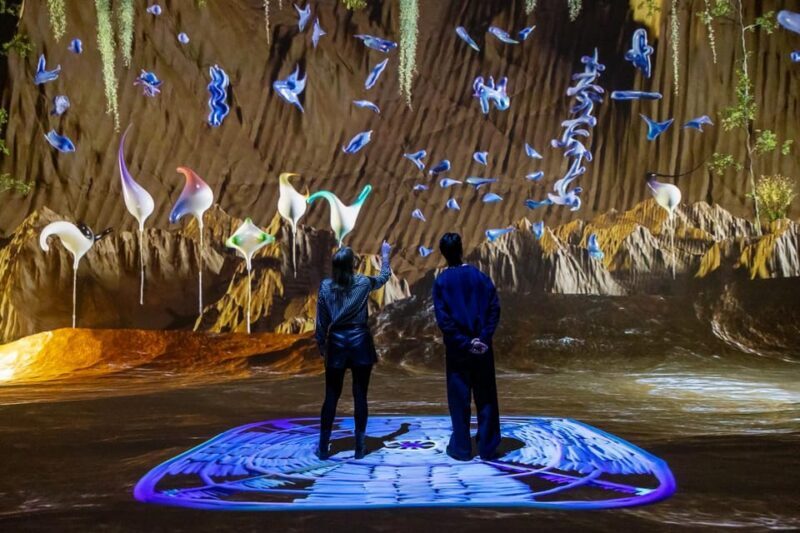
The exhibition’s central question is simple to state and harder to answer: how do we make and perceive images? Still Processing approaches it from two directions. Human beings interpret what they see through their senses, while machine algorithms process images according to systems and rules. The works invite you to consider how those methods overlap, and what may disappear when an image is transformed.
That idea matters beyond the museum. Images are created, edited, filtered, and interpreted constantly, but the process can be hard to see. Here, the artists make parts of it visible through installations rather than asking you to read a wall of technical explanation. You can move through spaces where light, sound, and projected imagery affect how you understand what is in front of you.
The exhibition also asks you to think about the limits of human vision. Its stated themes include colours beyond what people can see, as well as the way sound shapes space. That is a useful prompt for a visit: don’t look only for a recognizable picture or object. Pay attention to how a room feels, how an image changes your sense of depth, and how sound affects your reading of the space.
You might also be interested in these Amsterdam experiences
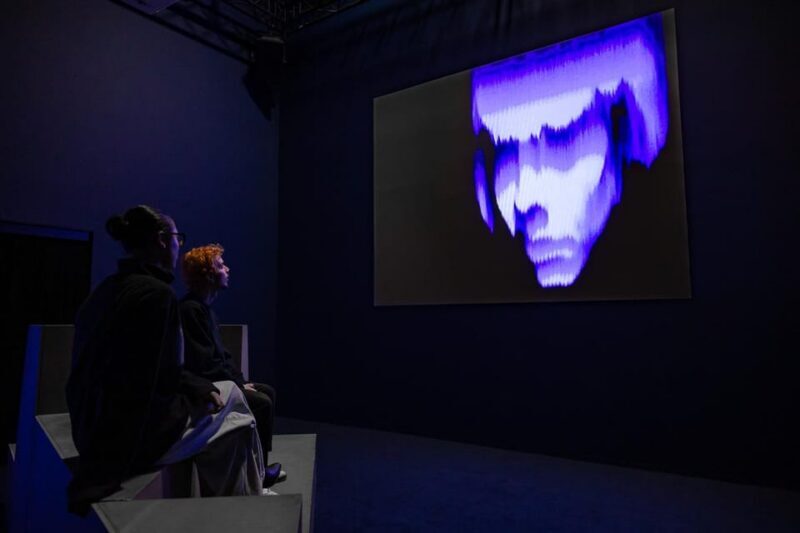
The exhibition includes six large-scale installations by seven artists. The available details do not name the artists or map out each installation, so you should not arrive expecting a particular work or a fixed sequence of rooms. What is clear is the range of forms: 3D-rendered environments, AI-generated projections, and kinetic works that bring moving light and sound together.
Those formats suggest a show designed to be experienced with your senses, not just viewed from a distance. A projection can make a space feel altered; a moving light can draw your attention from one point to another. The kinetic installations add motion and sound to the mix. Together, these works examine how images are produced and how you respond to them.
The distinction between six installations and seven artists is also worth keeping in mind. The exhibition brings together a group of artists, but the information does not say that every artist has a separate room or a single work. Go in ready to explore the overall theme rather than tick off seven individual artist displays.
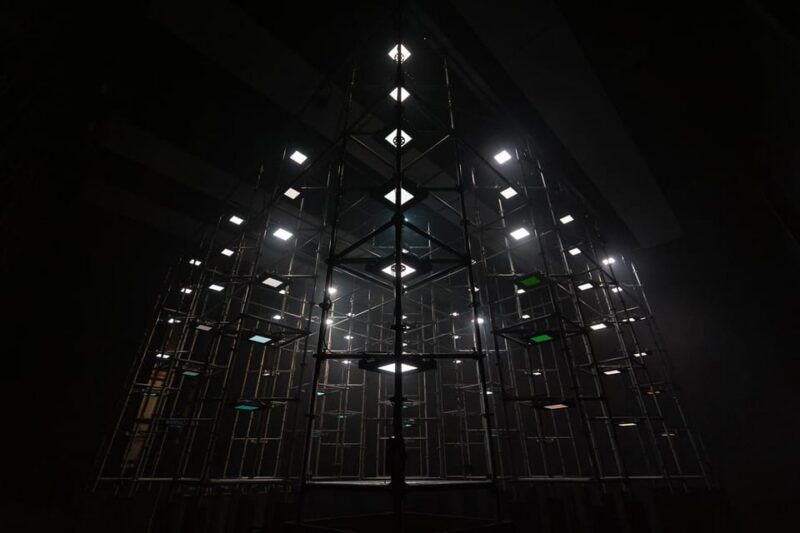
This is a self-guided ticket, so you set your own pace. There is no guide included to explain the artwork or lead you from one installation to another. If you like taking time with an image, watching how a light pattern moves, or listening before you move on, that freedom can be a plus. If you prefer a guide to provide context and keep a visit moving, this format may feel sparse.
A good approach is to slow down. With six installations, rushing through to see what comes next could make the experience feel brief. Give each work time to register, and notice whether sound changes your impression of the image or room. The show is focused on perception, so your attention is part of the experience.
There is no detailed visit duration beyond the ticket being valid for one day. That does not mean you should plan a whole day around the exhibition. The one-day validity is a ticket condition, not a promise of a full day’s worth of material. The critical account available describes the museum as small and says only one room was enjoyable, a fair warning if you are comparing it with larger museums or a long exhibition programme.
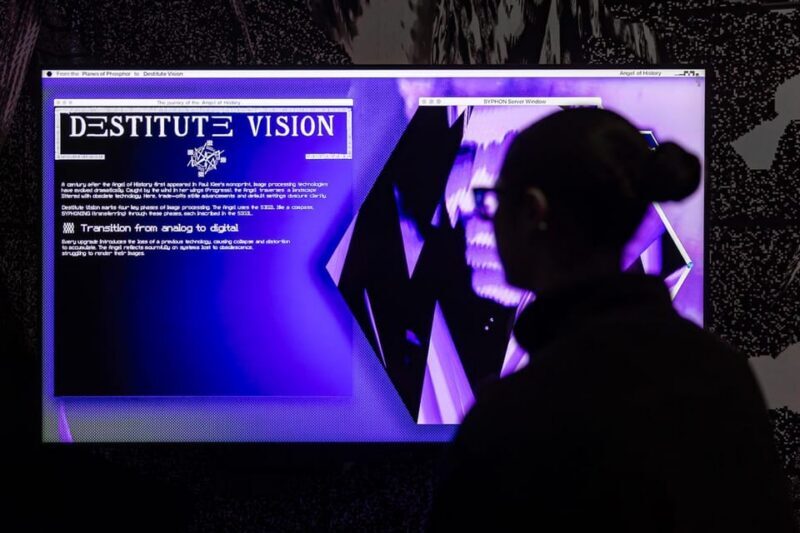
Nxt Museum describes itself as an experimental art space at the intersection of art, technology, science, and sound. Still Processing fits that remit. Its focus is not simply on technology as a spectacle; it asks how digital systems affect the way images are made and understood.
The sensory approach may suit you if you enjoy contemporary art that leaves room for interpretation. The works blur the boundaries between the real and the imagined, and the exhibition invites you to notice how perception can shift. You may find that one installation catches your attention while another does less for you. That unevenness is common in a show built from distinct artists and ideas, but it also means the experience is difficult to judge by a single headline theme.
Sound deserves particular attention. It is not merely background decoration here: the exhibition explicitly explores how sound shapes space. If you usually move quickly through galleries, try pausing to listen and then see whether the room seems different. That simple shift in attention may help you get more out of the installations.
More Great Tours Nearby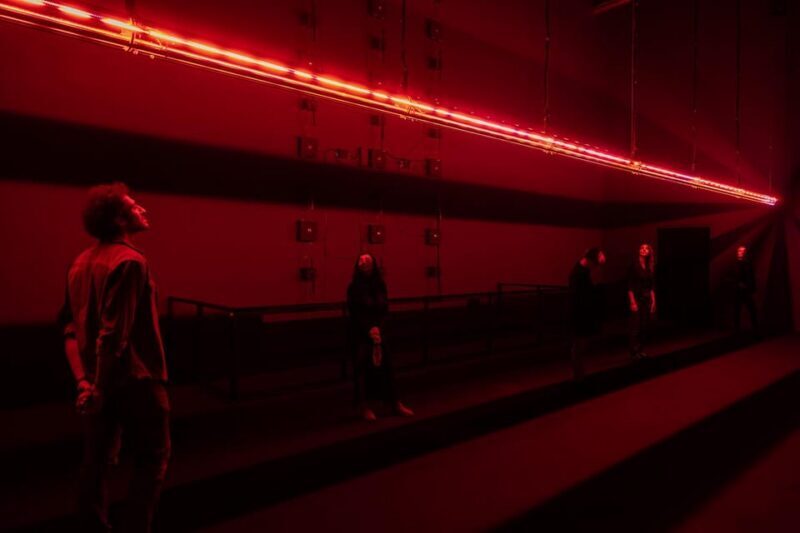
At $29 per person, this is a considered purchase, especially if you are used to museums with broad collections or several hours of exhibits. The ticket covers entry only. There is no guide included, and the exhibition consists of six large-scale installations. You are paying for a concentrated encounter with new media art and its use of light, sound, movement, and digital imagery.
The price may feel reasonable if you are curious about AI-generated images, experimental installations, or the way technology shapes perception. It may be harder to justify if you want a long visit, a guided explanation, or a large number of works. One available review rated the experience three out of five and described it as small, saying that only one room appealed to the visitor and their partner. That is a specific reaction, not a guarantee of what you will think, but it points to the main value question: will a handful of ambitious installations be enough for you?
I would weigh the ticket against your interest in the subject, rather than assume the museum will fill an afternoon. If you already enjoy new media art, the format and themes may be a good fit. If you are unsure, it may be wiser to treat Nxt as one stop in a wider day rather than the day’s main event.
Culture seekers can explore more Amsterdam museums and galleries
Nxt Museum is on Asterweg in Amsterdam. At the building, look for the signage on the front, which points to the entrance on the right-hand side. That is a useful detail to know before you arrive, since the entrance is not described as being directly at the front.
The ticket is valid for one day, and you should check availability for the starting times offered when you book. The museum is described as open daily, and the installations are promoted as running with sound and light until late. No exact closing time is provided, so check the current hours rather than assuming a particular late-night schedule.
The ticket is wheelchair accessible. The listed languages for the host or greeter are English and Dutch, but this is not a guided visit and a guide is not included. Food and drinks are not allowed in the exhibition spaces, though the museum has an in-house restaurant where you can get a bite or drink. Pets are not permitted, with assistance dogs allowed. Flash photography and tripods are also prohibited.
People with epilepsy are advised that this experience is not suitable for them. Because sound and light are central to the installations, take that warning seriously when deciding whether to book.
The booking terms allow free cancellation up to 24 hours in advance for a full refund, and a reserve-now, pay-later option is available. These terms can make planning easier, but they do not change the key decision: whether this focused exhibition is the sort of art experience you want.
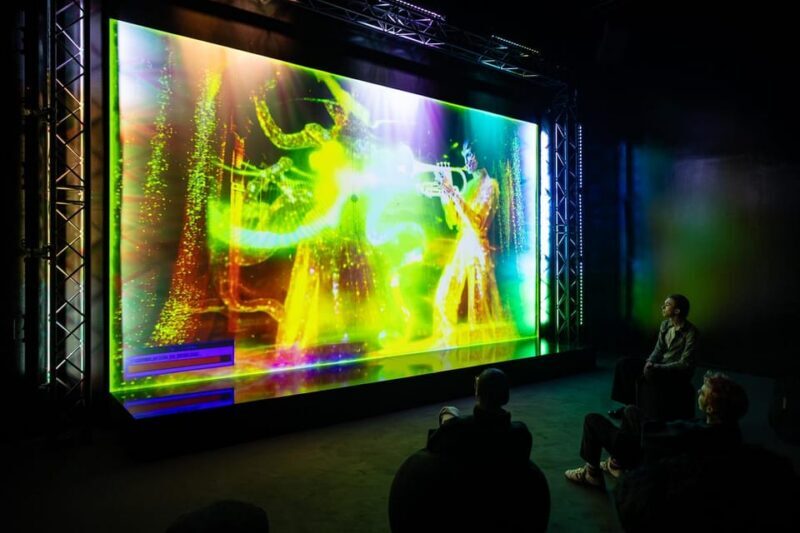
I would point technology-curious art lovers toward Still Processing. It has a clear central subject and explores it through several forms, from generated imagery to kinetic light and sound. It should also suit people who enjoy making their own connections between art and everyday technology, rather than needing every work explained by a guide.
You may be less satisfied if you measure a museum visit by the number of rooms or hours it fills. Six installations can make for a thoughtful visit, but the experience may feel compact. The critical assessment that describes it as small is worth considering, especially at $29 per person.
Families or groups with different tastes should also think about the exhibition’s sensory focus and the epilepsy warning. The information provided does not give age recommendations or describe the intensity of each installation, so avoid assuming the works will suit every person in your group.
Book if you are interested in how images are made, how algorithms influence perception, and how light and sound can change a space. The six installations give you a focused way to engage with those questions, and the self-guided format lets you spend your time where your attention lands.
Skip it, or keep it as an optional stop, if you want a long museum visit or need a guide to add context. At $29, the value depends on how much you enjoy experimental art and sensory installations. Go in expecting a compact exhibition with a strong theme, not an all-day museum.
It includes entry to Nxt Museum. A guide is not included.
The listed price is $29 per person.
The ticket is valid for one day. Check availability for the starting times offered.
Yes, the museum is described as open daily. Exact opening hours are not provided.
The exhibition features six large-scale installations by a group of seven artists.
It examines image processing through machine algorithms and human perception, including how images are created and what may be lost in the process.
The exhibition includes 3D-rendered environments, AI-generated projections, and large-scale kinetic installations combining moving light and sound.
Yes, the activity is listed as wheelchair accessible.
Food and drinks are not allowed in the exhibition. Pets are not allowed, but assistance dogs are permitted. The museum has an in-house restaurant.
No. The activity is listed as not suitable for people with epilepsy.
You can check availability for your dates here: