Physical Address
304 North Cardinal St.
Dorchester Center, MA 02124
Physical Address
304 North Cardinal St.
Dorchester Center, MA 02124

Leave Punta Cana’s resorts for Higüey, local markets, coffee and cocoa tastings, countryside trails, and Macao Beach on a culture-packed safari.
Higüey is not a polished theme park version of the Dominican Republic. This trip takes you from Punta Cana’s resort zone into a working city, a local market, and the countryside, with stops for coffee and cocoa, a historic church, and, on some versions, horseback riding and Macao Beach. I like the mix of everyday local life and familiar holiday pleasures, and the small-group van option gives you more room to ask questions than a big convoy.
I also like that you can choose your style: a shorter open-truck outing, a full-day trip by air-conditioned van, a more rugged safari, or a half-day guided walk. The trade-off is that there are many stops, so some visits are brief, and the market can be intense, especially around the meat stalls. Check which version you are booking, since the stops, transport, and length differ.
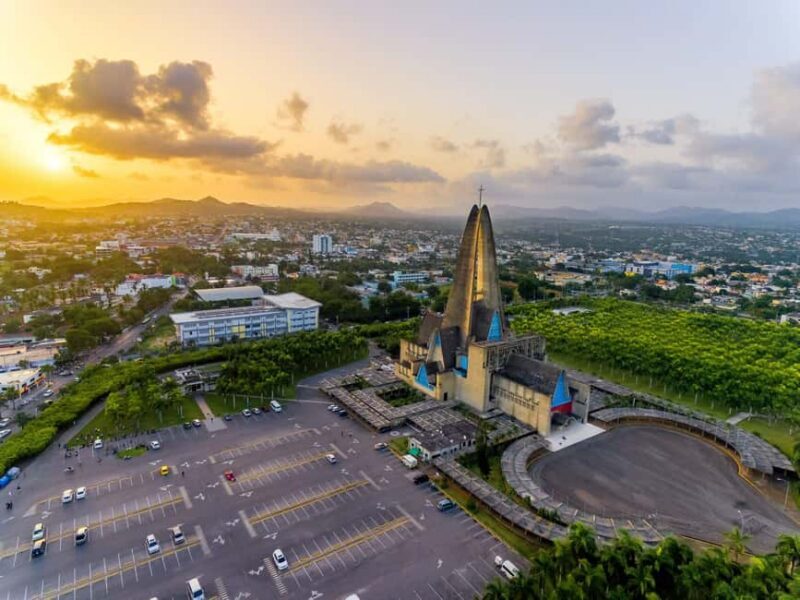
The point of this excursion is not simply to tick off sights. It is to connect several parts of Dominican life in one outing: the religious center at Higüey, the city’s market, agricultural traditions, and rural scenery. The pace keeps changing, which helps make a long day feel varied, though it also means you should not expect to linger at every stop.
Guides such as Teo and Danilo are often singled out for keeping mixed-language groups involved, explaining local history, and making the day feel personal. The tour is offered in English, French, Spanish, and German. That language range matters on a trip with plenty of moving parts: you will get more from the stops if you can follow the stories, ask questions, and understand what you are seeing.
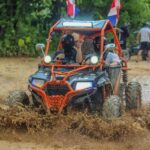
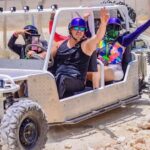
The tour has four formats, and they are not interchangeable. Options include a half-day ride in an open truck, a full-day small-group trip in an air-conditioned van, a full-day open-truck safari, and a half-day walking tour with a guided hike. Read the selected option’s details carefully, especially if you have your heart set on horseback riding, lunch, or a beach visit.
You can check availability for your dates here: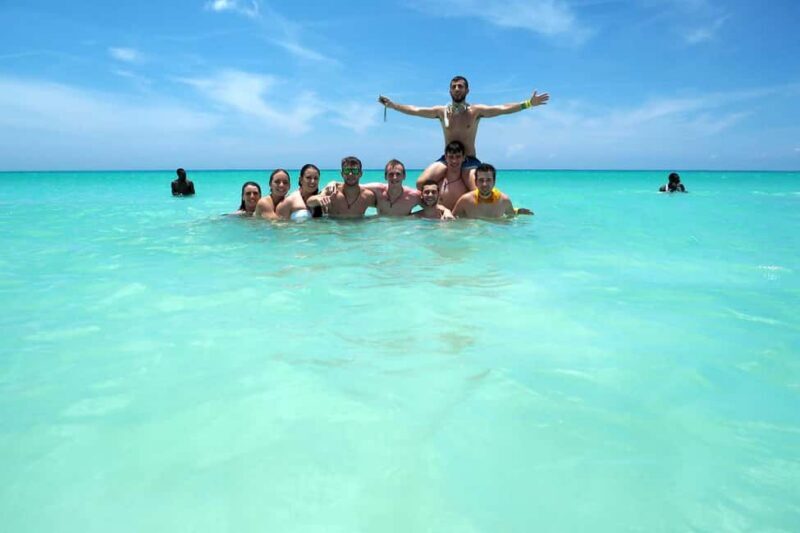
Pickup is included, but it takes planning. The half-day and full-day tours start at 9 a.m.; pickups in Cap Cana, Cabeza de Toro, and Punta Cana resort areas can begin as early as 7:10 a.m. You are asked to wait five minutes at your assigned meeting point. Some Airbnb stays, resort areas, and hotels that are not all-inclusive use a separate confirmed pickup point rather than a hotel entrance.
The drive to Higüey is listed at about 1.5 hours. That stretch is more than dead time: guides may point out buildings, plants, towns, and aspects of daily life as you leave the resort area behind. One practical caveat is vehicle space. Small groups are a plus, but some vans can feel cramped when full, so contact the operator about the vehicle and group arrangement if close seating is a concern.
Cap Cana and Punta Cana airport-area pickups may be first on the route, with drop-off last because those locations are far from the final meeting point. If that timing does not suit you, the operator may offer a designated meeting point instead. Confirm the details before travel day, not while you are standing outside your hotel wondering which bus is yours.
History buffs will find these Punta Cana heritage tours enlightening
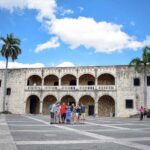
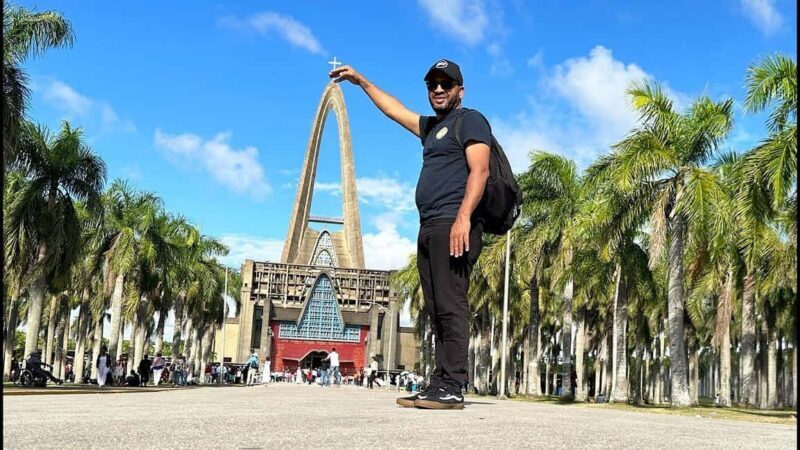
The Higüey Basilica is the tour’s most striking cultural stop. Its modern form makes a strong contrast with the countryside and market visits, and your guide can explain its place in Dominican religious life and local history. Depending on the schedule, the tour may visit the basilica or an older church.
Access inside is not guaranteed. If a service or Mass is underway, you may be able to take photos but not enter for a tour; the guide can still explain the history from outside. Bring a small cash offering for the basilica, no more than about $2, and dress with shoulders covered and trousers or shorts below the knee. A cover may be available at the church entrance, but dressing respectfully from the start is simpler.
This is a brief stop, not a long architectural study. I would listen closely to the guide’s explanation, since the context is what makes a short visit useful. If you are especially interested in religious sites, ask which church is planned for your chosen version.
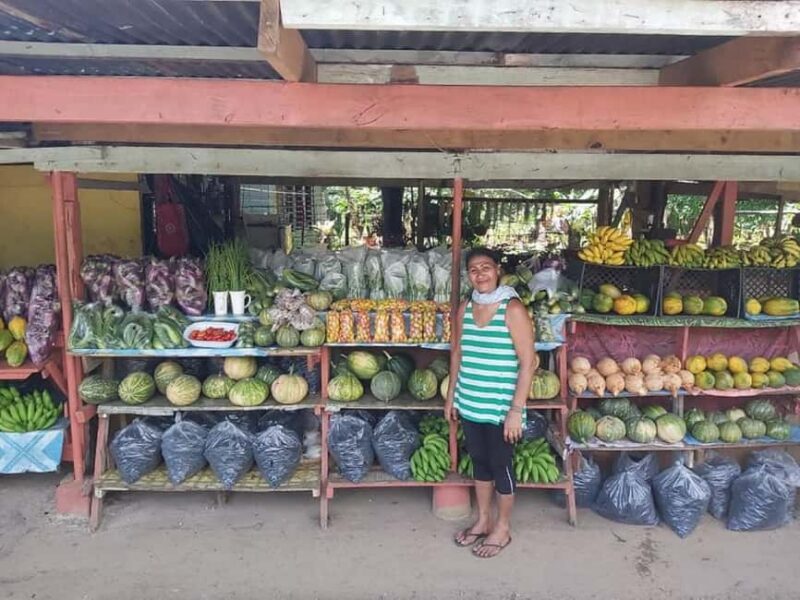
The agricultural market offers a direct look at local buying and selling. You can browse produce and other goods, and the contrast with Punta Cana’s resort shops is immediate. It is also a sensory stop: the meat area can have strong odors and scenes of butchering. If that is likely to bother you, stay near the guide, focus on the produce stalls, or ask in advance how the visit is arranged.
There is usually a separate stop at a handicraft or souvenir shop. The market and shop are different experiences: one is a working place where local people shop, while the other is set up for visitors to browse. Carry cash if you want to buy spices, crafts, coffee, cocoa, or other local products. Some countryside product stops do not take cards, and cash also comes in handy for small purchases.
A market visit is worthwhile because it shows daily routines rather than only presenting a cultural display. But keep your expectations realistic. You are passing through with a guide, not spending the morning independently exploring the city.
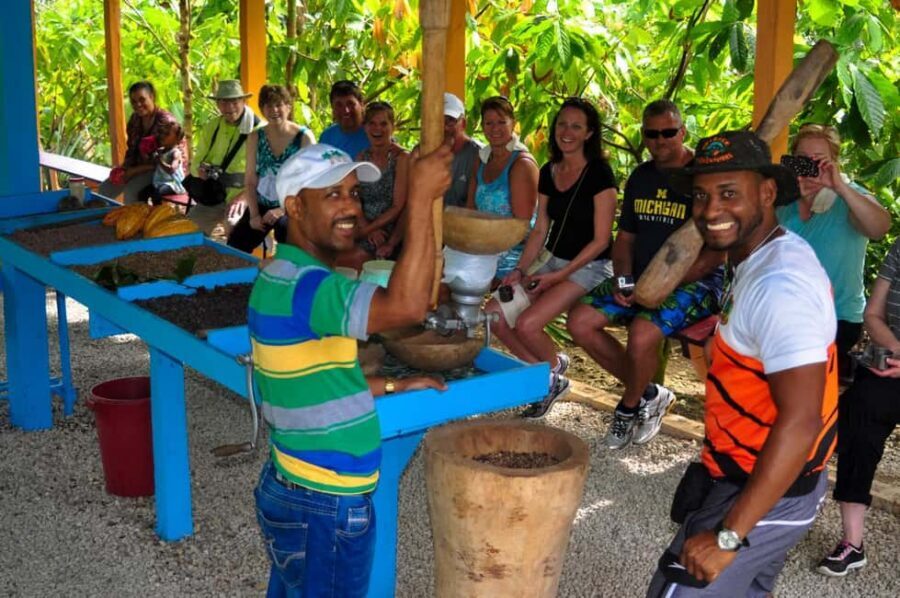
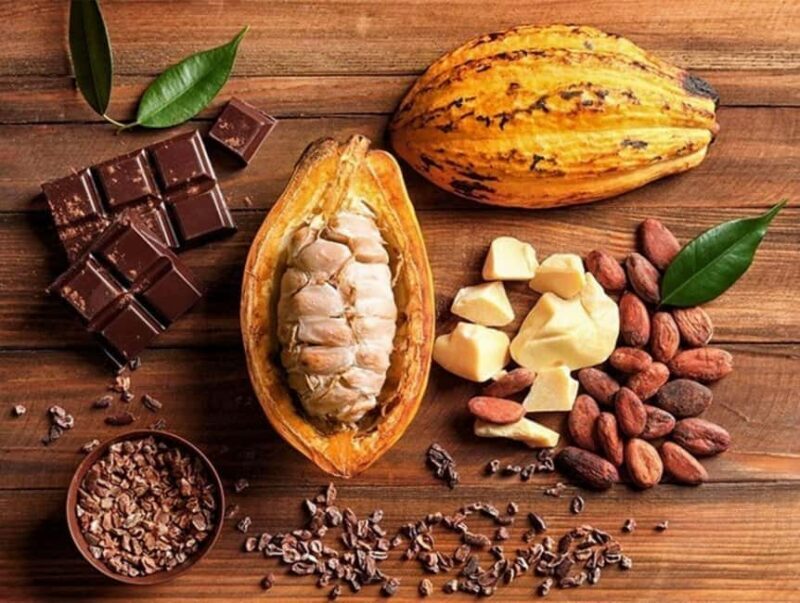
The agricultural stops bring the trip back to the crops behind two familiar Dominican products. You learn about making coffee and cocoa, see how they are handled, and taste samples. The countryside-house visit gives this part a more personal frame: rather than only hearing about production, you get a glimpse of a rural home and the setting where these products are part of everyday life.
This is one of the tour’s most practical stops if you enjoy food and agriculture. Guides may point out local plants and explain how crops fit into life in the area. You can also buy products to take home, but bring cash. The tasting is included in the listed safari options, while purchases are separate.
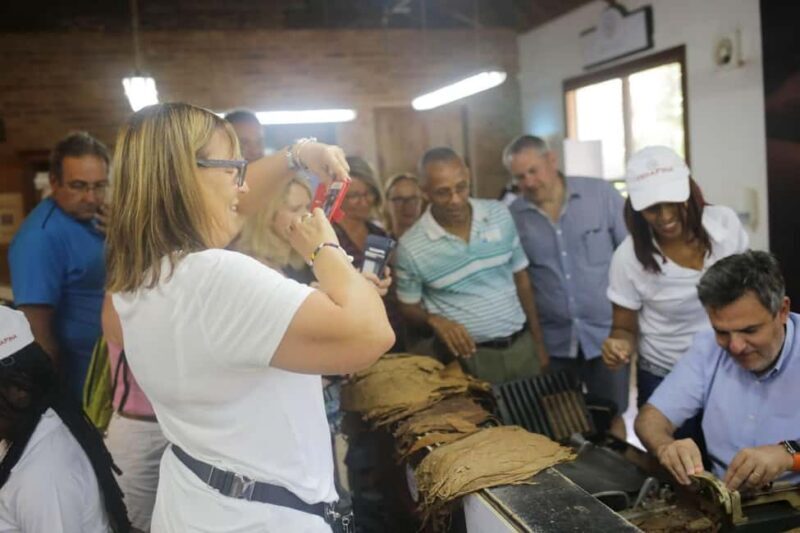
The tobacco factory adds another local industry and a chance to see cigar making. It is an interesting craft demonstration, but it may not suit everyone. If you do not smoke or prefer not to support tobacco, this stop may feel less appealing; one option is to ask the operator if an alternative is possible, though none is promised.
More Great Tours Nearby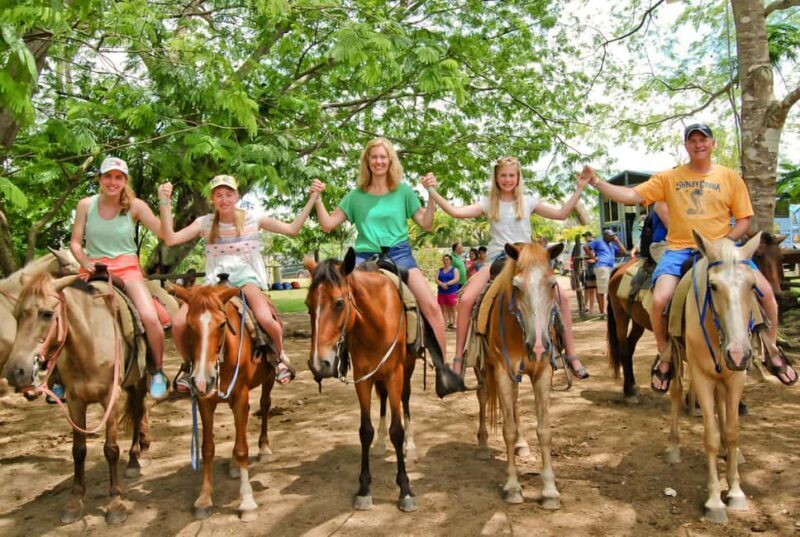
The full-day versions add countryside time, including horseback riding through jungle trails, fields, or rural routes. The ride is described as an outing rather than an extended riding lesson, so choose it for the scenery and change of pace, not for a serious equestrian experience. If you are uneasy around horses, ask the operator about the ride before booking. One visitor had trouble with a horse and was accompanied by someone who could help.
The small-group full-day option includes the Anamuya Mountains, a meal by the river, and an air-conditioned van. The open-truck full-day option instead promises a more rugged ride and lunch with a Dominican family. These distinctions matter: the first emphasizes comfort and a river setting; the second puts more weight on the open-air safari feel and a home-cooked meal.
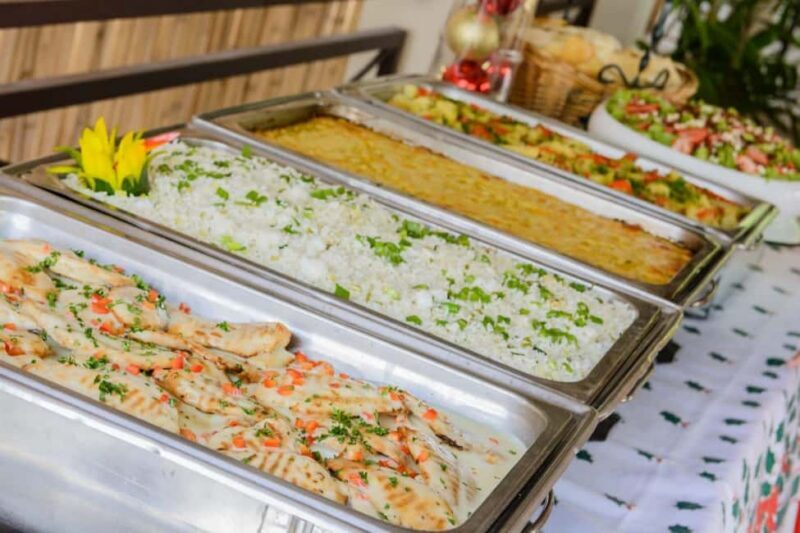
The meal is a welcome break from resort food, and the family or river setting can make lunch one of the more memorable parts of the day. Timing varies, though. A stop can arrive earlier than you might expect, so do not assume lunch will fall at the usual midday hour. Tell the guide about dietary needs as early as possible, but do not assume a particular substitute meal is guaranteed.
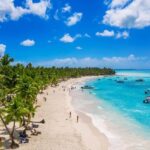
Macao Beach is included on the full-day safari options. It gives the day a familiar coastal finish after the city and countryside stops, with open sand and water rather than a resort pool. Keep expectations modest about the time there: the schedule has many stops, and beach time may be short. Bring swimwear and a towel if you want to be ready for a swim, but do not book this trip as a beach day.
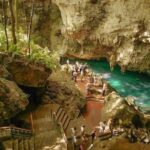
The fourth choice is a half-day small-group walking tour. It includes transport from Punta Cana, a guided hike, local delicacy tasting, soft drinks, a panoramic mountain view, and a swim in the Anamuya River. This is the clearest choice if you want to walk and spend time in nature rather than visit the basilica, market, and tobacco factory. The details provided do not list all the same stops as the safari options, so check the exact plan before booking.
The listed price is $32 per person, which can be strong value if your chosen option includes several transfers, guided stops, tastings, and, on a full-day version, lunch and drinks. But the four options differ, and the advertised starting price should not be treated as a guarantee that every version costs the same. Check the selected option’s price and included stops before paying.
The value comes from the combination. Arranging transport from Punta Cana, finding a guide, reaching Higüey and the countryside, and fitting in several stops independently would take effort. In return, you give up flexibility: the group moves on a schedule, and some attractions get only a short visit.
Wear comfortable shoes, and bring sunglasses, insect repellent, swimwear, a towel, and cash. Cash is useful for the basilica offering, market purchases, and products at the coffee and cocoa stops. For church visits, cover your shoulders and knees. Free cancellation up to 24 hours in advance and a reserve-now, pay-later option are available.
I would choose this tour if you want more than a pool-and-beach stay and are curious about Dominican life outside Punta Cana. It suits first-time visitors, food and agriculture enthusiasts, and people who like a busy day with a guide who can explain what is happening between stops. The small-group van version is a good fit if comfort and conversation matter more than the rougher safari atmosphere.
It is a less natural fit if you want long, unhurried visits, dislike crowded vehicles, or are uncomfortable around horses or the market’s meat section. The open-truck version also trades some comfort for the outdoor ride. If you want to swim for hours, book a beach-focused outing instead; Macao Beach is a stop, not the day’s main event.
Book it if you want a compact introduction to Higüey, local food production, and rural life, and you are happy to follow a full schedule. I would lean toward the small-group van option for comfort, or the open truck if the ride itself is part of the appeal. Choose the walking tour if the hike and river are your priorities.
Before booking, confirm the exact option, its duration, lunch arrangement, and whether Macao Beach is included. Bring cash, accept that the market can be confronting, and treat the beach stop as a bonus. For a day that replaces resort routine with churches, markets, crops, and countryside, the price can make good sense.
“That was a great experience to see many local things in just a one day! Teo was funny and introduced us in the Dominican world. I really appreciate…”
The options range from a half-day tour to a full-day trip. The overall duration is given as 270 minutes to one day, and the selected option determines the schedule.
The listed price is $32 per person. Check the price for your specific option, since the tour offers several versions with different stops and formats.
Live guides are available in English, French, Spanish, and German.
The half-day and full-day tours start at 9 a.m. Pickups in Cap Cana, Cabeza de Toro, and Punta Cana resort areas can begin from 7:10 a.m.
No. Horseback riding and Macao Beach are listed for the full-day safari options. Check your selected option for its exact stops.
Bring comfortable shoes, sunglasses, swimwear, a towel, insect repellent, and cash.
Yes. It is advisable to cover your shoulders and wear trousers or shorts below the knee. Bring a little cash for the offering, which is no more than about $2.
You can cancel up to 24 hours in advance for a full refund. Reserve-now, pay-later booking is also available.
You can check availability for your dates here: