Physical Address
304 North Cardinal St.
Dorchester Center, MA 02124
Physical Address
304 North Cardinal St.
Dorchester Center, MA 02124

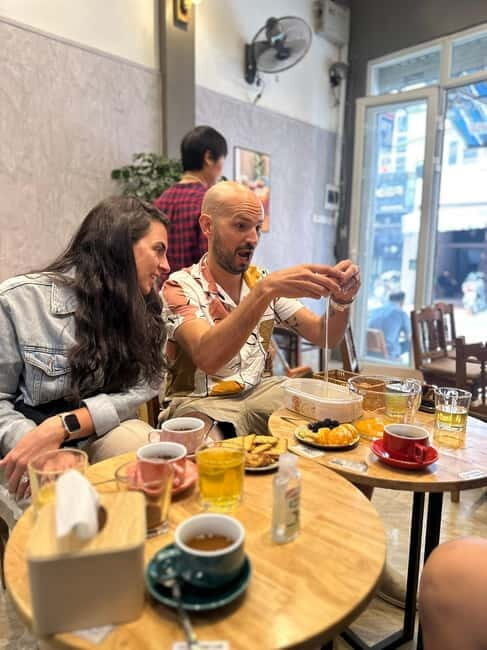
Make six Vietnamese coffees in a small Hanoi workshop, learn local coffee culture, and take practical recipes home for $22.
Hanoi’s coffee culture makes more sense when you stop at the café counter and try making the drinks yourself. In this small-group workshop, you grind, brew, whisk, taste, and adjust four to six Vietnamese styles, including egg, coconut, and salted coffee.
I like the hands-on teaching, which gives you practical steps to repeat at home, and the local stories that connect each cup to Hanoi’s daily life. The group is limited to 10, and the instructors have included Jade, Eddie, Daisy, Jessica, Tyler, Mint, Zoey, and Ngoc.
One thing to plan for: you’ll taste several coffees in as little as an hour, so the caffeine can add up. If you’re sensitive to it, consider booking earlier in the day.
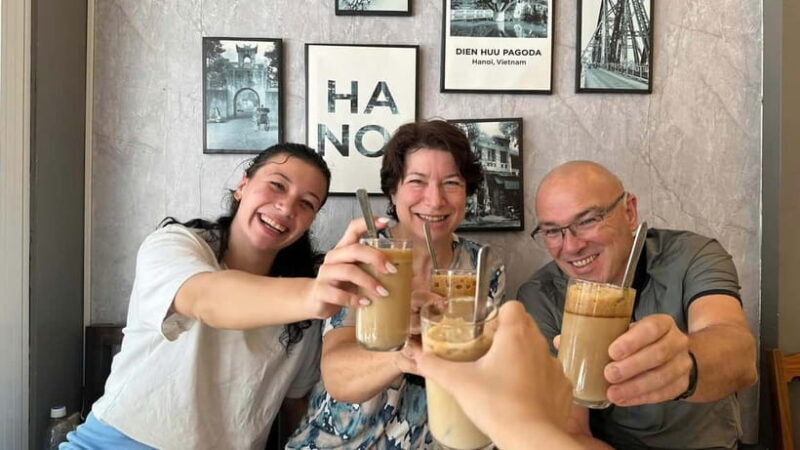
The meeting point is a cozy café in a quiet corner of Hanoi’s Old Quarter. It is described as being near the Opera House, the Red River, Vinh Tuy Bridge, and the French Quarter, so check the exact address before setting out rather than relying on the neighborhood name alone.
From there, the workshop takes place in a lived-in local space, not a polished demonstration kitchen. That is part of the appeal: everyday life carries on around you, and the room’s pace suits an activity built around tasting and conversation. You’ll use ceramic tools associated with local pottery villages and handle the grounds and foam as you work.
The small-group limit of 10 helps the instructor give guidance without turning the class into a lecture from across the room. Some sessions may be smaller still. If you’re traveling solo, the format can also make it easy to share the table and talk with other participants, though the group makeup varies.
Looking for more options in Hanoi? Here are some other experiences worth considering.
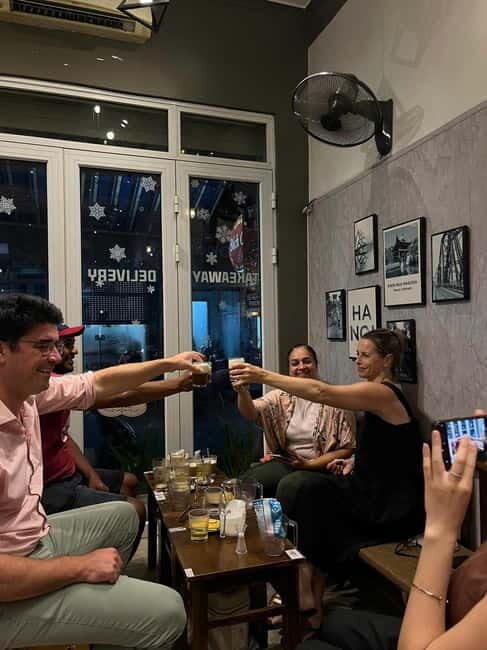
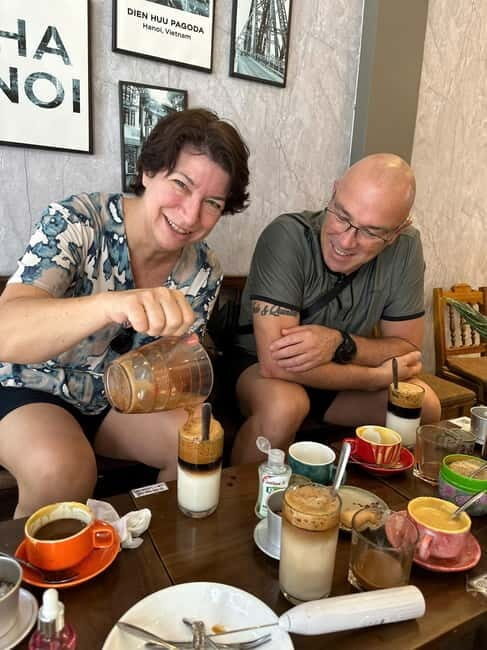
The workshop is designed around participation. You grind, brew, whisk, taste, and adjust, with the instructor guiding each step. That matters because Vietnamese coffee is not one fixed recipe. The balance of strong coffee, sweetness, dairy, and other ingredients shapes each drink, and tasting your own adjustments helps you understand the difference.
The exact selection can vary between four and six coffees. The named styles include black and brown coffee, egg coffee, white or silver coffee, coconut coffee, and salted coffee. If you hope to make all six, confirm the session details when booking, since the experience promises a range rather than a guaranteed six every time.
You are not simply given a set of instructions to copy. The teacher explains how to control strength, balance bitterness, and adjust sweetness while keeping the character of each style. That makes the class useful beyond Hanoi: you can return to your own kitchen with an idea of what to change when a brew tastes too weak, too bitter, or too sweet.
Phin-filter brewing is part of the coffee-making experience. The phin is a small Vietnamese drip filter, and learning to use one gives you a practical way to make coffee at home without elaborate equipment. One instructor may also have filters available to buy, but treat that as a possibility rather than a promised part of the class.
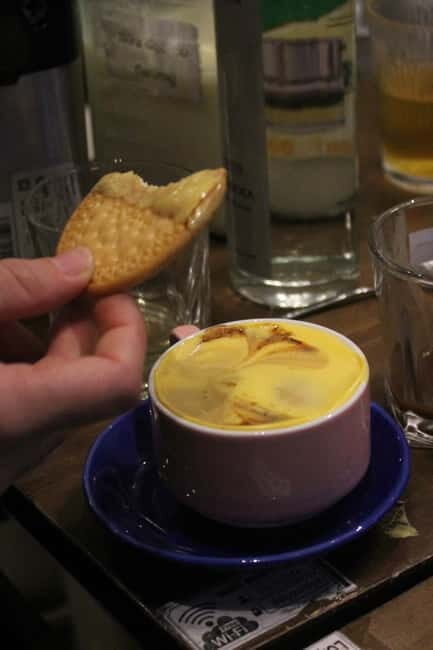
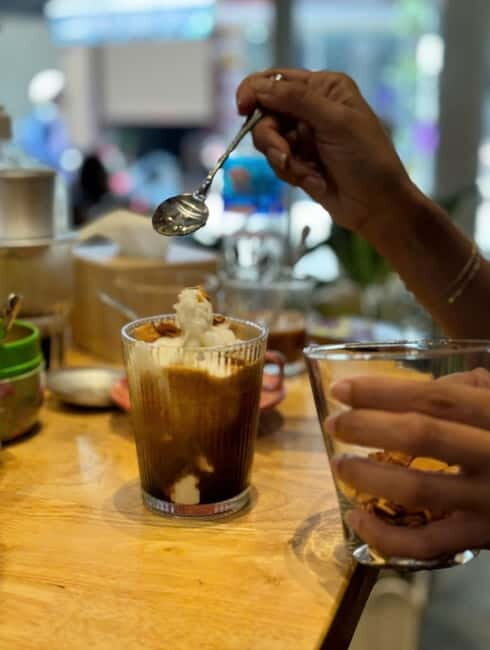
The range of drinks is a real strength. Black coffee gives you a chance to appreciate the coffee itself, while brown coffee brings in the familiar sweetened style. Egg coffee adds a whipped, creamy layer; coconut coffee brings a smooth, sweet flavor; and salted coffee offers a savory counterpoint. White or silver coffee is also on the menu, though the exact preparation details are best learned from the instructor.
Coconut coffee has been a favorite for some participants, especially for its rich, smooth, lightly sweet profile. But the class is useful even if you usually avoid black coffee. The instructor helps you understand how brewing and balance affect the cup, and you can taste the styles side by side rather than choosing from a café menu with no context.
Ingredients are prepared fresh, including eggs, milk, and coconut. The coffee comes from Vietnam’s Central Highlands, with beans selected and tested by the hosts. Because harvests are seasonal, the coffee can change through the year. That offers a small but worthwhile lesson: a drink’s character depends on its ingredients, not just the recipe.
There is a lot to taste in a short session. The duration is listed as one to two hours, with the actual start times depending on availability. You may finish in about an hour or spend closer to two, so leave some room in your schedule and think about how much caffeine you want before booking a late-day slot.
The instructors were born and raised in Hanoi’s Old Quarter and learned about coffee through family, cooks, cafés, and years of tasting and experimenting. Their role is not only to show you how to make a drink, but to explain why it is made that way and what it says about life in Hanoi.
Expect stories to come up naturally as you work: mornings in the city, older cafés, shifting tastes, and the development of Vietnamese coffee. This is a welcome addition to a class that could otherwise feel like a string of recipes. You leave with a better sense of why these drinks belong to local routines, not just a list of ingredients.
Instructors have included Jade, Eddie, Daisy, Jessica, Tyler, Mint, Zoey, and Ngoc. The person leading your session may differ, but the teaching style described for the class is clear and hands-on. You can also ask questions as you go, rather than saving them for a formal talk at the end.
Some instructors share recommendations for cafés, restaurants, markets, and other places around Hanoi. A local map or a short guide to food and coffee spots may be available, too. Treat those extras as a useful bonus, not the main reason to book: the class’s lasting value is learning how to make and understand the coffee.
More Great Tours Nearby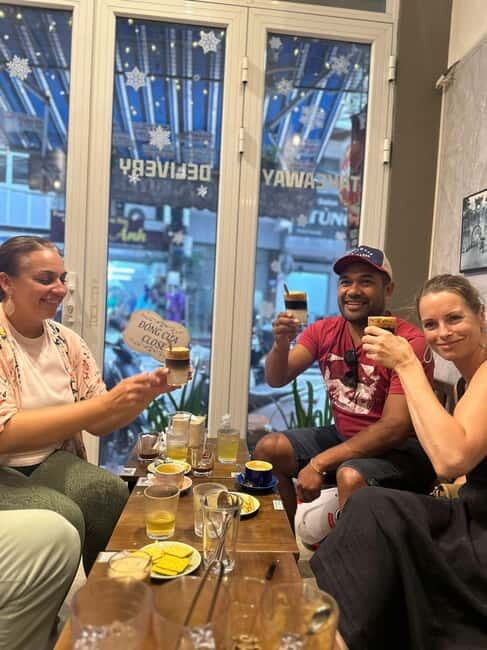
At $22 per person, this is a fair-value activity if you want more than a quick drink and a photo. The price includes the coffees and teas, an instructor, recipes, and the use of the tools and ingredients during the class. You are paying for a guided tasting and practical lesson, with local context built in.
The value is strongest if you enjoy coffee or want a hands-on cultural activity. You get several distinct drinks, learn skills you can use at home, and have time to ask questions in a group capped at 10. If you only want to sample one Vietnamese coffee, a regular café visit will cost less and take less time.
The hosts also describe the space as a home where people live, rather than a staged set. Fresh ingredients, ceramic tools, and the ordinary sounds of local life give the class a more personal feel. There are air conditioning and clean restrooms, which are welcome comforts in Hanoi, as well as sterilized utensils and a dishwasher.
The space is listed as wheelchair accessible, and there is a pet-friendly garden area. Childcare is available, though you should check the details directly before relying on it. The activity is not suitable for babies under one year or people over 95.
I’d recommend the class to coffee fans who want to understand Vietnamese styles rather than simply order them. It also suits curious first-time visitors: the instructor’s stories and local recommendations can help you make sense of Hanoi beyond the coffee menu.
It works well for couples, friends, solo visitors, and families with older children. The workshop is social without requiring you to be an expert, and the small-group format means you can ask for help as you go. If you are not a coffee drinker, you may still enjoy the history and hands-on process, but the tasting is central to the experience.
You do not need specialized gear or prior brewing experience. The hosts explain ingredients and offer substitutes that are easier to find at home, which makes the recipe handout more than a souvenir. You can adapt the drinks to your taste, whether you prefer them sweeter, stronger, or bolder.
The workshop costs $22 per person, lasts one to two hours, and runs in Vietnamese and English. Groups are limited to 10. You can reserve without paying immediately, and cancellation is free up to 24 hours in advance for a full refund.
Because the class includes several coffees, an early session may be a better fit if you are wary of caffeine late in the day. You might also want to keep your schedule flexible: the stated duration varies, and a lively question-and-answer session can make a short class feel fuller.
Book this if you want a friendly, practical introduction to Hanoi’s coffee traditions, with recipes you can try again at home. Skip it if you are looking for a short café stop or do not want to drink several coffee styles. For most curious coffee drinkers, the mix of hands-on brewing, local stories, and manageable price makes this a worthwhile use of an hour or two.
“Really enjoyed this experience – I don’t even like black coffee normally but even the black was nice. All the other coffees we made were excellen…”

The duration is listed as one to two hours. Starting times vary, so check availability for the session you want.
The named options are black, brown, egg, white or silver, coconut, and salted coffee. The class includes four to six styles, so the exact number may vary.
The small group is limited to 10 participants.
The instructor teaches in Vietnamese and English.
Yes. The experience includes full recipes and practical guidance on making the coffees at home, including ingredient substitutes.
Yes. You can reserve now and pay later. You can also cancel up to 24 hours in advance for a full refund.
You can check availability for your dates here: