Physical Address
304 North Cardinal St.
Dorchester Center, MA 02124
Physical Address
304 North Cardinal St.
Dorchester Center, MA 02124

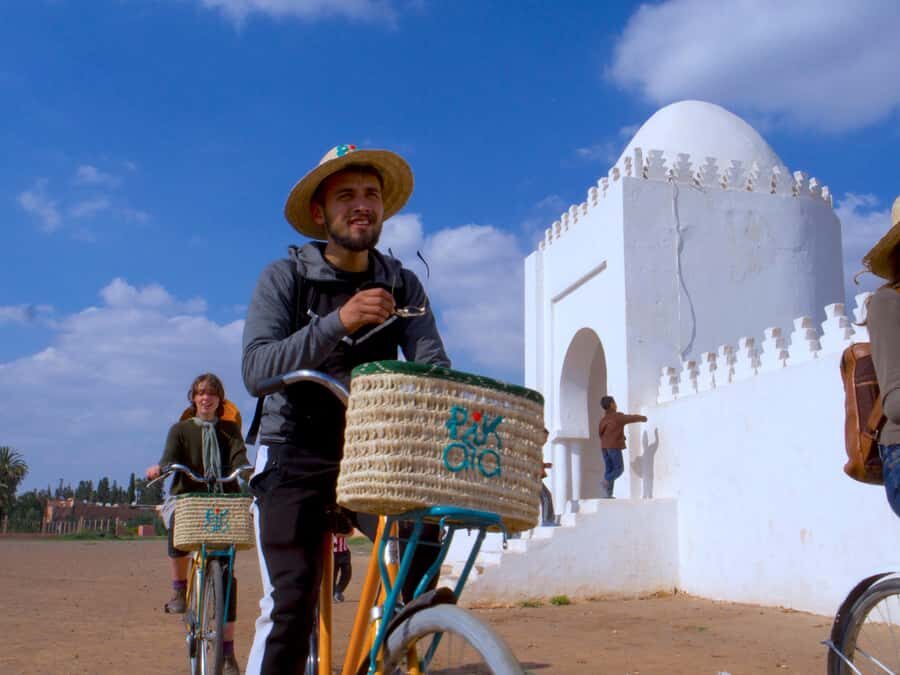
Cycle Marrakech’s medina and modern districts with Pikala Bikes, visiting a community bakery, zellige artisans, hammam and cafe for tea and pastries.
Marrakech’s everyday life comes into focus when you leave the main souk routes behind and pedal through lanes where bread goes into a shared clay oven and artisans shape zellige tiles by hand. Pikala Bikes leads a three-hour ride that links these local traditions with the Royal Palace gardens, a public hammam and the wide boulevards of modern Marrakech.
I like two things especially: the chance to see the city at street level with a local guide, and the way the stops explain ordinary customs, not just grand monuments. Guides such as Ayoub, Rabab and Hamid have been praised for their care and lively explanations, and the tour also supports a program that trains Moroccan youth.
The catch is the traffic. The first part can mean threading through narrow lanes alongside mopeds, pedestrians, donkeys and carts, so you should be a confident, alert cyclist. The ride is described as fun and manageable once you adjust, but it is not the right outing if busy streets make you uneasy.
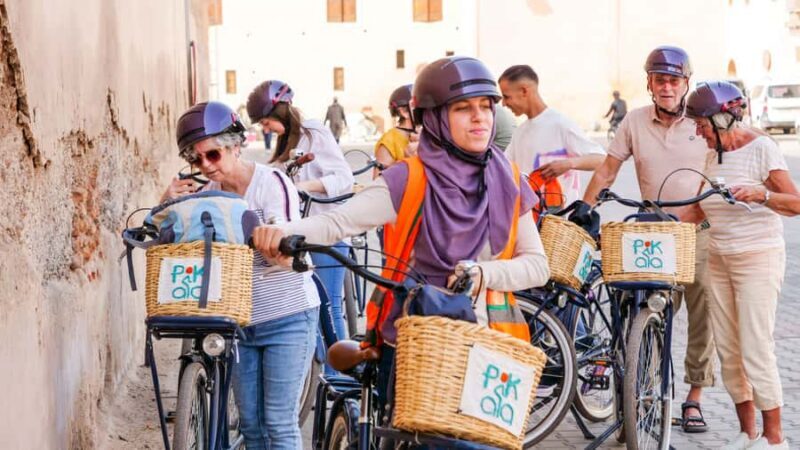
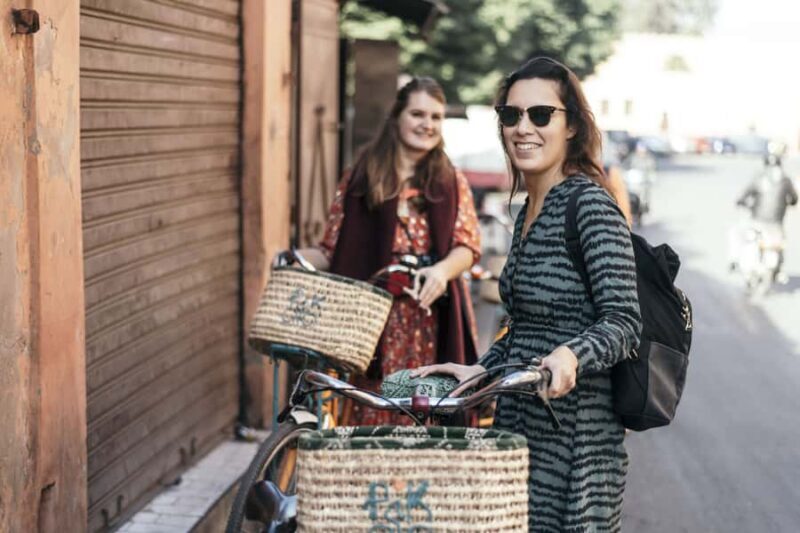
Pikala’s cultural bicycle tour is not mainly about ticking off monuments. It is a moving introduction to how Marrakech works, from the shared routines of a neighborhood bakery to the changing face of the city beyond the medina walls.
That difference matters. On foot, you can get absorbed in the souks; by bike, you cover more ground and see how old and new districts connect. Your guide adds the context that can be hard to gather on your own, especially when a visit lasts only a few minutes.
The route combines short stops with stretches of cycling. It begins at Pikala Bikes headquarters and returns there after a tea and pastry stop at Pikala Cafe. The advertised duration is three hours, though the ride can run longer: one visitor described a trip of about three and a half hours. Give yourself a little breathing room afterward rather than planning a tight appointment.
Looking for more options in Marrakesh? Here are some other experiences worth considering.
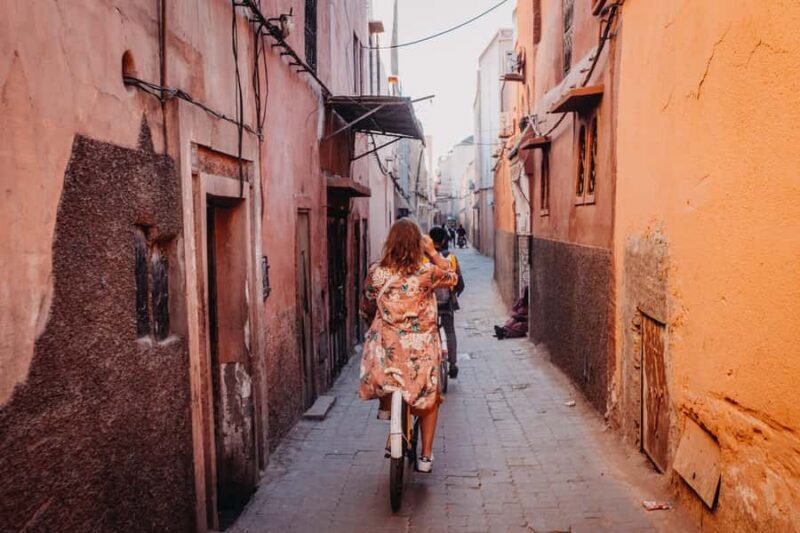
The meeting point is Pikala Bikes headquarters. From there, the route heads toward the medina, where the first challenge is getting used to Marrakech’s traffic patterns. The streets can feel chaotic at first, but cyclists describe a gradual adjustment as they follow the guide through the lanes and crossings.
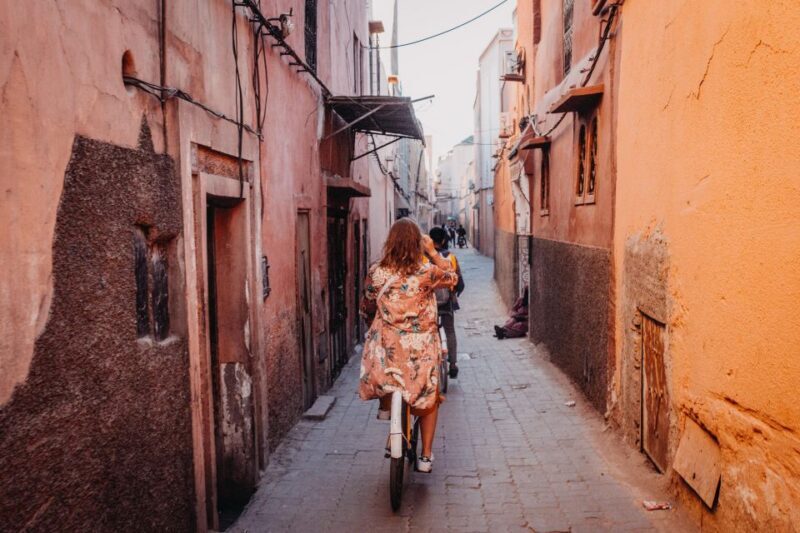
This is the portion that calls for attention. You may be sharing narrow space with pedestrians, mopeds, donkeys and carts, and you need to watch the road rather than coast along while taking photos. Guides are reported to check that everyone stays together and to help the group cross safely, but you still need to be comfortable steering and braking in close quarters.
The bikes have been described as solid, with comfortable saddles, though some riders find them heavy. The route is not presented as a fast ride, and it includes frequent stops, but basic road confidence matters more than speed. Wear clothes you can pedal in. Long skirts and dresses can catch or make riding awkward.
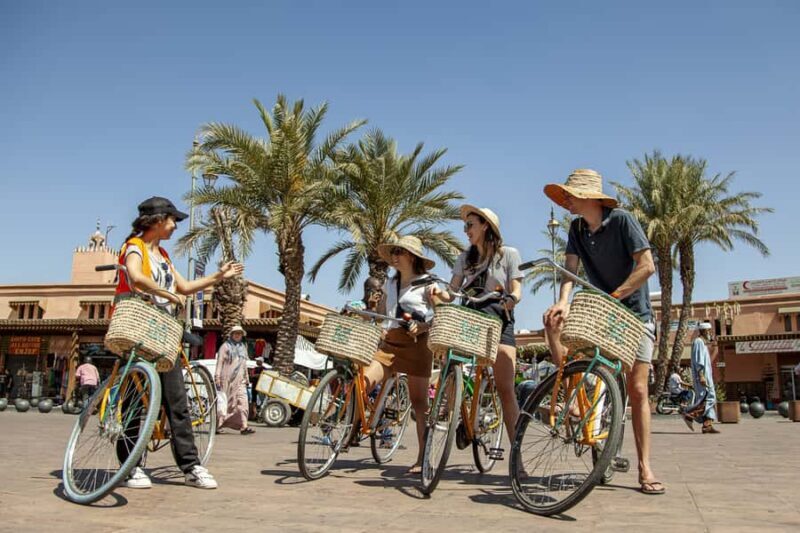
A stop near the Zawiya of Sidi Bel Abbas offers a first pause in the medina. The itinerary allows about 15 minutes for a visit, photos and sightseeing. It is a chance to listen and look around before continuing through the smaller streets, rather than trying to absorb the city while riding.
The bakery visit is one of the tour’s most concrete cultural moments. You step into a local bakery, watch bread being baked in a clay oven, and taste fresh bread. Your guide explains the role bread plays in everyday life, which turns a quick snack into a window on a shared local routine.
This is the sort of stop I value on a city tour: it is small, specific and tied to daily life. It is also brief, around 10 minutes in the planned route, so expect an introduction rather than a long baking demonstration. The point is to see how the custom fits into the neighborhood, not to take a cooking class.
The tour includes a visit to a Moroccan tile workshop, where you can see artisans working with zellige, the geometric tile tradition used for centuries in Moroccan palaces and mosques. Watching the craft take shape makes the patterned walls around Marrakech easier to read. It also gives you a reason to look closely at the skill involved, rather than treating decorative tile as background.
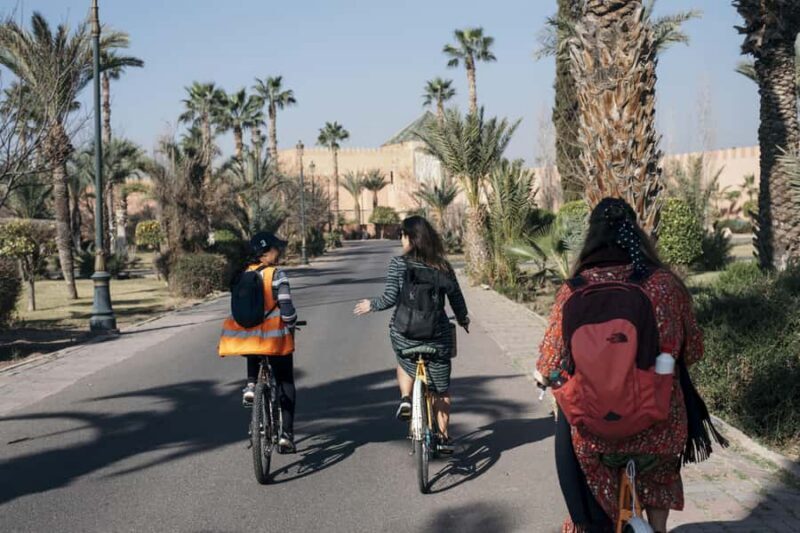
The route then passes the public gardens around the Royal Palace, Dar El-Makhzen. You admire the palace architecture from outside and hear about its place in Moroccan monarchy and history. This is an exterior view, not a palace interior visit, so set your expectations accordingly.
A traditional public hammam is another cultural stop. Your guide explains the hammam’s rituals and role in daily life. The visit is about understanding the custom, not taking a bath during the tour. Together, the bakery, workshop and hammam give you three distinct views of local life: food, skilled work and community tradition.
Some of the itinerary’s stops are described only as lesser-known points or pass-bys, rather than named attractions. That suits the tour’s aim: the guide is there to explain the city as you move through it, not to turn every pause into a formal sightseeing stop.
More Great Tours Nearby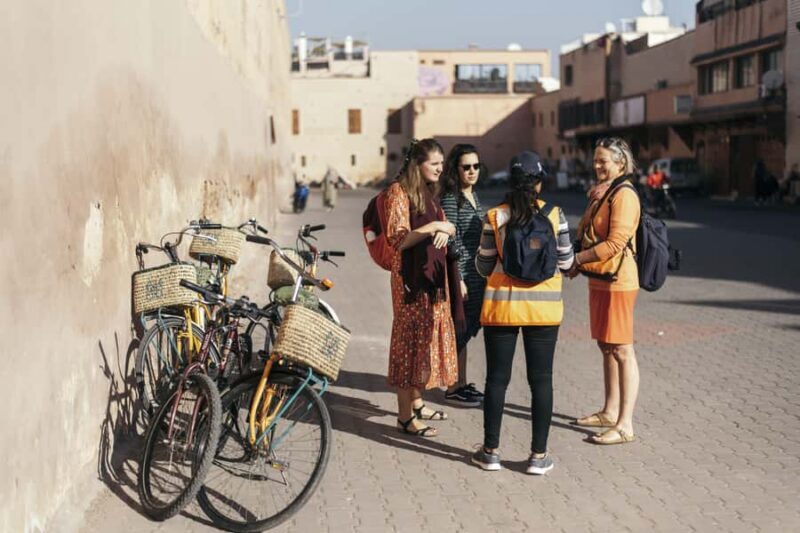
Place des Ferblantiers is a longer break in the route, with about 20 minutes for photos, free time and views. It gives the group time to pause before continuing to other lesser-known places. The itinerary also includes a stop at مشور البراني for about 15 minutes, with time to look around and take photos.
Koutoubia Mosque appears as a pass-by, with roughly 10 minutes for sightseeing. The Church of the Holy Martyrs is another brief stop for photos and views. These places help tie the ride together, but the main appeal is not a long visit inside each building. The experience is built around moving through different parts of the city and hearing how they relate.
The contrast becomes clearer as the bicycles reach modern Marrakech, including Gueliz and Hivernage. Here, wide boulevards, cafes and luxury hotels replace the medina’s narrow lanes. You see a city with more than one pace and style, which can help you understand Marrakech beyond its historic center.
For some riders, the change from souk lanes to city traffic is initially intimidating. One useful tip is to consider an earlier departure if you have a choice: a 9:30 a.m. group found the roads quieter. That is one rider’s experience, not a promise about traffic on any given day, but starting earlier may make the ride feel less demanding.
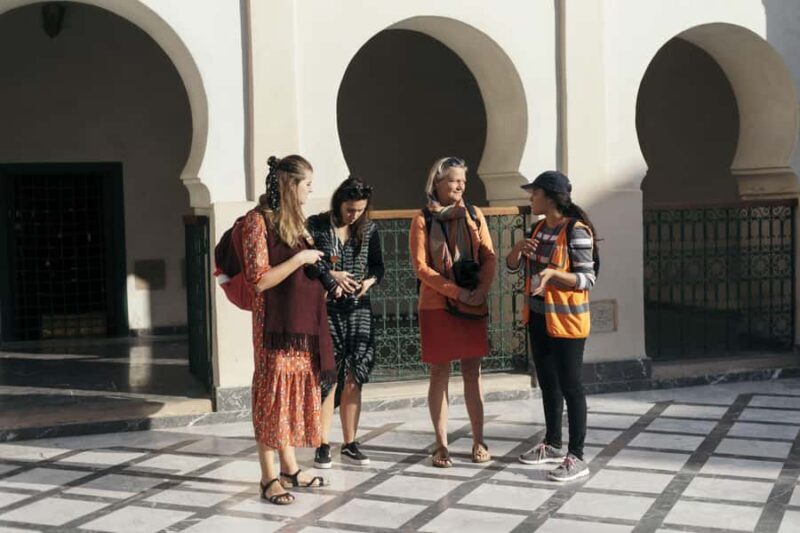
The ride ends at Pikala Cafe, where the group has about 20 minutes for tea, coffee and local snacks. Juice and Moroccan pastries are included, along with water and fruit during the tour. The cafe stop is a welcome chance to sit down and talk through what you have seen.
Pikala also trains Moroccan youth to work as guides, giving you a local perspective on culture and daily life. The guides are a major part of the experience. Hamid, Rabab, Ayoub, Yassir, Kenza and other named guides have been praised for their friendliness, clear explanations and attention to the group. English is offered alongside French.
The social purpose is worth considering when you weigh the price. At $34 per person, you are paying for a three-hour guided ride, bikes, local stops, water, fruit, suncream and refreshments. The value is not only the number of sights: it is the access to small businesses and local customs, plus support for a youth-training program.
This tour is a strong choice if you want an active orientation to Marrakech and are curious about everyday life as much as famous sights. It can work well early in a visit, when the guide’s explanations give you useful context for the rest of your stay. Families have taken the ride, and one older rider used a tandem, but you should ask Pikala directly about current bike options if that matters for your group.
You should be comfortable riding a bike in traffic and able to stay focused in crowded streets. If you have not cycled for a while, or the idea of navigating mopeds and pedestrians sounds stressful rather than exciting, choose a walking tour instead. The ride is not described as strenuous or fast, but traffic awareness is essential.
The tour does not include hotel pickup or drop-off, so plan to reach Pikala Bikes headquarters yourself. English and French guides are available. You can reserve without paying upfront, and the stated cancellation terms allow a full refund if you cancel at least 24 hours in advance.
Book it if you want to see more than the usual medina sights, enjoy cycling and value a guide who can connect food, craft and custom to daily life. The bakery, tile workshop, hammam and shift into modern Marrakech give the ride a clear cultural purpose, while the cafe stop makes a pleasant finish.
Skip it if you are not a confident cyclist or would rather explore at walking pace. For everyone else, the traffic is the main trade-off for seeing a broader, more local side of Marrakech in three hours.
“we had amazing time!! thanks so much for everything!!”
The stated duration is three hours. Allow a little extra time, since one ride took about three and a half hours.
The listed price is $34 per person.
It starts and finishes at Pikala Bikes headquarters. Hotel pickup and drop-off are not included.
The live guide is available in English or French.
Water, fruit, suncream, entry to local stops, and juice and Moroccan pastries at a cultural cafe are included.
Yes. The route goes through traffic and narrow medina lanes with pedestrians, mopeds, donkeys and carts. You should be alert and comfortable riding a bike.
Wear casual clothes that feel comfortable for cycling. Long dresses and skirts may be awkward on a bike.
You can reserve now and pay later. The stated terms allow you to cancel up to 24 hours in advance for a full refund.
You can check availability for your dates here: