Physical Address
304 North Cardinal St.
Dorchester Center, MA 02124
Physical Address
304 North Cardinal St.
Dorchester Center, MA 02124

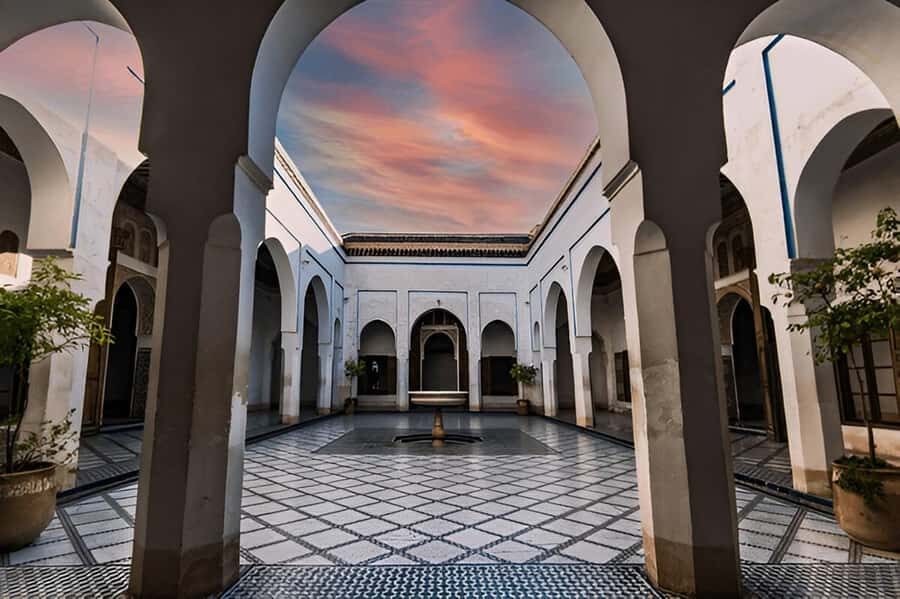
Tour Bahia Palace, Ben Youssef Medersa and Marrakech’s souks with a local guide, while budgeting separately for monument tickets.
Bahia Palace’s carved cedar ceilings and tiled courtyards are beautiful, but they make more sense when someone explains who built them and how the palace was used. This walking tour links the palace with Ben Youssef Medersa and the Medina’s narrow market lanes, giving you a useful first map of central Marrakech.
I like two things here: a guide can put the architecture and local customs into context, and the souk walk gives you a chance to see artisans and ask where to shop. Guides such as Lahsen, Hassan, Charif and Abdul have earned praise for patient explanations, good pacing and making the tour work for families or solo visitors.
The main catch is cost: the advertised $17 price does not include monument entry, which adds 150 DH for both sites. The listed stop times also add up to more than the advertised three hours, so leave some room in your schedule rather than planning a tight appointment afterward.
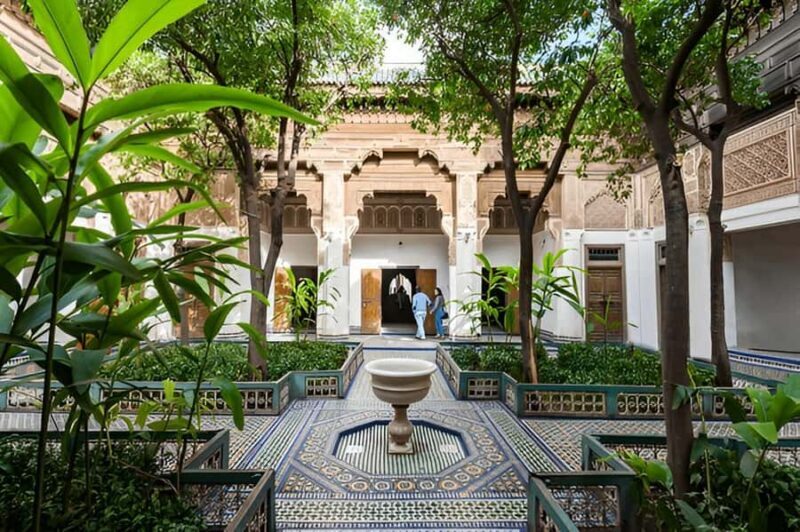
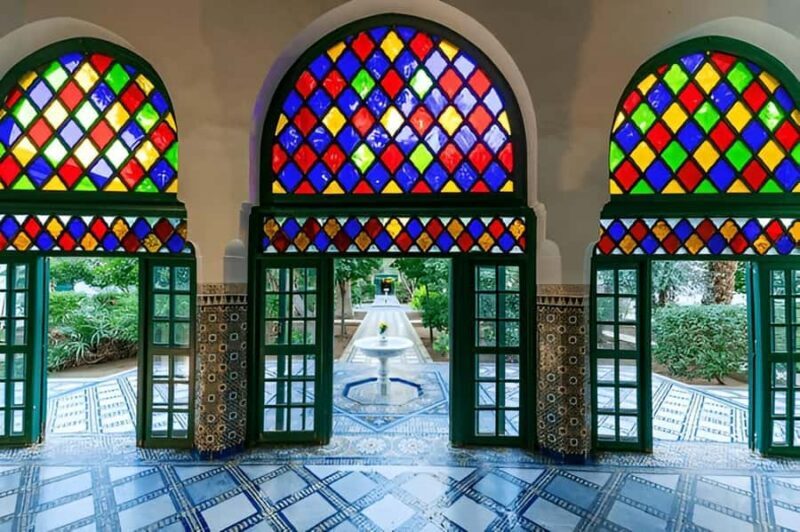
This is a compact introduction to several sides of Marrakech: a major mosque, a grand palace, the old Jewish quarter, a historic school, and the market lanes that still serve as the Medina’s working center. You cover the route on foot with a guide, stopping for explanations, photos and some free time.
The tour begins at a meeting point that can depend on the option you select. The stated meeting point is in front of Hôtel Restaurant Café de France by Jemaa el-Fnaa, so check your confirmation carefully before setting out. The square draws many tour groups, and finding the right guide can take effort. One participant described a crowded meeting scene and a delayed start. I would confirm the guide’s name and exact meeting instructions ahead of time, then arrive with enough time to locate the group.
The planned route includes Koutoubia Mosque, Bahia Palace, the Mellah, the Medina, Ben Youssef Medersa, Souk Semmarine and Jemaa el-Fnaa. That is a lot to fit into three hours. The individual stop estimates add up to 190 minutes, not counting the walk between sites, so treat the schedule as a guide rather than a promise of a leisurely visit at every stop. A tour has to keep moving, particularly when the palace or souk is busy.
Looking for more options in Marrakesh? Here are some other experiences worth considering.
The route starts with a 30-minute stop at Koutoubia Mosque for a guided visit, photos and free time. It offers an early point of reference before you enter the older streets. The mosque is one of the tour’s listed landmarks, but the supplied details do not specify what areas are accessible or whether the stop includes an interior visit. Ask your guide what you can see when you arrive.
This opening is useful if Marrakech is new to you. A guide can help orient you to the city’s central sights before the route turns toward the palace and the maze of Medina lanes. Keep your water handy, especially in hot weather: one visitor reported touring in 45-degree heat, and comfortable walking shoes are a must.
Bahia Palace gets the longest scheduled stop, one hour. Built in the 19th century, it was home to grand viziers and royal courtiers. Its decorated rooms and courtyards feature stucco work, colorful zellij tiles and carved cedar ceilings. The appeal is not only the ornament. A guide can connect the spaces and decoration to the palace’s past and the people who lived there.
The palace is a place where context matters. Without it, it is easy to move from one courtyard to another noticing only tile patterns and carved wood. Guides on this tour have been praised for explaining the building in detail, pointing out what you are looking at and allowing time for photos. That combination is especially helpful if you enjoy architecture but do not want to spend your visit reading every sign.
Entry costs 100 DH per person and is not included in the $17 tour price. The activity details say the tour skips the ticket line, and a few participants described a quick entry. Still, fast access does not remove the entry fee, and site conditions can change. Budget for the ticket separately and bring cash as a practical precaution, especially given reports of ticket-payment confusion on other departures.
The palace has been undergoing work following the earthquake, according to one participant who visited during repairs. Access to some parts may vary over time. If a particular room or courtyard matters to you, ask your guide what is open on the day.
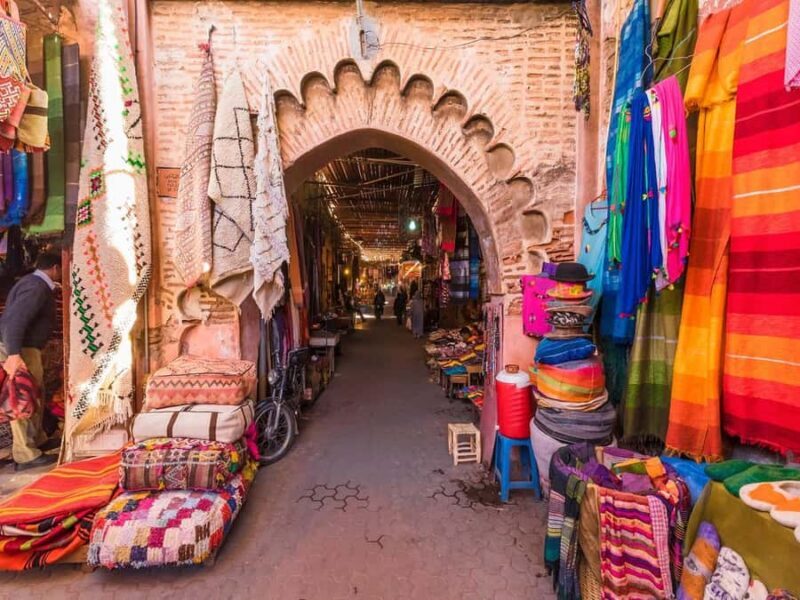
After the palace, the listed route makes a short stop in the Mellah, then continues through the Medina. The Mellah stop is scheduled for ten minutes, enough for a brief look and some explanation rather than a full exploration. The tour then allows 30 minutes in the Medina for guided walking, free time and shopping.
This is where a local guide can earn the price of the tour in practical ways. The old city’s lanes can be hard to read on a first visit, and it is easy to miss how one street leads into another. Participants have praised guides for taking them through narrow alleys they would not have found alone, explaining local life and pointing out workshops along the way. If you are visiting early in your stay, those bearings can make later independent wandering more rewarding.
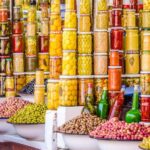
The souk visit is not just a row of shops. The planned route includes opportunities to watch artisans at work, including leather workers and metalworkers, and the market carries textiles, pottery, spices and lanterns. The exact workshops and shops can vary. One guide reportedly took the group to businesses where the owners demonstrated their products. That can be an interesting look at how goods are made, but it also means some of the shopping stops may be connected to the guide. Enjoy the explanations, but take your time before buying and compare prices if you want to shop seriously.
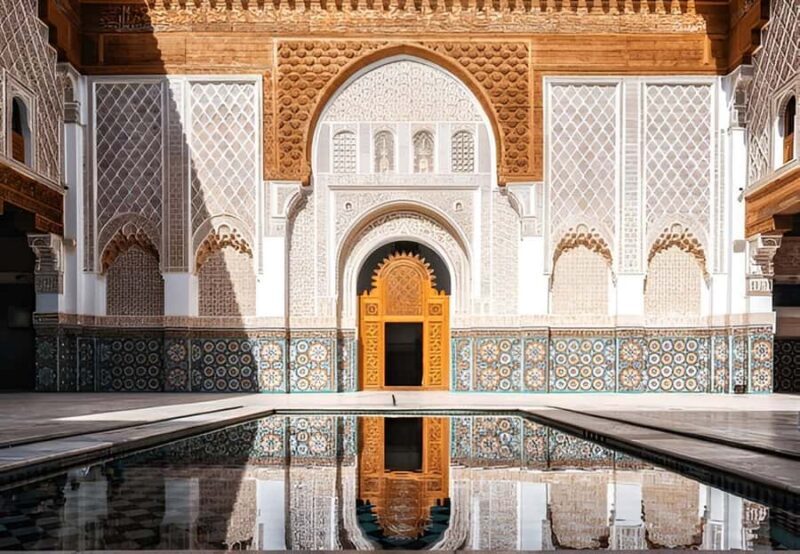
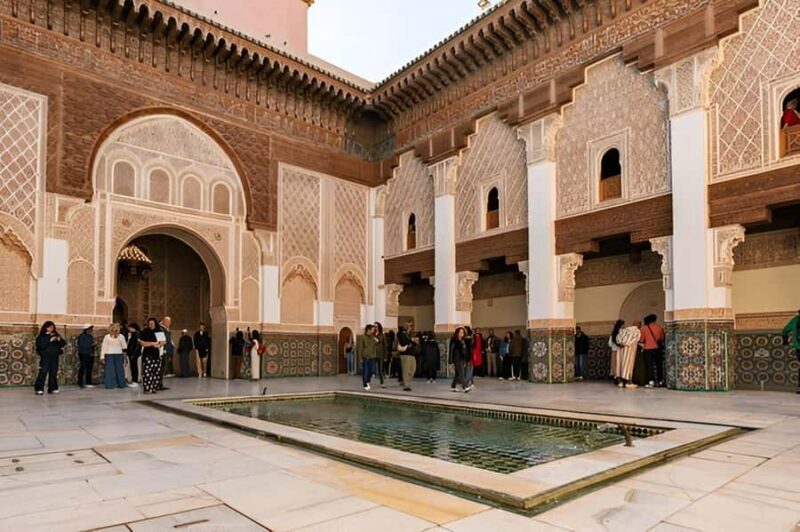
More Great Tours NearbyBen Youssef Medersa, also called Ben Youssef Madrasa, is scheduled for a 30-minute visit. This former Quranic school was built under Sultan Abou el Hassan and later expanded by the Saadians in the 16th century. Its courtyard, stucco details, zellij mosaics and cedarwood carvings make it one of the tour’s main architectural stops.
The school offers a different mood from the market. Its courtyard gives you room to pause and picture the students who once lived and studied there. A guide can explain the building’s purpose as well as its decoration, helping you see the medersa as more than a photogenic collection of patterns. Several guides have been praised for discussing history, culture and architecture in a way that keeps the visit accessible.
Entry is an additional 50 DH per person. Half an hour is enough for an introduction and photos, but not a long, unhurried study of every detail. If this site is a particular priority, consider whether you will want to return on your own or spend longer there another day.
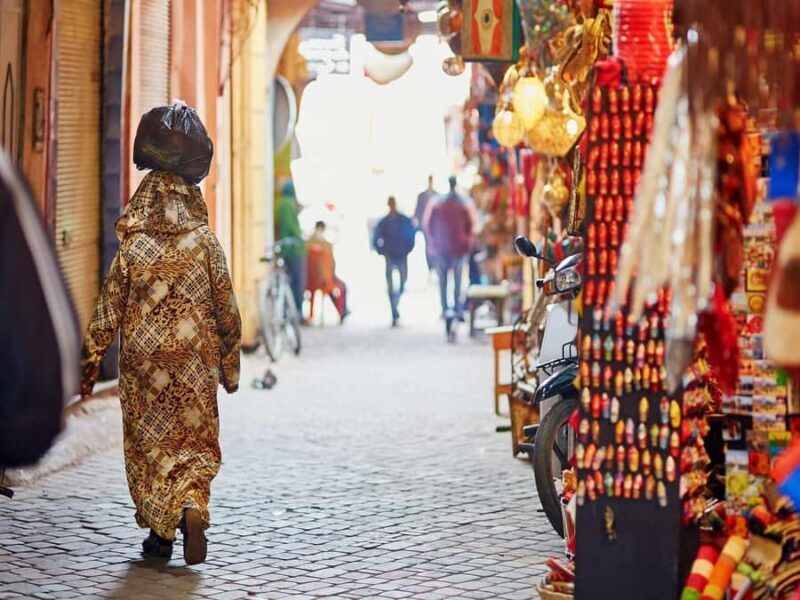
The itinerary gives Souk Semmarine 20 minutes for a guided walk, photos and shopping, then ends with a ten-minute stop at Jemaa el-Fnaa. That is a brisk taste of the market rather than a full shopping expedition. The useful part is having a guide show you how to move through the lanes and point out the kinds of goods and craft work you might otherwise pass without noticing.
Guides have shared tips on local shops and places to look for spices. One participant specifically appreciated finding spices at a reasonable price. Use those pointers as a starting place, not a guarantee that every price or shop will suit you. If you want to browse at length, ask your guide where the tour ends and plan to return independently.
The final stop at Jemaa el-Fnaa brings you back to the square near the stated meeting point. It is a practical place to end a walking tour, and it gives you a chance to recognize the area if you have been finding your way around the Medina by landmarks. The schedule allocates only ten minutes here, so do not count on a long sit-down or a full evening in the square as part of the tour.
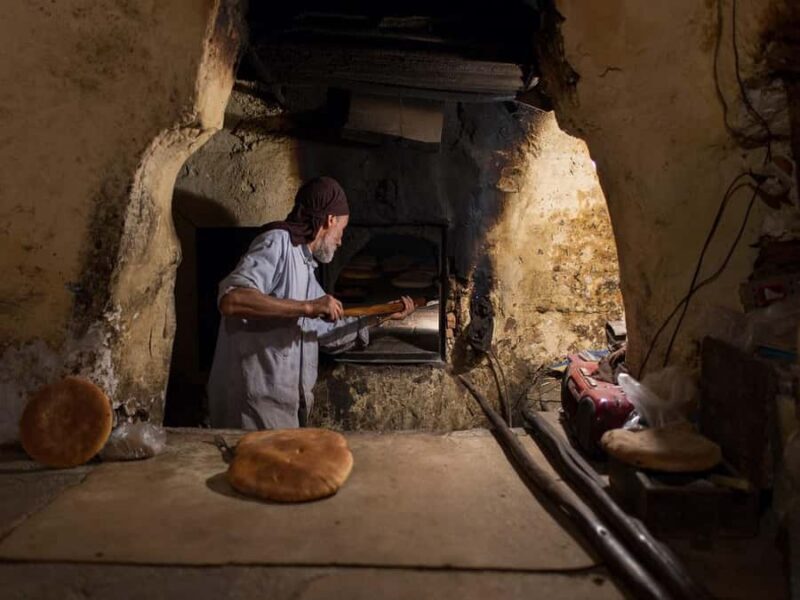
The clearest strength of this experience is its human guide. Lahsen, Hassan, Charif or Cherif, Abdul, Mohamed and other guides have led different departures, so you should not assume a particular person will be assigned. The names recur alongside praise for clear explanations, patience, humor and the ability to answer questions. Some guides have also adapted the pace for children, older family members or a private group.
That personal touch matters in a city where details can pass quickly. A guide can connect the palace’s rooms to its former residents, explain the medersa’s role, and help you understand what is happening in a workshop. Several participants found the tour useful at the start of their stay because the guide’s tips helped them explore the souks more confidently afterward.
The tour is shared, though private groups are available. Some people who booked a shared departure ended up with a guide to themselves or a very small group. That can happen, but it is not something to count on when booking. If you want the privacy and flexibility of a one-to-one outing, choose the private option if available rather than hoping for a small group.
The listed live-guide languages are Arabic, English, French and German. The booking information also says you may select English, French, Spanish or Italian, while noting that language preferences cannot be guaranteed. If language is central to your decision, confirm availability before booking.
At $17 per person, the tour is an affordable way to connect several central sights with a guide. But the headline price is not the whole budget. Add 150 DH per person for the two stated monument tickets, then allow extra time and money for anything you choose to buy in the souks. The guide and shared walking tour are included; monument entrance fees are not.
I think the price makes the most sense if you value explanation and orientation. You are paying for someone to guide you through a route that can be confusing, share historical context at the main monuments, and introduce you to parts of the market. If you prefer to move slowly, linger for a long time at each site or shop without a schedule, the group format may feel rushed. You could visit the sights independently, but you would give up the guide’s commentary and help finding your way.
For a first day in Marrakech, this is a practical sampler. For a repeat visit focused on shopping, the scheduled souk time may be too short. Families may appreciate that guides have handled questions from children and adjusted the pace, but the full route still means several hours on foot.
Wear comfortable walking shoes, bring water and be ready for sun and heat. The tour is listed as wheelchair accessible, but the route includes walking through old-city lanes and monument grounds. If you have specific access needs, check the route details with the provider before booking.
The activity offers free cancellation up to 24 hours in advance and a reserve-now, pay-later option. Those terms help if your plans are still shifting, but the most useful preparation is confirming your meeting point and guide contact details. The start location depends on the selected option, while Hôtel Restaurant Café de France is the stated meeting point for the tour described here.
Book it if you want a compact, guided introduction to Bahia Palace, Ben Youssef Medersa and the souks, especially early in your Marrakech stay. The strongest reason to go is the guide’s ability to explain what you are seeing and help you get your bearings. Budget separately for both monument tickets, and do not schedule an important appointment immediately afterward: the stop estimates exceed the advertised three hours.
Skip it if you want a slow, self-directed day or a long shopping session. The route covers a lot, but the short market stops are better for orientation than exhaustive browsing. For most first-time visitors who like history, architecture and practical local pointers, the balance of landmarks and street life is worth considering.
“We had a great experience with our guide, Lahsen. He is a very kind and friendly person who immediately made us feel comfortable. He took a lot of …”
The advertised duration is three hours. The individual stop estimates total 190 minutes, so allow some flexibility in your plans.
The price includes a guide and a shared tour. Monument entrance fees are not included.
Bahia Palace costs 100 DH per person, and Ben Youssef Medersa costs 50 DH per person.
The stated meeting point is in front of Hôtel Restaurant Café de France, near Jemaa el-Fnaa. The starting location can depend on the option you select, so check your booking details.
The listed live-guide languages are Arabic, English, French and German. The booking information also mentions selecting English, French, Spanish or Italian, but says availability cannot be assured.
The route lists Koutoubia Mosque, Bahia Palace, the Mellah, the Medina, Ben Youssef Medersa, Souk Semmarine and Jemaa el-Fnaa.
The included tour is shared, and a private group is available. A small group or private-feeling departure is possible, but it is not guaranteed with a shared booking.
Bring comfortable shoes and water. The tour information also recommends sports shoes.
You can check availability for your dates here: