Physical Address
304 North Cardinal St.
Dorchester Center, MA 02124
Physical Address
304 North Cardinal St.
Dorchester Center, MA 02124

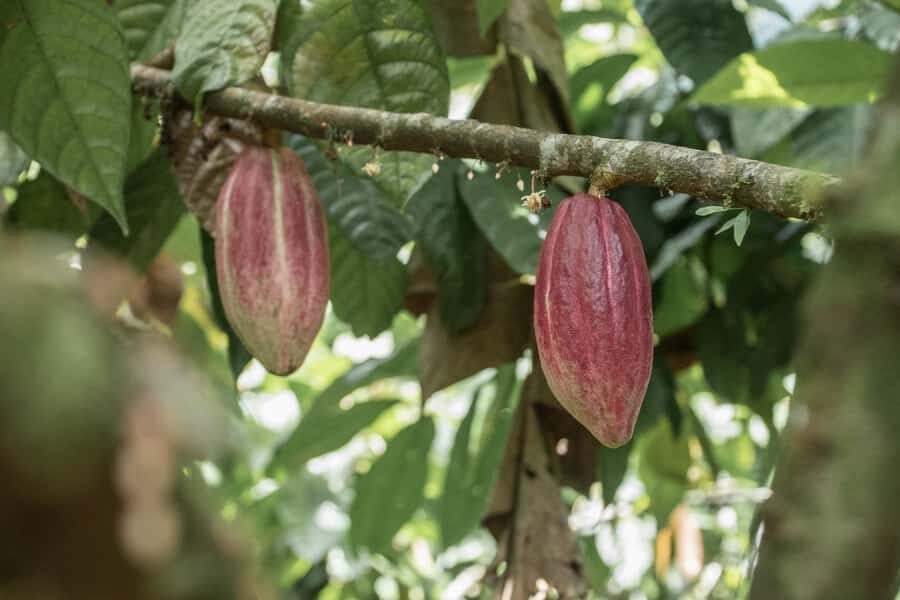
Follow cacao from pod to chocolate on this hands-on La Fortuna farm tour, with tastings, local history, and Arenal Volcano views.
The best part of this La Fortuna tour is that chocolate is not just a treat at the end. You follow cacao from tree to finished chocolate, handling and tasting it along the way, while a guide explains how the crop shaped local life and ancient Mesoamerican trade.
I like two things in particular: the hands-on process, which makes the farm visit more than a talk, and the generous tasting, where you can sample cacao and try finished chocolate with different add-ins. Guides including Keilor, Gexel, Roberto, and Elio have made the experience lively and easy to follow.
The main trade-off is practical: transport to the farm is not included, so you need to arrange your own way to the meeting point. And while the tour runs in all weather, the farm portion is outdoors, so dress for rain or heat.
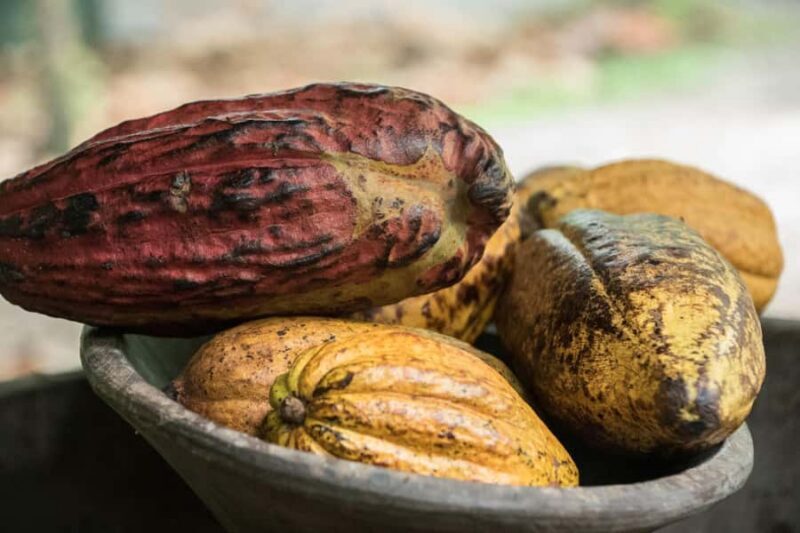
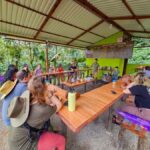
Chocolate is familiar enough to need no introduction, but cacao looks and behaves very differently from the finished bar. This 90-minute visit gives you a chance to see the crop where it grows, then follow the transformation through several stages. That physical connection makes the lesson stick: you are not just hearing that chocolate comes from a tree, you are looking at the tree, its flowers and fruit, and the seeds that become the treat.
The farm sits in rainforest country in Alajuela Province, with views of Arenal Volcano when conditions allow. The setting is part of the appeal, though the main focus is cacao rather than a long nature walk. You can expect to spend time outdoors and move between the grounds and the chocolate-making portion of the program.
At $34 per person, the tour is a modestly priced activity by La Fortuna standards, especially if you want more than a quick sample. The fee includes admission, a professional guide, the guided estate visit, chocolate and food tastings, English or Spanish commentary, and local taxes. The value comes from the combination: a short farm visit, an interactive demonstration, cultural context, and enough tasting to make the chocolate itself a proper part of the experience.
You can check availability for your dates here: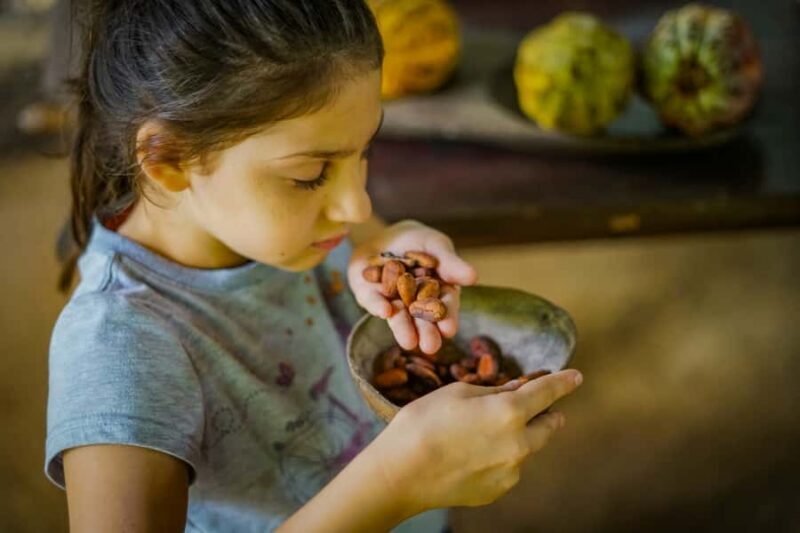
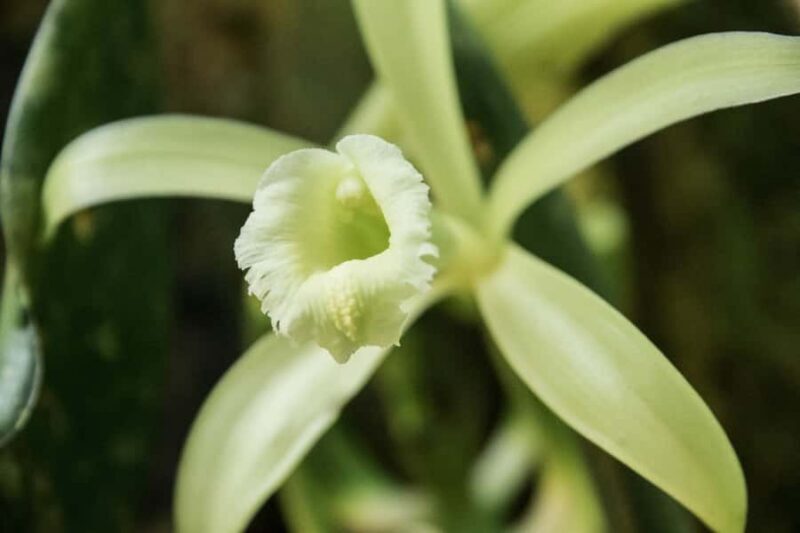
The tour begins with the cacao plant and the place it grows. Your guide introduces the farm and points out details that are easy to miss if you simply walk past the trees. Cacao flowers and pods are both part of the story, and the tour helps you understand how the fruit develops before anyone turns its seeds into chocolate.
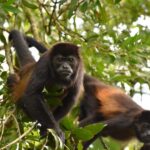
The farm setting can also bring small wildlife surprises. Past groups have spotted sloths, monkeys, frogs, agoutis, toucans, and other birds while exploring the grounds. Treat these as a possible bonus, not a promise: wildlife sightings depend on luck, timing, and what is moving through the trees that day. The tour is about cacao, but the rainforest surroundings give you a little more to notice between stops.
Arenal is another part of the view. The volcano is a dramatic landmark in this part of Costa Rica, but cloud and weather can affect how clearly you see it. I would enjoy the scenery as an added pleasure rather than make a clear volcano view the main reason to book.
You might also be interested in these La Fortuna experiences
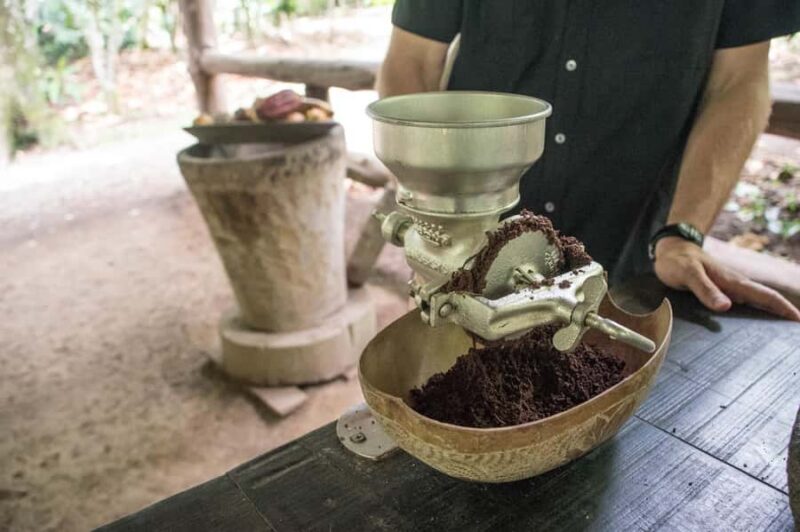
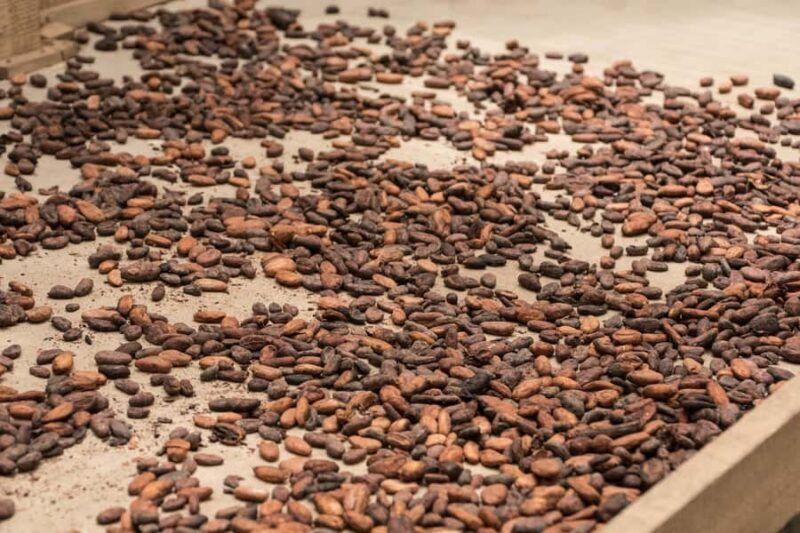
Once you have seen where cacao grows, the guide follows the production process. The program covers harvesting the fruit, drying the seeds, and grinding them. You get to participate in parts of the process, which makes the difference between raw cacao and finished chocolate easier to grasp.
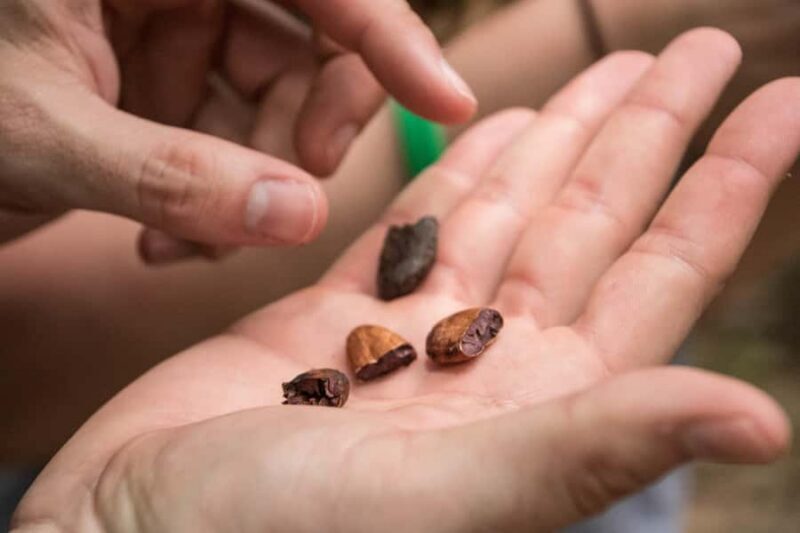
Expect to encounter cacao in more than one form. Tastings can include the beans, ground cacao, and chocolate at later stages. The flavors and textures change as the process moves along, and that contrast is a useful lesson in why a chocolate bar tastes so different from the fruit or seed it began as.
The hands-on element is one of the strongest reasons to choose this tour. It gives children and adults something to do, not just listen to, and it keeps a relatively short session moving. The experience is still guided and structured, so it is not a full workshop where you spend the whole time making a personal batch from scratch. Think of it as a farm demonstration with active participation and tasting.
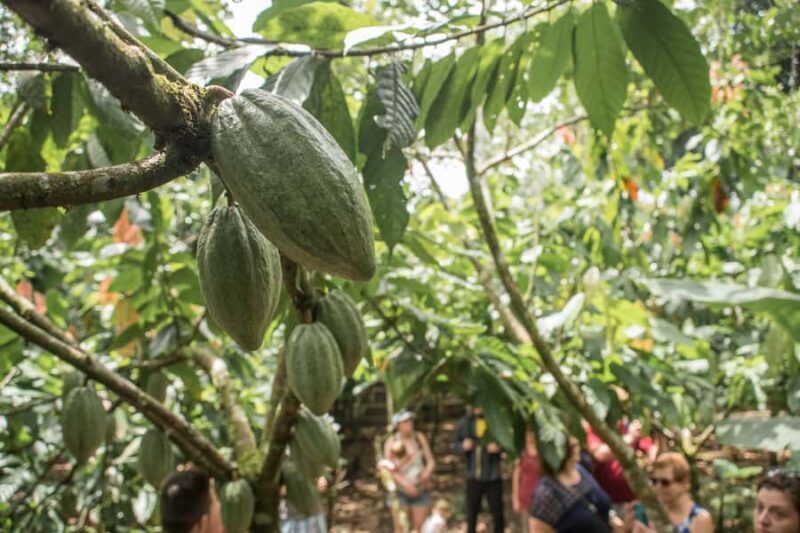
Chocolate has a cultural story as well as a production story. Your guide explains why cacao mattered to ancient cultures and how it was used as a ceremonial drink. In many parts of Mesoamerica, including Costa Rica, cacao seeds also had economic value and were used as currency.
That context helps put the crop in perspective. Cacao was not always simply a sweet or an everyday snack. Its role in ritual and trade gave it a place in social and economic life, and the tour connects that past with the plant you have just seen growing on the farm.
The history is presented alongside the practical steps of making chocolate, rather than as a separate lecture. That balance suits the format: you get enough background to understand why cacao mattered, then return to the tangible business of beans, grinding, and tasting. If you are especially interested in a deep academic treatment of pre-Columbian history, this short tour is not designed to be that. It is an accessible introduction, with chocolate as the thread connecting culture and agriculture.
The tasting is not a single square of chocolate passed around at the end. You can sample cacao at different stages and try finished chocolate with a selection of extra ingredients. Past flavor combinations have included vanilla, orange, chili, salt, nuts, cinnamon, and marshmallows. Some groups have also had hot chocolate.
You may get to mix and compare flavors, which turns the final portion into a playful group activity. One particularly memorable suggestion from a guide was a combination called birthday party. The exact choices can vary, so do not arrive expecting a fixed menu, but there is usually enough variety to explore.
The tour’s promise of eating as much chocolate as you want is a clear part of its charm. It also means this is not a good fit if you want to avoid sugar or chocolate. The process and history are worthwhile on their own, but the tasting is a major reason the experience appeals to families and chocolate fans.
A small gift shop is available, which can be handy if you want to bring home local chocolate or a present. It is an optional extra, not part of the tour price.
More Great Tours Nearby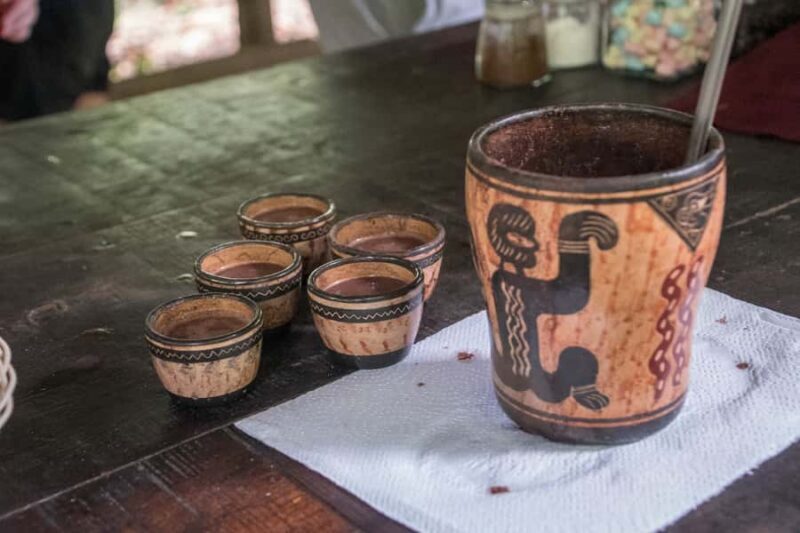
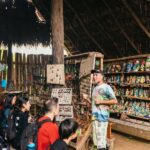
The guide plays a large role in how enjoyable the visit feels. Names that come up across tours include Keilor, Gexel, Roberto, and Elio, along with other guides such as Tatiana and Angélica. Their reported strengths are consistent: clear explanations, humor, enthusiasm, and a knack for getting people involved.
That matters because the subject could easily become a list of production steps. A good guide makes the farm walk and tasting feel connected, answers questions, and adjusts the pace for the group. Some small groups have felt almost private when attendance was low, while the stated maximum is 24 people per time slot. A fuller group may feel livelier, but it can also mean less individual attention during the hands-on parts.
The tour is offered in English or Spanish. If you have a particular language preference, check the available starting times when you book rather than assume every departure runs in both languages.
This is a strong choice if you like food, local farming, or practical cultural experiences. It also works well as a family activity: children must be accompanied by an adult, and the interactive steps and tasting give younger visitors a reason to stay engaged. Families with children as young as four have taken part, though every child is different and the program still involves listening and moving around a farm.
The short duration makes it a useful way to fill part of a day without giving over several hours. It can also work on a rainy afternoon, since the tour operates in all weather. Bring comfortable clothes and dress for conditions; rain is a real possibility in rainforest country.
The farm is described as wheelchair accessible, a helpful point for visitors who need step-free access. If you have specific mobility needs, it is still sensible to confirm the details with the operator before arrival, since the available information does not describe the exact paths or surfaces.
This is not an ideal pick if you want a long wildlife walk, a volcano excursion, or transport from your hotel. Wildlife may appear, but it is incidental. The cacao farm and chocolate process are the focus, and you must make your own way to the meeting point.
The meeting point is in La Fortuna, about 1 km south and 1 km west of Super Rosvil, on the road to the waterfall. Roundtrip transport from your hotel is not included, so build the journey into your plans. The tour information does not specify a travel time from central La Fortuna, so check your route and leave enough room to arrive on time.
Bring a passport or ID card and wear comfortable clothes. The tour runs in all weather, so a light rain layer is a sensible choice when the forecast looks unsettled. Unaccompanied minors are not allowed, and children must be with an adult.
Group size is capped at 24 people per time slot. If your chosen time is already full, the local partner may contact you to arrange the closest available group. The activity offers free cancellation up to 24 hours in advance for a full refund, and a reserve-now, pay-later option is available.
Book it if you want a compact, engaging look at how cacao becomes chocolate, with a guide who can make the process fun and plenty to taste along the way. The $34 price is reasonable for a guided farm visit that includes tastings, participation, cultural background, and the chance to enjoy Arenal’s rainforest setting.
It is especially well suited to families, chocolate lovers, and anyone looking for a relaxed activity between La Fortuna’s bigger outdoor outings. Just plan your own transportation, dress for the weather, and remember that wildlife and clear volcano views are extras, not guarantees. If you are not interested in chocolate, the farm’s short duration and tasting-heavy format may not be enough to make it a priority.
“We (2 persons) did the 8am tour. one other person did not show up so we hat more or less a private tour 😊 the guide was very nice and answered a…”
The activity lasts about 90 minutes.
The listed price is $34 per person.
Live tour commentary is provided in English or Spanish.
No. Roundtrip transportation to and from your hotel is not included. The meeting point is in La Fortuna, about 1 km south and 1 km west of Super Rosvil, on the road to the waterfall.
The price includes a professional guide, a guided tour of the Rainforest Chocolate estate, admission fees, chocolate and food tastings, live English or Spanish commentary, and local taxes.
Children can take part when accompanied by an adult. Unaccompanied minors are not allowed.
You can check availability for your dates here: