Physical Address
304 North Cardinal St.
Dorchester Center, MA 02124
Physical Address
304 North Cardinal St.
Dorchester Center, MA 02124

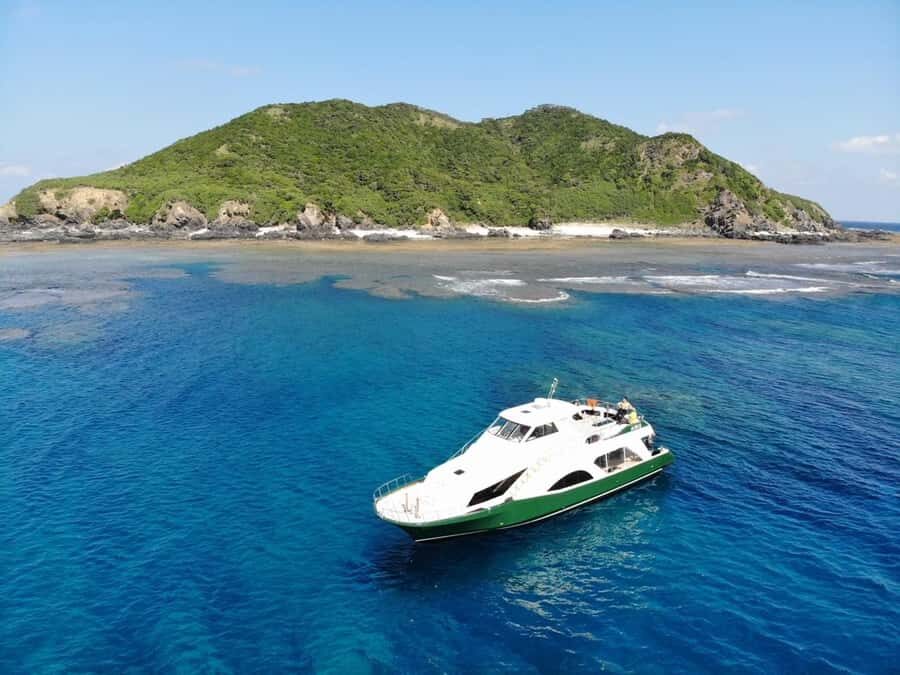
Snorkel Kerama’s coral reefs from Naha, with 2 to 3 sea stops, attentive instructors, optional lunch, and seasonal whale watching.
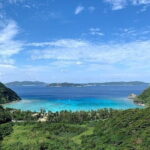
Kerama’s clear water and coral reefs are the main event on this seven-hour trip from Naha. You’ll reach the islands by high-speed boat, then snorkel at two or three selected sites, with instructors nearby and sea turtles among the wildlife you might spot.
I like two things especially: the crew provides the core snorkel gear and safety support, which makes the outing workable for beginners, and the day includes time at several reef sites rather than just one. In winter, the boat may also search for humpback whales.
The trade-off is that wildlife sightings are never guaranteed, and a boat ride across open water can make even a confident swimmer seasick. This is a full-day outing, not an island-hopping tour, so expect to see the islands from the water rather than spend time ashore.
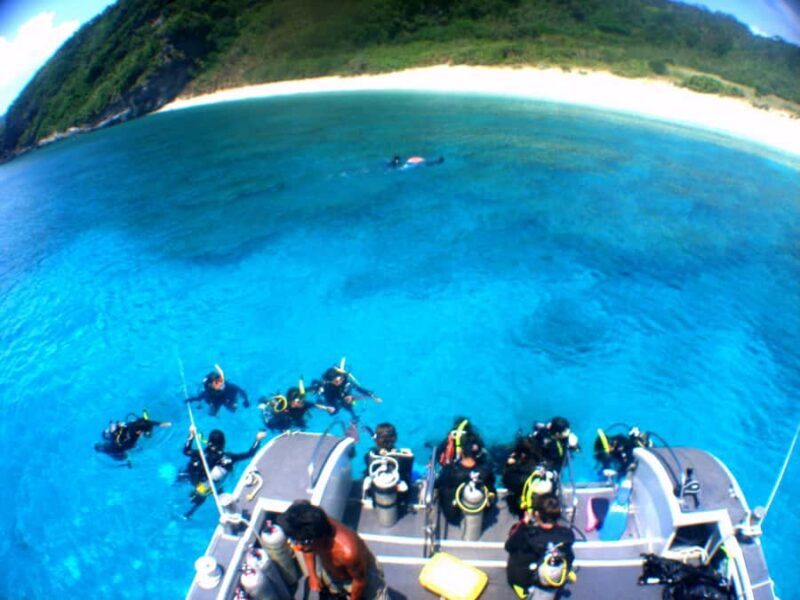
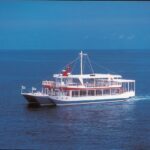
The tour leaves Naha by high-speed boat for the Kerama Islands, a group of islands known for clear water and coral reefs. The journey out takes about an hour, followed by roughly five hours in the Kerama National Park area and another hour back to Naha. The boat departs at 8:00 AM, so plan for an early start.
The crew selects two or three snorkel locations each day, aiming for good conditions and a chance to see sea turtles. Named areas include Zamami, Tokashiki, and Maejima. Aka Island is also mentioned as part of the underwater scenery, but the exact route can change with weather and sea conditions.
That flexibility matters. A boat tour cannot promise a particular reef or a turtle encounter, and rough conditions can mean a change of destination or cancellation. Even when the boat cannot reach the planned area, snorkeling may still go ahead somewhere suitable, as one trip continued with good swimming despite a route change.
This is not an island-hopping trip. You cruise around the islands and stop for water activities, but the plan does not include time ashore. If you want village visits, beach time on land, or a ferry ride between islands, choose a separate excursion.
You can check availability for your dates here: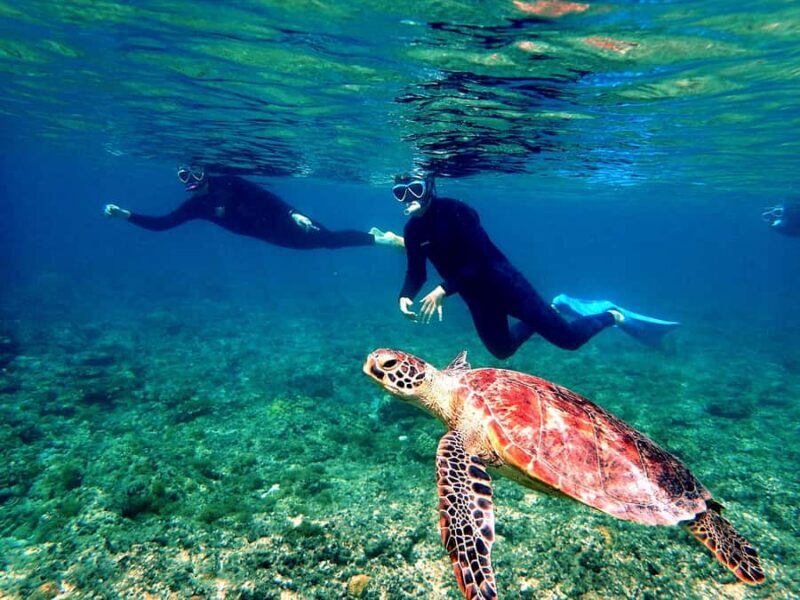
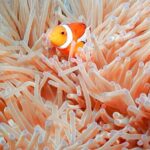
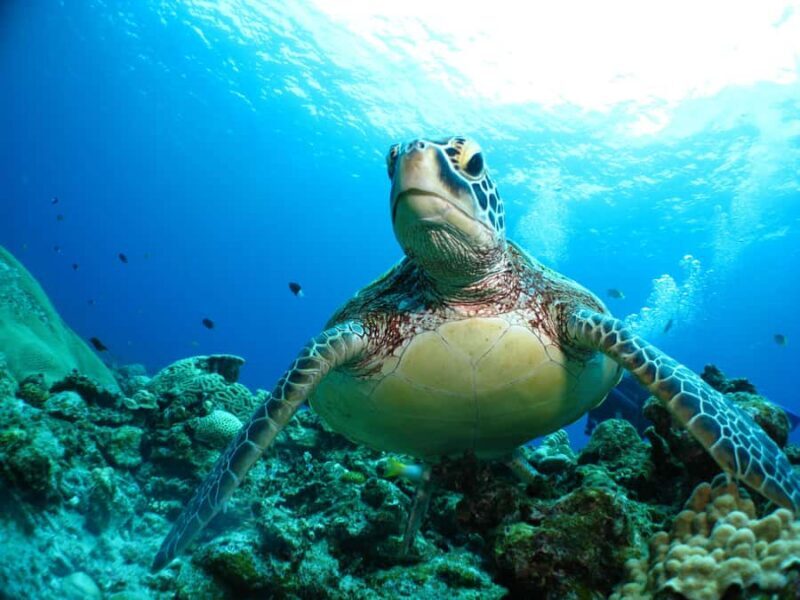
At each stop, you’ll have time to get into the water and look over coral, fish, and other marine life. Past sightings have included turtles, squid, sea cucumbers, sea stars, small sharks, and sea snakes. There may also be colorful fish such as pufferfish and clownfish. Treat those sightings as a bonus, not a checklist: marine life moves freely, and the crew cannot guarantee what will appear.
The water is the reason to come. People who have snorkeled at several sites describe clear visibility, varied reefs, and enough time to enjoy each stop. Three locations can give you a better sense of the area’s underwater variety than one quick swim, though water conditions and the day’s schedule will shape how long you stay at each site.
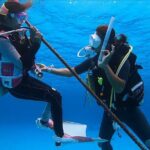
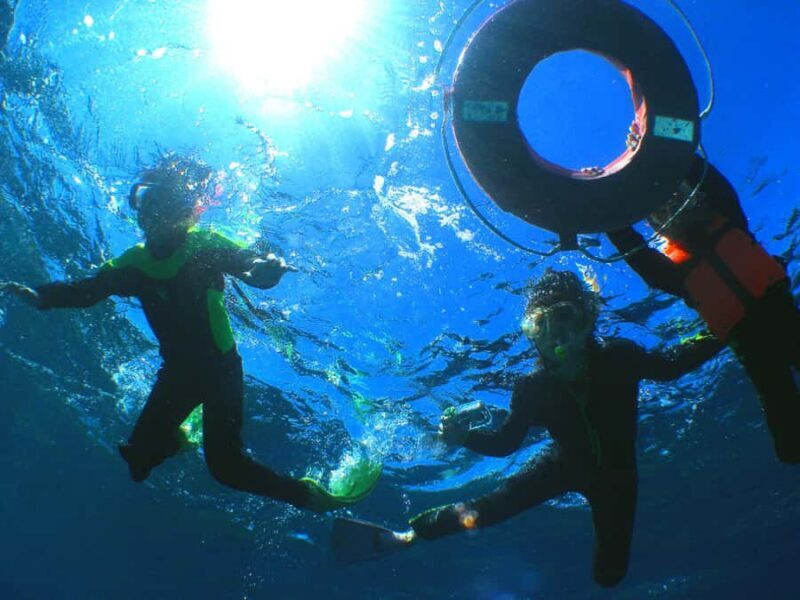
Snorkeling equipment is included, along with wetsuits or other safety gear as needed. You’ll be asked to wear a wetsuit or life jacket, and floating rings are available. The crew has first-aid training, and instructors are in the water to oversee the activity. If you’re new to snorkeling, guide Christina has been singled out for patiently helping beginners with equipment and getting comfortable in the water. English, Japanese, and Portuguese are listed as guide languages.
Keep in mind that this is a shared boat outing. Snorkelers and people taking the optional scuba activity may be on the same boat. On some departures, the group can be large, which means the crew’s attention is focused on instructions, safety, and keeping the schedule moving. If you want a quiet, private experience with one guide focused just on you, this may not be the right format.
For underwater exploration, these Naha snorkeling spots offer different experiences
You do not need to be an expert swimmer to enjoy the tour, but you do need to be comfortable following instructions and getting into the water. Life jackets are required for safety, and the crew can provide floating rings. These supports can help a beginner feel more secure, but they also limit underwater freedom. If you want to swim down close to a turtle, for example, a life jacket is not designed for that.
The instructors’ presence is a meaningful part of the value here. They handle the safety briefing, provide gear, and supervise people in the water. They can also point out marine life when they are nearby. Still, this is a group activity, so don’t expect a personal naturalist to narrate every reef or stay beside you for the whole swim.
Wetsuits help with warmth and reduce contact with stinging sea life. In August, one snorkeler recommended wearing the supplied suit because small jellyfish may be present in some areas. Sunscreen is also essential, and you should bring a change of clothes for after swimming.
People with certain health conditions should not book. The tour is not suitable for children under five, pregnant women, wheelchair users, or people with conditions including heart or respiratory problems, epilepsy, diabetes, kidney problems, high blood pressure, recent surgery, or a current cold. A health form is sent after booking. If you fail the health screening, the tour information says no refund will be given, so read the requirements carefully before reserving.
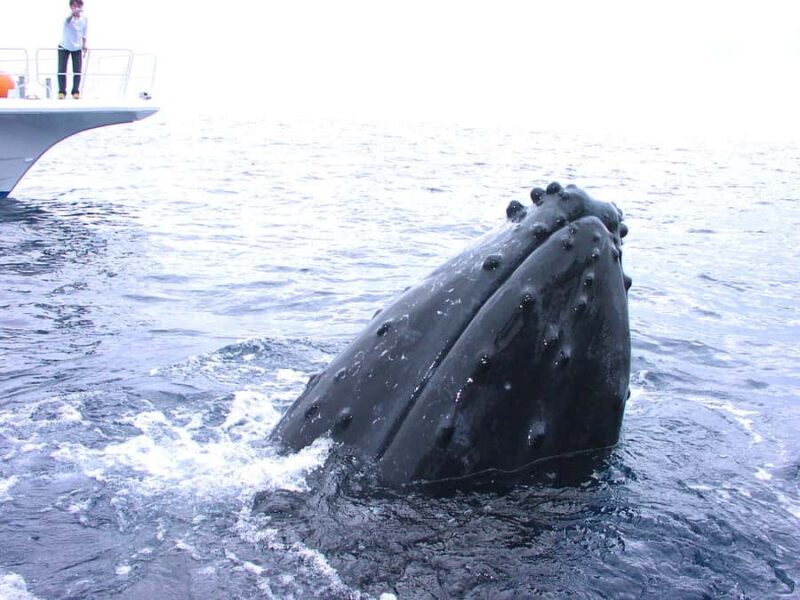
This trip runs through different seasons, and the experience changes with them. From January 12 to March, the crew also looks for humpback whales. Some winter outings have spotted whales breaching from the boat, sometimes before reaching the snorkel sites. It is a striking possibility, but it is not guaranteed: weather and sea conditions can affect both the search and the chance of seeing a whale.
Winter does not rule out snorkeling. The stated water temperature is about 22°C, with outside temperatures around 20°C. That can feel chilly once you are wet, especially between swims. The crew has 3mm hooded vests or coats for cold conditions, and boat coats are included. Bring a warm layer for the ride back and for the time between water stops.
In April, some people have found the water cold even with wetsuits, while others have described winter visibility as good. The practical lesson is simple: don’t dress only for the air temperature at the hotel. Pack something warm and dry for after snorkeling.
August and September bring a seasonal shaved-ice service on the larger boat. New Year outings may include mochi pounding. These touches add variety, but the core attraction remains the reef time, and seasonal extras should not determine your booking.
The boat ride takes about an hour each way. It is part of the trip, not dead time: you get views of the islands and open water, and in whale season the crew may watch for whales along the route. But the crossing can be choppy. If you are prone to motion sickness, eat and sleep well beforehand and take motion sickness medication in advance. Medication may be available from the operator, but you need to request it.
Hotel pickup is offered within Naha, but the number of seats is limited. Provide your hotel name and address when booking, then check the email sent the day before for the pickup time. If pickup is unavailable or you are staying outside Naha, you’ll need to meet at the departure location. Paid port parking is listed at 500 yen per day.
Lunch is not included. You can bring a packed meal or order one when you reserve. An optional meal has been described as filling and tasty, at just under 1,000 yen, but you may want extra snacks or protein if you have a big appetite. Bring food and drinks for the day; water and tea are available on the boat, along with hot water.
Towels, toilets, changing facilities, and a hot-water shower are included. That makes the post-swim transition easier, though bringing dry clothes and sandals is still a good idea. Do not bring drinks into the vehicle, and follow the crew’s rules about litter, noise, alcohol, and touching marine life.
More Great Tours Nearby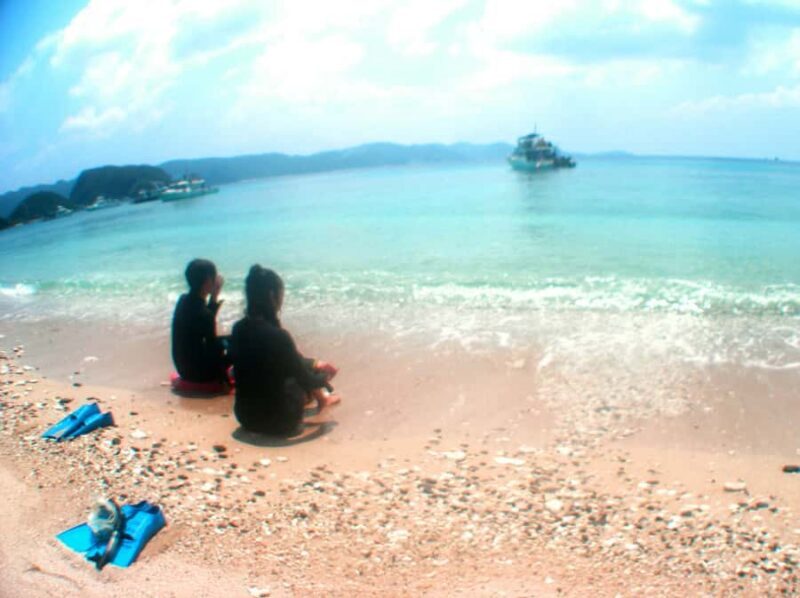
At $77 per person, the tour offers a full seven-hour outing with boat transport, snorkeling, equipment, towels, tea, insurance, and safety support. It also gives you access to several reef sites without needing to arrange separate boat transport from Naha. For someone who wants a structured day in the water, that is solid value.
The price does not cover lunch, and it does not guarantee a turtle or whale sighting. Optional extras such as lunch or a camera rental may add to the total. If you are comparing tours, check exactly what each includes, especially transport, wetsuits, and the number of snorkel stops.
You are paying for the boat and the chance to reach multiple sites, not for a private guide or an island visit. If your main goal is spending time ashore, or you prefer a small group, look elsewhere. If you want a practical way to see the Kerama reefs from Naha and are happy to share the boat, the price makes sense.
You can cancel up to 24 hours in advance for a full refund, and a reserve-now, pay-later option is available. Those terms help if your plans are not fixed, but they do not remove the need to check the health requirements or watch for the operator’s weather updates.
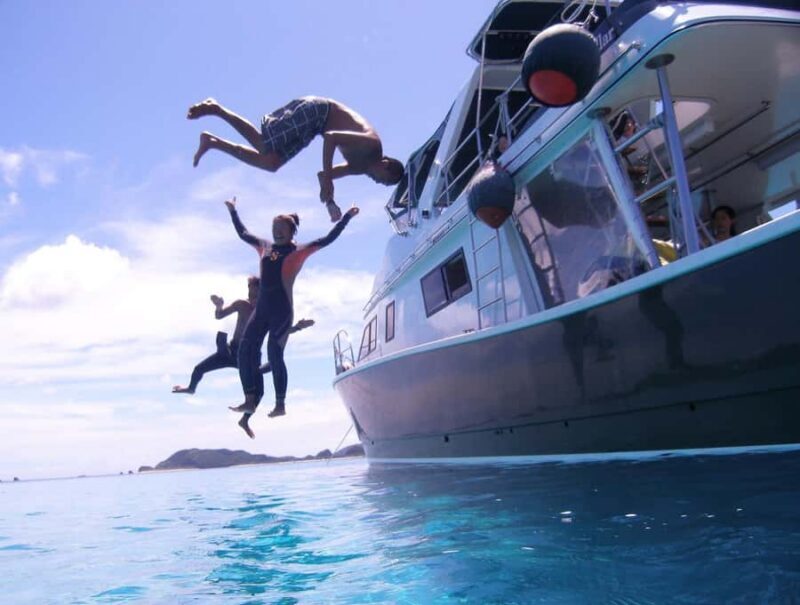
This outing suits confident swimmers and first-timers who want staff support, provided they meet the health requirements and are comfortable with a boat ride. It is also a good fit if you want to visit multiple reef areas in one day without arranging your own transport. The staff’s patient help with beginners is a real plus, especially if you are unsure about masks, fins, or getting into the water.
It is less suited to anyone who needs guaranteed calm seas, wants a private guide, or expects to set foot on the islands. People prone to seasickness should prepare carefully, and anyone hoping to see turtles or whales should keep expectations flexible.
Book it if the water is your priority, you can manage a full day, and you are happy to let conditions shape the route. Pack lunch or arrange it ahead, bring sunscreen and warm dry clothes, and take motion sickness medication if you need it. Skip it if you need a land-based outing or cannot meet the health screening.
“We had the most amazing time on this trip! We were really lucky and managed to see whales and sea turtles!”
The tour lasts about seven hours. The boat ride takes roughly one hour each way, with about five hours in the Kerama National Park area.
The tour usually visits two or three snorkeling locations. The crew selects sites based on the day’s conditions.
You might, but sightings are not guaranteed. The crew searches for sea turtles at selected locations.
Whale watching is available from January 12 to March. Sightings depend on weather and sea conditions and are not guaranteed.
No. Bring your own packed lunch or order one when booking.
Snorkeling equipment, towels, a boat coat, tea, insurance, toilets, changing rooms, and a hot-water shower are included. Wetsuits or life jackets are used for safety.
Pickup is available within Naha, but seats are limited. If pickup is unavailable or you are staying outside Naha, you’ll need to meet at the departure location.
Bring swimwear, sandals, sunscreen, a change of clothes, food, and drinks. A warm layer is useful in cooler weather, and people prone to seasickness should take motion sickness medication in advance.
You can check availability for your dates here: