Physical Address
304 North Cardinal St.
Dorchester Center, MA 02124
Physical Address
304 North Cardinal St.
Dorchester Center, MA 02124


Explore Ferrari’s Maranello museum, from championship cars and trophies to F1 engineering displays. See what the $31 ticket includes and where extras cost more.
Ferrari’s Maranello museum puts the cars at the center of the story: gleaming road models, race winners, prototypes, and the trophies earned on circuits around the world. You can trace the brand’s progress from early road cars to Formula 1, then see how engineering and design shaped its racing image.
I like the variety of cars and racing artifacts, which gives even a casual visitor plenty to look at, and the interactive displays, which help explain the technical side. The main caveat is scale: the museum is smaller than some people expect, so the $31 entry price may feel steep if you are not especially interested in Ferrari.
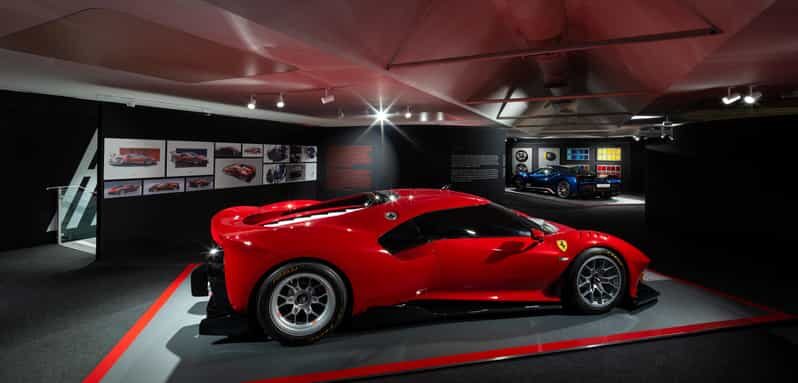
This is Ferrari’s home town, and the museum makes a natural stop for anyone curious about how a carmaker became a racing icon. You are not signing up for a factory tour or a guided walk. The ticket lets you enter the museum and explore its exhibits at your own pace, moving between cars, trophies, memorabilia, and interactive displays.
The appeal is immediate, even if you do not know the names of every model. Ferrari’s design is hard to miss, and the mix of road and racing cars gives you a sense of how the company’s public image and competition record have grown together. For devoted fans, the pleasure is in seeing famous cars up close. For everyone else, the exhibits offer a compact introduction to a company whose name is known well beyond the car world.
The museum presents Ferrari as more than a line of expensive sports cars. Its displays connect engineering, competition, and design, with trophies and racing artifacts giving context to the vehicles. That context matters: a car is more interesting when you can see where it fits in a longer story of technical development and race results.
You might also be interested in these Maranello experiences
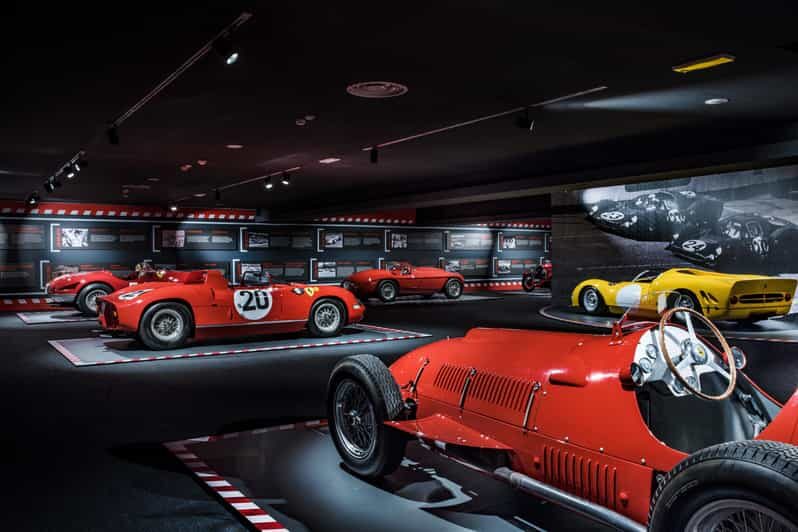
Expect the main draw to be the vehicles themselves. The collection spans classic and modern Ferraris, including prototypes, championship-winning race cars, and limited-edition models. The exact cars on display can vary, so do not build your whole visit around seeing one particular model. Some visitors leave wishing a favorite car, such as an F50, Enzo, or FXX, had been on show.
That is a useful reminder for collectors and serious fans: this is a museum collection, not a promise that every legendary Ferrari will be present at once. The display offers a broad view, but it may not cover every era or model in the depth you hope for. If you have a specific car in mind, check current exhibition details before making the trip, if those details are available.
The vehicles are arranged within themed exhibitions that bring out Ferrari’s changing styles and technical choices. You can compare different body shapes and colors, and look closely at the details that make each car feel purpose-built. Some displays also include parts and engines, giving you a look beyond the finished exterior.
I would take time to notice the differences rather than rush from one car to the next. Even a small change in shape or engineering can say something about the job the car was designed to do. A quick circuit works if you mainly want photos and a look at the famous red machines. If you want the exhibits to make sense, slow down and read.
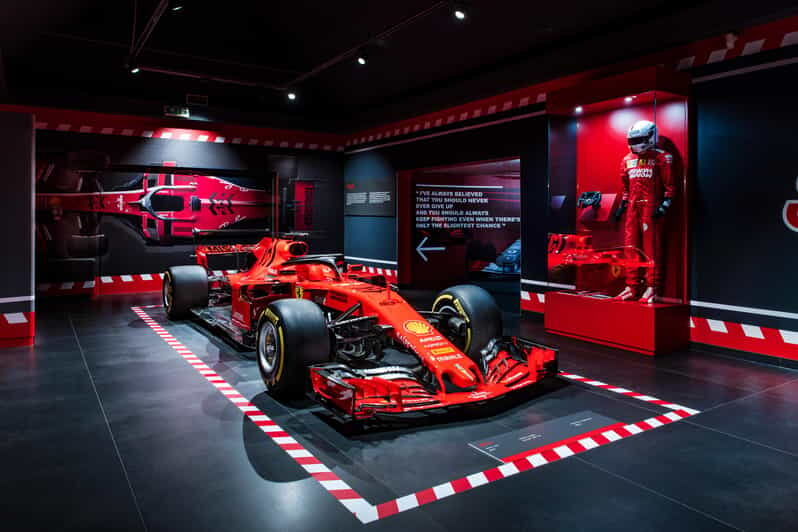
Ferrari’s racing identity is central to the visit. Trophies and memorabilia help connect the cars to victories on tracks around the world, while Formula 1 displays show how competition drives technical change. These objects give the museum more substance than a showroom full of beautiful cars.
The Formula 1 material is especially rewarding if you already follow the sport. You can look at the machines not only as striking objects, but as examples of engineering built for a specific kind of performance. Interactive displays add another layer by explaining some of the thinking behind the design and technology.
There is one expectation to manage: the Formula 1 cars on view may not reach the very latest season. The collection has been noted as ending with 2023 models at one point, so fans hoping for the newest car should not assume it will be included. The exhibits still tell a worthwhile story, but the museum is not a live paddock or a complete record of every season.
You do not need to be a motorsport expert to enjoy this section. The trophies make the scale of Ferrari’s racing success visible, and the engineering displays offer a way in for people who care more about how things work than who won a particular race. That mix helps explain why the museum can appeal to partners and families with different levels of interest.
The hands-on and multimedia elements break up the viewing and reading. They help translate technical themes into something easier to follow, especially if your knowledge of engines or Formula 1 is limited. Do not expect every attraction to be part of the admission price, though.
The professional Formula 1 simulator is an optional extra. It may be the most exciting add-on for a racing fan, but it is not included in the basic ticket. The same goes for other paid photo or driving-style activities mentioned at the museum: treat them as separate purchases, not part of your entry.
This distinction is important when you are judging value. At $31 per person, admission buys access to the museum itself. If you add a simulator session, souvenirs, or paid photo opportunities, your total can climb quickly. Go in knowing what you want to spend, and you can enjoy the exhibits without feeling pressed to buy every extra.
More Great Tours NearbyThe museum can be a short stop or a slower visit, depending on how you like to explore. If you mostly look at the cars, you may finish in around 40 minutes. If you read the descriptions and spend time with the displays, allow 2.5 to 3 hours.
For most visitors, I would plan more than a quick walk-through but less than a full day. The exhibits are worth reading, and pausing to compare cars makes the collection more rewarding. On the other hand, the museum is not so large that you need to set aside an entire day unless you are a particularly committed Ferrari fan.
The ticket is valid on the selected date, and you can enter at any time during opening hours. The hours change by season:
The museum is closed on December 25 and January 1. Arriving near opening time can make it easier to view the exhibits and take photos without as many people in the way. In quieter periods, an afternoon visit may also be calm, but crowds can vary.
Culture seekers can explore more Maranello museums and galleries
The $31 ticket gives you entry to the Ferrari Museum in Maranello. For a lifelong fan, that can be a fair price for the chance to see a varied collection of cars, racing trophies, and engineering displays in Ferrari’s home town. If you are only mildly interested in cars, the museum’s relatively small size may make the cost harder to justify.
The price includes no guided tour. You explore on your own, which gives you flexibility but means you will need to read the displays if you want a fuller account of the exhibits. It also does not include entry to the Enzo Ferrari Museum in Modena. They are separate museums, so do not assume one ticket covers both.
A Fan Ticket option includes a personalized box with your name and a Ferrari lanyard. You collect those items at the ticket office on the day of your visit. It is a souvenir-oriented option, not an upgrade to the museum experience itself.
The museum shop is another place to set expectations. It sells Ferrari merchandise and souvenirs, but prices can be very high. A few people may enjoy browsing even without buying anything; if you are tempted by branded clothing or models, decide on a budget before you reach the shelves. The museum café has been noted for a cappuccino priced at €2.50, a more modest pause than the shop’s collector goods.
The museum is in central Maranello, so you can continue exploring town or find a nearby restaurant after your visit. Parking is not a guaranteed bonus: there is parking directly outside, but finding a space can be difficult at times. If you are arriving by car, leave room in your schedule for that uncertainty.
The ticket offers skip-the-ticket-line entry, which can save time, particularly when the museum is busy. Still, the queue situation depends on the day and time. Buying online in advance is a sensible way to have your entry sorted, but in quieter periods tickets may also be available at the door.
This is a self-guided visit, and wheelchair access is available. There is no guide included to explain the cars in person, so the experience suits independent browsing. If you prefer a structured tour, check separately for a guided option rather than assuming it comes with this ticket.
Ferrari fans and car enthusiasts are the clearest match. You will have plenty to examine, from classic models to modern racers, plus the trophies and memorabilia that place the cars in context. Formula 1 followers will likely get the most from the racing exhibits, while technically minded visitors can spend more time with engines, parts, and interactive explanations.
Families can also find common ground here, especially if one person is keen on cars and others are less sure. The visual appeal of the vehicles helps, and the exhibits offer more than a row of cars to walk past. Still, the extra-cost simulator and shop can add expense, so set expectations with children before you enter.
If you are not a car person, ask yourself whether you enjoy design, engineering, or sports history. The museum can be interesting beyond its most famous red cars, but it is still a Ferrari museum, and its scope is focused. A visitor who expects a large, all-purpose automotive museum may find it brief.
Book it if Ferrari, Formula 1, or automotive design is a real interest, or if you are already spending time in Maranello and want to see the brand’s story in its home town. The collection, trophies, and engineering displays make for a worthwhile visit, and the ability to explore at your own pace is handy.
Think twice if you expect a huge museum, a guided tour, a specific car that may not be on display, or a simulator session included in the price. At $31, the ticket offers the best value to people who will read the exhibits and take time with the cars. Go in with a realistic plan, keep the shop budget modest, and you can enjoy Ferrari’s world without expecting every extra to come with the ticket.
“Overall, I liked the museum, although it's very small. They could improve the prices in the shops inside and put chairs outside for people waiting …”
The listed price is $31 per person. The Formula 1 simulator and merchandise cost extra.
The ticket includes entry to the Ferrari Museum in Maranello. It does not include a guided tour, the Enzo Ferrari Museum in Modena, or the Formula 1 simulator.
No. The ticket is for self-guided entry, so you can explore the museum at your own pace.
No. Entry to the Enzo Ferrari Museum in Modena is not included.
From April and May, and September and October, it is open from 9:30 a.m. to 7 p.m. From June through August, it is open from 9 a.m. to 7 p.m. From November through March, it is open from 9:30 a.m. to 6 p.m.
The museum is closed on December 25 and January 1.
Yes. The activity information states that the museum is wheelchair accessible.
You can check availability for your dates here: