Physical Address
304 North Cardinal St.
Dorchester Center, MA 02124
Physical Address
304 North Cardinal St.
Dorchester Center, MA 02124

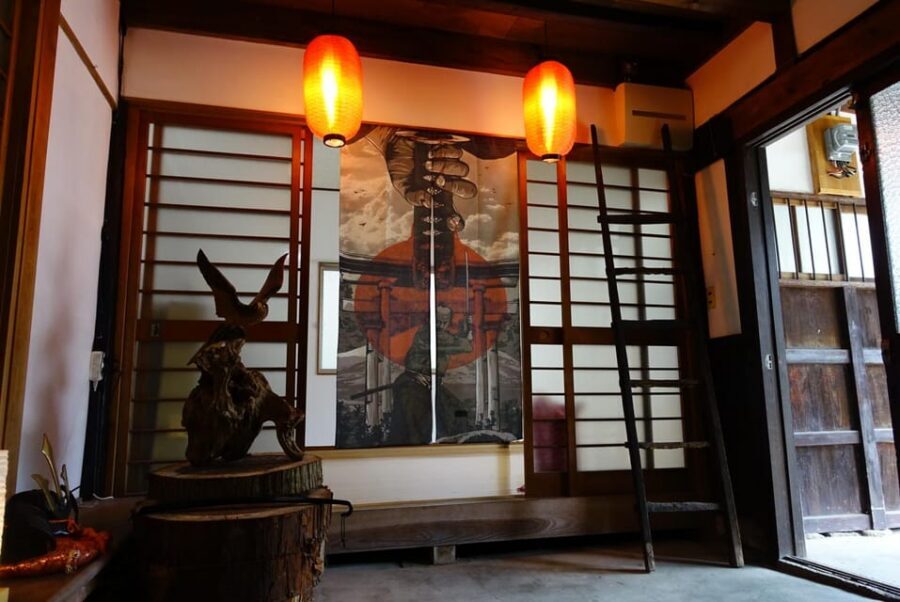
Train in kendo inside a century-old Kyoto dojo, learn samurai history, try sword techniques, and leave with photos in your rented uniform.
Kyoto’s samurai experience is less about posing with a sword and more about learning how to handle one. In a century-old machiya that serves as a dojo, you dress in training gear, hear about samurai culture, and practice basic kendo movements with an instructor such as Taka.
I like two things in particular: you get real instruction and time to practice, not just a costume and photo stop; and the old wooden building gives the session a sense of place that a modern studio could not. Taka’s warm, funny teaching style also helps beginners relax.
One thing to plan for: the dojo can be chilly in winter, and part of the practice may take place outdoors. The location is also a little out of the way, so allow extra time to reach the large gate.
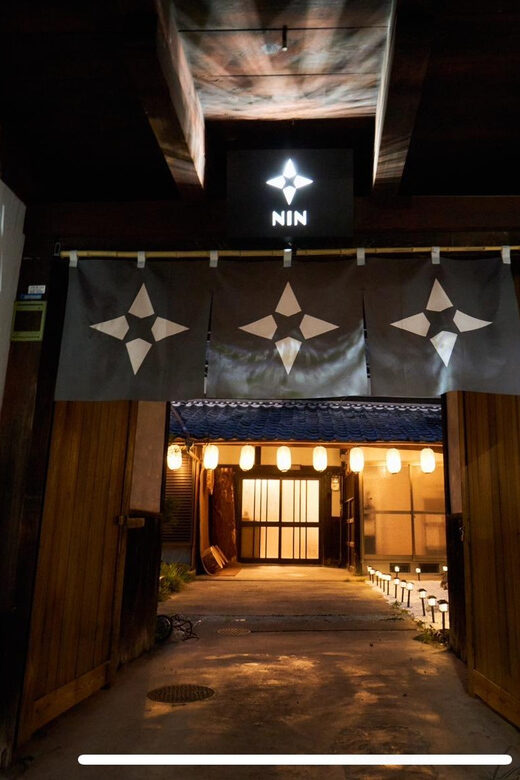
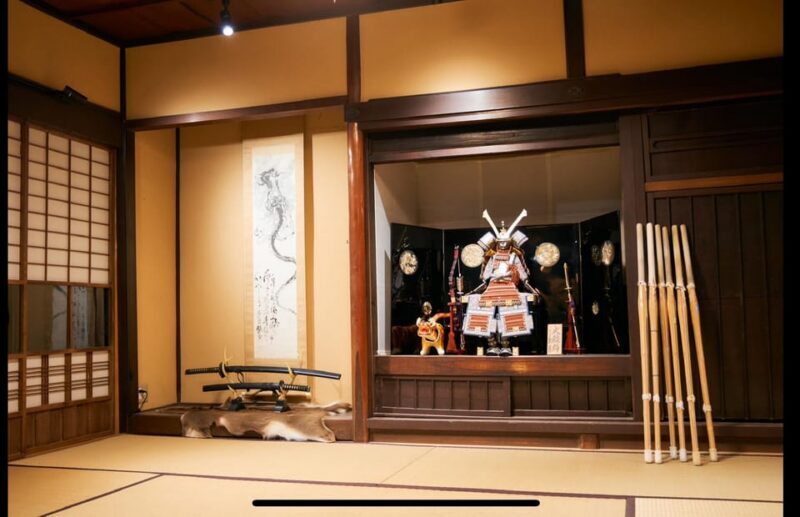
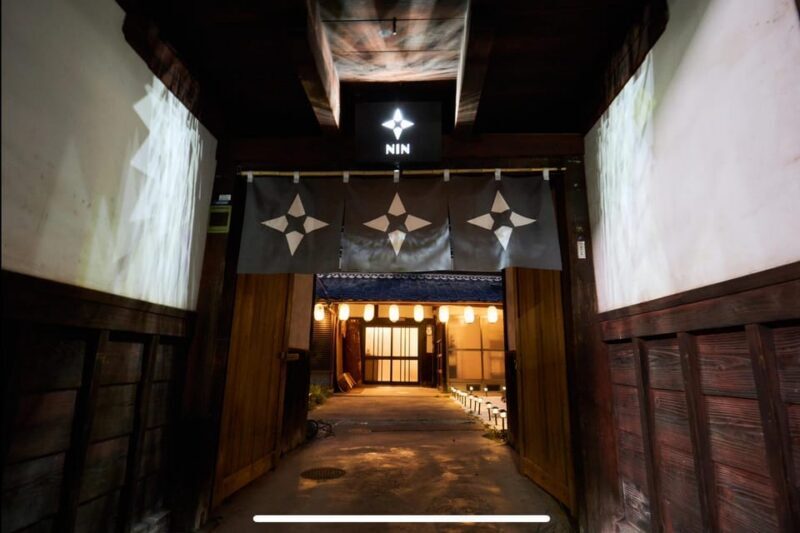
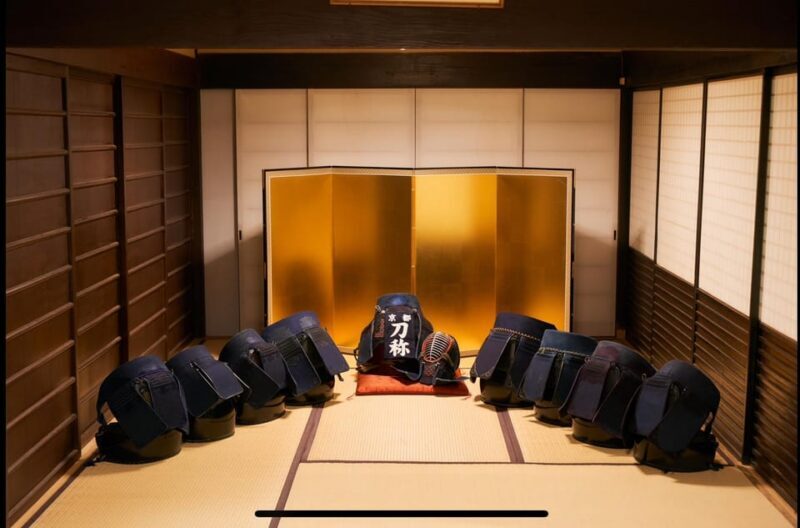
The setting gives this two-hour class an appealing contrast: a traditional house with a long history, then a lively lesson in movement and discipline. The meeting point is an old Japanese house with a large gate. Once inside, you are in a dojo rather than a museum display, and the room may feel worn or dusty in places. Come for the character and the training, not polished studio finishes.
The house is described as more than 100 years old, and one account places it at about 120 years. That age matters because it gives the activity a close connection to traditional Japanese architecture. It also means the space may be less comfortable than a purpose-built modern venue, particularly when the weather turns cold.
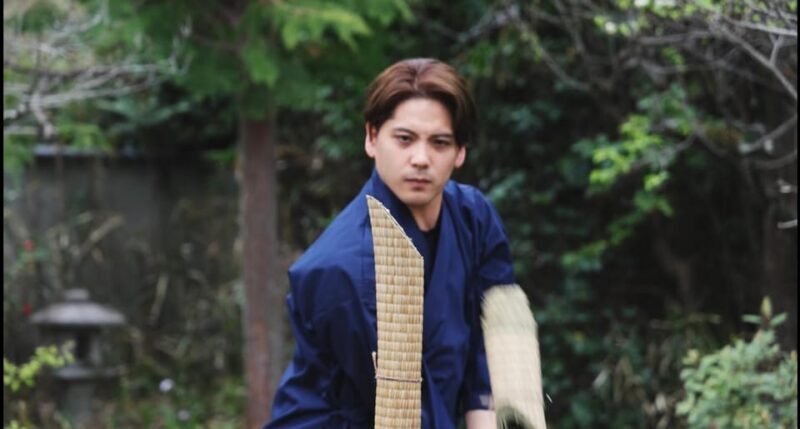
The class is led in English, and Taka is the instructor name most often associated with the session. He is described as patient, funny, and energetic, with a knack for explaining history without turning the class into a lecture. One account describes an instructor with more than 50 years of kendo practice. The overall approach is welcoming to beginners, and no previous experience is required.
This is not a formal academic course in samurai history, nor is it a staged performance. The cultural context comes through short explanations and conversation alongside the practice. That balance works well if you want to understand what you are doing, then pick up a sword and try it yourself.
You can check availability for your dates here: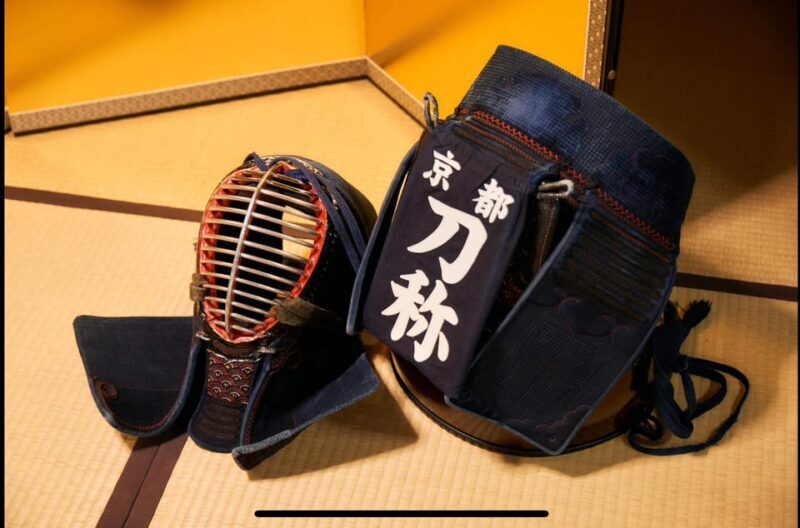
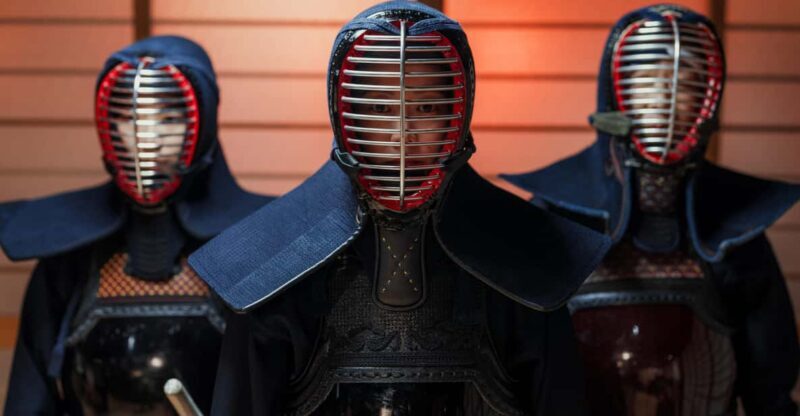
The session begins with a change into the provided uniform and equipment. The rental package includes uniform, footwear, and other training gear, so you do not need to arrange a costume or bring specialist equipment. Getting dressed is part of the fun, but it also introduces the practical side of martial arts: the clothing and protective equipment are there to support movement and safe practice.
Your instructor explains the clothing, customs, and basic etiquette before you start. This first step helps set the tone. The aim is not simply to look like a samurai for a photo, but to understand that the sword is handled with care and respect.
There is no need to arrive knowing the difference between kendo and historical swordsmanship. The class introduces the basics as you go, and the instructor demonstrates how to hold and move with the training weapons. You can ask questions as they come up, which is useful if you are curious about the history or the equipment.
If you are visiting in colder months, wear a warm base layer and socks. The dojo can be chilly, and some practice may happen outside in the courtyard. You will be moving, but the session is not a reason to assume you will stay warm from start to finish.
Looking for more options in Kyoto? Here are some other experiences worth considering.
The cultural introduction gives the physical practice a frame. You hear about samurai history, the role of the warrior class, and the development of kendo. The instructor also explains etiquette and the mindset behind the art. That context makes the movements feel less like generic swordplay and more like a practice with rules and meaning.
The session is pitched for visitors, so expect an accessible overview rather than an exhaustive history lesson. That is a sensible format for two hours. You get enough background to understand why posture, control, and respect matter, then plenty of time to try the techniques yourself.
Taka’s style is an important part of the experience. He is described as approachable and patient, and his humor keeps the lesson from feeling stiff. If you have a question about Japanese culture or samurai traditions, this is a good time to ask. The instructor can offer more depth than a short photo opportunity, while still keeping the class moving.
The owner’s family is said to have a samurai lineage. Treat that as an interesting part of the story shared at the dojo, rather than the central reason to book. The more tangible value is the chance to learn from an instructor who connects the history to the actual practice.
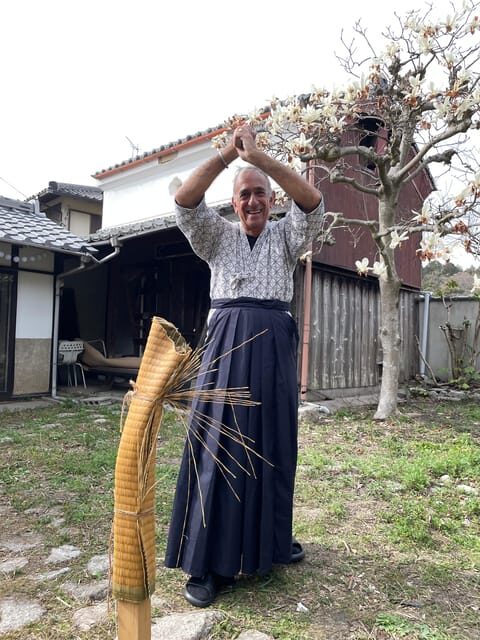
After the introduction, you learn the foundations: how to hold the sword, how to stand, and how to move. The instructor demonstrates the techniques, then gives you a chance to try them. The session can use bamboo swords, foam swords, or replica-style training blades, depending on the activity. The equipment is selected for practice, not for a live-blade demonstration.
You work through basic sword motions, including strikes, blocks, and footwork. The point is not to master kendo in an afternoon. It is to get a feel for the discipline and coordination involved, and to leave with a few movements you can remember. The repeated practice is what makes the class engaging: you are not watching someone else perform while you stand at the edge.
The instructor’s attention helps first-timers feel safe. You are shown how to use the equipment and are guided through the movements before partner practice. Families and solo participants have both found the class workable, and the teaching can be adjusted to include people who need extra help. Still, this is an active class, so you should be comfortable taking part in simple physical exercises.
The weapons may look convincing in photos, but do not book expecting to wield a sharp katana or test your aim on a cutting target. Cutting tatami mats is not part of the session. The focus is on safe training tools, controlled technique, and learning the basics.
A highlight for many people is practicing with a partner. After learning basic movements, you can use the skills in a short sparring exercise or friendly competition. Some sessions end with a playful fight using foam swords or kendo equipment. It gives the class a satisfying finish and turns the techniques into something you can use, rather than a set of isolated poses.
The sparring is meant to be fun and supervised, not a serious contest. Follow the instructor’s directions and keep control of your movements. If you are nervous about partner work, tell the instructor. The class is designed for beginners, and the guidance helps make the activity approachable.
This is also where the session differs from a standard cultural demonstration. You have a role in it. You learn a movement, repeat it, then try it with another person. The result is more memorable than simply hearing facts about samurai culture, especially if you enjoy hands-on activities.
The intensity and exact order of exercises may vary. The information provided describes a mix of basic practice and partner work, not a fixed sequence guaranteed in every class. Go in expecting an introduction, not a full kendo lesson or a match with advanced practitioners.
More Great Tours Nearby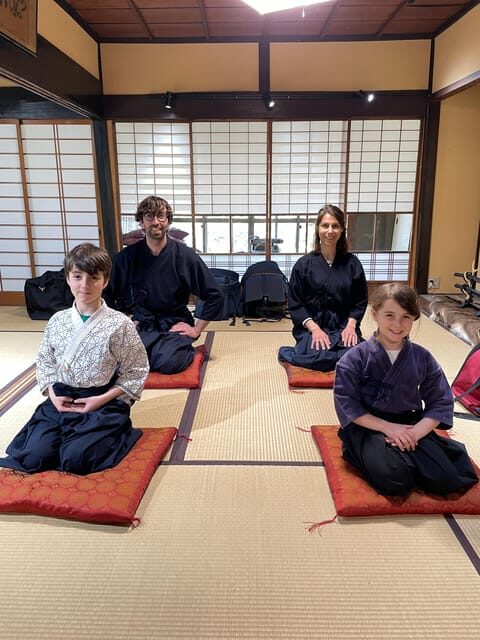
The instructor can help take photos and videos while you are dressed in the uniform. This gives you a record of the experience without turning the entire class into a photo session. The best images are likely to come after you have learned enough to hold the equipment with confidence. Keep the camera time as a bonus, not the main event.
The location takes a little planning. The meeting point is identified by a large gate, and the house is in a residential area along a winding approach. One practical suggestion is to take a taxi from the station if you are travelling by train, particularly if you are unsure of the route. Give yourself extra time. Arriving late can interrupt a class that depends on demonstrations and shared practice.
The surrounding area can add interest to the trip. One participant noted a small temple nearby, but it is not part of the class itself. If you have time, you might explore the neighborhood before or after. Do not count on a guided walk, since the activity is focused on the dojo.
Expect a more lived-in space than a sleek visitor center. One visitor found the room dusty and worn. That is worth knowing if you prize spotless facilities, though the traditional setting is part of the appeal. This is a working practice space, not a luxury dressing room.
At $103 per person, this is not a budget activity. The value comes from the combination of a historic setting, English-language instruction, uniform and equipment rental, cultural explanation, hands-on training, and photos or video. You are paying for a guided activity that gives you a personal role, not for a brief look at a costume or a sword display.
The price makes the most sense if you are interested in Japanese culture, martial arts, or experiences that get you off the usual sightseeing track. It is also a good fit for a family or group looking for something active and distinctive. Because instruction, footwear, and gear are included, you do not need to add rental costs for the basic session.
It may feel expensive if your main goal is simply to wear a costume for a few photos, or if you expect to cut a target with a katana. Neither is the core of the activity. The value lies in learning the etiquette and basic movements, trying them yourself, and hearing the instructor connect the practice to Japanese history.
The session lasts about two hours, long enough to change, learn, practice, and take photos without using up a full day in Kyoto. Check available start times when planning. The activity is suitable for children aged seven and up; children younger than seven are not suitable.
Book it if you want to do more than look at samurai armor behind glass. The class is especially rewarding for anyone curious about kendo or Japanese warrior culture, and for people who enjoy learning by doing. You do not need martial arts experience or special equipment, just an interest in taking part.
It is also a strong choice for solo visitors. The format gives you a clear activity and a chance to interact with the instructor and other participants. Families can enjoy it too, though children must be at least seven. If a child needs more time or reassurance, tell the instructor so they can offer appropriate help.
You may want to skip it if you dislike physical participation, expect a polished museum environment, or mainly want a sharp-sword cutting demonstration. The class is hands-on but introductory, and the dojo is traditional rather than pristine. The setting and teaching style are part of the appeal, but they will not suit every preference.
I would book this for the chance to practice kendo in a historic Kyoto dojo, learn the meaning behind the movements, and leave with more than a costume photo. Taka’s friendly teaching style and the mix of history and partner practice make the two hours feel active and personal. Allow extra time to find the large gate, and bring warm layers if you are visiting in winter. If you want a live-blade spectacle, choose something else. If you want a guided, beginner-friendly introduction to samurai culture, this is a memorable use of a Kyoto afternoon.
“A very good experience held in an old traditional Japanese house over 100 years old. The facilitator was a Kendo master with over 50 years of pract…”
The activity lasts two hours.
The listed price is $103 per person.
Yes. The instructor teaches in English.
No. The session introduces the basics, and no prior experience is required.
Yes. Instruction, uniform rental, equipment rental, shoe rental, and gear rental are included.
You learn basic handling, posture, strikes, blocks, and footwork with training equipment such as bamboo or foam swords. The exact equipment can vary.
No. Cutting tatami mats is not part of this experience.
Yes. The instructor can help take photos and videos of you in the training attire.
It is not suitable for children under seven.
The meeting point is an old Japanese house with a large gate. The location is in a residential area, so allow extra time to find it.
You can check availability for your dates here: