Physical Address
304 North Cardinal St.
Dorchester Center, MA 02124
Physical Address
304 North Cardinal St.
Dorchester Center, MA 02124

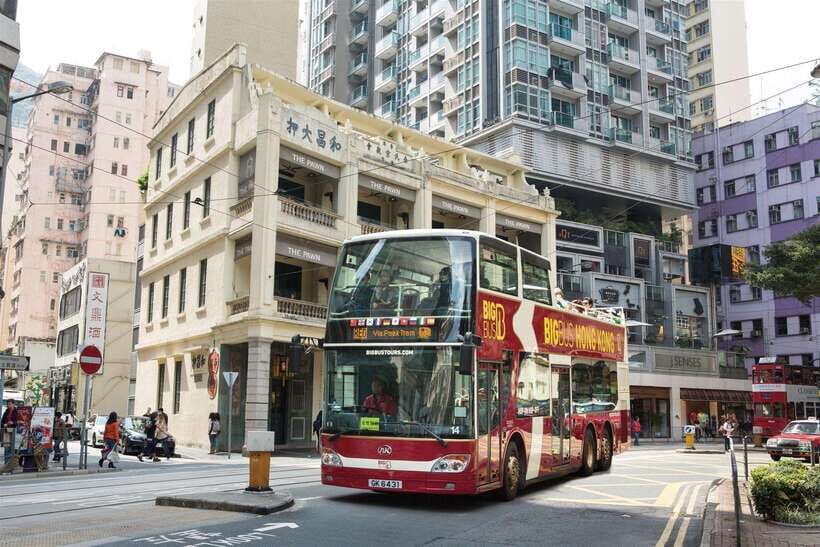
See Hong Kong Island, Stanley and Kowloon by open-top bus, with a Star Ferry crossing and optional Peak Tram, water taxi or sampan visit.
Hong Kong’s best first look may come from above street level, with skyscrapers, temples and harbour views unfolding from an open-top double-decker. I like that this pass links Hong Kong Island, Stanley and Kowloon, and that every ticket includes a Star Ferry journey across Victoria Harbour.
I also like the choice built into the 48-hour ticket: add the Peak Tram Sky Pass and Sky Terrace 428, a Hong Kong Water Taxi or a sampan houseboat visit. The main trade-off is waiting between buses. Depending on the route, the next one may be 30 to 60 minutes away, so getting off spontaneously can cost more time than you expect.

The Big Bus pass is useful less as a substitute for Hong Kong’s public transport than as a way to get oriented. It links major sights across the island and Kowloon, adds recorded commentary, and lets you decide where to pause. That can be a good bargain in time and ease, even if it costs more than getting around on ordinary transport.
The 24-hour ticket gives you access to the routes, while the 48-hour ticket gives you more time to split up the circuit and includes a choice of add-on. The listed starting price is $52 per person, but the options differ, so check exactly which ticket and ferry allowance you are selecting. Hotel pickup and drop-off are not included.
The three circuits have distinct purposes. The Hong Kong Island route takes 75 minutes for a full loop, the Stanley route takes two hours, and the Kowloon route takes 80 minutes. Those are driving times, not visit times: hopping off for a market, museum or meal will stretch your day.
Looking for more options in Hong Kong? Here are some other experiences worth considering.
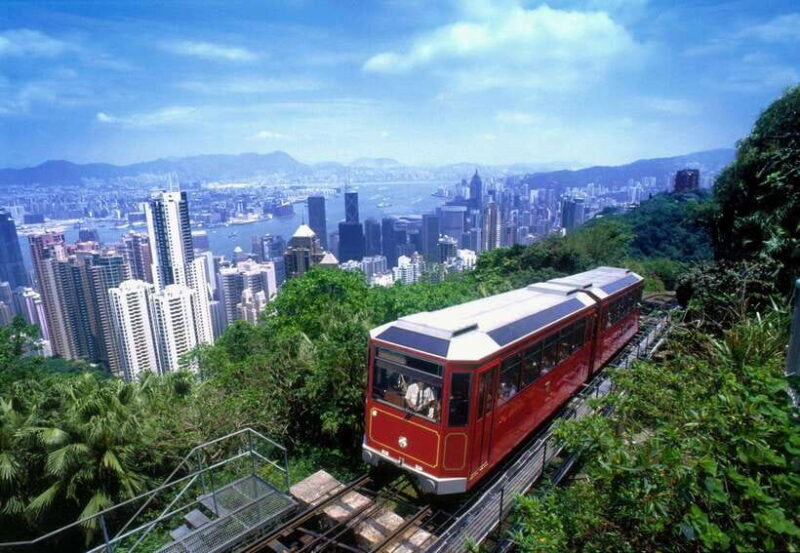
The Hong Kong Island Tour begins at Central Star Ferry Pier 7 and passes the International Finance Centre, the Hong Kong Maritime Museum and the Garden of Stars in Tsim Sha Tsui. Along the island, stops include the Central-Mid-Levels Escalator, Man Mo Temple, Tai Kwun, Lan Kwai Fong, Cat Street and the Dr Sun Yat-Sen Museum. Later, the bus reaches Causeway Bay, Times Square, Victoria Park and the Peak Tram Lower Terminus.
This route gives you a helpful mix of old and new. Central’s high-rise skyline sits close to temples and historic sites, while Causeway Bay offers shopping and a different feel from the financial district. The commentary can add context as you pass, although the bus is best for an overview. If a temple or museum is a priority, get off and give it proper time rather than expecting a view from the upper deck to do the job.
Victoria Peak is the big draw at the end of the route, but the weather can make or break the outlook. One clear practical lesson: a tram ticket does not guarantee a clear view from above. If mist or cloud rolls in, the ride may still be worthwhile for the experience, but the panorama can disappoint.
With the 48-hour ticket, you can choose the Peak Tram Sky Pass, which includes access to Sky Terrace 428. Some ticket options offer a skip-the-line benefit, but do check the specific inclusion before booking. Peak Tram queues can be a factor, and even an included pass may not remove every wait.
The Stanley Tour also starts at Central Star Ferry Pier 7, then heads past the Peak Tram Lower Terminus and Wan Chai Waterfront toward Repulse Bay, Stanley and Aberdeen. Its two-hour loop is the longest of the three, and the route runs every 30 minutes, making it the most frequent service.
The southern part of Hong Kong Island feels like a different outing from Central’s towers and shopping streets. At Stanley, you can browse Stanley Market, see Murray House, and spend time by the waterfront. Murray House is a Victorian-era building once used as British military barracks. Repulse Bay and the southern bays add a coastal pause to a city visit, while Aberdeen brings another harbour-side stop into the circuit.
I would allow a couple of hours in Stanley if markets, a waterfront drink or a slower break appeal to you. That makes this route more than a sightseeing loop, but it also means you need to watch the timetable. A bus every 30 minutes is more forgiving than the Kowloon service, yet a missed departure still affects your plans.
The route also passes Ocean Park. If you plan to visit, check how much time you want there before setting off; the two-hour figure is for the complete bus circuit, not a visit to the attraction. As with every stop, your own timetable depends on how long you stay off the bus.
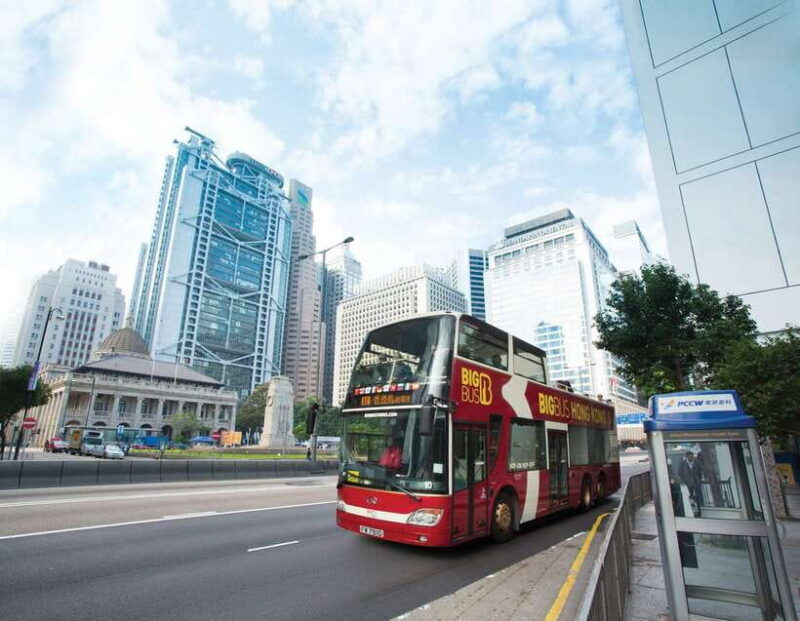
Across the harbour, the Kowloon Tour starts around K11 MUSEA and the Tsim Sha Tsui Promenade, then includes the Peninsula, Canton Road and the Clock Tower. Farther along are Temple Street, Tin Hau Temple, the Wholesale Fruit Market, Langham Place and Ladies’ Market. The route also reaches M+ Museum, the Hong Kong Palace Museum and Hong Kong West Kowloon Station.
This circuit is a good counterpoint to the island routes. You can see landmark architecture and waterfront sights, then move into streets associated with markets, temples, shopping and food. M+ and the Hong Kong Palace Museum give the route a strong cultural side, but leave enough time for a museum visit if either is on your must-see list. A bus loop alone will not replace time inside.
The Kowloon route runs every 60 minutes, the longest interval in the schedule. That makes it less suited to casual hopping than the Stanley route. Check the app before you get off, and consider riding a full circuit first if you want to understand the route before choosing stops.
Sky100 Observation Deck is listed among the route stops, but it is currently closed. Do not build your plans around a visit there unless its status has changed by your travel date.
More Great Tours Nearby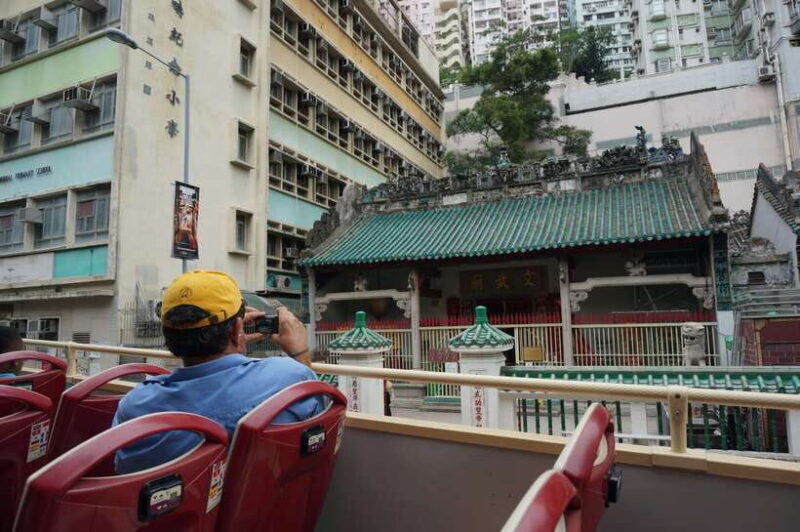
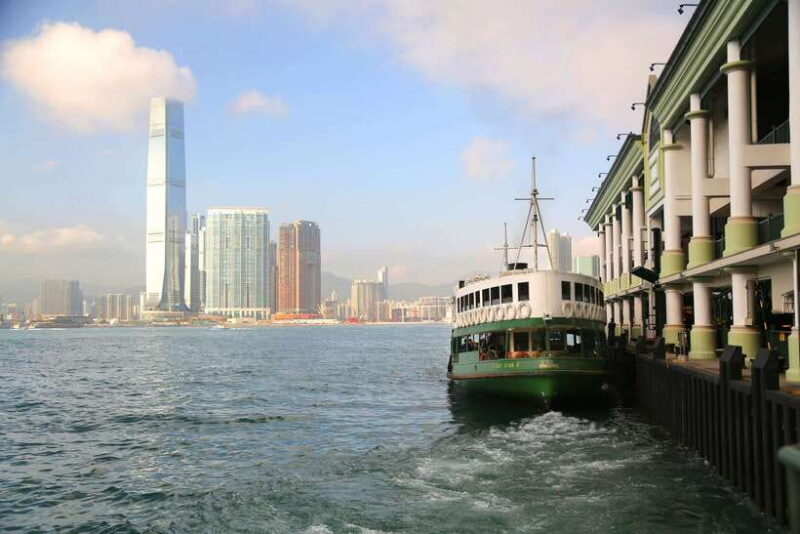
Every ticket includes a Star Ferry journey across Victoria Harbour. The allowance depends on the option: Discover includes one single journey, Essential includes one return journey, and Explore includes two return journeys. Check the wording when booking, especially if you are staying in Kowloon and want to use the ferry to reach Hong Kong Island.
The crossing is a simple, practical way to move between the two sides, but it is also a memorable view of the harbour and skyline. It pairs naturally with a bus route: ride one side, cross by ferry, then continue exploring from the other. If you are redeeming a voucher for ferry tickets, plan where that exchange takes place before setting out. A ticket that needs to be collected in person can complicate an otherwise simple crossing.
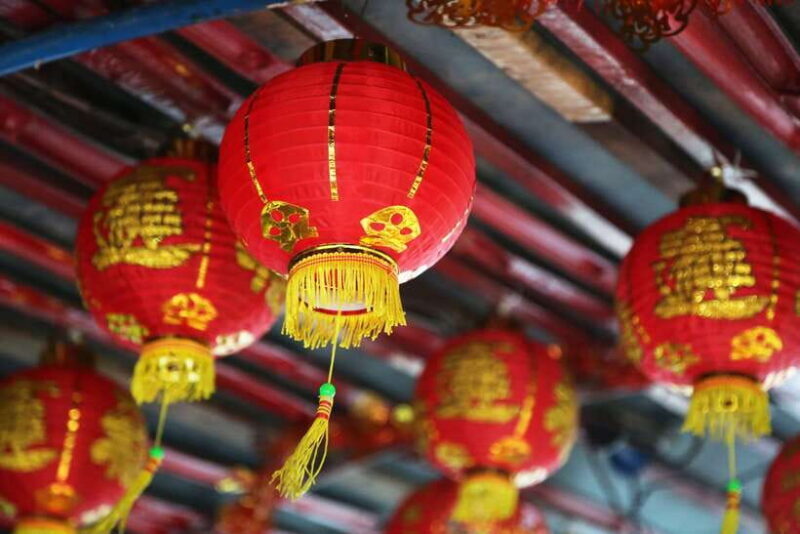
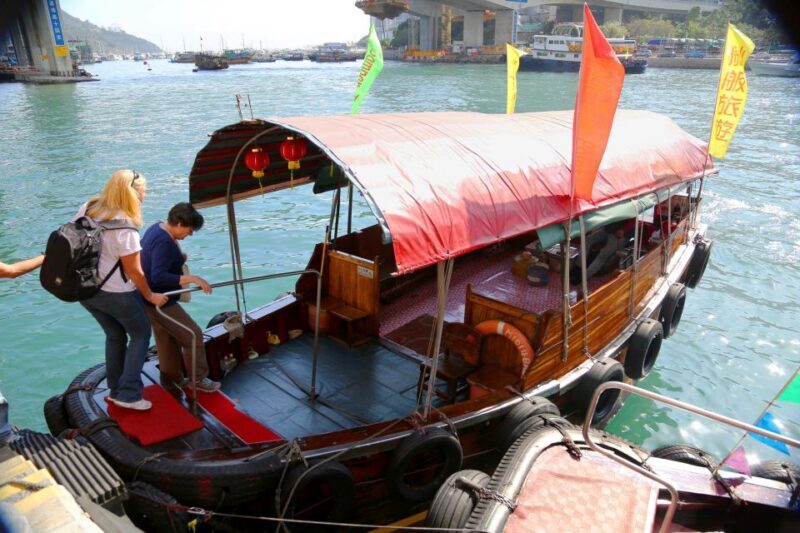
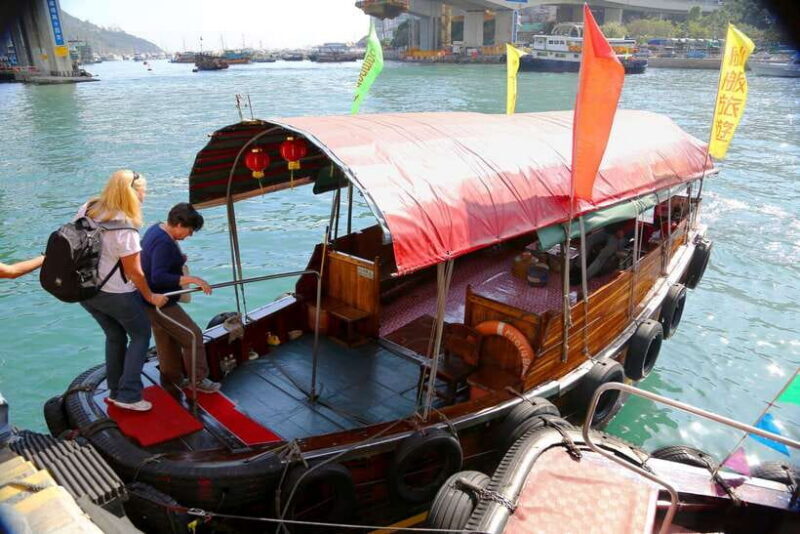
The 48-hour pass lets you select one of three add-ons when you activate your ticket at a Big Bus service point: the Peak Tram Sky Pass, Hong Kong Water Taxi or sampan houseboat visit. You do not have to settle on the add-on in advance, according to the ticket details, but check availability and the exact terms when you activate.
The Peak Tram choice is the most obvious fit if Victoria Peak is high on your list. The Sky Pass includes Sky Terrace 428, though weather can limit the view and queues are still worth considering. If you have already arranged a separate tram ticket, compare what the add-on actually provides before choosing it.
The water taxi or sampan visit may suit you better if you want a harbour experience beyond the Star Ferry. The sampan option adds a different kind of boat outing, while the water taxi offers another way to see the harbour. The supplied details do not give the exact departure times or duration for either add-on, so confirm those on the day rather than assuming they fit neatly between bus loops.
The best approach is to treat the bus as a sightseeing framework, not as a precise, rapid transit service. Start early enough to leave room for a missed bus, especially on the Kowloon circuit, which comes around once an hour. For a short visit, do one route as a full orientation loop, then use your remaining time for the stops that matter most.
The free Big Bus app can show stop locations and live bus positions. It is worth downloading before you head out, because the stop maps may not make it easy to judge your location at a glance. Keep the route map handy too, and note your stop’s name before getting off. This simple habit helps when you are deciding where to rejoin the service.
You can listen to digital commentary in nine languages, and headphones are provided. Bring your own if you prefer. The buses are wheelchair accessible, and infants aged two and under travel free without a ticket.
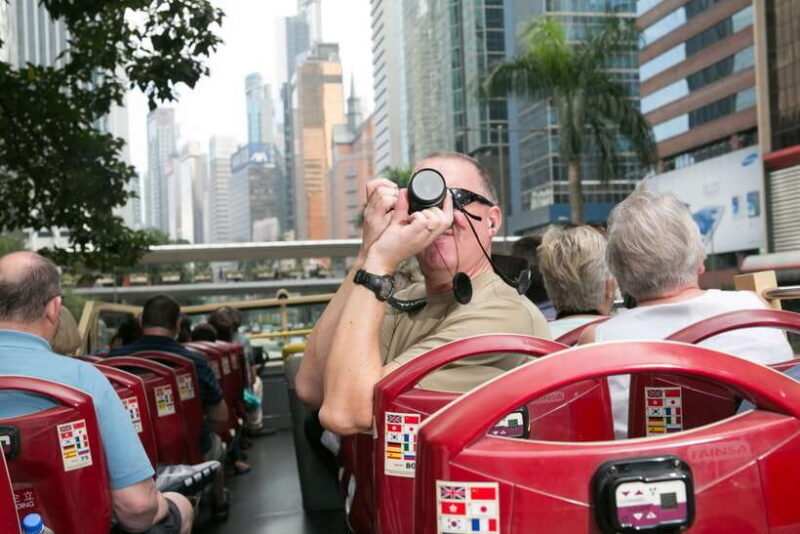
Weather deserves a little thought. The upper deck offers the best open views, but summer heat can make it uncomfortable; moving downstairs gives you shade, though less of the outlook. Rain gear may be useful, and the upper deck can feel chilly in cooler weather. Pack for the conditions rather than assuming an open-top bus will be pleasant all day.
Hong Kong has inexpensive public transport, so this is not the cheapest way to move around. The value comes from the combination of guided orientation, three sightseeing routes, the Star Ferry and, with the right 48-hour ticket, one extra experience. You are paying for convenience and context as much as for the ride itself.
For a first visit or a short stay, that can make good sense. The bus helps you understand how the main districts relate to one another, and the commentary gives landmarks more meaning than a quick glance from a taxi. The 48-hour option is more useful if you want to explore at a gentler pace and make time for an add-on. If you plan to stay on the bus for only one circuit, compare the cost with what you value in a guided overview.
The strongest parts are the range of routes, the southern-island outing to Repulse Bay and Stanley, and the included ferry crossing. The main weaknesses are the gaps between buses, particularly on Kowloon, and the fact that weather can blunt the Peak view. Set expectations around those limits and this is a practical way to see a lot without having to plan every connection yourself.
Book it if this is your first time in Hong Kong, you have limited days, or you want an easy overview before choosing where to spend more time. The Green Route is especially useful if you want to see the quieter southern side of the island, while the Red and Blue routes cover central sights and Kowloon’s markets and museums.
Skip it if your plans are already built around a few specific places and you are comfortable using local transport. For the best value, use the app, plan around the bus intervals, and choose the 48-hour option only if you expect to use its extra time and add-on. Most of all, check the ferry allowance and Peak Tram details for your selected ticket before you pay.
“The Hop on Hop off tour was ideal for seeing a large amount of Hong Kong in a short time!”
The Hong Kong Island route takes about 75 minutes, the Stanley route about two hours, and the Kowloon route about 80 minutes for a full circuit.
The Hong Kong Island bus runs every 45 minutes, the Stanley bus every 30 minutes, and the Kowloon bus every 60 minutes.
Discover includes one single journey, Essential includes one return journey, and Explore includes two return journeys. Check your selected ticket option.
You can choose one of the Peak Tram Sky Pass, Hong Kong Water Taxi or Sampan Houseboat visit. You can select your add-on when activating your ticket at a Big Bus service point.
The audio guide is listed in Spanish, Chinese, English, French, German, Italian, Japanese and Korean, with nine languages in total.
Yes. All buses are wheelchair accessible.
You can cancel up to 24 hours in advance for a full refund. The activity also offers reserve now and pay later.
You can check availability for your dates here: