Physical Address
304 North Cardinal St.
Dorchester Center, MA 02124
Physical Address
304 North Cardinal St.
Dorchester Center, MA 02124

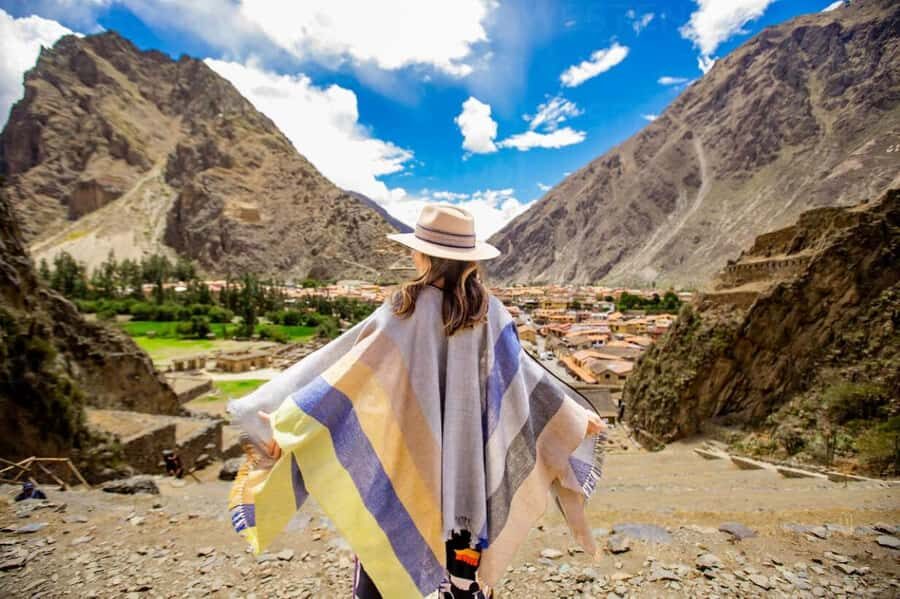
Compare this $28 Sacred Valley day trip: weaving in Chinchero, Inca terraces at Moray, Maras salt pools, a buffet lunch, and Pisac and Ollantaytambo.
The draw is the range: in one day, you see how Andean life connects weaving, farming, salt production, and Inca architecture. I like that the guide gives context at each stop, and I like the included buffet lunch in Urubamba, a welcome pause between site visits.
The trade-off is time. This is a fast-moving 12-hour outing, with about 20 to 60 minutes at most stops, plus long drives. If you want to explore every corner of the ruins or browse markets at leisure, choose a slower, multi-day plan.
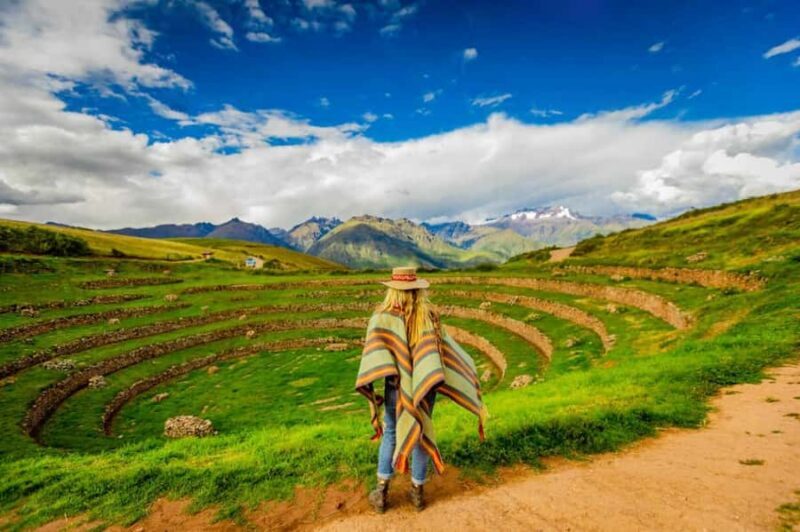
At $28 per person, the tour is built for coverage rather than lingering. You move from a textile demonstration to Inca terraces, salt pools, a buffet stop, and two major archaeological sites. That variety is the main reason to consider it, especially if your time in Cusco is short.
The value is not simply the number of stops. A guide can connect the places: how local fibers and natural dyes are used, how the Incas made use of different growing conditions, and how salt is still gathered at Maras. You get a useful introduction to the valley’s working traditions as well as its monumental ruins.
The pace has a cost. The scheduled visits range from 20 minutes at Moray to one hour each at Ollantaytambo and Pisac, with Chinchero and Maras also brief. That leaves time to see the main features and hear an explanation, but not to wander at your own speed.
Looking for more options in Cusco? Here are some other experiences worth considering.
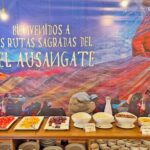
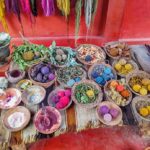
Chinchero opens the day with a textile center and a look at Andean weaving. The demonstration focuses on traditional techniques, natural fibers, and dyes made from local plants and minerals. It gives you a practical way to understand a craft that can otherwise be easy to admire without knowing how it is made.
Plan on roughly 25 minutes here, including the visit, guided explanation, free time, and shopping. That is enough for an introduction, not an extended workshop or a long browse. Some stops include opportunities to buy local goods, so decide in advance if you want to shop or simply watch the demonstration.
The tour’s balance between cultural demonstrations and archaeological sites is useful, but it may not suit everyone. If you would rather spend more time at ruins, you may find the sales-oriented parts of the day less compelling. The stops are part of the schedule, though, and can add a human, contemporary dimension to the ancient sites.
Moray’s circular terraces are the day’s clearest look at Inca agricultural ingenuity. The terraces descend in rings, creating different growing conditions at different levels. Your guide explains how this layout may have helped the Incas experiment with crops and microclimates.
The planned visit is about 20 minutes. That is a short stop for a striking site, so listen to the explanation early and leave time for photographs. You can take in the shape of the terraces quickly, but the tour does not leave room for a long walk around them.
For me, Moray works best as part of the wider sequence. After hearing about fiber and dyes in Chinchero, you see another way people adapted local resources and conditions. If you are especially interested in archaeology, this is one of the places where a slower visit could be worthwhile.
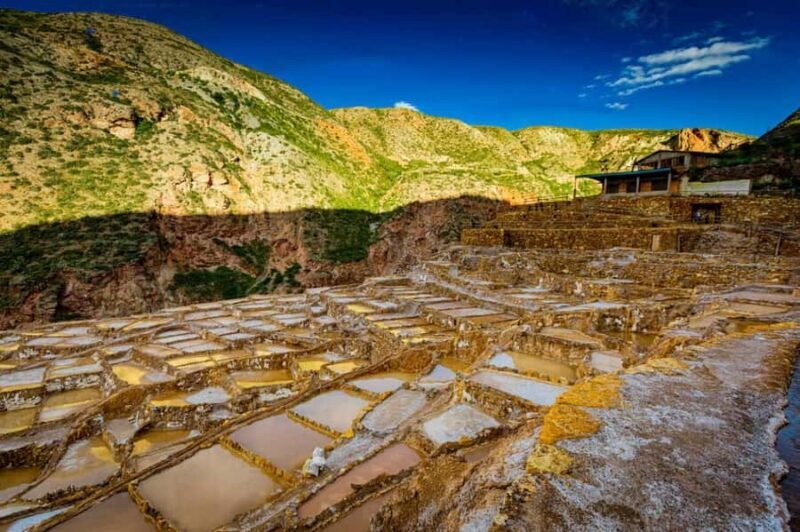
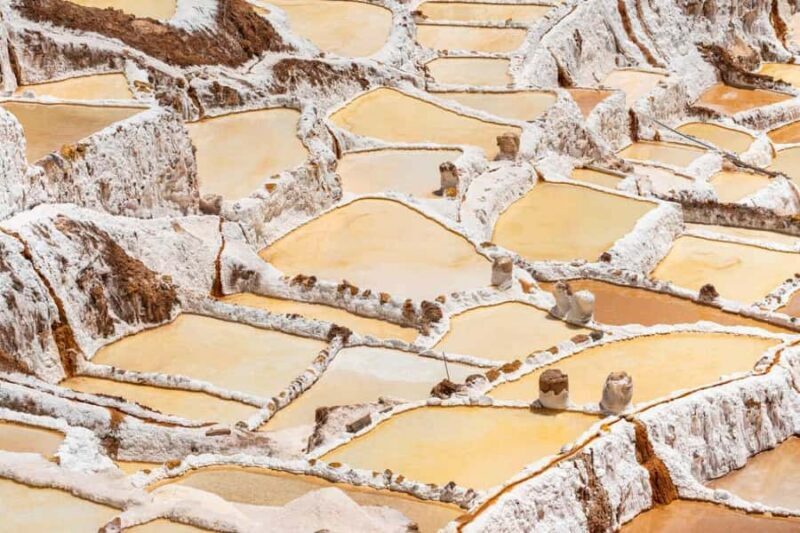
At Maras, thousands of small salt pools are fed by an underground spring. The site is not just an archaeological stop: the pools are still used, and the salt has been an important local product. The pattern of shallow pools across the hillside makes this one of the day’s most distinctive views.
The scheduled visit lasts about 30 minutes and includes sightseeing, a guided stop, and shopping. It is enough to see the pools and learn how the site functions, but not to spend a long time following every path. The walk and photo opportunities are part of the appeal, so keep your camera ready.
There may be a shop stop alongside the visit. If you want to buy salt or chocolate, compare prices before committing. One useful tip from the tour experience: similar products may cost less at Cusco’s San Pedro or San Blas markets than at a workshop stop. You are under no obligation to buy.
The salt mine entrance fee is separate from the tour price. Set aside S/20 for it, in addition to the tourist ticket required for the archaeological sites.
More Great Tours Nearby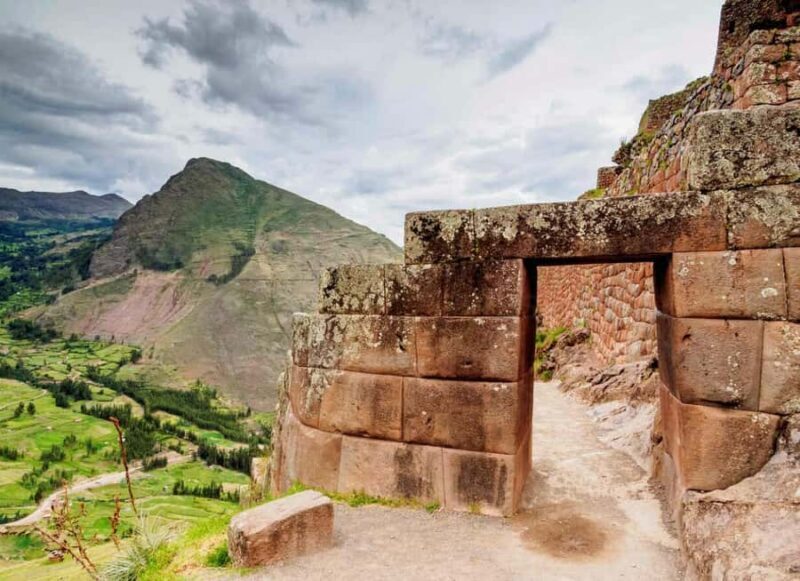
Urubamba is the midday break, with about 50 minutes set aside for lunch. The included buffet is a strong practical feature at this price. It saves you the trouble of finding a restaurant during a tightly timed day, and the meal is often singled out as a highlight, with a scenic setting mentioned as part of the appeal.
Drinks are not included, so bring cash if you want something beyond the meal. The stop is short enough that you should not count on a leisurely market visit as well as lunch. Urubamba is described as the heart of the valley and has a local market, but the tour’s schedule leaves limited time to browse.
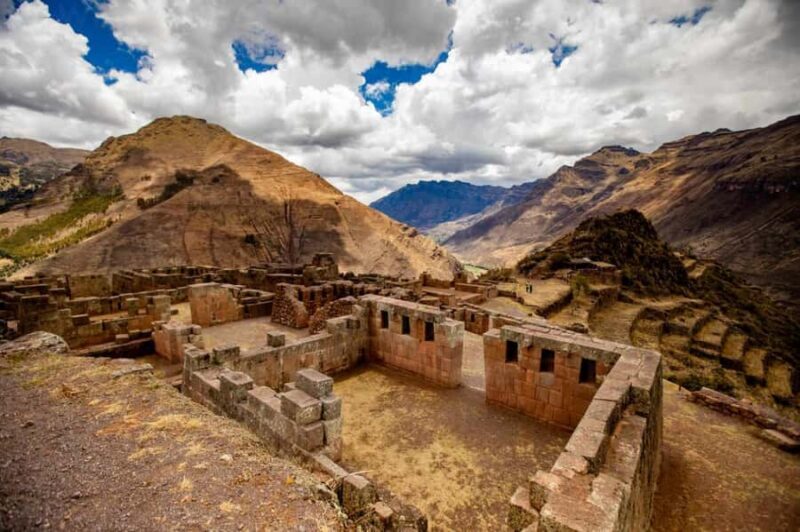
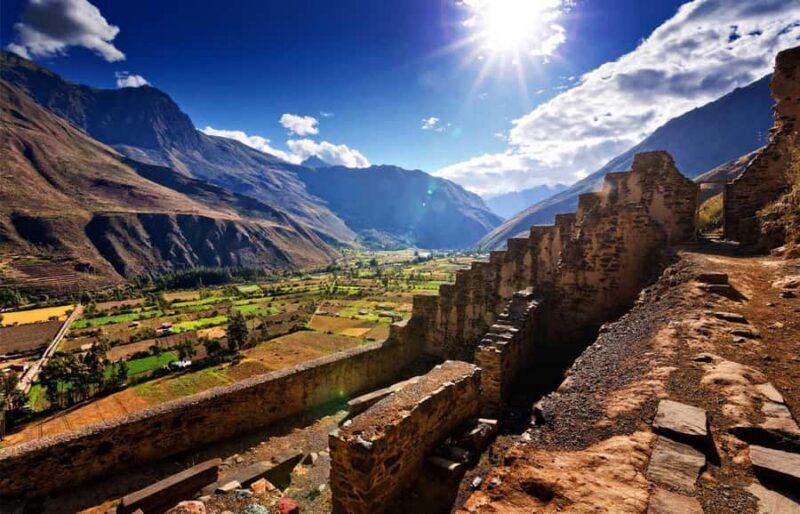
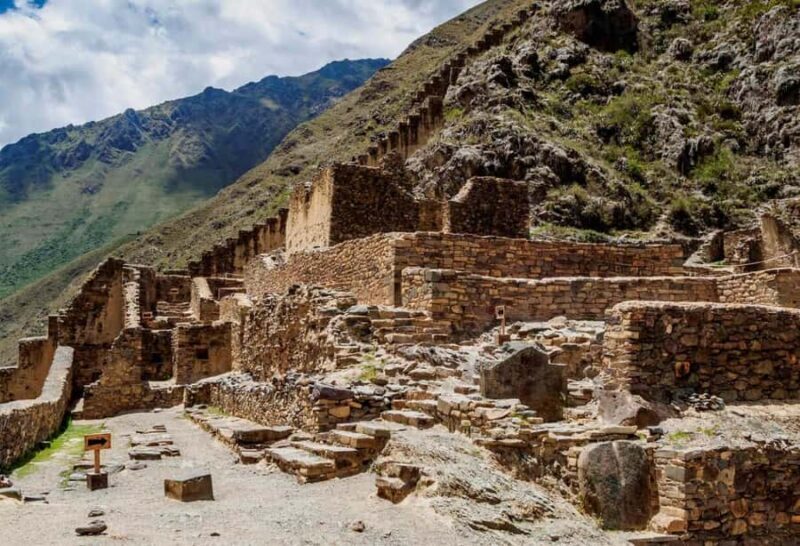
Ollantaytambo combines an impressive fortress with a town that still preserves its original urban layout. The stone temples, cobbled streets, and steep steps give this stop a different feel from the open terraces at Moray. It is a substantial visit, with about an hour scheduled for a guided tour, free time, and sightseeing.
The steps can make this the most physically demanding part of the day. One person with asthma found the pace brisk, so tell your guide if you need to slow down. Comfortable walking shoes are sensible, and you should be ready to keep moving so the group can stay on schedule.
If you want to continue to Machu Picchu, a special option can end in Ollantaytambo around 3 p.m., where you can board a train to Aguas Calientes. This can save a return journey to Cusco, but it changes the normal day plan. Confirm the end point, timing, luggage arrangements, and train plans directly before booking. Do not assume the standard Cusco return is included in this option.
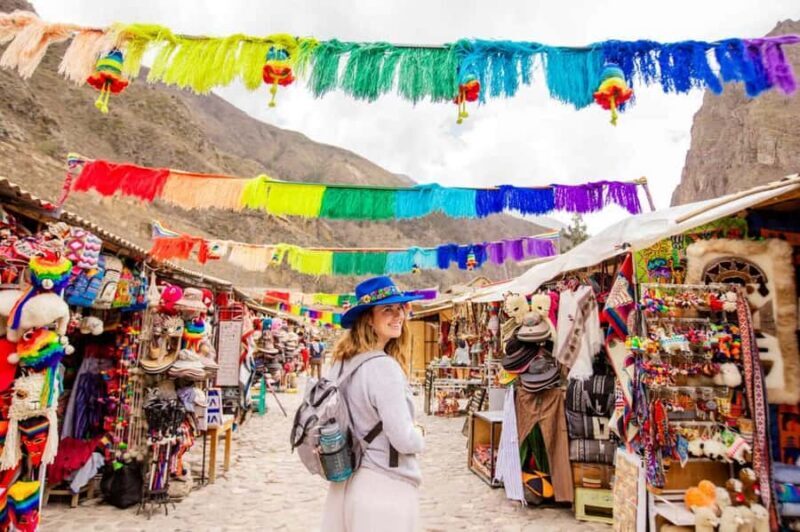
Pisac pairs hillside Inca ruins with a colonial town below, known for its artisan market. The ruins are the final major stop on the standard route, with about an hour allocated for the guided visit. You get a last look at the valley’s archaeology and scenery before the drive back to Cusco.
The hilltop setting can be cold and windy, so pack a layer even if the morning feels warm. The time limit also matters here: an hour is enough for an introduction and a focused walk, but not a thorough visit to every corner or a relaxed market browse. If Pisac is the place you most want to explore, a separate visit would give you more freedom.
The standard schedule then allows about 45 minutes for the return to Cusco, though traffic and the day’s timing can affect the trip. Drop-off points include the main square, Centro Histórico, Mercado Central de San Pedro, Plazoleta de San Blas, Plaza Regocijo, and Santa Ana.
On a tour that covers this much ground, a clear guide is more than a bonus. The strongest experiences described by customers name guides such as Victor, Edith, Rudy, and Samuel, and praise their explanations in both English and Spanish, practical directions, and ability to keep the group moving. Names are not guaranteed, but the tour is offered with a live English- or Spanish-speaking guide.
The guide’s timing matters. Several accounts describe the day as well organized, with clear instructions at each stop and smooth coordination between the sites. Some guides also help with photos and point out practical details such as restroom options. That kind of care is valuable when you are changing locations all day and have little spare time.
Transport is shared, with private or small-group options also available. Experiences of comfort vary: some people found the vehicle comfortable, while one person found the legroom tight on a long day. If space matters to you, ask about the vehicle and group size before booking rather than assuming every departure is alike.
Pickup is also option-dependent. The information gives a hotel pickup window of 6:00 to 6:30 a.m. in one place, and a Plaza de Armas meeting time of 7:20 a.m. in another. Confirm your exact start point and time after selecting an option. Some narrow streets may require you to walk to a nearby pickup spot.
The base price includes shared tourist transport, hotel pickup where selected, a professional guide, the Chinchero textile center visit, and the buffet lunch in Urubamba. For a full day with transport and a meal, that is good value, especially if you would otherwise need to arrange several separate rides.
The main extra cost is admission. The tourist entrance ticket is listed at S/70, and the Maras Salt Mines entrance ticket is S/20. Drinks are also extra. Add these fees to the headline price when comparing tours, and bring cash as advised.
If you are also planning a Cusco city tour, compare the entrance ticket options before buying. A tour participant noted that a full tourist ticket at S/130 may be more economical than purchasing two partial tickets at S/70 each, depending on your plans. Ticket rules and prices can change, so check the current options locally.
I would choose this if I had only one day for the Sacred Valley and wanted a guided overview without planning each transfer myself. It suits people who enjoy a brisk schedule, want a mix of archaeological sites and living craft traditions, and are happy to accept short visits in exchange for seeing more.
It is also a practical choice for solo visitors. The shared format gives you a planned day and a guide to help make the stops straightforward. The buffet lunch and organized transport reduce the number of details you need to manage on your own.
I would think twice if you prefer long, unhurried visits, want substantial time in Pisac’s market, or need a slower walking pace. If one site matters most, a separate trip focused on that place will give you more time and less pressure. The long day is manageable for many people, but it is still a long day.
Book this tour if your priority is seeing the main Sacred Valley stops in a single day, with a guide, transport, and lunch arranged. Its best features are the range of places, the practical explanations, and the value of the included meal. Just budget for entry fees, expect a brisk pace, and confirm your pickup or Ollantaytambo end option before you go.
If you have more than one day, consider splitting the route. You will gain time at the ruins and markets, and you will not have to choose between lingering and keeping up with the schedule.
“This was a wonderful trip! Our guide Victor was great. He was knowledgeable and made the trip very fun. The sites we visited were beautiful. If you…”
The activity lasts about 12 hours. The standard day begins early and is scheduled to return to Cusco around 6:30 p.m.
The start depends on the option you select. Hotel pickup is described as taking place between 6:00 and 6:30 a.m., while another meeting instruction gives Plaza de Armas at 7:20 a.m. Confirm your exact time and location with the selected option.
The listed stops are Chinchero, Moray, the Maras Salt Mines, Urubamba, Ollantaytambo, and Pisac. Urubamba is the lunch stop.
Yes. A buffet lunch in Urubamba is included. Drinks are not included.
No. The tourist entrance ticket is listed at S/70, and the Maras Salt Mines ticket is S/20. These fees are separate from the tour price.
The live tour guide is offered in English and Spanish.
Yes. A special option can end in Ollantaytambo around 3:00 p.m. for people continuing by train to Aguas Calientes. Confirm the option and timing before booking.
You can check availability for your dates here: