Physical Address
304 North Cardinal St.
Dorchester Center, MA 02124
Physical Address
304 North Cardinal St.
Dorchester Center, MA 02124

Ride camels at sunset, sleep in a Zagora desert camp, and visit Ait Ben Haddou on this value-minded two-day trip from Marrakech.
The best part of this two-day trip is the change of pace: Marrakech’s lanes give way to High Atlas passes, palm groves, old kasbahs, and an evening ride by camel into the Zagora desert. You sleep in a private tent, share dinner around a campfire, and can wake for sunrise before riding back to the road.
I like the mix of Ait Ben Haddou’s mud-brick kasbah and film-set history with the warm welcome at the desert camp. The main drawback is the drive: you spend many hours in a minibus over two days, and lunch and drinks are extra.
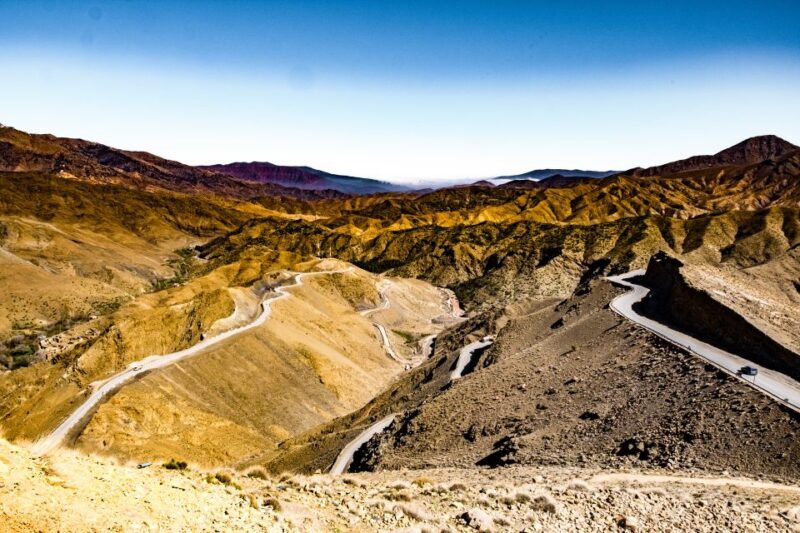
Pickup is from your Marrakech hotel or riad, with the tour starting around 7 a.m. The route crosses the High Atlas Mountains through the Tizi n’Tichka pass. You get changing views along the way, from mountain roads to settlements and open country, with stops for photos, toilets, refreshments, and water.
The minibus or minivan is air-conditioned, and onboard Wi-Fi is included. Still, this is a long drive, not a quick transfer. Plan for several hours on the road in each direction. The breaks help, but if you get carsick, bring whatever you normally use and choose your seat with that in mind.
The driver-guide can speak English or French, and the activity information also lists Spanish for the multilingual driver-guide. The quality of the commentary can shape the drive, since a good guide can put the villages, mountain routes, and Berber culture into context. Past departures have included guides such as Said, Mustapha Fadli, and Housayn Imlil, but you should not expect a particular person unless the operator confirms it.
For more Marrakesh culinary adventures, you might enjoy these food and drink experiences
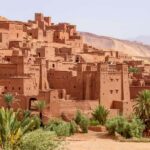
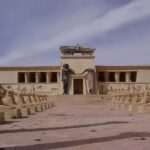
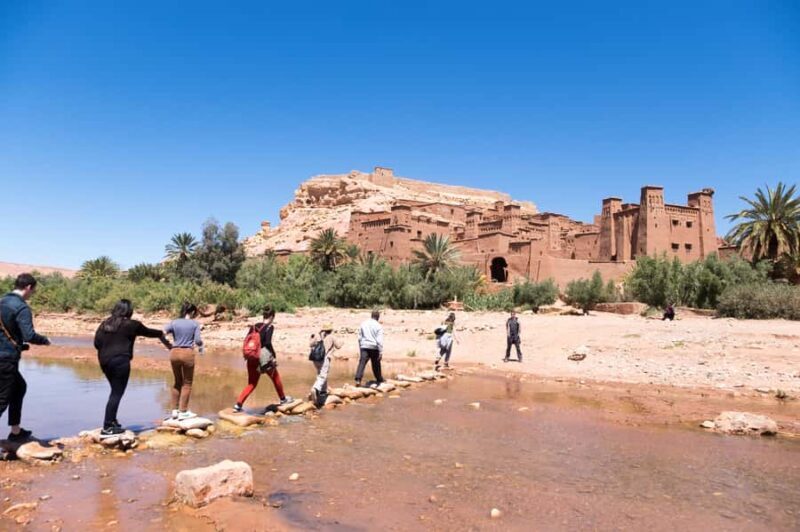
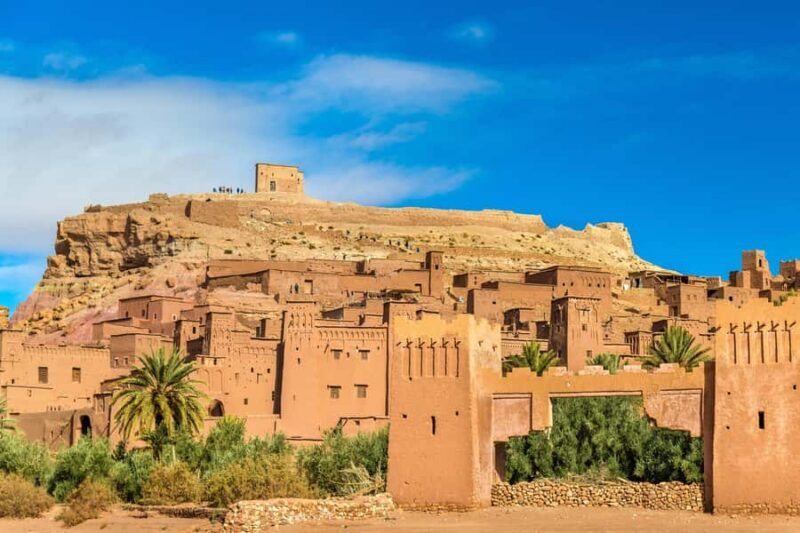
Ait Ben Haddou is the first major stop, and it earns its place in the itinerary even if you have seen it on screen. The fortified village is a UNESCO-listed site, with earthen buildings and kasbahs that make the route feel very different from Marrakech. It has served as a setting for productions including Gladiator and Game of Thrones, but the best reason to visit is to see the settlement itself.
You have time to explore and eat lunch. A local guide is optional, with a small extra charge of about €2 to €3 per person. A guide can explain the site and its architecture; if you prefer to wander at your own pace, you can do that too. Bring cash for lunch and any extras. Meals and drinks during the road journey are not included, and meal stops can be busy or slower than you might like.
The stop also has a commercial side. Shops and sellers are part of the visit, and souvenirs may be more expensive here than elsewhere. If you want a scarf for the camel ride, buying one before the last shops can help you avoid paying more than you planned.
After Ait Ben Haddou, the route continues toward Agdez and the Draa Valley. This is a welcome change from the mountain road: the valley is known for its long palm oasis, dates, and rows of fortified kasbahs. Watch the view from the window, but take advantage of photo stops when offered. The driver may stop at scenic points along the way.
The journey takes time, and this is not a trip with long visits in every place. The Draa Valley is a scenic passage rather than a separate walking tour. If you are hoping to linger in villages or spend hours exploring each kasbah, the tight two-day schedule may feel rushed.
That trade-off is central to the trip’s appeal. You cover a lot of ground in a short time, moving from mountains to historic villages to the desert camp. It is a useful choice if you have only two days to spare and want more than a Marrakech day trip, but it is not a slow journey.
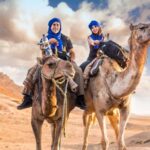
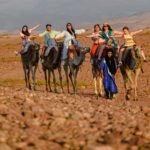
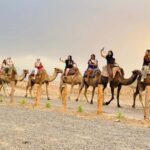
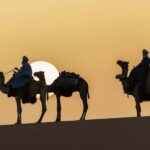
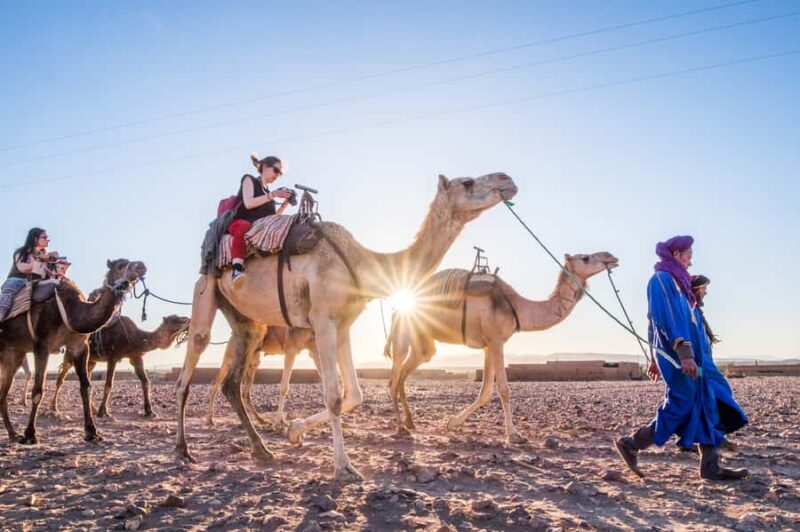
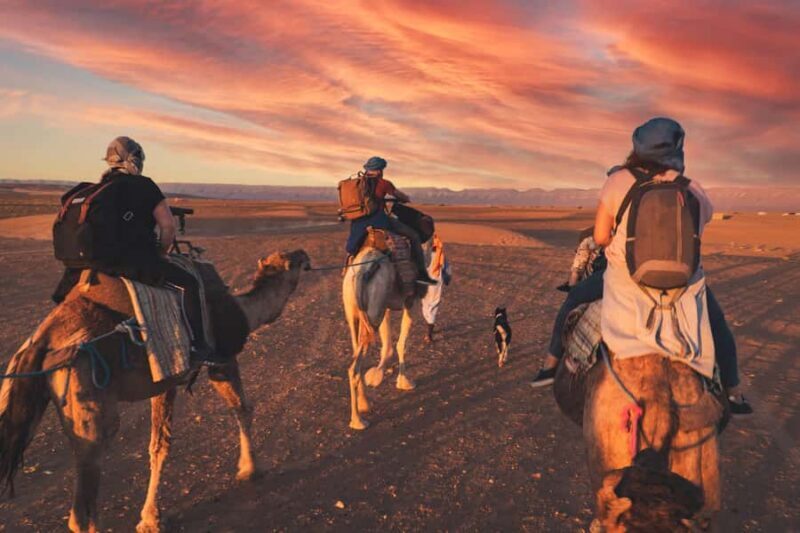
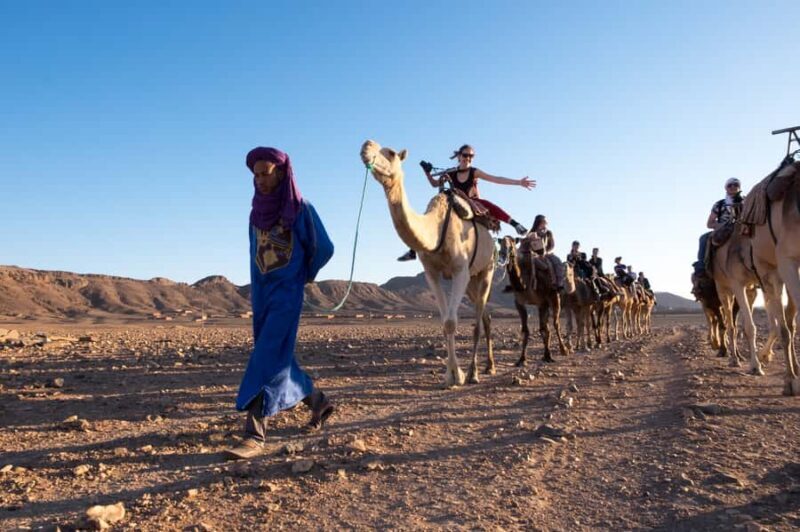
At Zagora, you meet the camel handlers and ride toward the camp as the sun sets. The route and ride time can vary, but plan for a substantial stretch in the saddle. Long pants are a smart choice: camel rides can be uncomfortable for some people, especially after the first novelty wears off.
If you would rather not ride, you can walk to camp or request a 4×4 transfer. The transfer costs €50 per vehicle, per way. The camel rides at sunset and sunrise are included across camp types, so there is no need to pay extra for the basic ride.
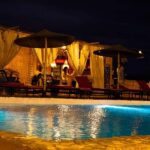
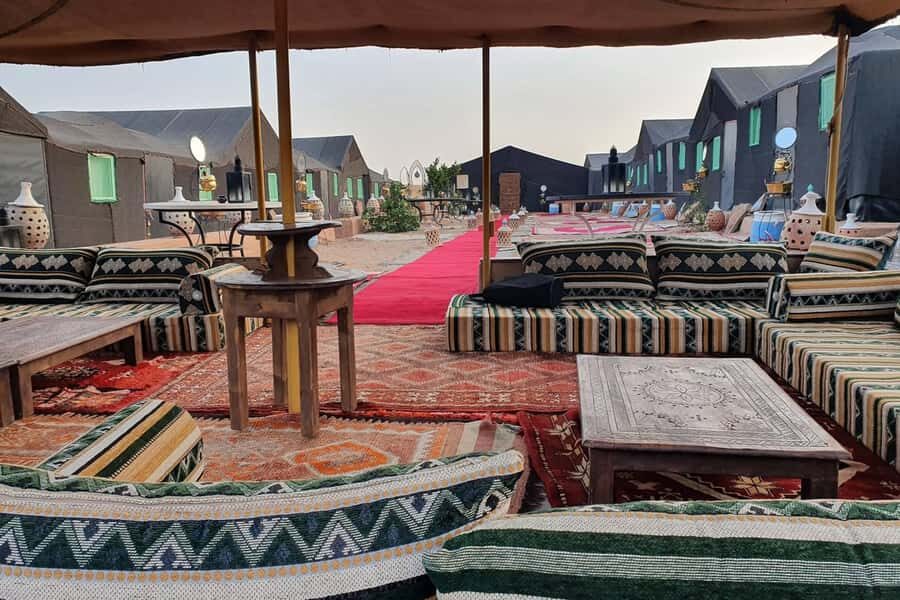
The camp stay is the emotional center of the trip. You get your own tent, but the bathroom setup depends on the version you book. Standard tents have shared facilities nearby; luxury tents have a private bathroom inside. Toilets and showers are available, though you should bring a towel if you plan to shower.
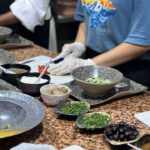
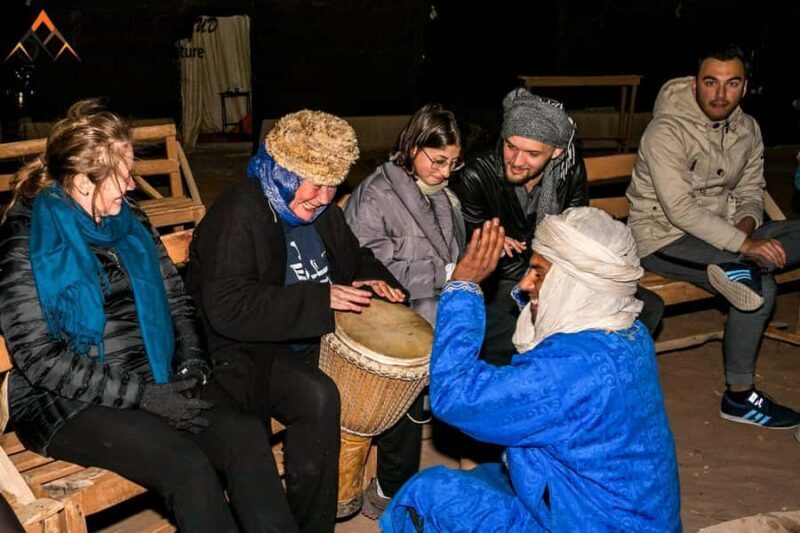
After settling in, there is time to look around before dinner. The meal is Moroccan, with vegetarian options available. Later, camp hosts play Berber drums and music around a fire. This is a shared, communal evening rather than a private performance, and its charm lies in sitting together under the open sky.
The stars can be especially striking away from city lights, and the camp setting gives you a chance to notice how quiet the desert becomes after the music winds down. Bring a warm layer even if Marrakech felt hot. Nights can be cold from November through February, and extra blankets may be available, but do not rely on summer clothing year-round.
More Great Tours Nearby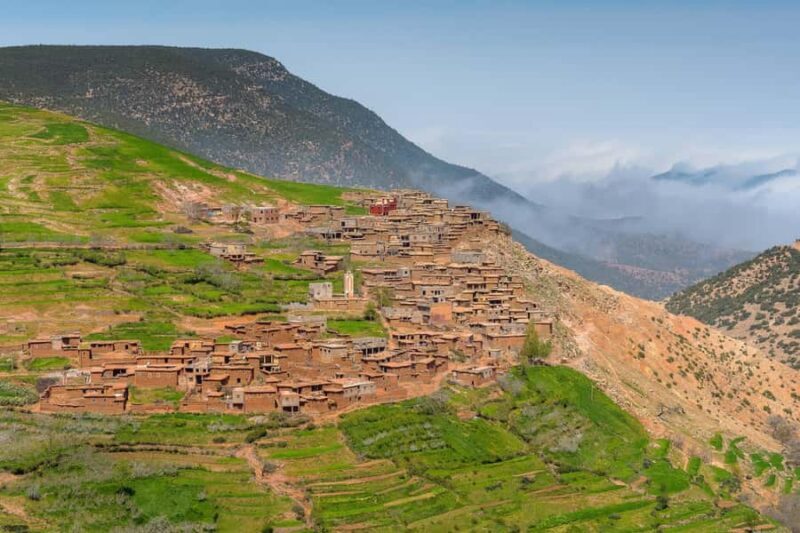
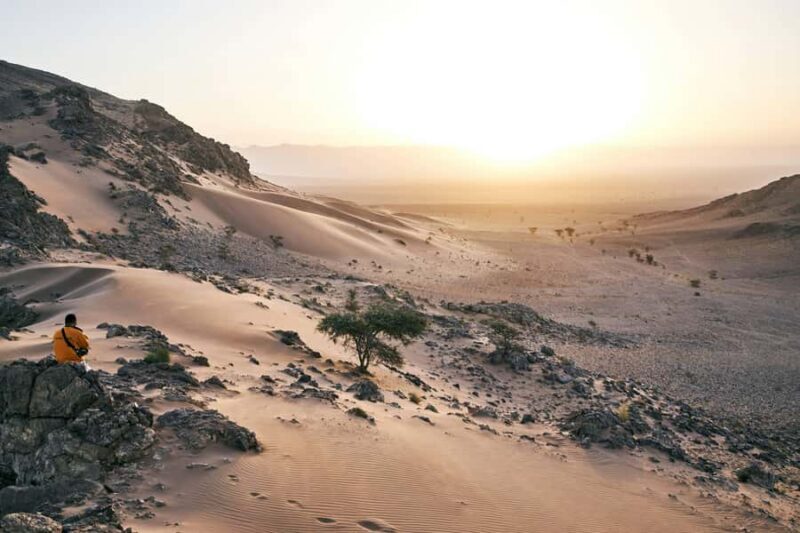
Sunrise is optional, but I would make the effort if you can manage the early start. The morning light over the hills and dunes offers a different view from the sunset ride, and the cool air is a relief in warmer months. Afterward, breakfast is served before you ride back to the main road and rejoin the minibus.
The return to Marrakech takes most of the second day, with arrival expected around 6 p.m. That estimate matters if you are planning a dinner reservation, train, or flight. Leave a buffer rather than assuming the minibus will arrive at an exact time.
Bring only a small overnight bag to the camp. Your main luggage stays in the vehicle, while you carry what you need for the night. One useful packing lesson: sort that small bag before leaving the vehicle, not when the camel caravan is ready to depart.
At $113 per person, the price covers a lot: Marrakech pickup and drop-off, air-conditioned transport, one night in a private tent, two camel rides, dinner, breakfast, campfire music, toilets and showers, and a driver-guide. You also see Ait Ben Haddou and pass through the High Atlas and Draa Valley. For someone with limited time, combining these elements in one booking can be good value.
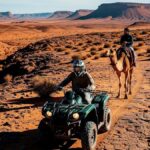
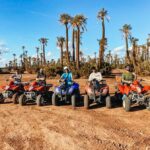
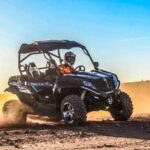
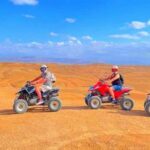
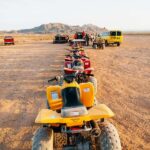
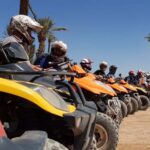
The price does not include lunch or drinks, so budget for those on both travel days. An optional local guide at Ait Ben Haddou costs about €2 to €3 per person. Quad biking is another optional extra, listed at €50 per person for a one-hour session, with at least two people required.
The low price also reflects the pace: expect a shared road trip, a packed schedule, and limited time at each stop. You are paying for a broad, memorable route, not a private expedition or a leisurely stay in the desert. If you value the combination of transport, camp, food, and camel rides more than personal space in the vehicle or extra time at each site, the price makes sense.
This tour suits you if you want a first desert-camp experience without arranging transport, lodging, meals, and camel rides separately. It is also a good fit for a short Morocco itinerary: you get a taste of mountain travel, a famous kasbah, an oasis valley, and an overnight camp in two days.
It is less suitable if long drives are a deal-breaker, if you need more time at Ait Ben Haddou, or if you want to spend multiple nights in the desert. The tour is not suitable for pregnant women. You can ask for a 4×4 transfer or walk rather than ride a camel, but the long road journey remains part of the experience.
Weather changes the packing list. June through August can be hot; November through February brings cold nights. Comfortable clothes and shoes, sunglasses, a hat, sunscreen, and a passport or copy are listed as essentials. Take enough cash for lunch, drinks, and any optional extras.
Book this trip if you are comfortable trading a lot of road time for a full, varied two-day outing. The strongest reasons to go are the High Atlas crossing, time at Ait Ben Haddou, the sunset camel ride, and the hospitable camp evening. The overnight stay and sunrise give the trip a sense of occasion that a simple drive to Zagora would not.
Skip it if you want a slow desert holiday, cannot sit through long journeys, or expect a large dune-sea setting. This is a compact Zagora experience with a busy route and shared camp atmosphere. For the price, it offers a practical way to see several sides of southern Morocco, provided you arrive ready for early starts, extra lunch costs, and plenty of time on the road.
“The tour was well planned. I would like to thank the Berber people. They were skilled, intelligent and spoke good English. I was even given a Berbe…”
It lasts two days. The tour starts around 7 a.m. on Day 1 and is expected to return to Marrakech around 6 p.m. on Day 2.
Yes. Pickup and drop-off at your hotel or riad in Marrakech are included.
Moroccan dinner and breakfast are included, with vegetarian options available. Lunch and drinks are not included.
Both camp types have private tents. Standard tents use shared facilities nearby, while luxury tents have private bathrooms inside the tents. Toilets and showers are available.
Yes. You can walk to the camp or request a 4×4 transfer. The transfer costs €50 per vehicle, per way.
Take a small overnight bag. Your main luggage stays in the vehicle.
Yes. An optional one-hour quad biking session costs €50 per person and requires at least two people.
Yes. The tour can start from Ouarzazate at no extra fee. Mention this when booking.
No. Pregnant women are listed as not suitable for this activity.
You can check availability for your dates here: