Physical Address
304 North Cardinal St.
Dorchester Center, MA 02124
Physical Address
304 North Cardinal St.
Dorchester Center, MA 02124

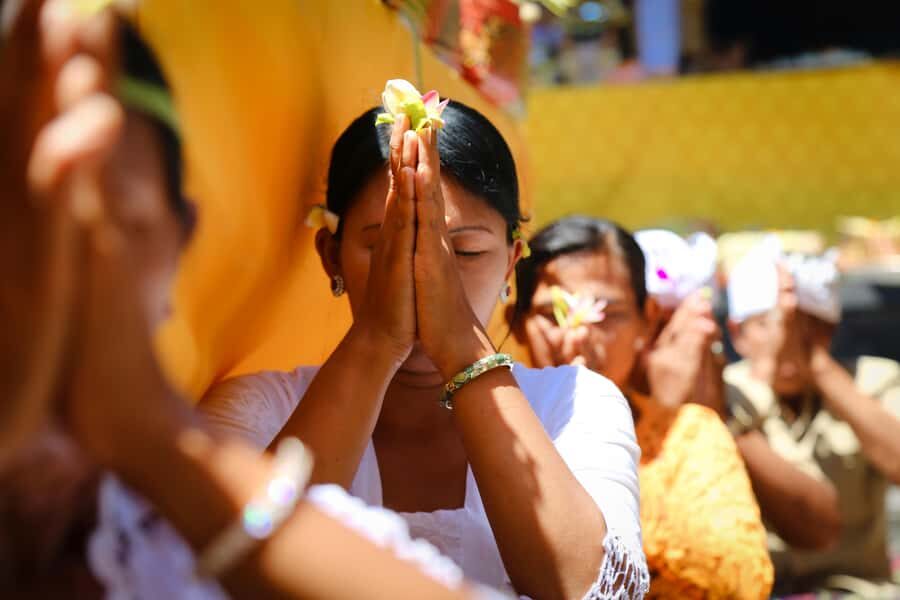
Join a Balinese shaman for traditional rituals, then learn the customs of holy spring purification at Tirta Empul or Pura Mengening.
A shamanic ritual followed by a holy spring cleansing gives this Bali day a different rhythm from a temple-and-photo-stop tour. You set a personal intention, learn how offerings are made, and follow local guidance through a Balinese purification ritual.
I like two things here: the guide explains the meaning behind the customs, so you are not left guessing what to do, and the day pairs a personal shamanic session with a visit to a working place of worship. Guides such as Dayu, Sandy, and Sagita have been praised for their patient explanations and care.
One thing to weigh: rituals and shamanic practices can be personal, and the exact session varies by practitioner. This is a spiritual and cultural experience, not medical or psychological care. Also, check which options include the healer and temple entry before booking.
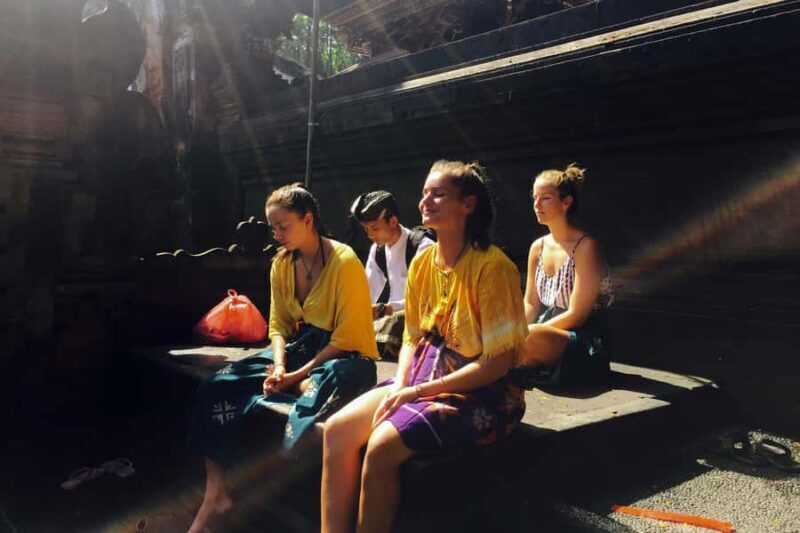
The day begins with pickup from your hotel or other accommodation in Bali, if you select that option. From there, the drive is part of the outing: your guide can introduce Balinese customs and answer questions before you reach the ritual stops. Several guides, including Gus, Sandy, and Dayu, have been praised for making the day feel relaxed and explaining local beliefs in plain terms.
Allow for Bali traffic. The tour is scheduled for eight hours, but the actual duration can shift with your pickup location, traffic, and selected options. Comfortable air-conditioned transport is included, and transport has received especially strong marks from people who booked. That matters on a full day when you may be changing clothes and carrying a towel as well as your usual day bag.
The listed itinerary includes a one-hour visit in Batuan, then about an hour and a half at Tirta Empul. The broader tour description allows for Pura Mengening instead, depending on local conditions, so confirm the planned temple and included entry when choosing an option. The remaining time covers transfers, the shaman visit, preparation, and reflection. Treat the schedule as a guide, not a promise of exact arrival times.
You might also be interested in these Bali experiences
The shaman session is the day’s most personal stop. Before the ritual begins, you are invited to share an intention or area of focus. It might be calm, balance, clarity, or simply time for reflection. The shaman then guides a Yatra, a spiritual journey shaped by Balinese practice and the practitioner’s own ancestral lineage.
There is no single fixed script. A Mantra ritual may include chanting, prayers, incense, and symbolic gestures. You are asked to observe respectfully and join in when invited. That flexibility is valuable: the session is not presented as a show for an audience, but as a practice with meaning within the shaman’s tradition.
Descriptions of past sessions vary. Some have included oil applied to the feet or body, massage, chakra work, palm readings, or numerology. Those details should not be treated as guaranteed parts of your booking. The practitioner and the session can differ, so arrive open to what is offered rather than expecting a specific reading or treatment. If you have concerns about touch, explain them to your guide or the practitioner before the ritual begins.
The visit may involve waiting if others are ahead of you. A little patience is useful, especially if the shaman is with someone else. Guides such as Dharma and Sandy have been singled out for helping explain the process and making solo participants feel at ease. Still, this is a spiritual encounter, and your comfort depends on your own boundaries as well as the guide’s support.
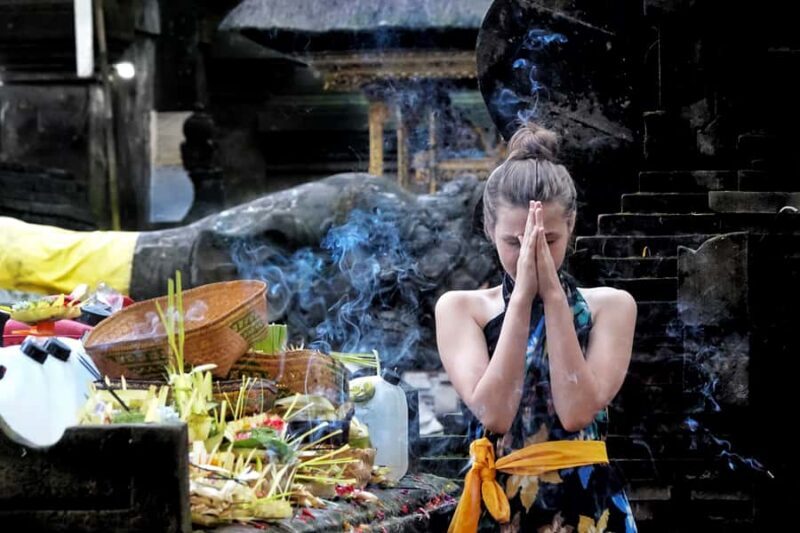
Before entering the temple grounds, you take part in Yadnya, a traditional offering ritual. Your guide explains how to prepare and present canang sari, an offering associated with gratitude and harmony in Balinese culture. It is a small but worthwhile pause: rather than treating the temple as a backdrop, you learn something about the acts of care and devotion that shape religious life here.
Follow your guide’s instructions and watch how people around you behave. This is a place of worship, not just a stop on a sightseeing route. Modest, comfortable clothing is sensible, and the supplied sarong helps you meet temple dress requirements. Take care on uneven surfaces, and wear shoes that are easy to manage.
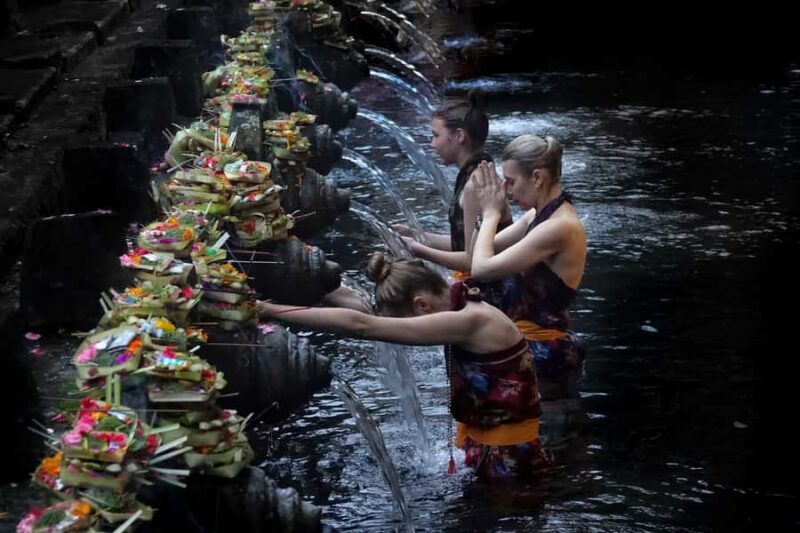
The day’s second main ritual is Melukat, a water purification performed according to local temple customs. You move through the holy spring fountains at a gentle pace, following your host’s directions. The ritual is part of Balinese religious life, and understanding the sequence makes it more meaningful than simply walking under a series of fountains.
At Tirta Empul, the temple is described as an 11th-century Hindu water temple. The spring and its fountains draw many people, so conditions can be busy. Some people have had a quiet visit, while others needed their guide’s help to navigate a crowded temple. Your guide can explain how to proceed, but the number of people and the pace of the ritual are not under the tour’s control.
Pura Mengening may be used instead, depending on local conditions. Since the temple can vary, ask which site is planned and whether the entry ticket and cleansing are included in your chosen option. The tour information specifically lists entry and cleansing at Tirta Empul when that option is selected. Do not assume the starting price covers every temple-related cost.
Bring a towel and a full change of clothes. You will want dry clothes for the return drive, and a small bag for wet items can be handy. Remove jewelry, watches, and electronics before entering the holy spring area. The tour advises against drinking the holy water, even though drinking it is common in Balinese culture.
More Great Tours Nearby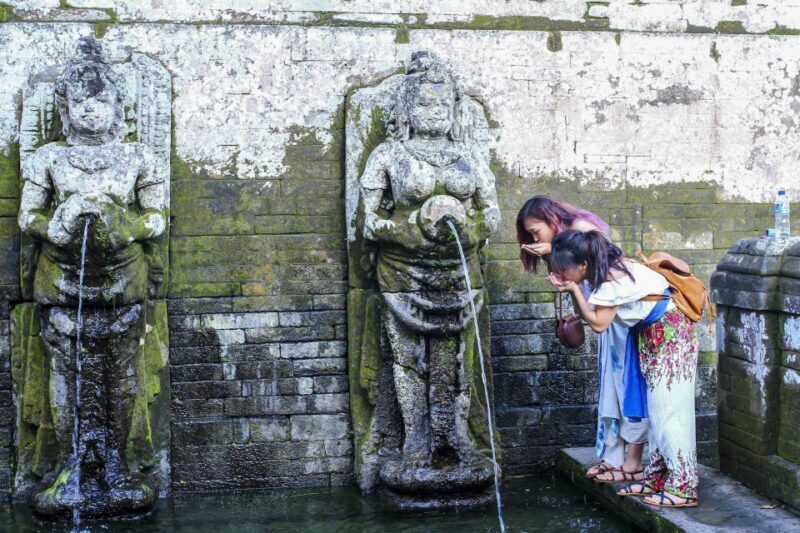
The guide’s role is more than driving between stops. You are learning when to observe, what to do with an offering, and how to approach a ritual respectfully. Guides including Dayu, Sandy, Sagita, Dharma, and Gus have been praised for explaining customs clearly, answering questions, and helping people feel safe, including solo women. Those names reflect past experiences, not a promise of a particular guide.
The tour can feel especially personal if few people have booked that day. Some people have had a private outing, but group size is not specified, so do not count on having the guide to yourself. If a quieter or more flexible pace matters to you, ask about the expected group size before booking.
Photography is another practical plus, though not a reason to put the camera ahead of the ritual. Some guides have taken photos at the temple for people who wanted them. Ask before photographing anyone or anything that may be private or sacred, and follow the guide’s lead. A camera is on the suggested packing list, but respect comes first.
At $36 per person, the starting price can be good value for an eight-hour outing that includes air-conditioned transport, a bottle of mineral water, a sarong, and, depending on the option, the shaman or healer, Tirta Empul entry, and the cleansing ritual. The value rests in having a guide explain the rituals and help you move between stops, not simply in the distance covered.
Read the options carefully before paying. The tour offers several configurations, and the listing warns that entry, cleansing, and the shaman may be included only with selected choices. If you want the full combination, choose an option that clearly includes each part rather than assuming it is all in the base fare.
Meals and personal expenses are not included. Some outings have included an extra coffee tasting, a lunch stop, a massage, or visits to places such as a coffee plantation or silver workshop. These are not guaranteed components of the core tour. Ask whether any add-on is available, what it costs, and how it changes the day’s timing before agreeing.
The experience includes free cancellation up to 24 hours in advance and a reserve-now, pay-later option. Those terms offer flexibility, but the most important booking check is still the option detail: confirm the temple, entry, cleansing, and shaman inclusions.
Comfortable clothes and shoes are the sensible starting point. You will spend time walking in temple areas with uneven surfaces, and you will need a change of clothes and a towel after the purification. Bring cash for personal expenses, and keep valuables out of the spring area.
The tour is not suitable for people with mobility impairments or wheelchair users, people with a cold, or babies under one year. Women who are menstruating are advised not to take part. If any of these points affect you, ask the operator for clarification before booking rather than making assumptions on the day.
Keep your expectations grounded, too. The shamanic session may feel significant, but the tour is not a substitute for medical or psychological treatment. If you are seeking health care, use a qualified medical professional. You can still approach the rituals with curiosity while recognizing their cultural and spiritual role.
This tour suits you if you want more than a quick temple visit and are comfortable taking part in a spiritual practice. It is also a useful choice if you value context: your guide can connect the offering, mantra, and water ritual to Balinese customs rather than leaving you to work them out alone.
Solo visitors may appreciate the hotel pickup and the guide’s support through unfamiliar rituals. Couples or friends can share a reflective day, though each person’s shaman session may be individual. If you prefer a strictly historical tour, are uncomfortable with spiritual practices, or need a fixed timetable, this may not be the right fit.
The best approach is to arrive with an open mind and clear boundaries. You do not need to adopt the beliefs behind a ritual to behave respectfully or learn from it. Listen, ask questions at an appropriate moment, and take part only as you feel comfortable.
Book this tour if you want a guided introduction to Balinese spiritual customs, value one-on-one explanations, and are willing to spend a full day on a flexible schedule. The combination of a shaman visit, canang sari offering, and holy spring cleansing gives the outing a clear purpose, while guides such as Dayu, Sandy, and Sagita have helped make unfamiliar steps easier to follow.
Skip it if you expect a guaranteed type of healing, a fixed shamanic treatment, or a quick temple stop with no waiting. Before booking, confirm that your selected option includes the shaman, temple entry, and cleansing. Bring dry clothes, a towel, cash, and a respectful attitude. That preparation is the difference between an interesting day and an uncomfortable one.
“From start to finish it was a wonderful experience. Our guide, Sandi, arrived early, and immediately got us comfortable. He was warm, open and shar…”
The tour is scheduled for eight hours. The actual duration may vary with traffic, your pickup location, and the option you choose.
The water purification takes place at Tirta Empul or Pura Mengening, depending on local conditions. Check the temple and entry details for your selected option.
Entry at Tirta Empul is included if you choose an option that includes it. The tour offers several options, so check the inclusions carefully before booking.
Bring comfortable clothes and shoes, a towel, a change of clothes, a camera if you wish, and cash for personal expenses. Remove jewelry, watches, and electronics before entering the holy spring area.
No fixed session is described. Each shaman follows their own ancestral lineage, and the ritual may vary. Share an intention before the session and follow the practitioner’s guidance.
No. The tour is not suitable for people with mobility impairments or wheelchair users. It is also not suitable for people with a cold or babies under one year.
You can check availability for your dates here: