Physical Address
304 North Cardinal St.
Dorchester Center, MA 02124
Physical Address
304 North Cardinal St.
Dorchester Center, MA 02124

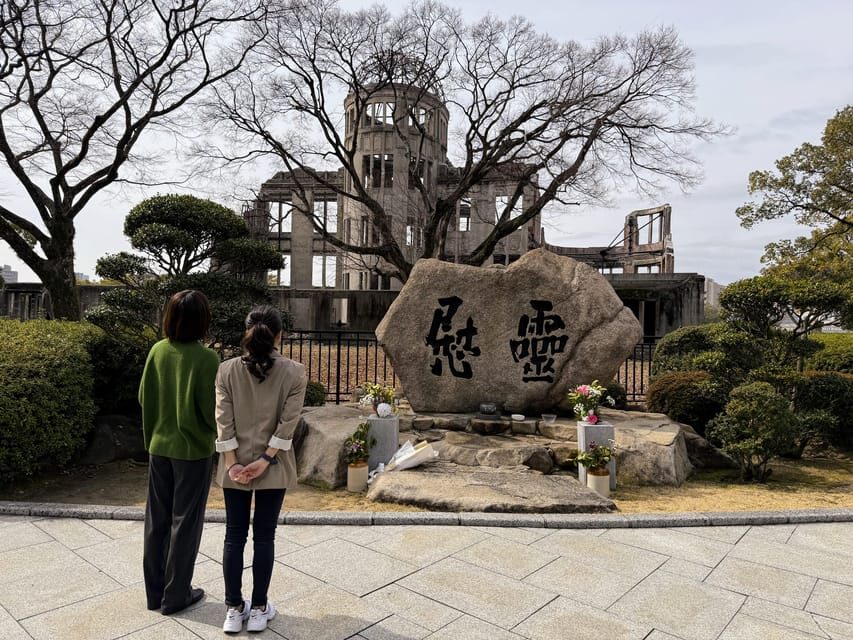
See Hiroshima’s Peace Memorial sites and Miyajima’s floating torii gate in one guided day, with coach travel, ferry crossings and optional okonomiyaki.
Hiroshima’s Peace Memorial sites and Miyajima’s shrine make a striking one-day pairing: first a clear-eyed look at the bombing and its human cost, then a ferry ride to an island of shrines, mountain views and deer. Guides such as Marin, Tomo, Rino and Mo bring the day to life with context, questions and a steady hand on the schedule.
I like the careful shift from solemn history to island scenery, and I like that coach travel, ferries and key entry fees are bundled into one day. The main trade-off is time: you get a solid introduction to both places, not a leisurely visit to every corner of Hiroshima or Miyajima.
This tour tackles two very different sides of Hiroshima in one tightly planned day. The morning is devoted to the atomic bombing and its lasting impact. After lunch, you cross to Miyajima, where a famous shrine, a temple and time to browse offer a gentler change of pace.
That contrast is part of the tour’s value. The Peace Memorial sites can be emotionally heavy, and the island is beautiful without feeling like a substitute for the history you have just encountered. Instead, the two halves help you see Hiroshima as a living place with both a painful past and a much wider cultural life.
The day lasts about eight hours, including coach rides and ferry crossings. That makes it useful if you have limited time in the region, but it also means you should not expect a slow, open-ended day at either destination. You will follow a group schedule, with guided visits and set periods of free time.
You can check availability for your dates here: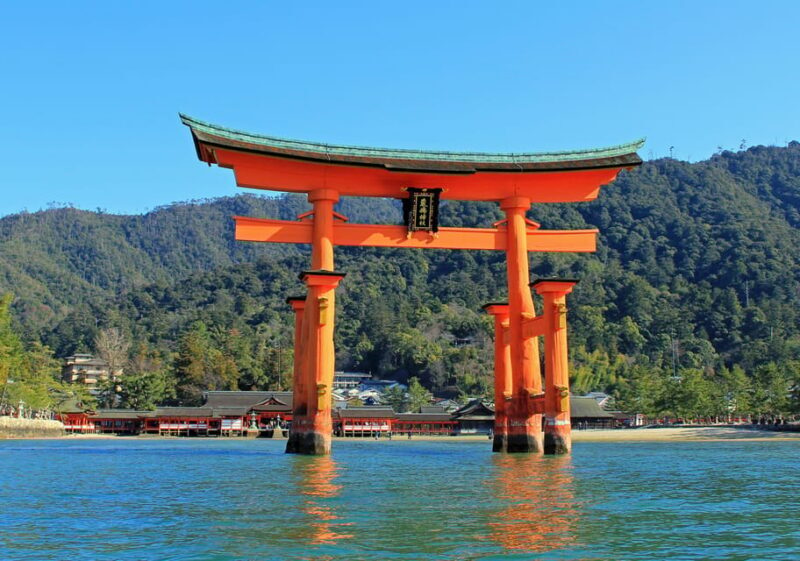
The meeting point is in front of the Shinkansen Ticket Gate on the second floor of Hiroshima Station’s North Gate. Look for a staff member holding a green and white flag. There is no hotel pick-up or drop-off, so you need to get yourself to the station.
Once aboard the air-conditioned coach, the guide introduces the day as you travel through the city. Hiroshima Castle is passed along the way, rather than visited, so don’t count on time to explore its grounds or interior. The bus also has free Wi-Fi and a multilingual audio guide in Spanish, French, Italian, German, Portuguese and Ukrainian.
The live guide speaks English and Japanese. In practice, that live commentary is a major part of the tour: guides including Marin, Tomo, Rino, Mo and Momiji are repeatedly singled out for clear explanations, warmth and good pacing. Some have used sketches, notes and photos to help explain the places you are seeing. One practical caveat: a participant found the English bus audio quiet, so treat the guide’s spoken commentary as the main source of information.
You might also be interested in these Hiroshima experiences
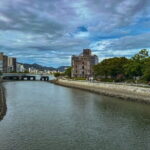
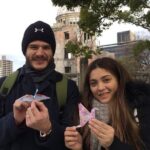
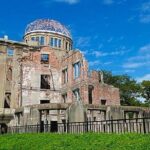
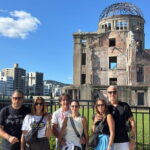
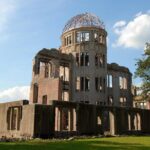
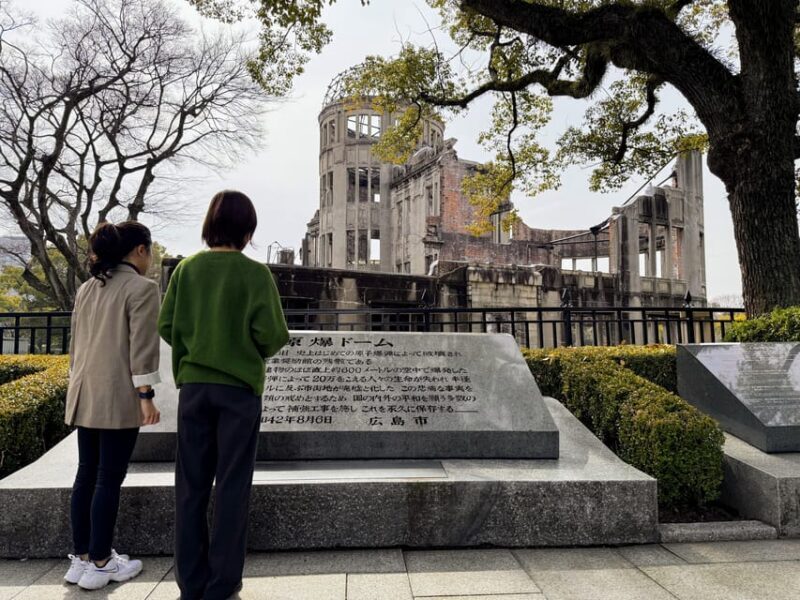
The first major visit is the Atomic Bomb Dome, with about 20 minutes of guided time. The preserved structure is a stark reminder of the bombing and Hiroshima’s commitment to peace. It became a UNESCO World Heritage Site in 1996.
This is a short stop, but the guide can help you place the building in the city’s history before you walk through the wider memorial area. Take time to look carefully, and leave room for the fact that this is not simply a photogenic ruin. The Dome is part of a site of remembrance, and the tour treats it accordingly.
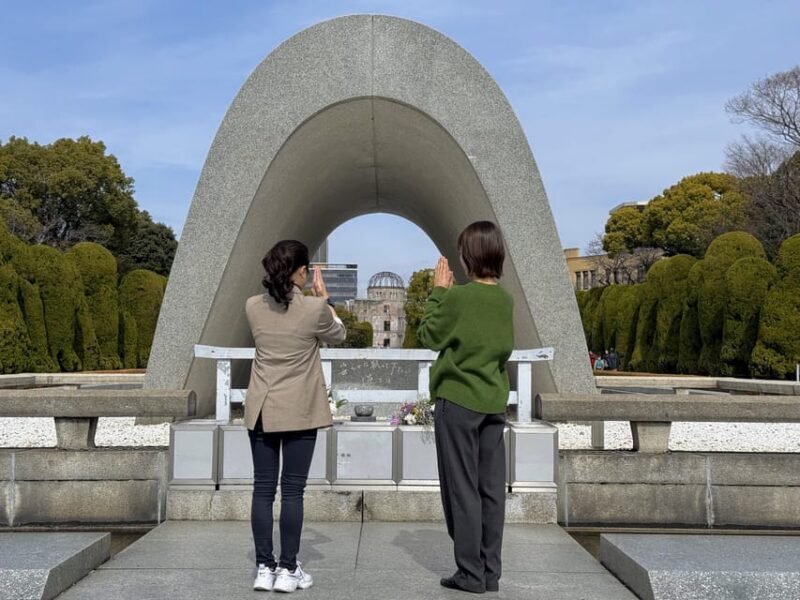
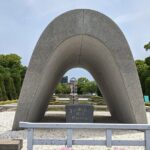
You have about 40 minutes in Peace Memorial Park, with a guided walk past important memorials. The Cenotaph for the A-bomb Victims and the Children’s Peace Monument are among the places that help frame the scale of loss and the city’s continuing appeal for peace.
The Children’s Peace Monument commemorates Sadako Sasaki, who died of leukemia caused by radiation exposure. Knowing this context makes the memorial more than another stop on a sightseeing route. Guides have been praised for explaining the history honestly and sensitively, without turning the walk into a lecture.
The park visit is brief, so it works best as an introduction rather than a chance to explore every memorial at length. If you want more time for quiet reflection, be prepared to use some of your museum or free time carefully.
The museum visit includes about an hour of free time. Its exhibits address the bombing and its aftermath, bringing personal and historical detail to the places you have just seen. This is the most emotionally demanding part of the day for many people, and you can move through it at your own pace.
An hour is enough to see a meaningful portion of the museum, but it can feel short if you read every display closely. Decide whether you prefer to focus on selected exhibits or make a quicker circuit. One visitor recommended paying an additional 500 yen for the museum’s own audio guide, which can add context; that is separate from the multilingual audio guide available on the bus.
For February 16 to 21, 2026, the Peace Memorial Museum is scheduled to close for exhibit replacement. During those dates, the tour plans to visit the Hiroshima National Peace Memorial Hall for the Atomic Bomb Victims instead. The change does not come with a refund, so check the date carefully if you are booking for that period.
More Great Tours Nearby
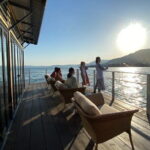
After Hiroshima, the coach ride to the ferry takes about 40 minutes, followed by a 20-minute crossing to Miyajima. The Seto Inland Sea and its scattered islands make this a welcome pause between the city’s memorial sites and the island afternoon.
The ferry is included in the tour price, which saves you from arranging the crossing independently. Keep in mind that the schedule is built around a group transfer, not a long cruise. The ride is a practical part of the day as well as a scenic one.
If you choose the lunch option, the meal is Hiroshima-style okonomiyaki, a savory dish layered with cabbage, pork, noodles and egg. It offers a local taste and a convenient break before the afternoon visits. The scheduled meal lasts about 50 minutes, so this is a set lunch stop rather than a long restaurant outing.
A vegetarian version is available, but you must request it at least two days before the tour. Vegan, halal and gluten-free options are not available. If those restrictions apply to you, book the no-lunch option and plan accordingly. The tour price of $122 is not a promise of an included meal unless you select the lunch option.
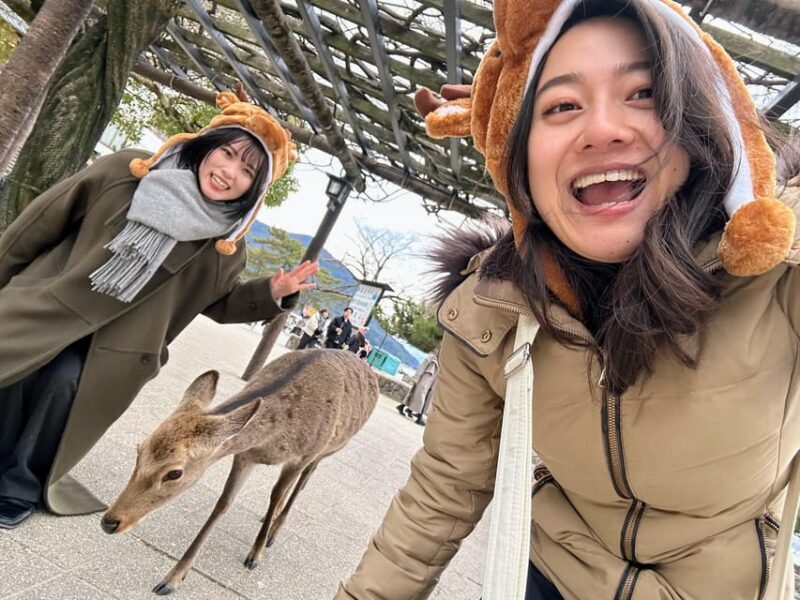
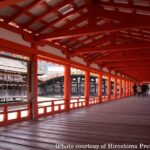
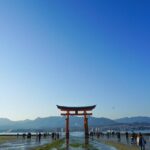
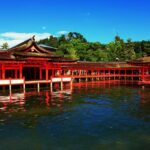
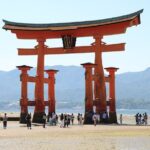
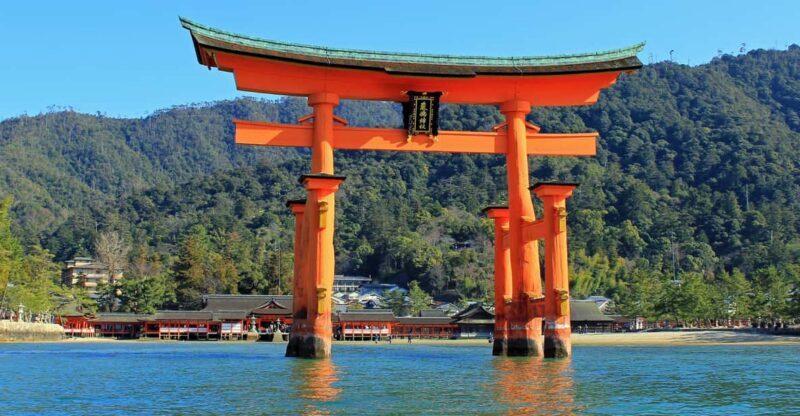
Itsukushima Shrine is the afternoon’s main landmark, with about an hour for the guided visit and some free time. The shrine is a UNESCO World Heritage Site, known for its torii gate that appears to float offshore at high tide. Its setting against Miyajima’s wooded mountains is a highlight, though the effect of the gate depends on the tide and conditions during your visit.
The guide provides context for the shrine and its place in Japanese spiritual life. You will also have time to look around on your own, but an hour is not an invitation to linger indefinitely. Miyajima can feel busy, particularly around its best-known sights, and one useful expectation to set is that the island is popular and tour-friendly, not secluded.
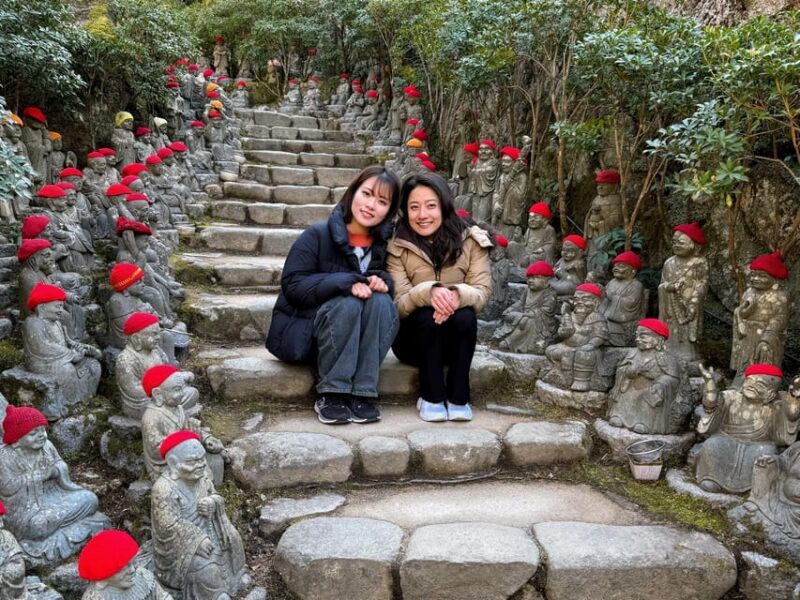
The tour continues to Daishoin Temple, with about 30 minutes to visit. Located on Mount Misen, the temple is known for its gardens and many stone statues. Its quieter atmosphere offers a change from the activity around the shrine and shops.
There are views of Miyajima and the Seto Inland Sea from this area, though the visit is brief. You can take in the temple grounds and pause for a moment, but the schedule does not allow a lengthy stay or a separate hike on Mount Misen.
Afterward, you have about 40 minutes of free time around Miyajima, including Omotesando Street, the island’s main shopping area. Shops sell local specialties and souvenirs, such as maple-themed crafts and hand-painted fans. You might also use this time to try a snack, take photos or simply wander. With less than an hour, it helps to choose one or two priorities rather than trying to cover the whole island.
At $122 per person, the tour’s value is mainly in coordination. You get an air-conditioned coach, the Hiroshima-to-Miyajima transport connections, a round-trip ferry, an English-speaking guide, and listed entrance fees for the Atomic Bomb Museum and Miyajima. You also avoid having to coordinate several transport legs and timed visits on your own.
The optional lunch adds convenience, but it is not the right choice for every diet. If you eat vegetarian, remember to request the available meal at least two days ahead. If you need vegan, halal or gluten-free food, choose no lunch instead.
A guided day is especially useful if you are visiting Hiroshima for only a short time or want someone to connect the memorial sites with the island’s cultural history. The trade-off is flexibility. You will have limited time at the museum, shrine and shopping street, and you cannot add a full visit to Hiroshima Castle or an extended stay on Miyajima.
Wear comfortable walking shoes, since the day includes walking through the park, museum, shrine grounds and temple. The tour is not suitable for wheelchair users. You will also want to keep an eye on the schedule: the coach and ferry transfers connect the stops, so a long pause at one site reduces your time elsewhere.
If you plan to take the Shinkansen after the tour, do not book a departure before 6:30 p.m. The tour returns to Hiroshima Station in the late afternoon, but the provider advises buying a ticket after the tour on the day or booking a train after 6:30 p.m. That buffer gives you a safer connection than trying to make a tight onward departure.
The tour offers free cancellation up to 24 hours before departure and a reserve-now, pay-later option. Check available start times when choosing your date, and remember that the meeting point is at the station rather than your hotel.
Book it if you want a well-organized first visit to Hiroshima’s Peace Memorial sites and Miyajima, and value a guide who can explain the history and keep transport simple. The strongest reasons are the pairing of the museum and memorials with the island’s shrine and temple, plus guides such as Marin, Tomo, Rino, Mo and Momiji, whose clear, considerate approach is a recurring strength.
Skip it if you want long, independent visits, need wheelchair access, or require a vegan, halal or gluten-free lunch. For most people with one day to spare, though, this is a practical way to see two very different parts of the region without spending the day working out buses and ferries.
“Our guide was wonderful but I would have liked to see more of Hiroshima city”
The tour lasts about eight hours. The schedule includes coach and ferry journeys, guided visits and set periods of free time.
Meet in front of the Shinkansen Ticket Gate on the second floor of Hiroshima Station’s North Gate. Look for a staff member with a green and white flag.
No. Hotel pick-up and drop-off are not included.
The live guide speaks English and Japanese. The bus audio guide is available in Spanish, French, Italian, German, Portuguese and Ukrainian.
Lunch is included only if you select the lunch option when booking. The meal is Hiroshima-style okonomiyaki.
Yes. A vegetarian okonomiyaki option is available. Request it at least two days before the tour.
No. Those options are not available. If you need one of them, choose the no-lunch option.
No. The tour is not suitable for wheelchair users.
The Hiroshima Peace Memorial Museum is scheduled to be closed for exhibit replacement during those dates. The tour will visit the Hiroshima National Peace Memorial Hall for the Atomic Bomb Victims instead, and no refund will be issued for this change.
You can check availability for your dates here: