Physical Address
304 North Cardinal St.
Dorchester Center, MA 02124
Physical Address
304 North Cardinal St.
Dorchester Center, MA 02124

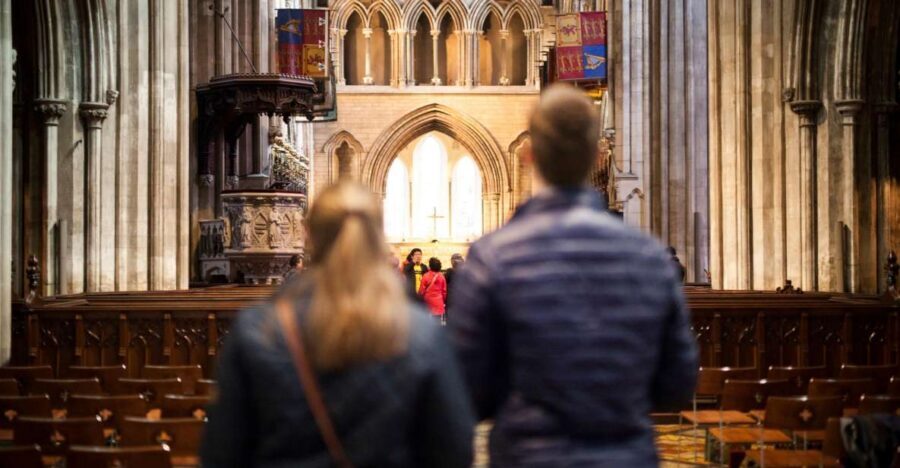
Explore St Patrick’s Cathedral in Dublin with an audio guide, Gothic details, Jonathan Swift artifacts, stained glass and a hands-on Discovery Space.
St Patrick’s Cathedral links a famous Dublin landmark with more than eight centuries of Irish religious and civic life. Inside, you can trace the story through Gothic stonework, stained glass, Jonathan Swift’s memorial and the Door of Reconciliation, a doorway tied to the expression to chance your arm.
I like two things in particular: the audio guide lets you linger over the details that interest you, and the Discovery Space adds touch-screen exhibits and a brass-rubbing activity to the visit. The window showing Saint Patrick’s life in 39 images gives you another way to read the cathedral’s story, one small scene at a time.
One consideration: there is a lot to take in, and the cathedral can feel crowded at busy times. If you want a quiet visit or hope to join a live tour, check what is happening when you arrive and allow yourself time rather than treating this as a quick stop.
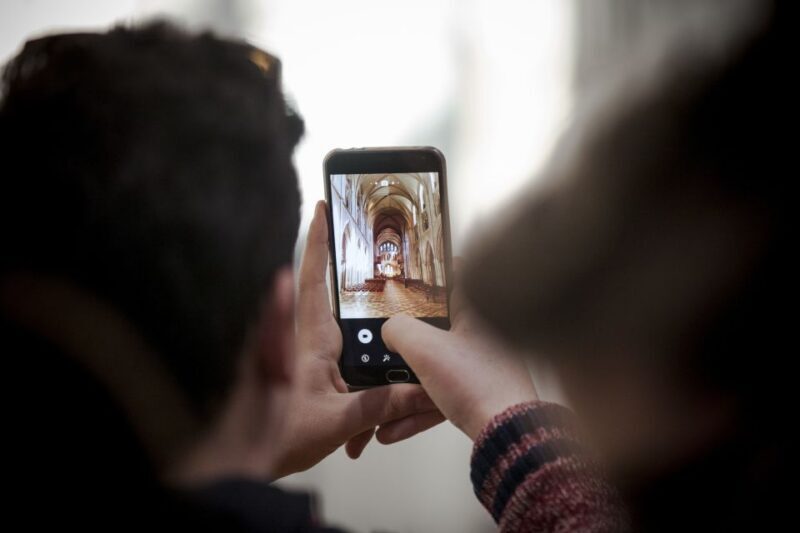
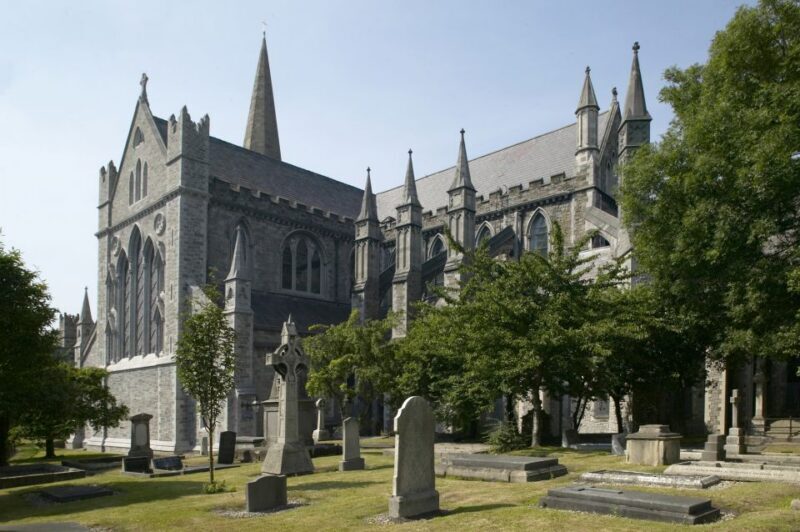
St Patrick’s is the largest cathedral in Ireland and one of the country’s important pilgrimage sites. Tradition places the well where Saint Patrick baptized converts beside the cathedral, a connection that gives the site a place in Irish religious memory as well as in Dublin’s city story.
The building dates to 1220 and is now the National Cathedral of the Church of Ireland. It is both a working place of worship and a visitor attraction, so your experience may include the quiet of a historic interior alongside the practical rhythms of a public site.
That combination matters. A cathedral is not simply a collection of old stone and windows; it has continued to serve a religious community. Sung services take place twice daily from Sunday through Friday, so the building’s life extends beyond sightseeing.
Admission is self-guided, which suits anyone who prefers to set their own pace. You can concentrate on architecture, listen to the audio stops, or move between the exhibits and pause when a detail catches your eye.
You can check availability for your dates here: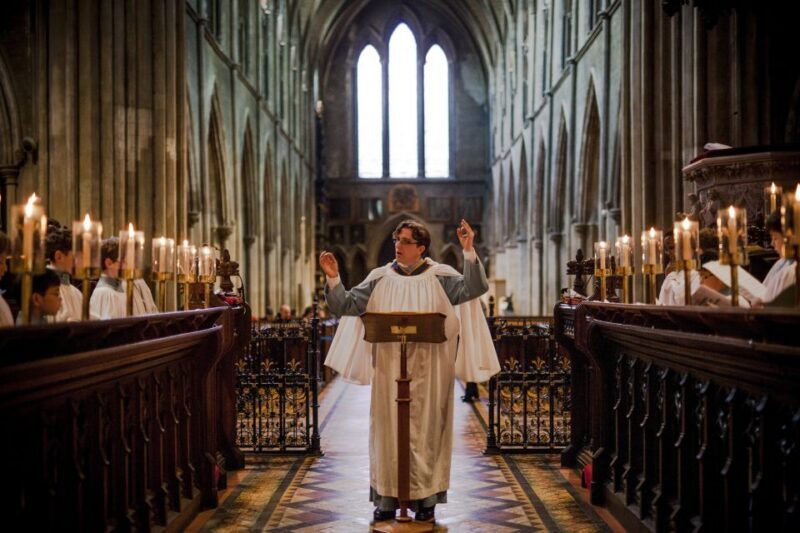
The first pleasure is looking up. The cathedral’s Gothic architecture and stone interior reward a slow walk, especially if you take time to notice how the structure, carved details and colored windows shape the atmosphere.
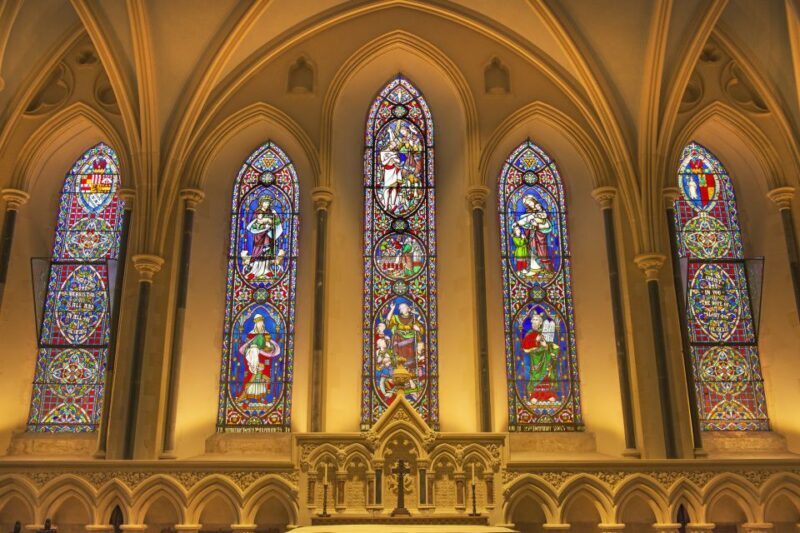
Stained glass is one of the strongest reasons to look closely rather than simply walk through. The window that presents Saint Patrick’s life in 39 images offers a sequence to follow, and the small scenes invite a different kind of attention from a single large image.
I would give the windows more than a passing glance. One visitor wished for a book explaining them and the cathedral’s construction in greater depth, which points to a useful expectation: the audio guide and displays provide context, but they may not answer every specialist question you bring.
If you enjoy church art, this is a place to compare materials and workmanship across the interior. The stone, glass and architectural design are part of the experience, not just a backdrop for the history. Bring a little patience, because taking in the details is what makes the visit feel worthwhile.
If you prefer having a local expert, these guided Dublin experiences could work well
Jonathan Swift is one of the cathedral’s most compelling links to wider literary history. The author of Gulliver’s Travels served as dean from 1713 to 1745, and artifacts connected with him are displayed inside.
His memorial gives the visit a human scale. You are not only looking at a major religious building; you are also encountering the working life of a writer who held an important position here for more than three decades.
The audio guide can help place Swift in the cathedral’s story, while the artifacts give you something specific to look for. If you already know his writing, this stop may give you a new angle on the person behind it. If you do not, it still helps show how the cathedral’s history includes literature and public life as well as worship.
There is plenty to absorb, so you do not need to listen to every stop in order. Choose the subjects that interest you and leave room to look around. That flexibility is one of the main advantages of paying for a self-guided visit rather than following a fixed talk from beginning to end.

The Door of Reconciliation is a small detail with an outsized place in Irish expression. It is associated with the phrase to chance your arm, giving you a memorable connection between a physical object and a piece of everyday language.
This is the sort of detail that makes a self-guided visit more than a visual tour. The cathedral’s history can seem large and distant when you think in centuries, but a story attached to a particular door gives you something concrete to remember.
Look for it as you move through the building, and take time to hear the explanation rather than treating it as another doorway. The story adds a human and political dimension to the visit, though the supplied information does not set out every detail behind the expression.
The Discovery Space gives the visit a more interactive side. Touch-screen technology helps explain the cathedral’s long history, while iPads play samples of the choir. There is also a brass-rubbing activity, a welcome change of pace if you are visiting with a child or want to do more than read displays.
The technology is useful because the building carries many layers of history. Rather than expecting you to absorb everything from the architecture alone, it offers ways to engage through sound, touch and short explanations.
This area may be especially helpful for families, though anyone curious about the cathedral can use it. Under-18s must be accompanied by a parent or guardian. The brass rubbing gives younger visitors a hands-on task, while adults can use the screens to explore details they might otherwise miss.
I would treat the Discovery Space as part of the visit, not an optional extra to skip in a hurry. The cathedral’s story stretches from early religious tradition to the present, and the displays help make that span easier to follow.
More Great Tours NearbyAn audio guide is included with admission, with options in English, French, German, Italian, Spanish and Irish. It lets you move at your own pace and choose which topics deserve more of your attention.
The audio presentation is a major practical advantage. You can pause, skip a stop or spend longer with a window or memorial without worrying about holding up a group. The guide is detailed enough to help explain the building and its art, and it can make the visit more rewarding if you are new to Irish history.
Some visitors have found it easier to use their own wired headphones or connect through a phone. Check the setup at the cathedral before you count on a particular listening method, and bring headphones if you prefer your own.
Live guided tours may also be available. Guided tours have been reported at roughly 15-minute intervals, but schedules can vary, so ask staff when you arrive rather than planning your day around that timing. Guides named Anna and David have led tours, though you should not expect a particular guide on your visit.
A live tour is a good choice if you want to ask questions or hear a guide connect the building’s features into one account. The self-guided option is better if you prefer independence, need to arrive between tour times, or want to spend longer at selected stops. You can also ask cathedral staff questions as you go.
You might also be interested in these Dublin experiences
The ticket costs $12 per person and is valid for one day. That price includes self-guided admission and an audio guide, and the ticket is described as allowing you to skip the ticket line.
For the money, the value rests less on a single headline attraction than on the number of ways you can use the visit. You get the architecture, stained glass, Swift-related displays, the Door of Reconciliation, audio interpretation and the Discovery Space under one admission.
I would not plan this as a quick photo stop. The cathedral has a lot of history to take in, and the audio guide is most useful when you give yourself time to listen and look. The ticket does not set a visit duration, so your pace is up to you.
Crowds can affect the mood. The interior may be busy, particularly at popular times, and a full room can make it harder to enjoy the quiet or focus on a specific display. If a calm visit matters to you, check availability and starting times before you go, then allow flexibility in your schedule.
The cathedral is wheelchair accessible. You can cancel up to 24 hours in advance for a full refund, and reserve now while paying later, useful options if your Dublin plans are still shifting.
I would recommend St Patrick’s to anyone interested in Irish history, church architecture, stained glass or Jonathan Swift. It also suits visitors who like to explore independently and choose their own level of detail.
Families can make use of the Discovery Space and brass rubbing, with the reminder that anyone under 18 must come with a parent or guardian. The audio guide also helps if your group wants background without needing to keep pace with a live guide.
If you have limited time, decide in advance what matters most: the architecture and windows, Swift and the cathedral’s literary connection, or the broader history presented in the Discovery Space. You may not want to listen to every audio stop, and that is fine. The format is flexible enough for a focused visit.
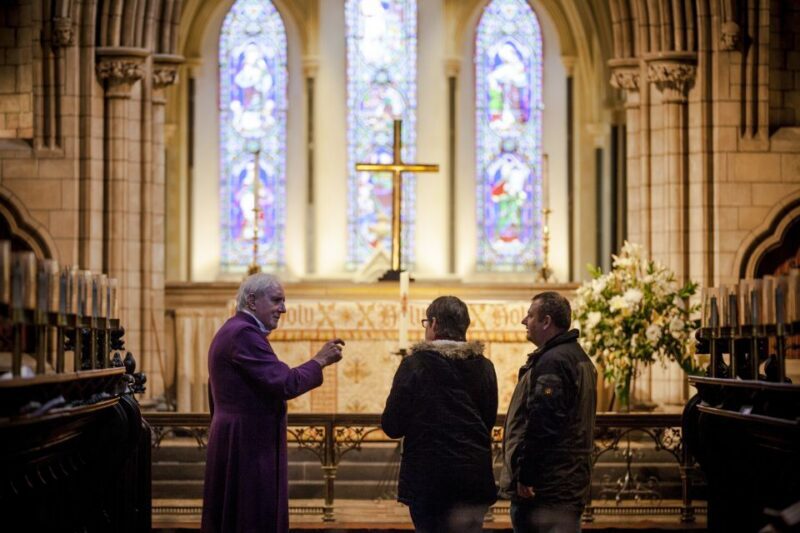
The cathedral also rewards people who are open to a working place of worship, not just a monument. Sung services take place twice daily Sunday through Friday, so keep in mind that the building serves a religious purpose as well as welcoming visitors.
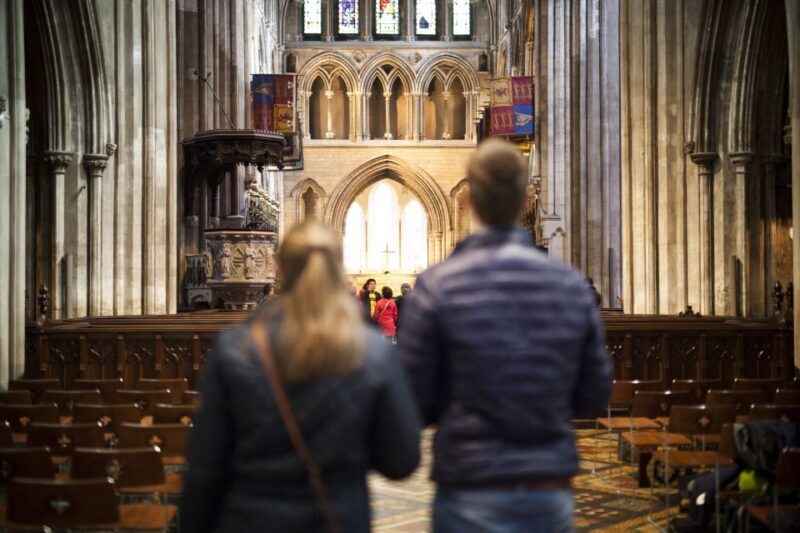
Book this visit if you want a self-paced look at one of Dublin’s major historic buildings, with audio interpretation included in the admission price. The combination of Gothic architecture, the Saint Patrick window, Swift’s memorial and the hands-on Discovery Space gives you several distinct reasons to stay awhile.
Think twice only if you want a very short stop or expect a quiet, uncrowded interior at any time you choose. The cathedral can be busy, and there is more to absorb than a quick walk-through allows. For most visitors with an interest in Ireland’s history and art, $12 is a fair price for a flexible visit that lets you decide what deserves your attention.
“Stunning Cathedral. A hugh amount of Irish history a lot to absorb so will definitely go back – I would have liked a book on the Stain Glass window…”
Admission costs $12 per person. Self-guided admission and an audio guide are included.
The ticket is valid for one day. Check availability for starting times.
The audio guide is available in English, French, German, Italian, Spanish and Irish.
Yes. Admission is self-guided, and the audio guide lets you explore at your own pace. Live guided tours may also be available.
Highlights include Gothic architecture, stained glass showing Saint Patrick’s life in 39 images, Jonathan Swift-related artifacts, the Door of Reconciliation and the Discovery Space.
Yes, the activity is wheelchair accessible.
Yes. You can cancel up to 24 hours in advance for a full refund.
You can check availability for your dates here: