Physical Address
304 North Cardinal St.
Dorchester Center, MA 02124
Physical Address
304 North Cardinal St.
Dorchester Center, MA 02124

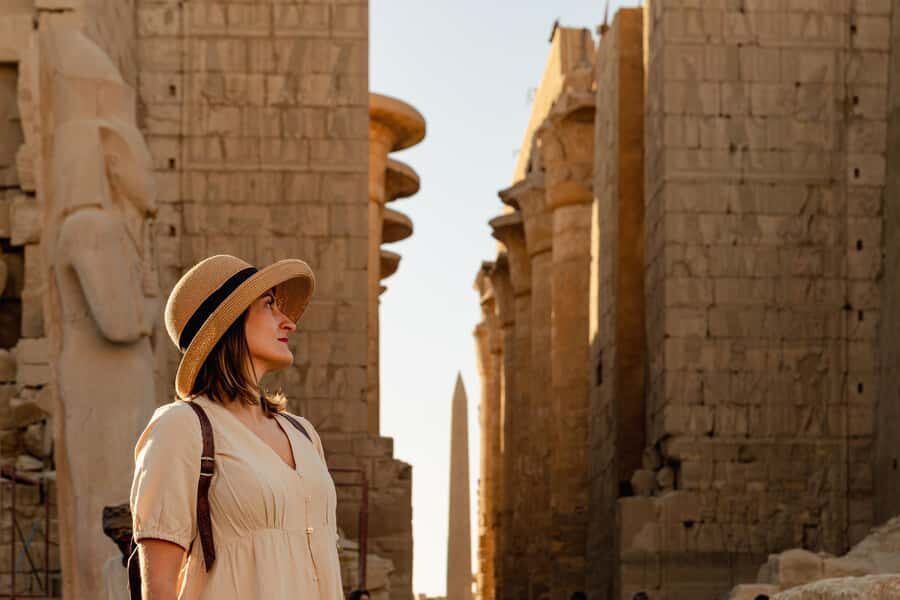
See Luxor’s West and East Bank highlights in one day, from royal tombs and Hatshepsut’s terraces to Karnak and Luxor Temple.
Luxor’s ancient monuments are spread across both sides of the Nile, and this full-day tour links the essentials in one sweep: royal tombs, a cliff-backed temple, vast Karnak, and Luxor Temple. The best part is having an Egyptologist explain the carvings and buildings as you go, so the day is more than a string of impressive stone walls.
I like two things in particular: you see the West and East Bank highlights without arranging separate transport, and the guides often leave time to explore and take photos after their explanations. Guides including Alaa Hassan, Gabriel, and Ahmed Bahaa are praised for clear storytelling, patience, and answering questions.
The trade-off is the pace. Eight hours is a tight frame for five major sites, lunch, and the drives between them; some days run longer, and the heat can make the schedule feel full. Start early if you can, wear comfortable shoes, and be ready for a big day.
This tour is built for a simple purpose: helping you see Luxor’s most famous sites in a single day, with an Egyptologist to bring the ancient setting into focus. You begin with hotel pickup in Luxor, then head to the West Bank before crossing back to the East Bank for Karnak and Luxor Temple.
That order gives the day a clear arc. The West Bank’s royal tombs and mortuary monuments lead into the great temple complexes on the East Bank, where ancient worship and public life take center stage. You’ll cover a lot, but each stop asks for time on your feet and attention to detail.
It’s a shared tour, not a private one, so you’ll be travelling with other people. The group size isn’t specified, and the vehicle can vary. Some outings use a small minibus, which one person found a bit cramped, while others describe a car in good condition. If space matters to you, ask about the expected vehicle before booking.
You might also be interested in these Luxor experiences
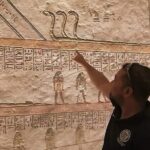
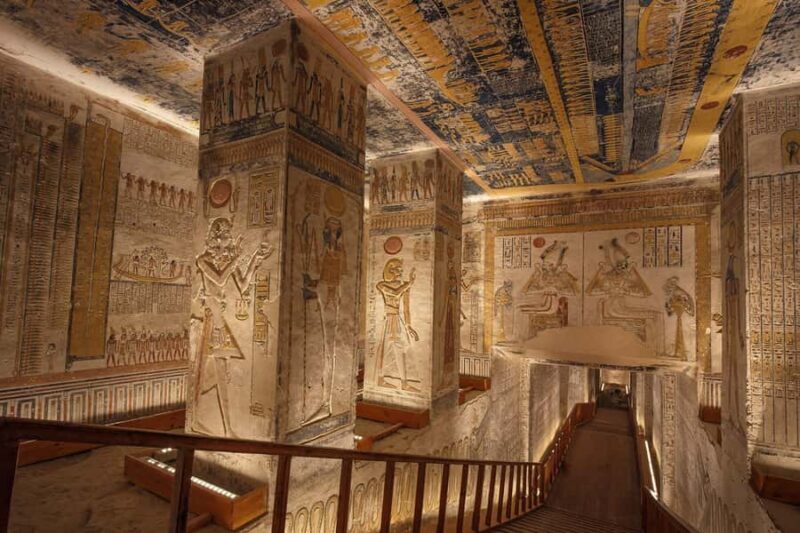
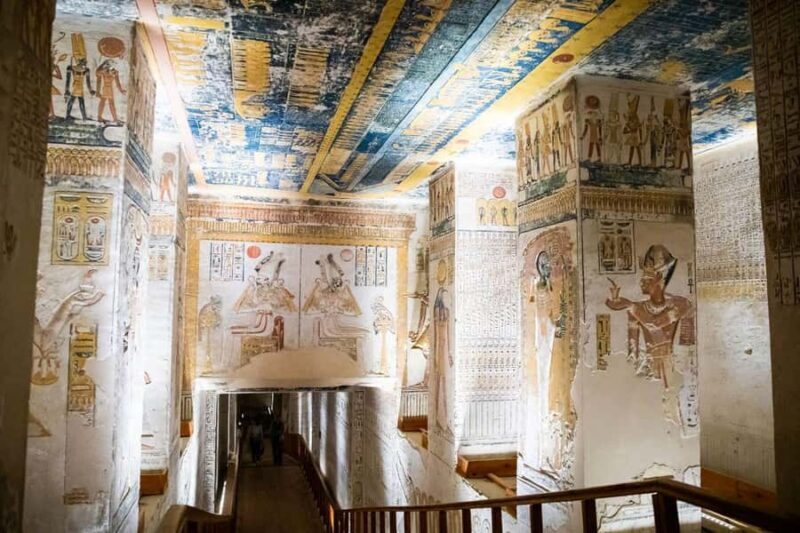
The Valley of the Kings is the day’s first major stop, and for many people its tombs are the main event. The valley is also known as the Valley of the Gates of the Kings. Rather than monumental temple façades, you’ll find burial chambers cut into the rock, with painted scenes and inscriptions that help explain ancient beliefs about death and the afterlife.
Your guide’s introduction matters here. There’s a lot to take in, and the symbols can be hard to read without context. Guides have been praised for explaining the imagery and its meaning, then giving people time to look around and take photos at their own pace.
Plan for the possibility of extra costs at the site. One person was able to buy a separate ticket for Tutankhamun’s tomb, so don’t assume every special tomb is covered by the tour’s entrance-fee option. Confirm what your chosen ticket includes before you go, and bring any questions about additional tombs to your guide.
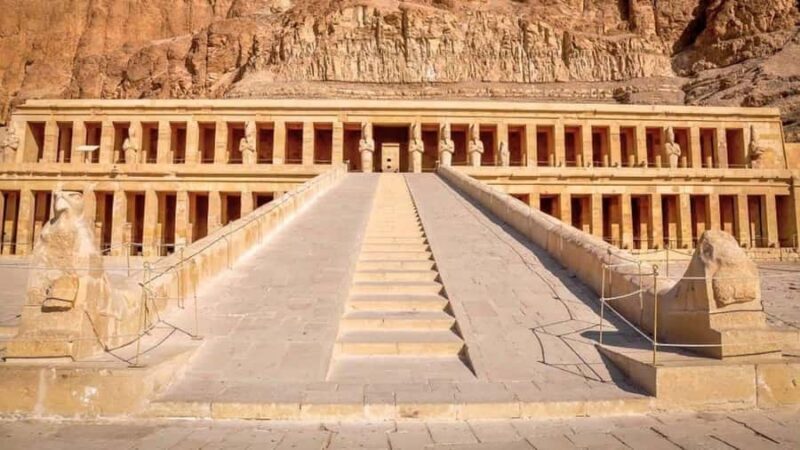
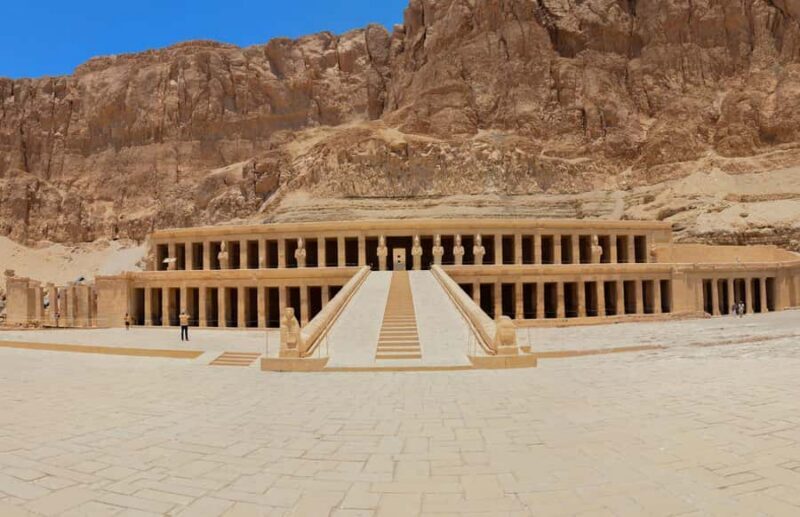
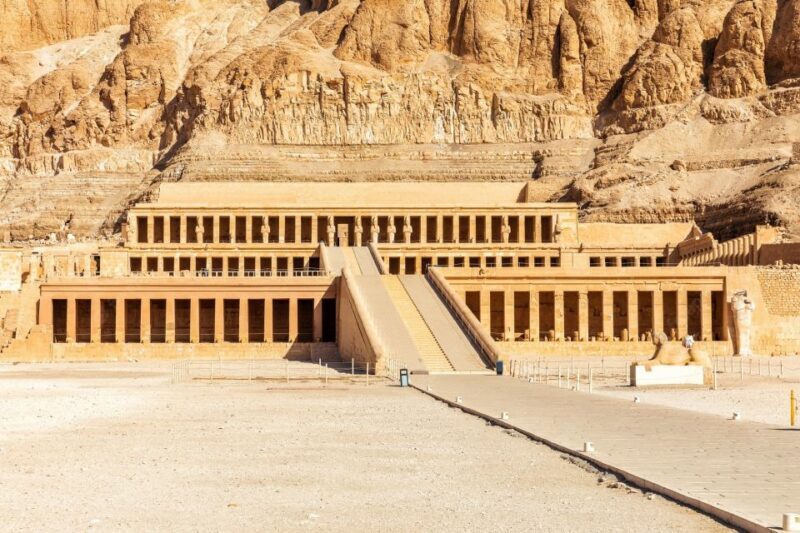
The Mortuary Temple of Queen Hatshepsut is one of Luxor’s most distinctive buildings. Its three broad terraces rise from the desert floor toward the cliffs of Deir el-Bahari, giving the monument a strong, stepped outline against the rock.
The setting helps make the visit memorable, but the structure itself rewards a closer look. A guide can explain the temple’s role and the stories shown in its reliefs, while you take in the terraces and the scale of the cliffs behind them. The site is open and exposed, so sun protection and water are sensible, especially as the day warms up.
This is also a good stop for photos. Some guides know where to pause for a clear view and are happy to take pictures for the group. You’ll want to save time to look around after the main explanation rather than treating the temple as a quick photo stop.
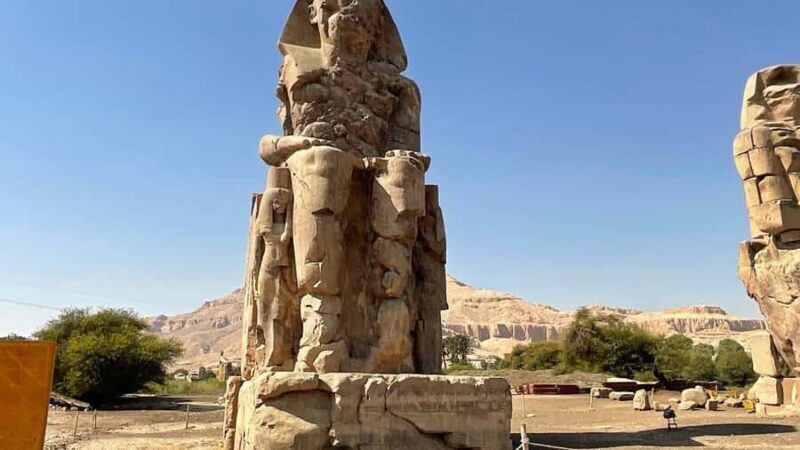
The Colossi of Memnon offer a brief change of pace between the West Bank’s larger visits. These two colossal statues are associated with the mortuary temple of Amenhotep III, and they make an arresting sight rising above the surrounding plain.
Compared with the Valley of the Kings or Hatshepsut’s temple, this stop is short. Think of it as a chance to stretch your legs, take in the scale of the statues, and hear how they fit into the wider story of Amenhotep III’s mortuary complex. The route lists a guided visit, but the main appeal is the striking monument itself.
More Great Tours Nearby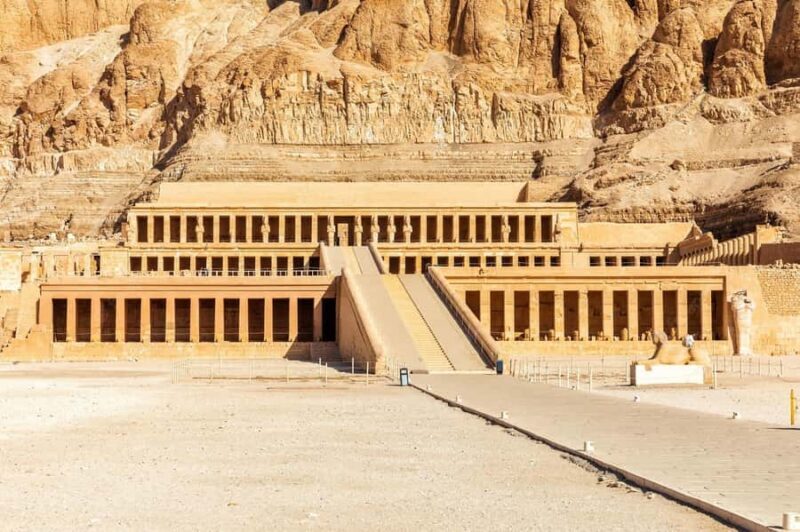
Lunch at a local restaurant breaks up the sightseeing before the East Bank temples. It’s included, and meals have been described as tasty local food, sometimes served buffet-style. One meal was on a terrace overlooking a tomato farm, a reminder that a modest view of everyday life can be as interesting as another temple wall.
Don’t expect lunch to turn into a long rest stop. The schedule has two large temple visits still to come, and the day is already full. Use the break to drink water, sit down, and recharge before heading to Karnak.
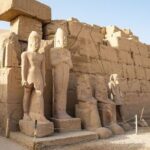
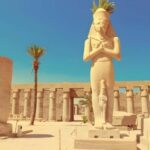
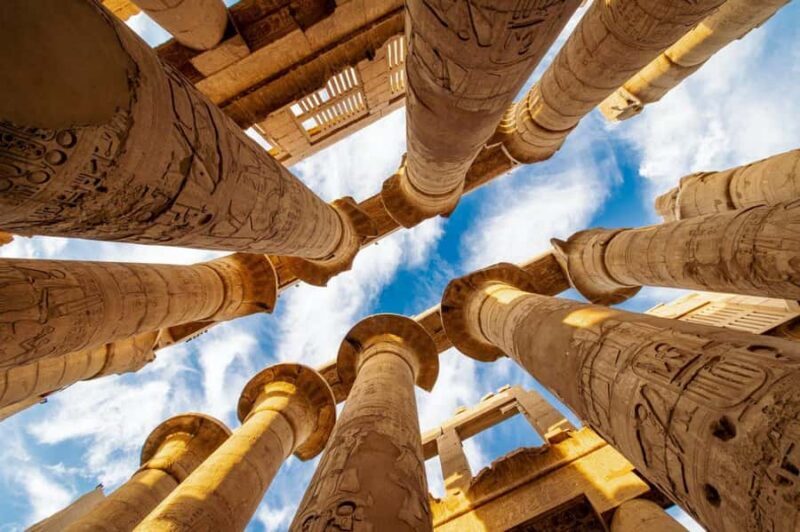
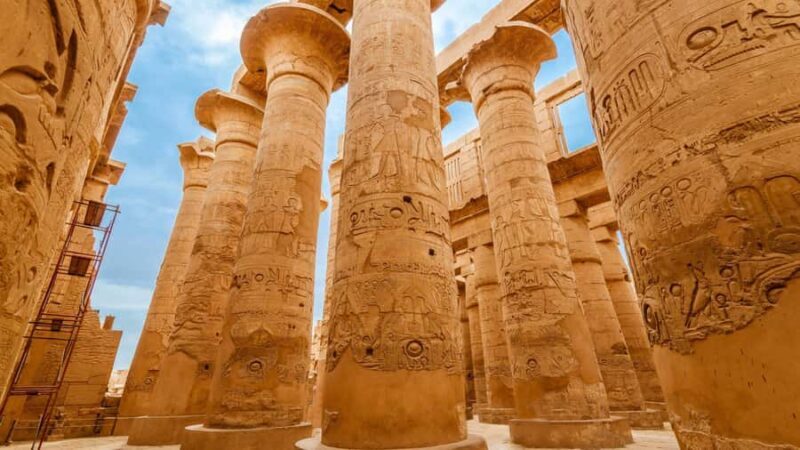
Karnak is the largest temple complex on the route and one of the day’s big payoffs. It was dedicated to Amun, his wife Mut, and their son Khonsu, together known as the Theban triad. The scale can make it difficult to know where to look first, which is exactly where a good guide earns their keep.
A strong explanation can connect the temple’s gods, buildings, and decorative details, rather than leaving you to see only a mass of columns and stone. Several guides are praised for discussing symbolism and hidden details, and for making complex history easy to follow. Guides such as Alaa Hassan and Gabriel have been singled out for energetic, engaging explanations, while others, including Omar and Ahmed Bahaa, are praised for answering questions and giving people time.
Karnak takes time to absorb. You’ll likely want photographs, but try to look beyond the camera as well. The guide’s explanation gives the place meaning; a little unhurried time afterward lets you take in its scale for yourself.
Luxor Temple rounds out the East Bank visits. Amenhotep III began building it in the 18th Dynasty, and Ramses II completed it. Its history and architecture give the tour a fitting final chapter after the Valley of the Kings and Karnak.
The temple is another place where interpretation makes a difference. With a guide, you can connect the building to the earlier stops and hear how its religious purpose fits into Luxor’s wider story. You’ll also have a chance to enjoy the site at your own pace after the explanation, though how much free time you get depends on the group and the day’s timing.
By this point, you may be tired. The route is packed, and the heat, walking, and driving add up. But ending at Luxor Temple means you finish with another major monument rather than a hurried return after only the West Bank.
The guide can make or break a day this dense. The names vary by departure, but several guides have received particular praise: Alaa Hassan for detailed explanations of history and symbolism, Gabriel for lively storytelling, and Ahmed Bahaa for thorough, friendly explanations. Other guides mentioned by name include Beshoy, Omar, Mahmoud, Mena, and Adam.
The qualities that matter most are not just facts. You want someone who can make the stories clear, answer questions, keep the group moving, and leave room to explore. The strongest accounts of this tour describe guides who balance those jobs well. One guide even changed the order of visits after a delayed flight, showing that the schedule can sometimes be adjusted to help people see the main sites.
Keep expectations realistic, though. The tour is shared, so the guide must manage the whole group. If you want to linger for a long time at one tomb or temple, a private tour may suit you better.
At $90 per person, this can be strong value if the price you choose includes entrance fees. You get transport between the main sites, an English-speaking guide, lunch, and a full day of sightseeing. Booking separate transport and arranging a guide for each stop would take more planning, and it could be harder to keep the day moving.
The entrance-fee detail deserves a close look. The tour information says all entrance fees are included if that option is selected, so check that your chosen price covers them. A special tomb may still require its own additional ticket. The exact value depends on what your booking includes and whether you want any extras.
For many people, the biggest value is the guide’s interpretation. Luxor’s monuments are impressive on their own, but a good explanation helps you understand what the images, buildings, and religious connections mean. If you care about Egyptian history, that can make the day far more rewarding than simply ticking off sites.
I’d choose this tour if you have one day in Luxor and want to see the main archaeological highlights without managing all the transport yourself. It’s also a good fit if you learn best through a guide, enjoy asking questions, and are happy with a brisk, shared schedule.
It may be less suitable if you prefer long, unstructured visits or dislike full days with several stops. The tour covers a lot, and some days can run beyond the stated eight hours. A small vehicle may also feel tight, depending on the group and transport provided.
Practical details matter. Hotel pickup and drop-off are specified for the East Bank, so confirm arrangements if you’re staying on the West Bank. English is included as the guide language; French, German, and Spanish guides are available as add-ons. Free cancellation is available up to 24 hours ahead, and the reserve-now, pay-later option lets you hold a place without paying immediately.
Book this tour if you want Luxor’s essential West and East Bank sites in one well-guided day. The strongest reasons are the full route, included lunch, and the chance to hear clear explanations from guides such as Alaa Hassan, Gabriel, or Ahmed Bahaa.
Skip it if you want a slow visit with lots of time at every monument, or if an eight-to-ten-hour sightseeing day sounds like too much. Before paying, verify that your selected option includes entrance fees, confirm pickup for your hotel, and leave the evening free in case the day runs long.
“It's a wonderful experience! Even though this trip is very long, I really enjoy it because our guide Beshoy is so kind. He gave us information alon…”
The stated duration is eight hours. Some outings may take longer, with one tour described as lasting around ten hours, so leave room in your schedule.
The route includes the Valley of the Kings, the Mortuary Temple of Hatshepsut, the Colossi of Memnon, Karnak Temple, and Luxor Temple.
Yes. Lunch at a local restaurant is included.
Entrance fees are included only if you select the option that includes them. Check the details of your chosen option before booking.
Hotel pickup and drop-off are specified for hotels on Luxor’s East Bank. Check with the provider if you’re staying elsewhere.
The tour offers live guides in English, French, German, and Spanish. English is listed as included, while French, German, and Spanish guides are available as add-ons.
You can cancel up to 24 hours in advance for a full refund. A reserve-now, pay-later option is also available.
You can check availability for your dates here: