Physical Address
304 North Cardinal St.
Dorchester Center, MA 02124
Physical Address
304 North Cardinal St.
Dorchester Center, MA 02124

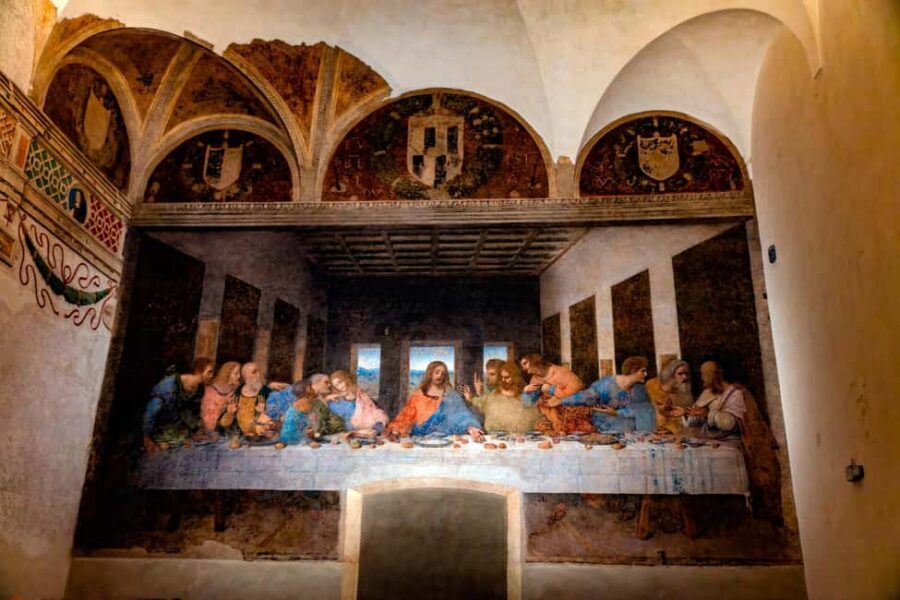
See Leonardo’s Last Supper in Milan with skip-the-line entry, an English-speaking art historian, and just 15 minutes inside the refectory.
Leonardo’s Last Supper is not a painting you can linger over all afternoon. Your time in the refectory is capped at 15 minutes, so a good guide matters: someone who can help you read the apostles’ gestures, understand Leonardo’s perspective, and make the most of a short look. I like that this visit pairs skip-the-line entry with a licensed art historian, and I like that the guide also draws attention to the church and the mural on the opposite wall.
The trade-off is the clock. The full activity lasts an hour, but only 15 minutes are spent in the room with the masterpiece, and the $75 price is a steep premium over basic entry. Book well ahead if you can; popular times sell out, and changing your scheduled time is not allowed.
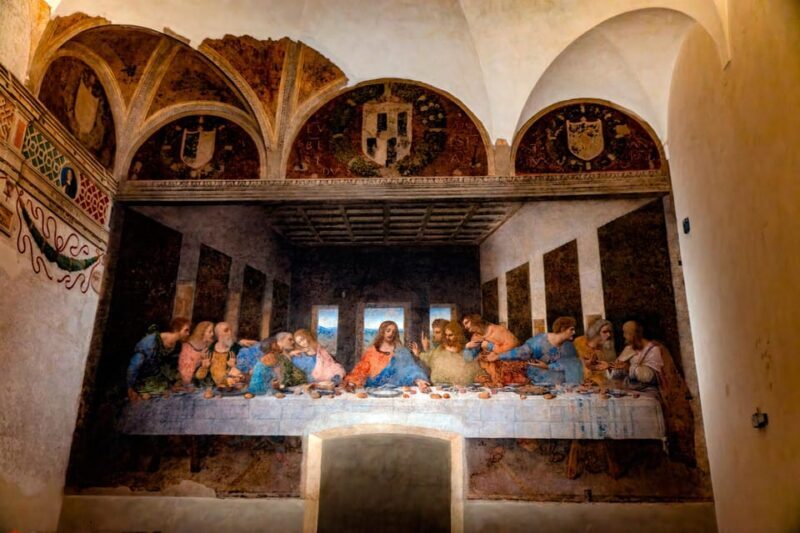
The Last Supper is a mural, not a small panel tucked behind glass. Leonardo painted it on the wall of the refectory at Santa Maria delle Grazie between 1494 and 1498. It depicts the moment Christ tells the apostles that one of them will betray him, and the drama comes through in the varied expressions, turning bodies, and lively hands around the table.
You get just 15 minutes inside the room. That limit applies to all visitors, not just this guided group, so it is worth dropping any expectation of a long, quiet study session. The short stay can feel abrupt, but it also makes the guide’s preparation useful: you can arrive knowing where to look instead of spending half your time trying to work out what is happening.
I would treat the viewing as a focused encounter. Look at the whole composition first, then take in the faces and gestures the guide identifies. If you want photos, take them promptly and then put the camera down long enough to see the mural with your own eyes. Fifteen minutes sounds tight, but a well-paced explanation can make it feel more substantial.
You can check availability for your dates here: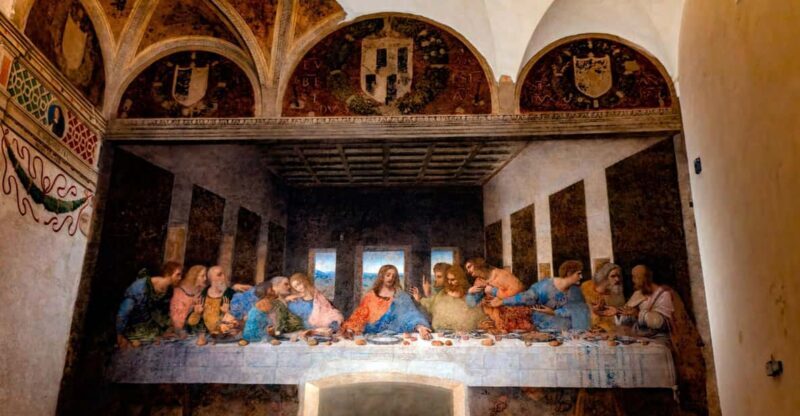
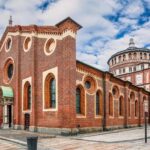
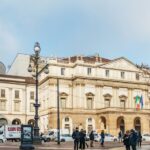
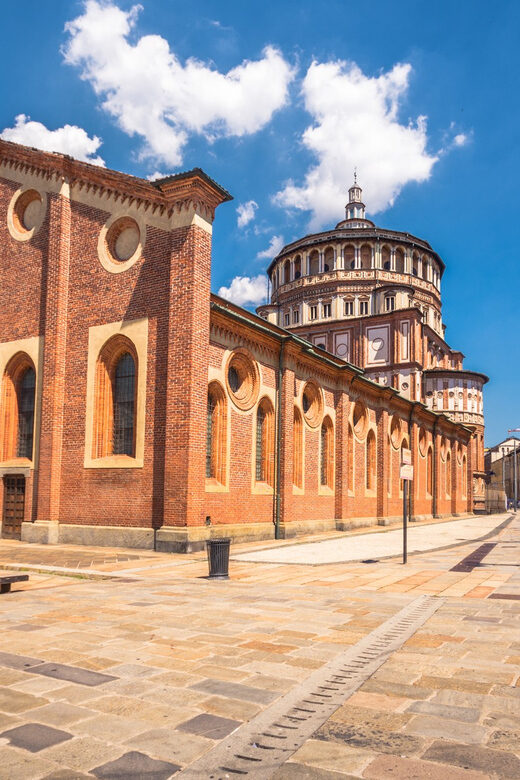
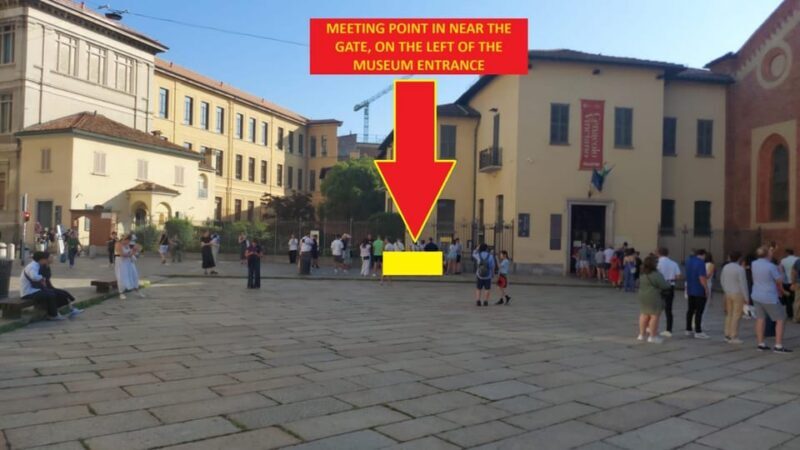
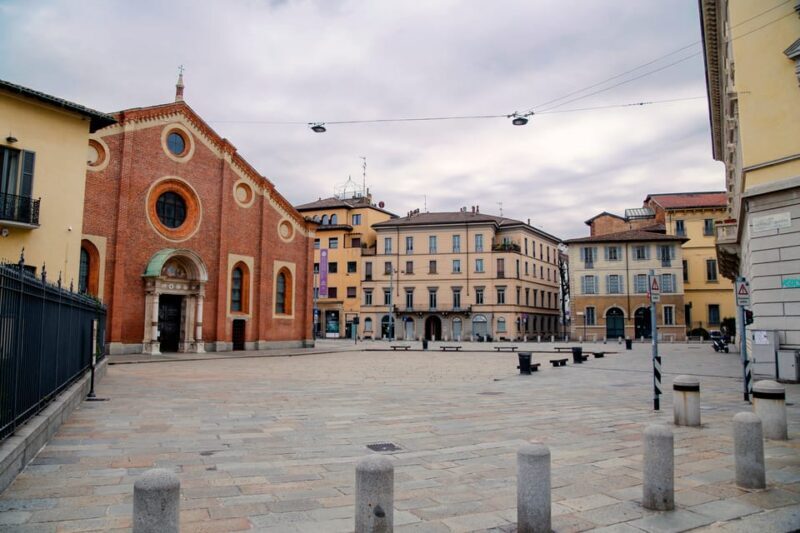
The meeting point is outside the museum entrance, described as the only door in the square with flags above it. Look for the orange GetYourGuide sign and arrive ready to identify your party. The church is a landmark in its own right, and the tour’s first glimpse of its exterior gives you a sense of the setting before you enter the museum.
The guide meets you in English and leads the group through the ticket entrance. Skip-the-line entry means you avoid the ticket queue, not that you can ignore the fixed visit time. The Last Supper authorities schedule access tightly, and changes to the assigned time are prohibited. Be punctual and make sure every name on the booking is correct.
The tour includes headsets, which help you hear the guide without having to crowd around. Some feedback has flagged headset quality as an area that could be better, so keep close enough to follow along and speak up if you cannot hear clearly. The guide’s explanations are central to the experience, particularly when you have only a short time in front of the mural.
If you prefer having a local expert, these guided Milan experiences could work well
The central value of the guided visit is interpretation. The guide explains the painting’s origins and helps you notice the way Leonardo arranged the figures, used perspective, and gave each apostle a distinct reaction. Rather than seeing a row of people around a table, you begin to read a chain of responses moving outward from Christ.
The gestures are especially worth watching. A hand can point, turn, or reach across the table, while a face may show shock, doubt, or alarm. Your guide can connect these details to the scene and help you see how the composition directs your eye. Several guides, including Gabriella and Sara, have been praised for making this material clear and engaging, with humor and local context woven into the explanation.
Guides vary, and a named guide is not guaranteed. Gabriella is often mentioned for her warmth, storytelling, and sense of humor; Sara has also been singled out for clear historical explanations. Lucia, Marica, and Katrina are among other guides named by people who have taken the tour. The useful point is not to expect one particular person, but to expect a live English-speaking art historian who can answer questions and frame what you are seeing.
Once inside, you see the mural in the room it was made for. That setting matters. This was a dining hall, and the painted table extends the space of the room in a way that makes Leonardo’s perspective easier to understand. Your guide can point out how the lines and arrangement draw attention toward Christ, while the apostles’ movements create a series of reactions around him.
The short viewing period means the guide has to balance explanation with time to look. You may hear much of the background before entering, then use the 15 minutes in the room to connect those details to the actual work. One good approach is to listen carefully before you go in, then use your time inside to revisit the points that caught your interest.
The mural is famous, but fame does not guarantee that it will match every expectation. It is large and historically important, yet some people find the in-person effect less overwhelming than they imagined. The paint is also fragile, which is one reason access is controlled. If you arrive expecting an untouched, perfectly preserved image and unlimited viewing time, you may be disappointed. If you go to understand the artwork and see it in its original setting, the visit has more to offer.
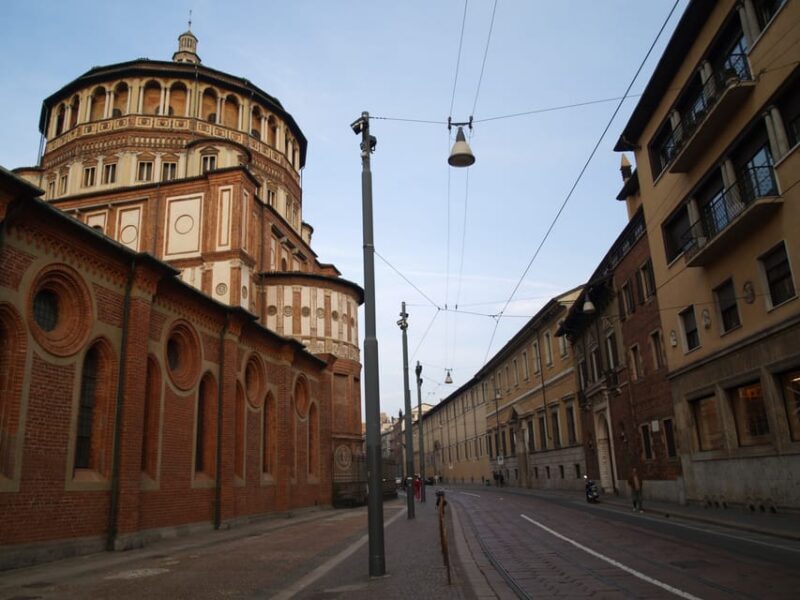
The opposite wall has another significant mural, the Crucifixion, which can add to the experience. It is easy to focus only on Leonardo’s work, but take a moment to notice the wider room and the paintings together. The building also endured bombing during the Second World War; the survival of the mural-covered walls is part of the site’s history and helps explain why preservation is taken so seriously.
A basic ticket gets you through the door, but it does not necessarily tell you what to look for. This tour’s art historian gives you context on Leonardo, the painting’s methods, and the figures’ expressions. That guidance can make a brief viewing feel more complete, especially if you are not already familiar with Renaissance art.
The guide’s role is not to replace your own reaction. It is to give you a set of clues. You can then decide which details matter most to you: the controlled perspective, the different responses around the table, or the history of how the mural has been protected. Guides have also shared local information about Milan and the church, which adds a little more value than a talk limited to the painting alone.
The headset is included, along with the skip-the-line entry ticket. Hotel pickup, drop-off, food, and drinks are not included. That is a sensible arrangement for a one-hour visit in central Milan, but plan your own route to the meeting point and do not expect the tour to provide transport or a meal.
More Great Tours Nearby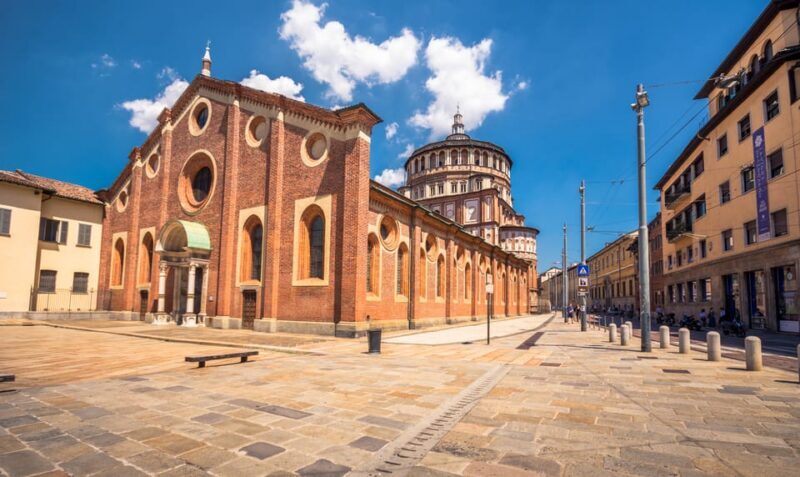
At $75 per person, this is not a cheap museum visit. The premium buys a reserved entry arrangement, an English-speaking art historian, and headsets, as well as a better chance of getting access to a work for which time slots can be hard to find. If the Last Supper is a priority and you want context rather than a quick look alone, those extras can justify the cost.
The price feels less compelling if you are mainly paying for more time with the mural. You do not get more than 15 minutes in the room, even with a guide. One person comparing the guided visit with basic admission noted that an ordinary ticket cost €15, a reminder that much of the added cost here is for the guided service and access convenience, not extra viewing time. Prices and availability can change, so do not treat that comparison as a current rate quote.
Timing affects value too. People who waited until the last minute have found the remaining guided places expensive, while advance planning gives you a better chance of finding a suitable time. If you are eager to see the mural but have limited Milan days, the premium may be a practical way to secure a place. If you are flexible and comfortable arranging entry on your own, compare available options before paying.
Bring a passport or ID card. Each visitor’s name must be entered when booking, or entry to the Last Supper Museum may be denied. This is not the place to use a casual placeholder name and sort it out later.
Food, drinks, liquids, and bulky backpacks or bags are not allowed inside. There is no storage service, so travel light and make arrangements for bags before arriving. These rules are easy to overlook when you are moving around Milan, but a large bag can become a problem at the door.
Children up to age two do not need a Last Supper ticket, but they must be taken into the museum in a stroller or held by an adult. The site is listed as wheelchair accessible. The tour is one hour long, and the schedule is fixed, so leave enough time to reach the meeting point without rushing.
The booking offers free cancellation up to 24 hours before the visit and a reserve-now, pay-later option. Those terms give you some flexibility, but they do not change the strict rules around the scheduled entry time. Check the exact start time when you book and plan your day around it.
This tour suits you if the Last Supper is high on your Milan list, you want an expert to explain the painting, and you value a prearranged entry. It is also a good fit if you are new to Renaissance art or want to understand more than the basic story. A clear explanation can turn the gestures and perspective into something you can follow, even within a short viewing window.
It is less suited to anyone who expects a long visit, a private group, or a low-cost ticket. The available information does not specify group size, so do not assume you will have an intimate, one-to-one experience. The refectory visit itself is brief, and the tour’s strongest selling point is the guide’s interpretation, not extra time in front of the mural.
Book it if you want help making sense of Leonardo’s composition and prefer to have entry arranged in advance. The guides’ lively explanations are a major part of the value, and the combination of a short viewing with a focused introduction can work well.
Think twice if the $75 price feels too high for a one-hour activity or if your main goal is simply to stand in front of the mural for as long as possible. You will not get extra time in the room. If you do book, choose your time carefully, enter every name correctly, bring ID, and arrive with no bulky bags. Then give the guide your attention before you step inside, and use those 15 minutes well.
“It was a pleasure having Gabriella as a guide! She has a lot of knowledge about the history of the Last Supper and she was very pleasant and welcom…”
The activity lasts one hour. The visit inside the room with the Last Supper is limited to 15 minutes.
Yes. The tour includes a skip-the-line entry ticket to the Last Supper Museum.
The live guide speaks English. English audio headsets are also included.
Meet outside the museum entrance, the only door in the square with flags above it. Look for the orange GetYourGuide sign.
Bring your passport or ID card. The names of all visitors must be entered when booking.
No. Food, drinks, liquids, and bulky bags are not allowed inside, and there is no storage service.
Children up to two years old do not need a Last Supper ticket. They must be in a stroller or held by an adult inside the museum.
No. Changes to the scheduled visit time are strictly prohibited by the Last Supper authorities.
You can check availability for your dates here: