Physical Address
304 North Cardinal St.
Dorchester Center, MA 02124
Physical Address
304 North Cardinal St.
Dorchester Center, MA 02124

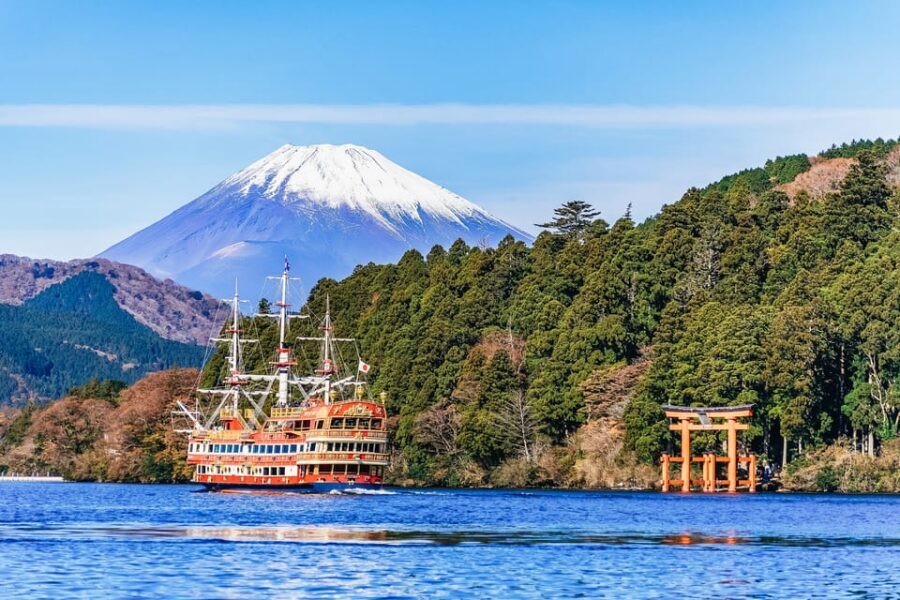
See Fuji from its 5th Station, ride Hakone’s ropeway and Lake Ashi cruise, then return to Tokyo by bullet train on this full-day tour.
Mt. Fuji’s 5th Station puts you high on the mountain, at about 2,000 meters, before the day shifts to Hakone’s ropeway and Lake Ashi. I like the variety: you get a close look at Fuji, a scenic boat ride and a return to Tokyo by Shinkansen, all without arranging separate transport. I also like that guides such as Yuta, Kazu, Aya and Lovely have led the tour, bringing local stories and practical help to a busy day.
The trade-off is the pace. Ten hours covers a lot of ground, and some stops can feel brief; weather, traffic or a closed ropeway can also alter the plan. Book this for a broad sampler, not a slow visit to any one place.
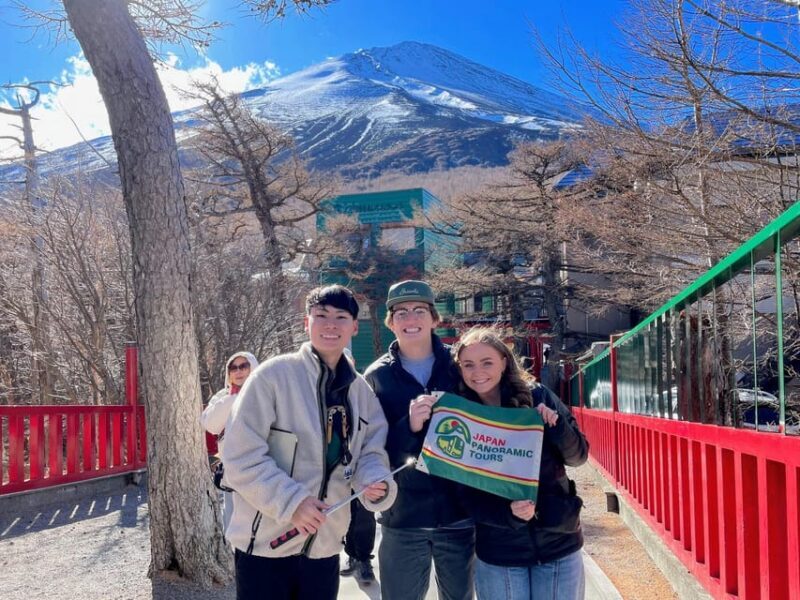
This is a day tour built around variety rather than long visits. You leave Tokyo by coach, head toward Mt. Fuji, continue to Hakone for a ropeway and boat ride, then return by bullet train. That mix saves you the work of coordinating several transport legs, and gives you a taste of two famous destinations in one day.
The trade-off is simple: the schedule has several moving parts. You get time to see each stop, but this is not a leisurely visit with hours to wander at the mountain or lakeside. If you like a full itinerary and want help joining the dots, the format makes sense. If you prefer to linger, consider choosing fewer stops on your own.
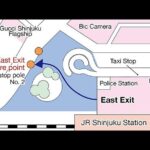
The tour lasts about 10 hours and returns to Tokyo Station around 6 p.m. Departure and pickup details depend on the option booked. The listed meeting points include Matsuya Ginza and the Love Statue in Shinjuku, so check your confirmation closely rather than heading to the first location you recognize.
More ways to experience Tokyo from the water include these boat tours
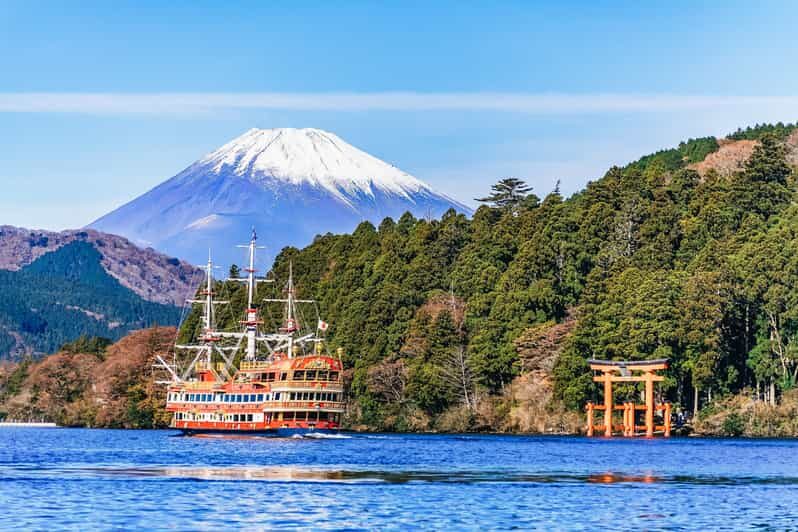
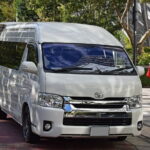
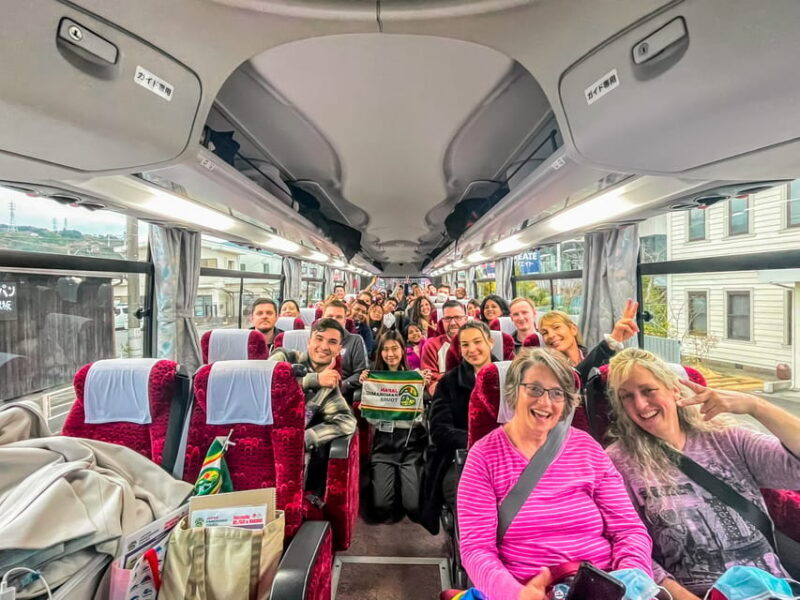
The day begins aboard an air-conditioned deluxe coach with Wi-Fi. The drive to the Fuji area takes about two hours, giving your guide time to introduce the day and share context as the city gives way to mountain country. The coach is useful here: the route covers considerable ground, and you can rest between stops instead of navigating transfers.
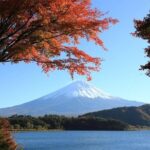
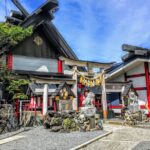
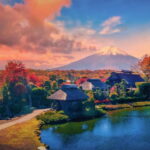
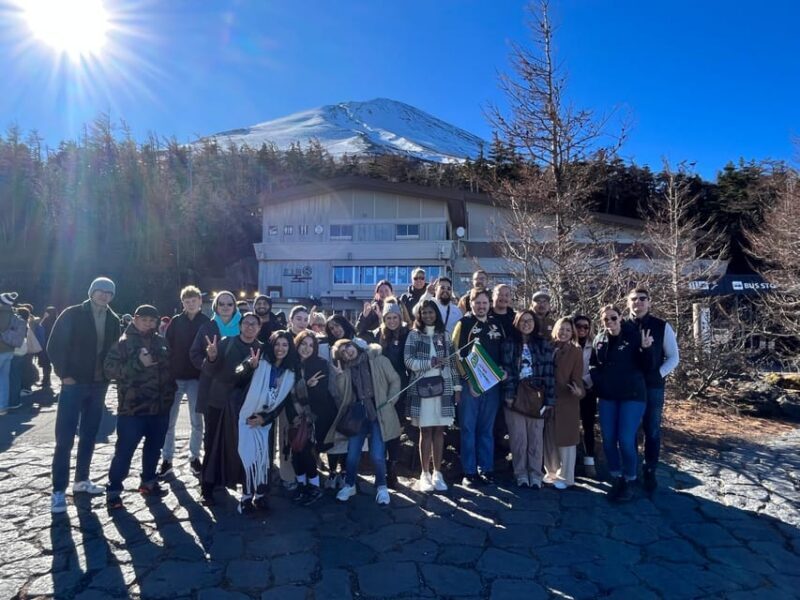
The main Fuji stop is the 5th Station, roughly 2,000 meters above sea level. It is a place to step out, take in the mountain air and visit a Shinto shrine in a setting that feels markedly different from central Tokyo. This is not a climb to the summit. Think of it as a high-altitude visit that brings you onto the mountain and gives you a closer sense of its scale.
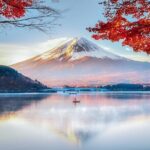
Fuji is Japan’s highest peak and has been a UNESCO World Heritage site since 2013. Even from the 5th Station, the view of the summit is never guaranteed. Cloud, rain, snow and wind can hide the mountain or affect road access, so keep your expectations flexible. Winter can be especially cold at altitude; bring warm clothing even if Tokyo feels mild.
If the road cannot safely take the coach beyond the 4th Station, the tour may substitute Oshino Hakkai or another scenic place. Traffic rules, weather and other operating conditions can also prevent the planned visit. The tour may offer an alternative activity or a gift, but the supplied terms say refunds are not given for these changes. If seeing the 5th Station is your one essential goal, this weather risk matters.
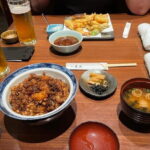
After Fuji, the coach stops for a Japanese buffet lunch at a location with a view of the mountain. The meal is a practical pause in a long day, and the buffet format gives you a chance to choose from what is served rather than rely on a single fixed dish. Some trips have featured hot pot, while the exact meal and venue may vary.
Lunch is included only if you select that option. The advice to book it in advance is worth taking seriously: changing your choice on the day incurs an extra charge. A vegetarian meal can be requested when booking and excludes meat, alcohol and seafood. Halal and vegan meals are not available, so anyone who needs those options should plan accordingly.
The timing may feel early. The lunch stop has been scheduled around 11 a.m. on some days, and the return to Tokyo is not until early evening. Bring a small snack if you know you get hungry between meals, though the tour information does not promise a later food stop. The lunch break can also feel rushed when the schedule is tight, so treat it as a functional stop, not a long restaurant visit.
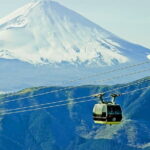
The tour then heads into Hakone, a well-known hot spring and resort area. Depending on the schedule, the ropeway portion takes place at Hakone Mountain or Komagatake Mountain. The cable car is a highlight because it gives you a broad view over the area from above. On clear days, Mt. Fuji may appear in the distance, but cloud cover can close that window quickly.
The ride is included, but operation is not assured. Strong wind, long queues or other disruptions can lead to a substitution or a change in the order of stops. On some departures, visitors have been offered an alternative such as shopping or a sake tasting when the ropeway was not practical. The precise alternative depends on conditions that day.
This is a good example of why the tour’s range is both its strength and its weakness. When the ropeway runs, it adds a memorable change of perspective. When it does not, Hakone still offers scenery and other possible stops, but you may not get the exact experience you pictured. The itinerary can also vary between Hakone Mountain and Komagatake, so do not plan around one specific route.
More Great Tours Nearby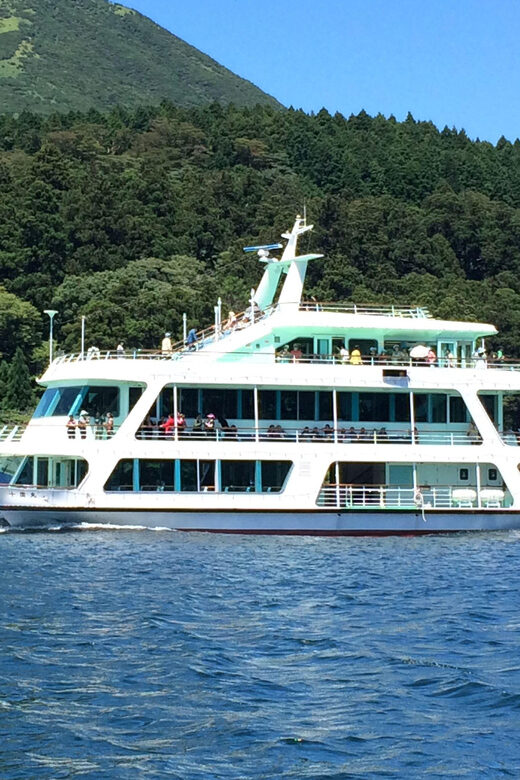
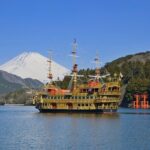
After the ropeway, the day continues to Lake Ashi, a caldera lake, for a scenic cruise. The water and surrounding mountains make a calmer contrast to the coach ride and cable car. On a clear day, Fuji can be visible from the area; at other times, the mountain may be hidden even if you saw it earlier.
The cruise is a ride, not a long guided tour on the water. The particular boat can vary, so avoid assuming it will match a picture or be a specific style of vessel. The ride gives you a different view of Hakone and a chance to sit down before the final leg. If you want detailed commentary throughout, that is not guaranteed.
Lake Ashi and the ropeway are included in the package, but weather and service interruptions can affect them. Possible alternatives named for changed plans include the Lake Yamanaka Swan Lake cruise, an Ashinoko sightseeing boat, Hakone Shrine, Hakone Sekisho, Odawara Castle and Oshino Hakkai. The operator may choose among alternatives depending on the circumstances; the schedule is not fixed in every detail.
The final leg is a train from Odawara Station to Tokyo Station. The tour includes a one-way Shinkansen ticket, and the train segment is listed as about 40 minutes, while the tour description also calls it a 30-minute ride. Either way, it is a quick finish compared with returning by road, and a fitting final taste of Japan’s fast rail network.
This is a one-way ticket, not a round trip. If you have a JR Pass, the tour information advises booking the return-by-bus option instead. That detail can affect the value calculation, so compare the tour options before booking rather than paying for a train ticket you do not need.
The coach and train combination is one of the tour’s strongest practical features. You avoid having to work out the route from Tokyo to Fuji, connect onward to Hakone, and then find your own way back. In exchange, you follow the group’s schedule and have less freedom to stay longer at a favorite stop.
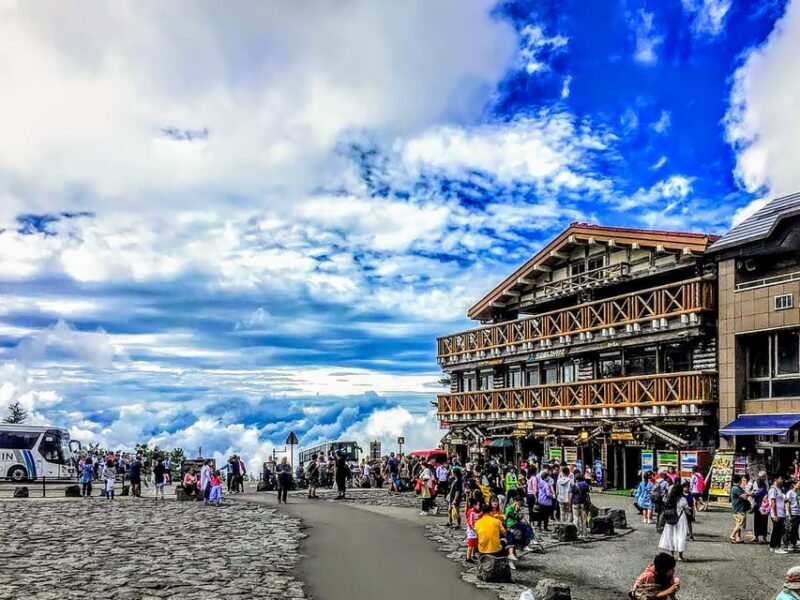
At $154 per person, the tour’s value comes from bundling transport and several major activities. The package includes the deluxe coach, Wi-Fi, an English-speaking guide, Hakone ropeway ticket, Lake Ashi cruise ticket and one-way Shinkansen ticket. The lunch buffet is included only when you choose the lunch option. Hotel pickup and drop-off are not included.
For a day trip with multiple transport modes, the bundled tickets and guided coordination can make the price worthwhile, especially if you want to cover Fuji and Hakone without organizing separate bookings. The guide also helps make the coach time useful, explaining the places and keeping the group informed when plans change. Guides named on this route include Yuta, Kazu, Aya, Lovely, Angela, Yui, Sora and Levin, though you cannot select a particular guide.
The value is less compelling if you already have a JR Pass and do not choose the appropriate bus-return option, or if you want a slow, flexible day. You should also account for the cost of lunch if you skip the included meal and buy food separately. Since lunch choice changes on the day carry an extra charge, decide when you book.
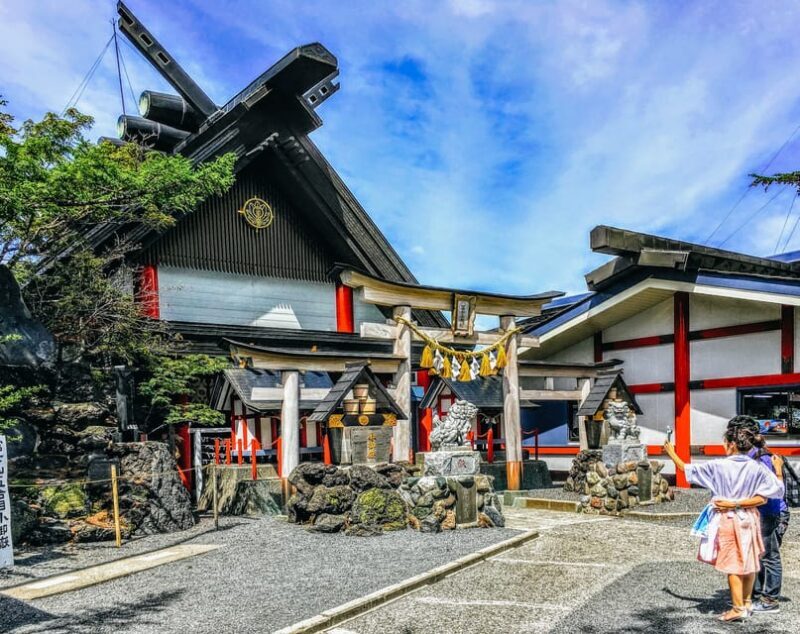
I would choose this trip if you have limited time in Tokyo and want a guided overview of Fuji and Hakone in one day. It suits people who value a ready-made route, want the coach and train logistics handled, and are happy to make the most of a packed schedule. The guide’s role is particularly useful when weather forces a change or when you want context during the long drives.
It is less suited to anyone who wants to climb Fuji, spend a long stretch at the 5th Station, or explore Hakone at their own pace. The tour is also not suitable for pregnant women, people with respiratory issues, or people with pre-existing medical conditions, according to its restrictions. Comfortable shoes and warm clothes are recommended; drones are not allowed.
Book it with the understanding that Fuji’s visibility and the Hakone activities depend on conditions. If you can accept that uncertainty, the combination of mountain, ropeway, lake cruise and bullet train makes for an efficient day out. If one exact stop matters more than the overall mix, plan a more flexible visit instead.
“Our guide Lisa was great. Super informative, lovely and made the day trip so enjoyable. She spoke English very well too! Buffet lunch was very nice…”
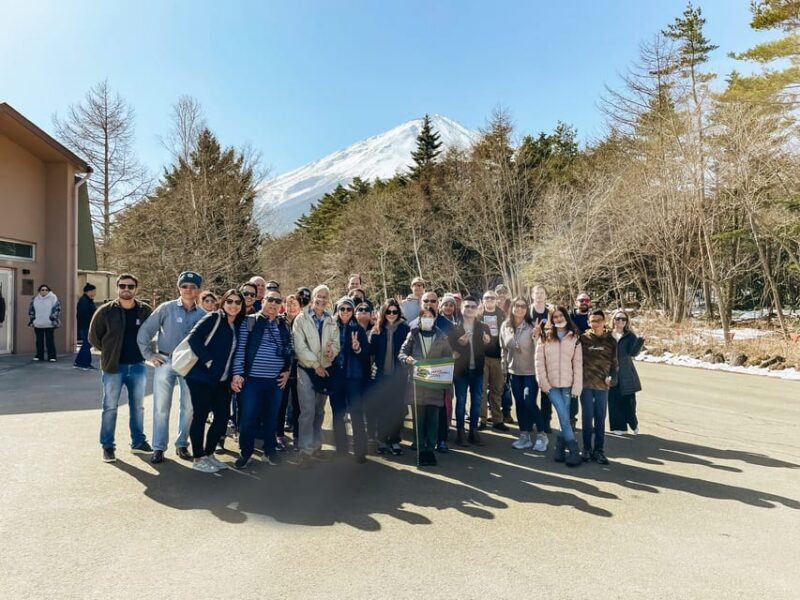
The tour lasts about 10 hours and is expected to return to Tokyo around 6 p.m. Starting times depend on availability.
The meeting point varies with the option booked. Listed pickup points include Matsuya Ginza and the Love Statue in Shinjuku, so check your booking details for your assigned location.
Only if you select the lunch option. Vegetarian meals can be requested when booking; halal and vegan meals are not available.
The tour may visit Oshino Hakkai or another scenic place instead. Weather, traffic rules and road conditions can affect access, and the tour information says refunds are not given for these changes.
The live guide speaks English. Audio headsets are available in Spanish, French, Italian, German, Portuguese and Ukrainian.
Yes. The tour includes a one-way Shinkansen ticket from Odawara Station to Tokyo Station. If you have a JR Pass, the tour advises booking the return-by-bus option.
Wear comfortable shoes and bring warm clothing, particularly for the high-altitude Fuji stop. Drones are not allowed.
You can check availability for your dates here: