Physical Address
304 North Cardinal St.
Dorchester Center, MA 02124
Physical Address
304 North Cardinal St.
Dorchester Center, MA 02124


Explore Warsaw’s Jewish history on this private walking tour featuring landmarks like the Noyk Synagogue, Ghetto Wall, and POLIN Museum from the outside.
Exploring Warsaw’s Jewish heritage through a guided walking tour offers an authentic and deeply moving experience. This tour, priced at $238 for groups up to 20 people, takes about 3 to 7 hours depending on your pace and interests. It’s a thoughtful way to uncover the city’s complex past, with stops including historic synagogues, ghetto remnants, and memorials.
What we really appreciate about this experience is its focus on outside visits—meaning you can soak in the history without the hassle or expense of entry fees. The tour also offers a chance to hear local insights, which often reveal lesser-known stories that enrich your understanding of Warsaw’s Jewish community.
A potential consideration is the length—while some might prefer the full 7-hour deep dive, others might find the 3-hour version more suitable if time is limited. Also, as it’s a walking tour, comfortable shoes and a moderate level of mobility are recommended.
This experience is best suited for history buffs, those interested in Holocaust remembrance, or travelers who want a meaningful, educational walk through one of Warsaw’s most poignant districts. It’s perfect for anyone looking for a balanced, insightful introduction to Jewish Warsaw, with a knowledgeable guide leading the way.


If you enjoy exploring Warsaw on foot, these walking tours might also suit your style
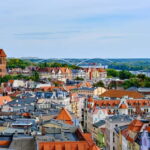
The tour kicks off at Prozna 14, on the corner of Prozna Street and Grzybowski Square. This site is historically significant as Prozna is the only original street still lined with many of the tenement houses that once made up the Jewish Ghetto. Walking down Prozna, you immediately get a sense of the city’s pre-war Jewish neighborhood—the architecture and narrow street layout are tangible reminders of Warsaw’s once-thriving Jewish community.
From here, the guide, often someone like a knowledgeable local with a passion for history, begins sharing stories that bring the place alive. The walk to Grzybowski Square is about 30 minutes and offers a chance to see remnants of the ghetto’s boundaries, adding context to the rest of the tour.
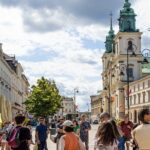
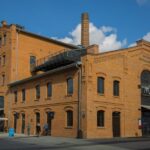
Next, the group visits the Nozyk Synagogue, the only prewar Jewish house of prayer in Warsaw that survived the war. Our guide emphasized that this synagogue is not just an architectural relic but a symbol of resilience. It survived because it was repurposed as a warehouse during the communist era, which shielded it from destruction.
While you’ll be viewing it from the outside, the significance of this building is palpable. Many reviews mention being struck by how this structure stands amidst modern Warsaw, a quiet reminder of what once was. Interestingly, the guide shares stories of the community that once worshipped here and how it survived years of hardship.
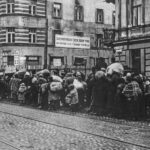
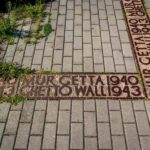
One of the most poignant parts of the tour is walking along the remains of the Ghetto Wall. While only fragments remain, they carry enormous weight—acting as a physical boundary that once divided the Jewish district from the rest of Warsaw. The guide points out where the wall once stood and discusses its role during WWII.
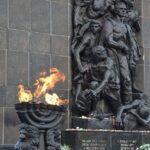
Another highlight is the Ghetto Heroes Monument, constructed from stones meant for Nazi monuments—an act of reclaiming and transforming symbols of oppression. The guide explains that the monument commemorates those who fought and died in the Warsaw Ghetto Uprising, making it a powerful site for reflection.
More Great Tours NearbyA walk along the designated street named after Ludwik Zamenhof, the creator of Esperanto, offers a moment of cultural connection. The street is marked with black stone blocks bearing the names of Jews who fought in the uprising, creating an open-air memorial that helps visitors grasp the scale of resistance.
The tour also touches on the story of Jewish orphans, with a visit to a building that once housed their home. The guide points out the monument dedicated to its founder and some sculptures of Jewish children—adding emotional depth to the visit.
For a more personal experience, these private Warsaw tours deliver individual attention
A sobering part of the tour involves Gesiowka concentration camp, built on the site of the Ghetto’s ruins. Here, almost 5,000 Jews—many from Greece, France, and Hungary—were transported to Auschwitz. The guide describes the camp’s history and its role in the Holocaust, emphasizing its significance as a memorial site.
In the camp’s yard, you will see the engraved verse from the Book of Job (16:18)—”O earth, cover not thou my blood, And let my cry have no resting-place.” This poetic yet tragic inscription adds a layer of solemnity to the visit.
The tour ends near the POLIN Museum of the History of Polish Jews—though the visit is outside, the museum’s modern architecture stands out as a testament to contemporary remembrance efforts. From here, you’ll learn about the dual meaning of the word “POLIN”—both a pond and a symbol of Jewish history and memory.
While tickets to go inside the museum are not included, many travelers find it worthwhile to return later for a comprehensive experience. The outside tour provides enough historical context to deepen your appreciation before you decide to explore further.
The tour is designed to be flexible, running anywhere from 3 to 7 hours, depending on your pace and interests. With a small group size of up to 10 participants, the experience feels intimate, allowing for questions and personal engagement. The guide speaks multiple languages—English, Spanish, French, German, and Russian—ensuring a clear and engaging narrative.
Starting at Prozna 14, the tour concludes back at the same point, making it easy to plan other activities afterward. The cost is $238 for the entire group, which breaks down to a manageable price considering the personalized nature and depth of the experience. As most sites are viewed from the outside, there are no entrance fees—great for travelers on a budget who want a meaningful experience without additional costs.
The guide, fluent in English, is the main component of the tour, offering insightful storytelling that brings history to life. However, entry to the POLIN Museum is not included, so if you want to explore the museum’s exhibits, you’ll need to purchase tickets separately. Food, drinks, and hotel pickup are also not part of the package, so plan accordingly.
The tour is wheelchair accessible, which is a significant plus for travelers with mobility concerns. The small group limit ensures a more personalized experience and the chance to ask plenty of questions.

This tour is perfect for history enthusiasts, educators, or anyone interested in understanding the Jewish experience in Warsaw during WWII. If you’re seeking emotional resonance, the visual storytelling of the ghetto walls, monuments, and memorials will leave a lasting impression. It’s especially suitable for travelers who appreciate walking and are comfortable with a moderate amount of physical activity.
While not a comprehensive inside museum visit, it offers a powerful outside perspective that complements other cultural explorations in Warsaw. Families with older children, students, and adult travelers all find value here—especially those drawn to stories of resilience and resistance.

The Warsaw Jewish Heritage Private Walking Tour offers an engaging, respectful, and insightful look into a deeply impactful chapter of Warsaw’s history. It balances outside sight-seeing with storytelling that makes the past accessible and meaningful. The small group setting and expert guide enhance the experience, making it suitable for those who want a more personal and authentic encounter.
For anyone interested in Holocaust remembrance or Jewish history, this tour provides a solid foundation, enriched with local insights and tangible memorials. It’s a meaningful way to connect with Warsaw’s past, and a respectful tribute to those who endured unimaginable hardship.
If you’re prepared to walk, listen, and reflect, this tour will leave you with a profound understanding of Warsaw’s Jewish community and their enduring legacy.

Is this tour suitable if I have limited mobility?
The tour is wheelchair accessible, but since it involves walking through various sites, some comfort with movement is recommended.
Are entrance fees included?
No, the tour focuses on outside visits. You’ll see landmarks from the outside; entrance to the POLIN Museum requires a separate ticket.
What languages are available for the guide?
Guides are available in English, Spanish, French, German, and Russian, ensuring clear communication for a diverse group.
How long does the tour last?
It ranges from 3 to 7 hours, depending on your pace and interest level. You can check availability for specific starting times.
What’s the group size?
Limited to 10 participants, providing a more intimate and personalized experience.
Do I need to book in advance?
Yes, reservations are recommended, especially during peak seasons. You can cancel up to 24 hours in advance for a full refund.
Can I buy tickets to the POLIN Museum after the tour?
Yes, the tour ends outside the museum, and you can choose to purchase tickets afterward for further exploration.