Physical Address
304 North Cardinal St.
Dorchester Center, MA 02124
Physical Address
304 North Cardinal St.
Dorchester Center, MA 02124

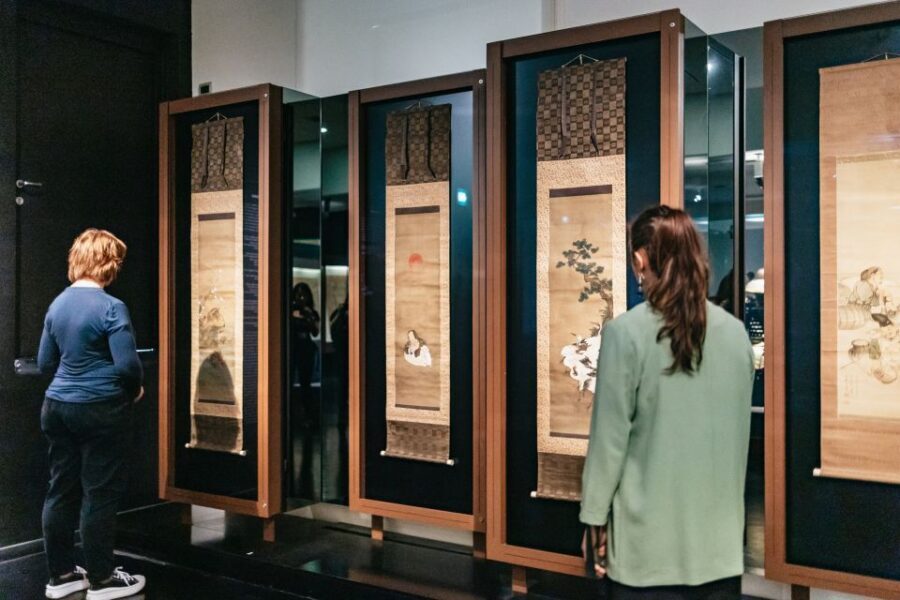
Discover the beauty of Eastern art at Turin’s Museum of Oriental Art. Enjoy a well-curated collection, expert pieces, and authentic exhibits for just $11.
Visiting the Museum of Oriental Art in Turin offers a fascinating journey through the art and artifacts of Asia and beyond. With nearly 2,300 works spanning from the Neolithic period to the early 20th century, this museum packs a compelling punch for lovers of history and culture. It’s a well-respected institution, especially noted for housing Italy’s most important collection of Chinese funerary art and an impressive collection of archaeological finds.
What really stands out about this experience is the thoughtfully curated collection that covers a vast geographical area—from South and Southeast Asia to Japan, the Himalayan region, and Islamic territories. For just $11, visitors get access to five galleries brimming with artifacts, sculptures, and artworks that tell stories spanning thousands of years.
One thing to keep in mind is that the tour is a self-guided experience, so if you’re someone who prefers guided insights or interactive tours, you might find this a bit limited. However, the museum’s extensive collection means there’s plenty to discover at your own pace. This experience is best suited for travelers with an interest in historic art, archaeology, or Asian cultures looking for a meaningful cultural fix in Turin.
You might also be interested in these Turin experiences
Nestled within the cultural landscape of Piedmont, the Museum of Oriental Art (Mao) is a jewel for those seeking a deep understanding of Eastern artistic traditions. The museum’s building itself is discreet, but once inside, it welcomes visitors into galleries that are both spacious and thoughtfully arranged.
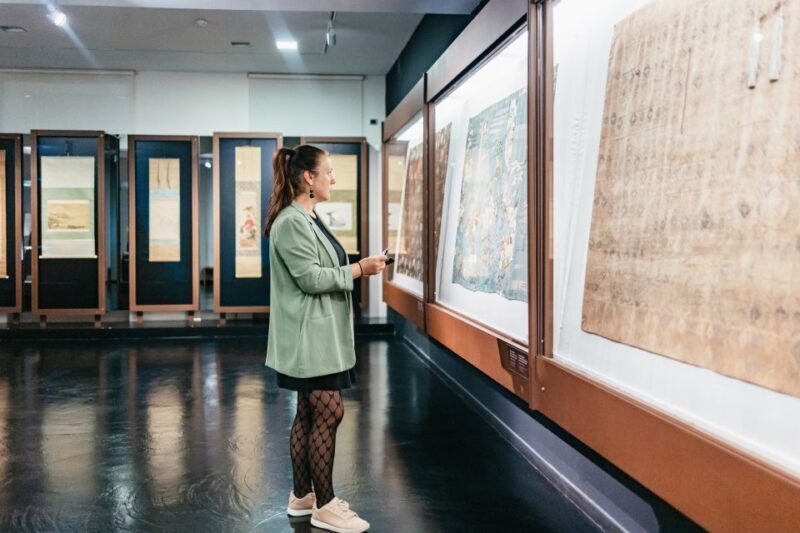
The collection comprises around 2,300 works—a treasure trove for enthusiasts or casual visitors curious about different cultures. The museum’s specialty, notably, is Chinese funerary art, which is claimed to be the most important in Italy. This includes intricately decorated burial objects, sculptures, and ceremonial items that offer insights into ancient Chinese burial practices and beliefs.
The archaeological finds—over 1,400 from pre-Islamic Iraq excavations—are also fascinating. These artifacts from Seleucia and Coche provide a glimpse into early civilizations, offering a tangible connection to the past. Expect to see a variety of sculptures, pottery, and ritual objects that showcase the diversity and ingenuity of ancient peoples.
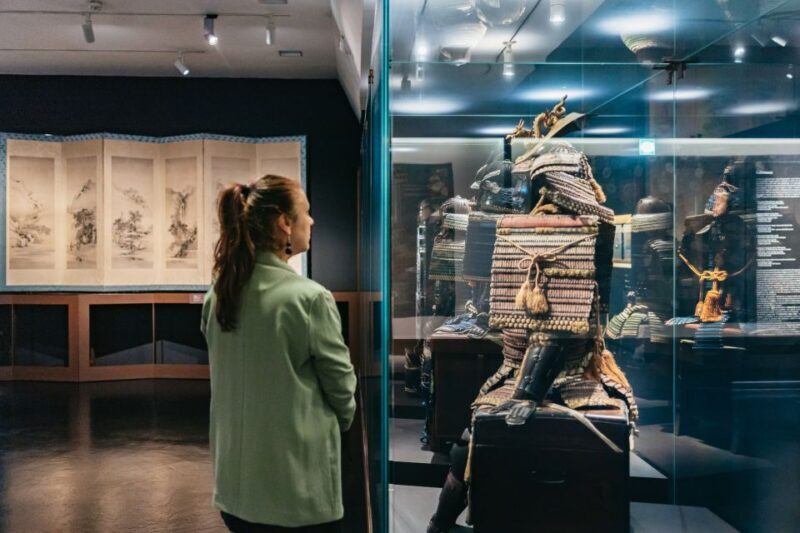
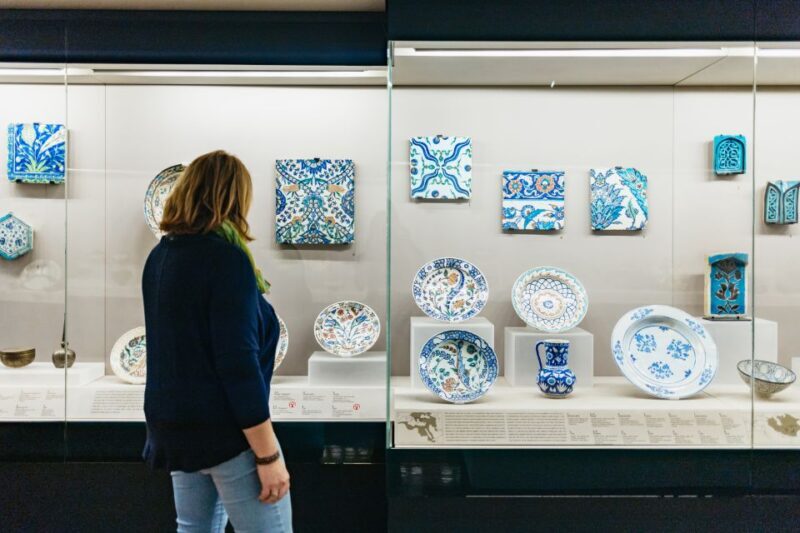
The five main galleries are divided by region and theme, allowing for a curated journey through different parts of Asia. Visitors will find sacred Japanese art, which might include ceremonial objects or traditional textiles, alongside Himalayan art, potentially including statues or religious items. Islamic art, another highlight, offers a different perspective on spiritual and everyday life, enriching the overall experience.
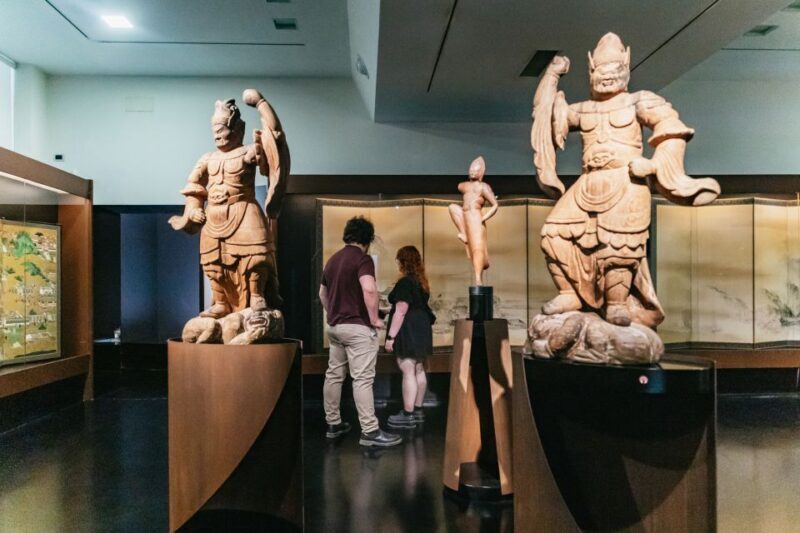
More Great Tours NearbyA standout piece, according to reviews, is the Kongo Rikishi—a large, seated sculpture on a rock base that leaves an impression of both power and serenity. Visitors mention that the museum’s accuracy and depth make it a worthwhile stop, especially given the rarity of such detailed collections in Italy.
Culture seekers can explore more Turin museums and galleries
Since the ticket grants one-day access, plan to arrive early or during quieter hours to fully enjoy the exhibits without feeling rushed. Be prepared to explore independently—no guided tours are included—so take advantage of the available information plaques or consider bringing a guidebook or digital resource.
Reviewers frequently mention the quality and diversity of the artifacts, with one noting, “The collection of Chinese funerary art is extraordinary, and it’s rare to see such a comprehensive display outside China.” Another reviewer appreciated the independent exploration, saying, “It’s a quiet, contemplative space where you can really take your time with each piece.”
Some travelers did mention that the lack of guided tours may be a downside if you’re seeking more narrative or historical context, but most felt that the well-curated displays and detailed plaques compensated for that.
This museum visit is perfect for culture enthusiasts, art lovers, and history buffs who enjoy discovering artifacts at their own pace. It’s also ideal for those on a budget—offering significant value at just $11—especially if you appreciate a quiet, contemplative environment. If you’re traveling with family or friends interested in Asian arts or archaeology, this museum provides an enriching experience that doesn’t require a hefty ticket or guided tour.
Those looking for a more interactive or guided experience might want to supplement their visit with a guided tour or temporary exhibits if available, but the core collection alone offers plenty to absorb.
Is the ticket valid for multiple visits?
No, the ticket is valid for just one day, so plan to see everything in a single visit.
Are guided tours included?
No, guided tours are not included, but the museum’s plaques and displays are designed for independent exploration.
Is the museum accessible for wheelchairs?
Yes, the museum is wheelchair accessible, making it suitable for all visitors.
Can I bring large bags or luggage inside?
No, large bags and luggage are not allowed inside, so plan to leave them at your accommodation or storage.
Are pets allowed?
Pets are not permitted, but assistance dogs are welcome.
Can I take photos inside the museum?
Flash photography is prohibited to protect the artworks, but general photography is allowed.
If you’re seeking a calm, enriching cultural experience in Turin, the Museum of Oriental Art deserves a spot on your itinerary. The collection’s depth and focus make it a must-visit for those interested in Asian art, archaeology, or simply looking to enjoy some seriously impressive artifacts without spending a fortune. Its affordability, combined with the museum’s expertise and curated exhibits, provides excellent value for a half-day or even just an hour of quiet discovery.
While it doesn’t feature guided tours, the museum’s well-designed displays and informative plaques make it accessible for independent travelers eager to learn at their own pace. Plus, being wheelchair accessible and budget-friendly, it’s a considerate choice for a diverse range of visitors.
Ultimately, this museum offers meaningful insights into the artistic and spiritual worlds of ancient and modern Asia, making it a rewarding stop for a truly authentic and culturally rich experience in Turin.
You can check availability for your dates here: