Physical Address
304 North Cardinal St.
Dorchester Center, MA 02124
Physical Address
304 North Cardinal St.
Dorchester Center, MA 02124

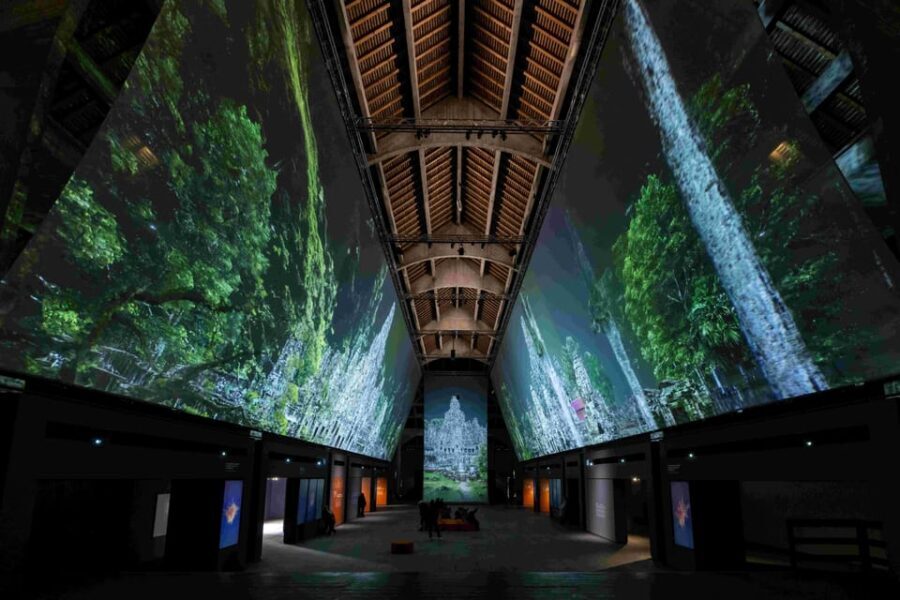
Discover the UNESCO-listed Royal Salt Works in Arc-et-Senans with an insightful tour featuring augmented reality, historic architecture, and beautiful gardens.
Setting the scene
If you’re curious about industrial history or love exploring architectural marvels, then a visit to the Royal Salt Works in Arc-et-Senans offers a fascinating glimpse into 18th-century innovation. This UNESCO World Heritage Site isn’t just about salt; it’s a showcase of Enlightenment-era design by Claude-Nicolas Ledoux, blending history, architecture, and nature in one beautifully restored location. We’ve looked into this experience, and it’s clear that it offers both enriching insights and picturesque scenery.
What we like most? The use of HistoPad technology for an augmented reality tour offers a modern twist that makes history come alive. Plus, the expansive 13-hectare park with 30 gardens provides plenty of space for wandering and enjoying the outdoors.
A potential consideration? The tour’s duration of 2 to 3 hours might feel tight if you’re a slow explorer or want to linger longer at each exhibit. Also, while the price is modest at just $15, keep in mind that this fee covers access to extensive exhibits, gardens, and technology, so it’s quite good value.
Ideal for history buffs, architecture enthusiasts, and those who enjoy combining cultural education with scenic walks. It’s perfect for travelers looking for a meaningful day trip from nearby cities like Paris, Lyon, or Geneva.
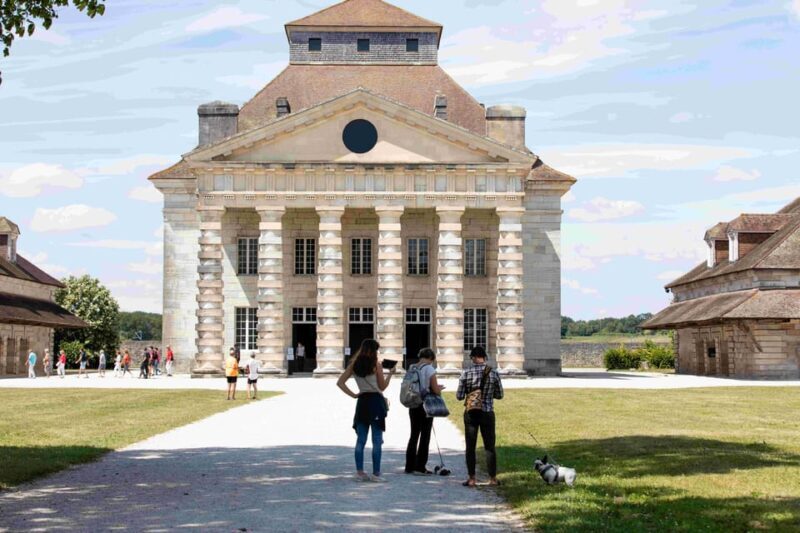
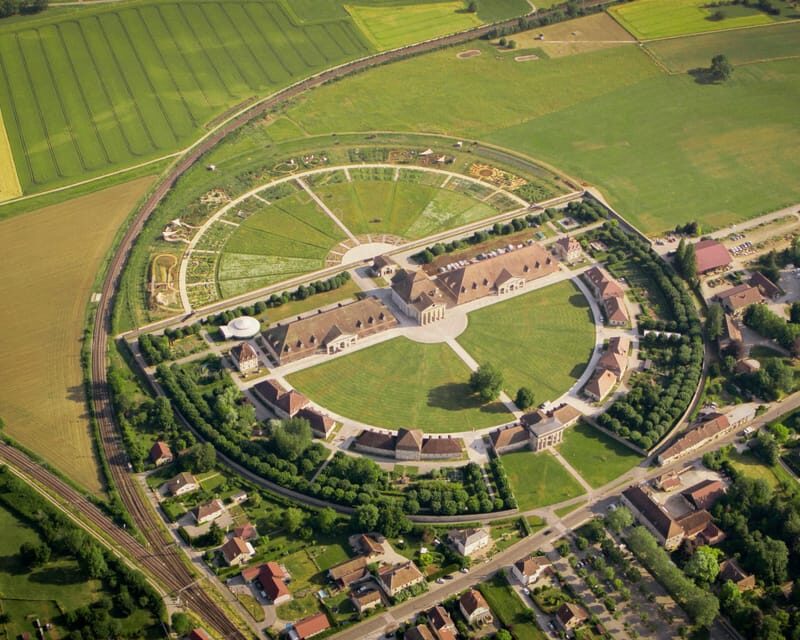
Constructed between 1775 and 1779, the Saline Royale was commissioned by King Louis XV as an innovative salt manufacturing complex designed by architect Claude-Nicolas Ledoux, a visionary of the Enlightenment. Unlike typical industrial sites, this saltworks was an entire community, with its circular layout housing production facilities, living quarters, and support buildings—all crafted to embody rational design and efficiency.
The site’s role was pivotal—producing salt for much of France—until technological advances rendered it obsolete in 1895. After falling into disrepair, it was saved from ruin in the late 1920s, culminating in restoration efforts completed by 1996. Today, it stands as a testament to early industrial architecture and urban planning, with its preserved structures offering a window into 18th-century ingenuity.
Starting with the entry, visitors are greeted with a sense of stepping back in time. The 11 buildings that comprise the complex include the production facilities, living quarters, and administrative offices. We loved the way the site’s circular configuration reinforces Ledoux’s aesthetic ideals—balanced, harmonious, and thoughtfully planned.
The HistoPad—a key feature of the tour—is your digital guide, overlaying augmented reality onto the physical site. As you walk through, you can see reconstructed buildings and scenes from the past, which makes understanding the layout and historical functions much easier. Visitors have praised this tech for making the experience both engaging and educational, with one reviewer noting, “Le film projeté is surprisingly well-done, bringing the site’s history to life.”
Beyond the historic buildings, the 13-hectare park surrounding the complex is a highlight. With 30 wooded gardens, each offers a different horticultural theme or landscape, from formal flower beds to more naturalistic areas. The gardens are a perfect complement to the architecture, providing a peaceful setting for reflection and photos.
The site’s proximity to the Chaux forest, France’s second-largest natural forest, adds to the outdoor appeal. Visitors can comfortably combine a cultural visit with some fresh air and nature walks.
Along With the core site, the Centre des Lumières hosts various exhibitions—both permanent and temporary—that showcase the site’s history, the life of Ledoux, and the broader context of salt production in Franche-Comté. We appreciated the “Histoires de Sel” exhibition, which dives into the history and cultural significance of salt across centuries.
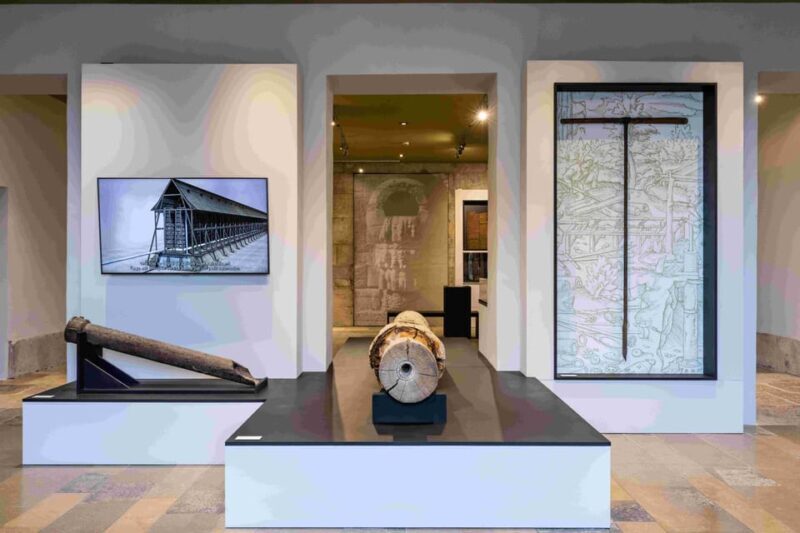
Ledoux’s museum provides insight into his architectural philosophy, highlighting models and sketches that reveal his innovative approach. The “Memory of Place” exhibition adds a poetic touch, emphasizing the site’s connection to local identity.
The tour lasts approximately 2 to 3 hours, giving enough time to enjoy the exhibits, gardens, and the immersive AR experience without feeling rushed. The price of $15 is a strong value considering the breadth of access—plus, it includes the use of the HistoPad, multiple language options for audio guides**, and access to the entire park.
Since the site is wheelchair accessible and offers guidance in languages including French, English, German, Dutch, Spanish, Portuguese, Italian, Chinese, Japanese, Korean, and Russian, it’s suitable for diverse visitors.
A quick note from reviews: one visitor mentioned, “The film projected at the site is quite good,” indicating that some multimedia presentations are particularly engaging. Also, booking in advance and canceling up to 24 hours before is straightforward, offering flexibility in planning your trip.
This tour’s value proposition is strong—for just $15, you gain access to a UNESCO site, modern digital guides, beautiful gardens, and fascinating history. It’s especially appealing for history enthusiasts and architecture lovers who want a deeper understanding of 18th-century innovation. It also suits families and curious travelers eager to combine outdoor exploration with cultural education.
However, those expecting a hands-on, interactive salt-making demonstration might be disappointed, as the focus is more on architecture and history rather than active participation. Still, the augmented reality component significantly enhances the storytelling.
The Royal Salt Works in Arc-et-Senans offers a genuinely enriching experience. You’ll walk through historic buildings once vital to salt production, marvel at Ledoux’s architectural genius, and stroll through lush gardens—all within a well-preserved UNESCO World Heritage site. The inclusion of modern HistoPad technology makes the experience accessible and engaging, especially for visitors who appreciate digital enhancements.
It’s an ideal day-trip destination for those interested in industrial history, architecture, or landscape design, and it provides good value for the modest entry fee. Whether you’re a solo traveler, couple, or family, this site combines education, beauty, and a touch of innovation, making it a memorable part of any Northern France itinerary.
If you love exploring sites with a story and a sense of place, this tour checks all the boxes. Just be prepared for a relaxed pace and an appreciation for thoughtful design and history.
“Le film projeté”
How long does the visit typically last?
Expect your visit to take about 2 to 3 hours, giving enough time to explore the buildings, gardens, and exhibits at a comfortable pace.
Is the tour suitable for non-French speakers?
Absolutely. The tour offers an audio guide in multiple languages, including English, German, Dutch, Spanish, Portuguese, Italian, Chinese, Japanese, Korean, Russian, and more, making it accessible for international visitors.
What is included in the ticket price?
Your ticket grants access to all museums, permanent and temporary exhibitions, the Claude Nicolas Ledoux Museum, the Centre des Lumières, and the 13-hectare park with its 30 gardens. The HistoPad for augmented reality tours is also included.
Can I cancel my booking if my plans change?
Yes, you can cancel up to 24 hours in advance for a full refund, which provides some peace of mind when planning your trip.
Is the site accessible for visitors with mobility issues?
Yes, the site is wheelchair accessible, ensuring that most visitors can enjoy the experience comfortably.
Would this experience suit families or children?
Yes, the site is family-friendly, especially with the interactive AR tour and the spacious gardens. Kids and adults alike will find the mix of history and nature engaging.
This detailed look at the Royal Salt Works in Arc-et-Senans should help you decide if this intriguing stop fits into your French travel plans. It’s a balanced blend of education, architecture, and outdoor enjoyment, all at a very reasonable price.