Physical Address
304 North Cardinal St.
Dorchester Center, MA 02124
Physical Address
304 North Cardinal St.
Dorchester Center, MA 02124

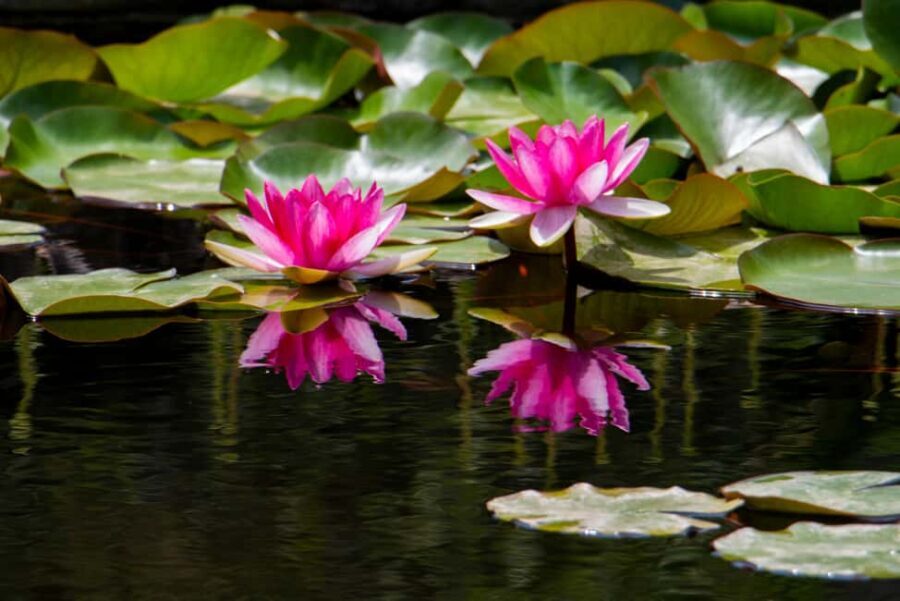
Discover the unique Balearic biodiversity at Sóller’s only botanical garden and natural sciences museum. An affordable, educational experience for nature lovers.
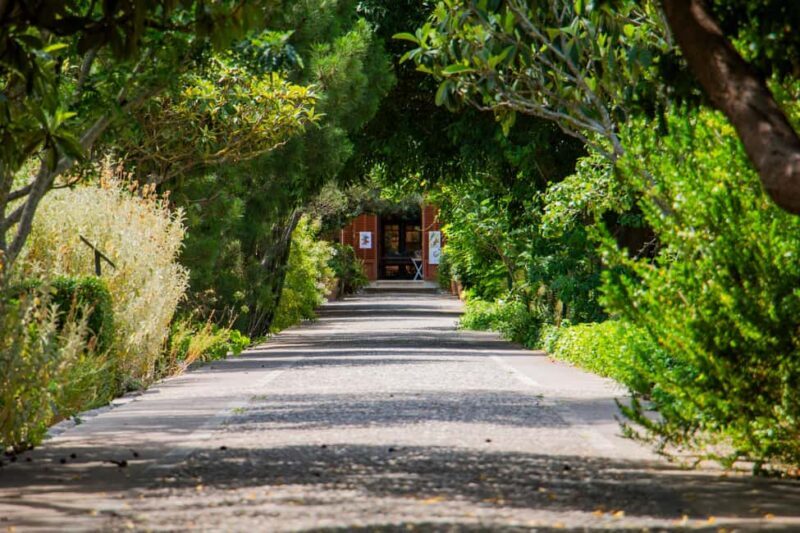
If you’re curious about the plants, geology, and wildlife that make the Balearic Islands special, then a visit to the MUCBO | Jardí Botànic de Sóller might pique your interest. This combined botanical garden and science museum offers a chance to explore Mallorca’s natural heritage in one spot—an oasis of green and knowledge. While it may not be the most polished attraction, it’s a sincere effort to share the islands’ ecological story, especially for those keen on conservation and natural sciences.
What we appreciate most about this experience is its focus on local biodiversity and scientific research. It’s not just about pretty plants; it’s about understanding what makes the Balearics unique. However, a couple of reviews hint at some logistical and maintenance issues, such as parking difficulties and signs of neglect in parts of the garden. Still, for travelers fascinated by nature or with an interest in environmental education, this place can be quite enlightening. Overall, it suits visitors who enjoy quiet, educational outings and don’t mind a bit of rustic charm.
You can check availability for your dates here:Culture seekers can explore more Mallorca museums and galleries
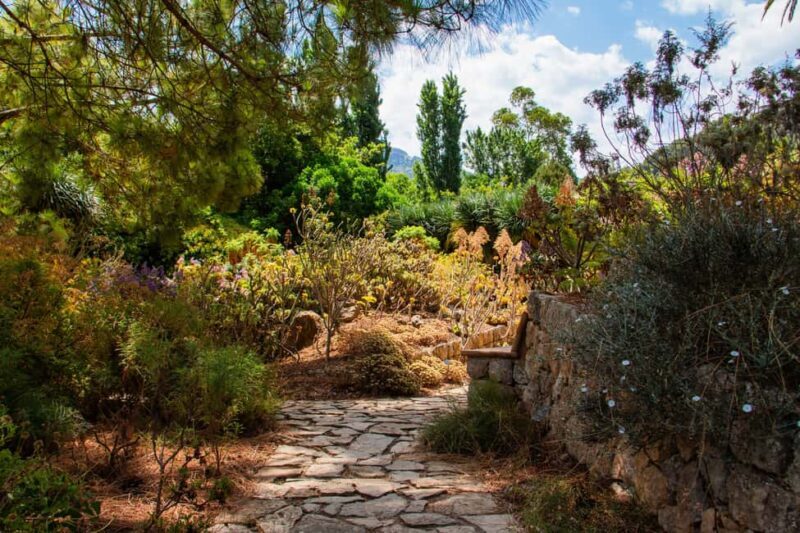
The MUCBO (Museu Balear de Ciències Naturals) combines Mallorca’s only botanical garden with a science museum dedicated to natural sciences. This pairing means visitors can explore both living plants and scientific exhibits in one visit, making it an engaging spot for those curious about the island’s natural environment. The focus is on research, conservation, and education, with the institution having a legacy of over 30 years.
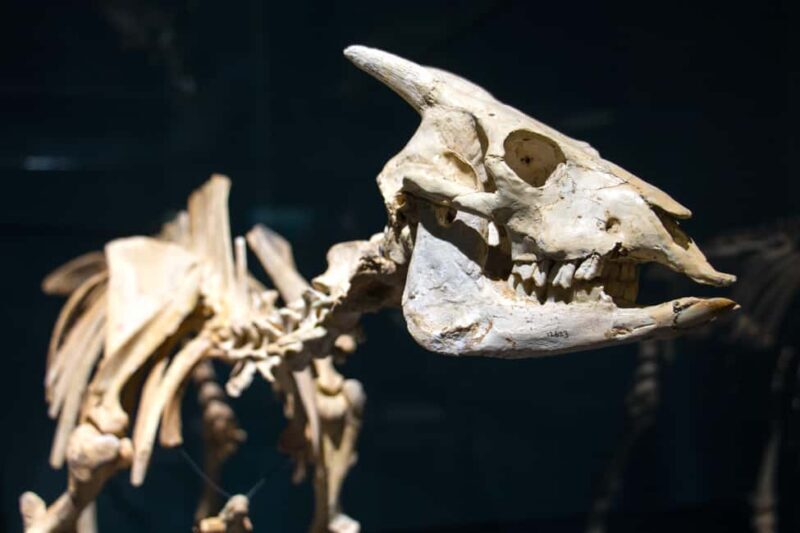
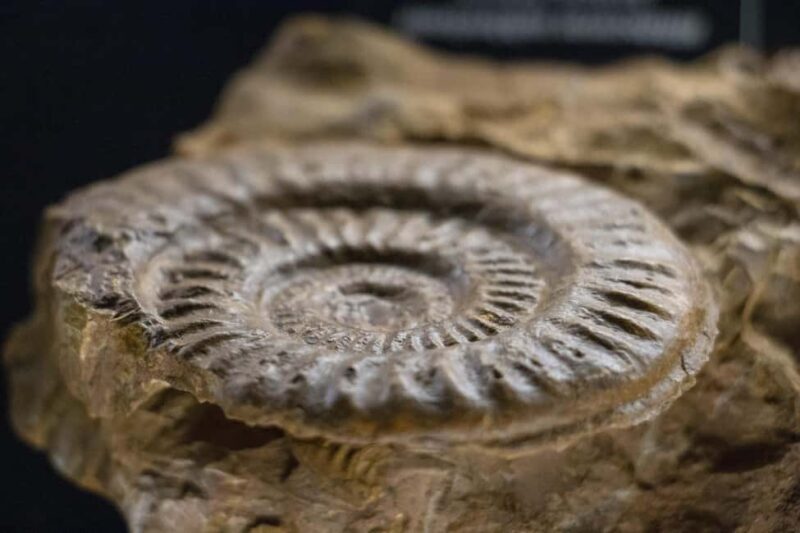
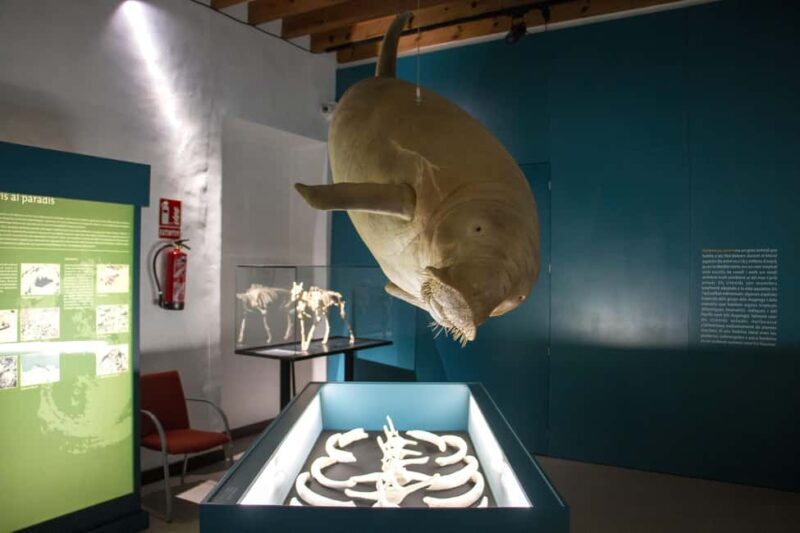
The Botanical Garden itself contains a collection of living plants, herbarium specimens, and a germplasm bank—essentially a seed bank that preserves plant diversity. Meanwhile, the Science Museum features displays on geology, paleontology, and contemporary biodiversity. The institution also hosts workshops, conferences, and school visits, confirming its role as a hub for environmental learning.
What sets this location apart from other botanical or science museums? It’s the dedication to local biodiversity and scientific research. Unlike more commercial or ornamental gardens, this one emphasizes conservation and understanding of Mallorca’s natural ecosystems. Visitors can get a glimpse into the island’s geology, fossil record, and native plant species, making it more educational than decorative.
The fact that it’s the only botanical garden and the only natural sciences museum on Mallorca makes it a rare find. For travelers who love discovering lesser-known sites and want to learn about the island’s ecology, it offers a meaningful experience. The institution’s ongoing research and conservation projects lend credibility and depth to the exhibits.
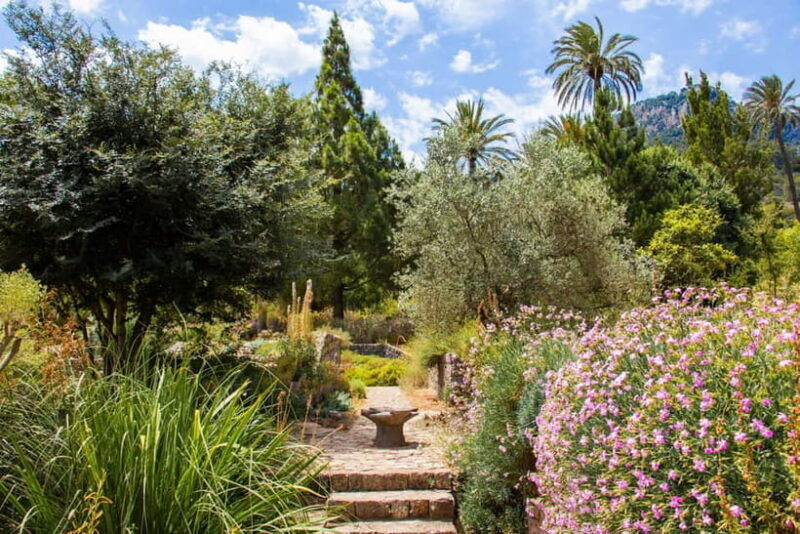
Your ticket grants access to both the botanical garden and the science museum, which are located on the same premises. As you stroll through the garden, you’ll see a variety of native and Mediterranean plants, with some sections dedicated to herbaceous species and others to more rare or endangered plants. The herbarium and germplasm bank are less visible but provide insight into ongoing conservation efforts.
Inside the museum, expect to find permanent exhibits on geology and paleontology, along with interactive displays on the biodiversity of the Balearic Islands. Some content is in its original language, which might be worth noting if you’re not fluent.
You should plan for about an hour or two to see everything comfortably. The site is wheelchair accessible, making it easier for visitors with mobility needs. Keep in mind that some visitors have noted the importance of arriving early or avoiding peak hours due to parking difficulties.
More Great Tours Nearby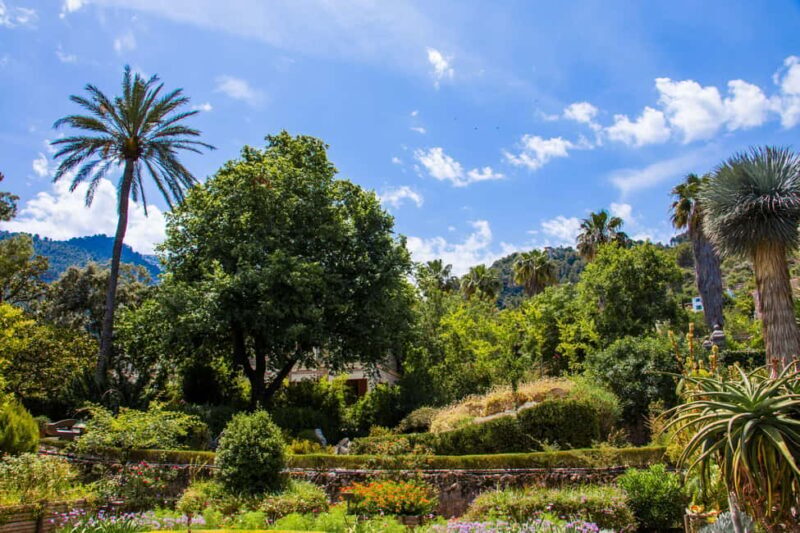
At just $11 per person, this is an affordable outing that offers a rich educational experience. However, some reviewers have found the experience to be underwhelming due to maintenance issues, such as dead leaves and overgrown weeds along paths—likely a reflection of limited staff or resources. Ralf from Germany commented that “there was a lot of dead leaves on the paths, and dead parts of plants had not been cut back,” which can detract from the overall atmosphere.
Parking is reportedly problematic, with visitors circling for nearly 45 minutes before giving up. To avoid frustration, consider arriving at opening time or using public transport. The site’s activities include workshops and school programs, so booking ahead might be beneficial if you want to attend a specific event.
The experience is self-guided, but the staff and guides are there to answer questions if needed. The museum’s focus on research and conservation also means that some information, especially in exhibits, might be in its original language, which could affect comprehension for non-Spanish speakers.
A common theme from visitors is that this isn’t a garden for lush, Instagram-worthy photos. Instead, it’s more suited for those interested in learning about natural sciences and appreciating native flora and geological features. One reviewer expressed disappointment at the state of some parts of the garden, emphasizing the need for better maintenance. Still, others appreciated the educational value and the chance to see Mallorca’s flora close up.
The price point is reasonable, particularly if you’re passionate about conservation or science. It’s clear that the institution values its role in research and education, which adds to its credibility. For children or school groups, there are educational activities and workshops, making it a good choice for parents seeking meaningful outings.
This experience will appeal most to nature enthusiasts, students of ecology, geology, or paleontology, and anyone curious about Mallorca’s environment. If you’re looking for a highly aesthetic garden or a fun family outing with lots of flowers and photo ops, you might want to temper expectations or combine this with other attractions. It’s best suited for travelers with an interest in conservation, scientific research, or quietly exploring the natural world.
The MUCBO | Jardí Botànic de Sóller offers an authentic look at Mallorca’s plant diversity and natural sciences, delivered with a focus on research and conservation. While it may not be the most polished or lush garden, it provides a valuable educational experience at an accessible price. Its true value lies in its uniqueness as the only botanical garden and natural sciences museum on the island, making it a niche stop for those eager to deepen their understanding of local ecology.
If you’re someone who appreciates learning about native plants, geology, and paleontology, you’ll find this site worth a visit. Just remember to plan ahead for parking and set realistic expectations regarding the garden’s upkeep. Overall, it’s a solid choice for eco-minded travelers or families seeking a quieter, educational outing.
For those who enjoy genuine, knowledge-based visits over purely aesthetic ones, the MUCBO stands as a worthwhile slice of Mallorca’s natural heritage. It’s not perfect, but it’s sincere—and that counts for a lot.
“We were very excited to be visiting the gardens, but alas, parking was impossible! After 45 minutes of circling, we gave up, as a steady stream of …”
Is there parking available at the site?
Parking can be difficult, especially during peak times. Visitors have reported circling for 45 minutes before giving up, so arriving early or using public transport is advisable.
How much does admission cost?
General admission is $11 per person, offering access to both the botanical garden and the science museum.
Is the site accessible for wheelchair users?
Yes, the location is wheelchair accessible, making it suitable for visitors with mobility needs.
How long should I expect to spend there?
Most visitors spend about 1 to 2 hours exploring the exhibits and the garden.
Are the exhibits in English?
Some content is shown in its original language, which may include Spanish or Catalan. It’s worth noting if you prefer English explanations.
What kind of plants and exhibits can I see?
You’ll find native and Mediterranean plants, a herbarium, a germplasm bank, and exhibits on geology and paleontology.
Are there activities for children?
Yes, the institution organizes workshops, conferences, and school visits, making it family-friendly for those interested in educational programs.
Would this be suitable for a quick visit or a full day?
It’s best for a quick, focused visit of about an hour or two. It’s not a large theme park or botanical showcase, but rather a specialized center for natural sciences.
In summary, the MUCBO | Jardí Botànic de Sóller is a niche, educational stop that offers insight into Mallorca’s natural world. While it may not impress with lush landscapes or meticulous upkeep, its dedication to conservation and research makes it a worthwhile visit for curious minds. If your interests align, you’ll find this experience both informative and meaningful.
You can check availability for your dates here: