Physical Address
304 North Cardinal St.
Dorchester Center, MA 02124
Physical Address
304 North Cardinal St.
Dorchester Center, MA 02124

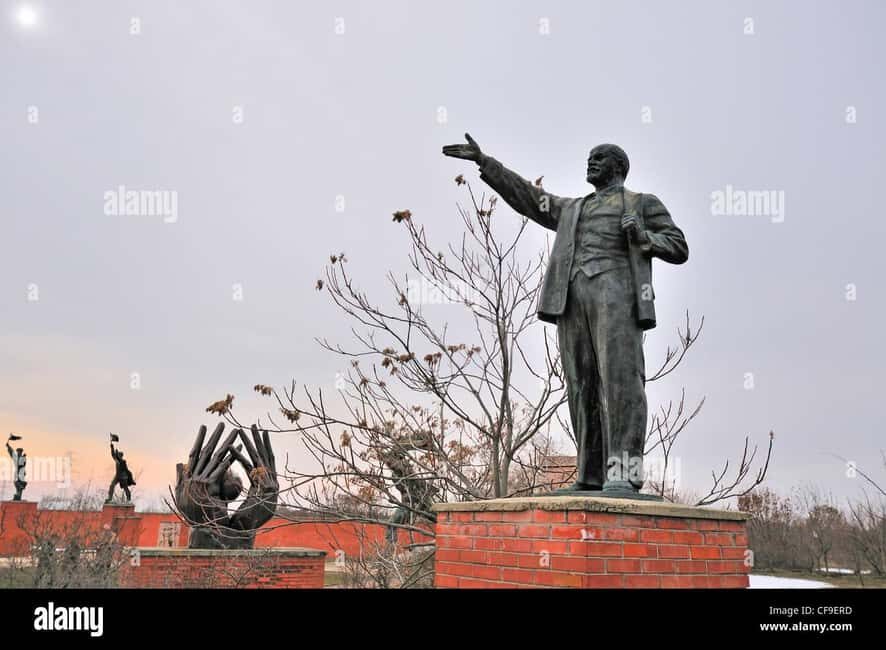
Discover Budapest’s Cold War past with a private 5-hour tour exploring the Iron Curtain’s remnants, including Memento Park, Terror Museum, and more.
This private half-day tour offers a fascinating glimpse into Budapest’s past under Communist rule, showcasing the remnants of Hungary’s Cold War era. With a knowledgeable guide leading the way, you’ll explore iconic monuments, museums, and memorials that reveal the city’s complex history. The experience balances historical insights with personal touches, making it a compelling choice for history buffs and curious travelers alike.
One aspect we particularly appreciate is how the tour combines poignant sites like the Terror Museum with lighter moments, such as riding the Children’s Railway – a charming reminder of the era’s ideological quirks. However, because the tour covers a lot in just five hours, expect a packed itinerary that might feel a bit brisk for those who prefer a more relaxed pace. This experience is ideal for travelers who enjoy immersive cultural stories and are interested in Hungary’s 20th-century history.
This tour is designed to give you a clear picture of Hungary’s Cold War years, focusing on the sites that symbolize and memorialize this period. Starting with a pickup from your Budapest accommodation, you’ll head in a private van to several key locations, making the experience intimate and flexible.
For a more personal experience, these private Budapest tours deliver individual attention
Your journey begins at the Citadella, perched high on Gellért Hill, which played a pivotal role during the siege of Budapest at the end of WWII. Here, you’ll get a sweeping view of the city and learn about the battle that marked the beginning of Hungary’s occupation by Soviet forces. The Liberty Statue, erected in 1947, is a defining feature of this site. Originally dedicated to Russian troops, it’s now viewed as a universal symbol of freedom.
We loved the way guides explain the monument’s transformation over time. As one reviewer pointed out, the Liberty Statue’s pedestal reaches 26 meters, and the statue itself is 14 meters tall — making it likely the tallest of its kind in Europe. Today, it’s a powerful visual cue in Budapest’s skyline, representing liberation but also reminding us of the complex history of foreign influence.
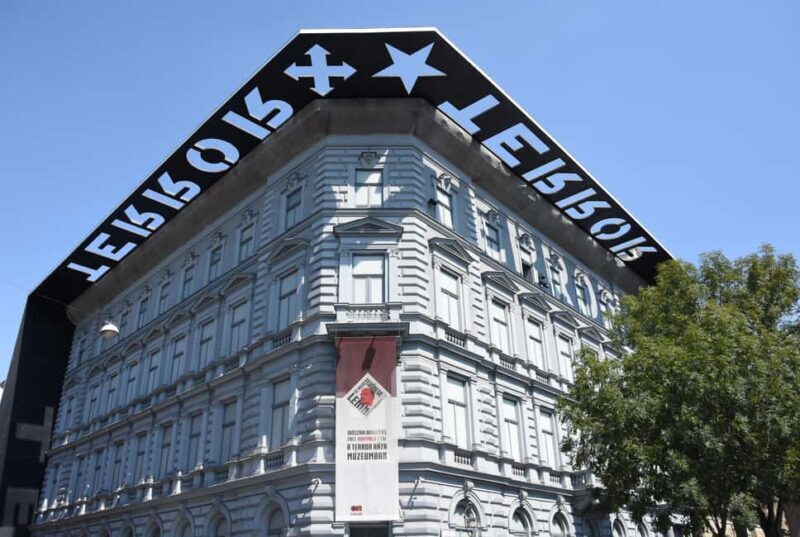
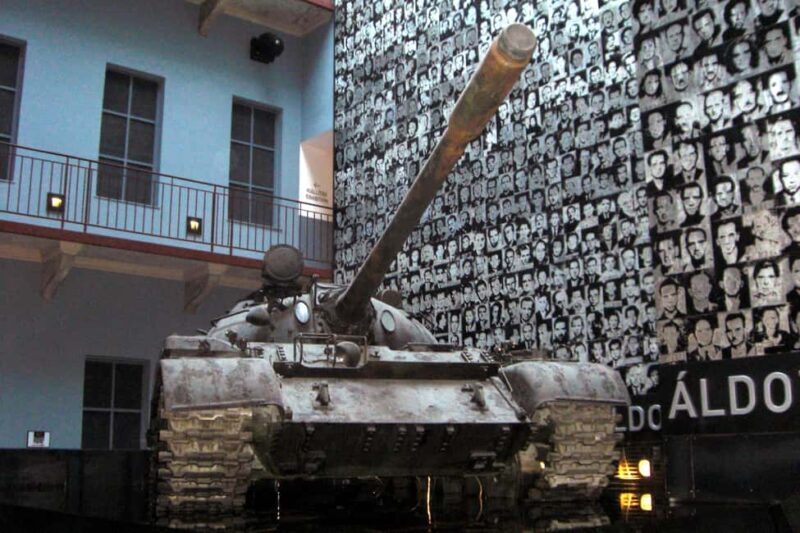
Next, the tour takes you to the House of Terror, a museum dedicated to the victims of Hungary’s brutal communist and fascist regimes. The guided visit lasts about 1.5 hours, during which guides share personal stories and historical context, making it more than just a collection of artifacts. This site is a stark reminder of the repression and human rights abuses during the Cold War, and one reviewer described their guide as very knowledgeable and personable, adding depth to the experience.
The museum’s exhibits include photos, documents, and testimonies, giving a visceral sense of what life was like for those who opposed the regimes. The inclusion of an audio guide further immerses visitors, allowing for a more flexible and personal engagement.
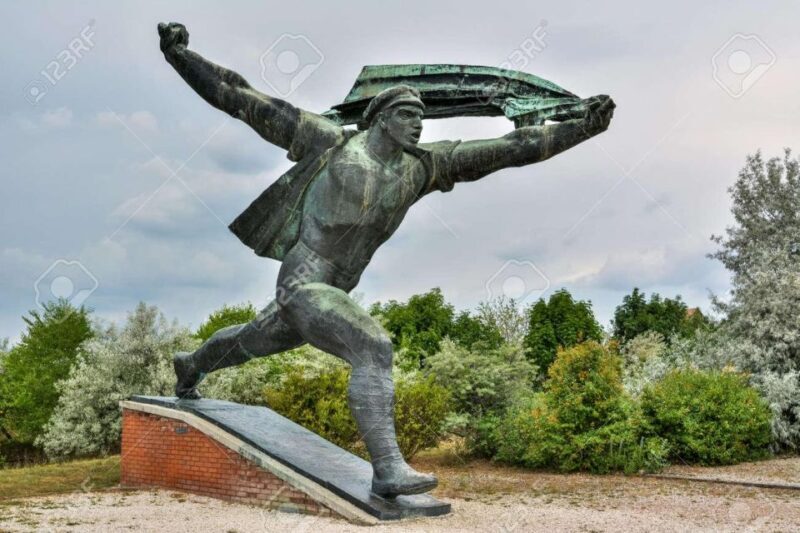
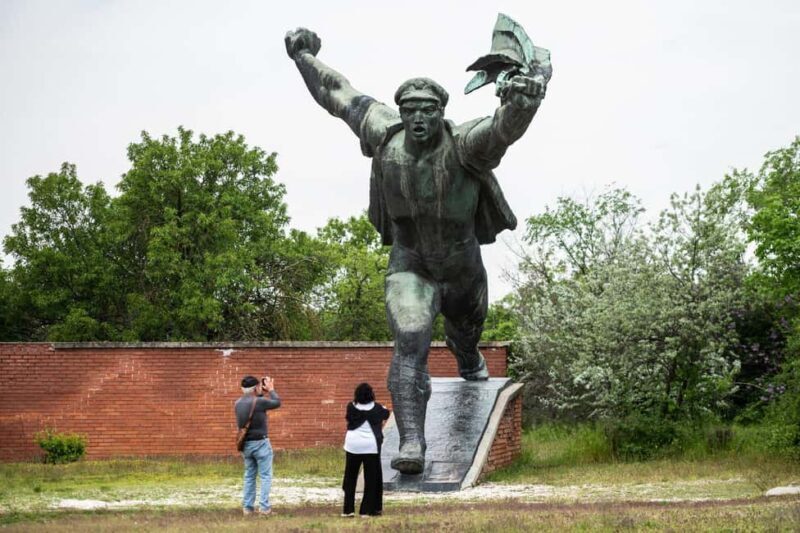
A highlight for many is Memento Park, where 42 statues and monuments from Hungary’s Communist era have been relocated. These large sculptures—like the 6-meter-high statue of the Liberation Army Soldier—are striking symbols of the period’s propaganda. Our guides point out the irony in the grandeur of these pieces, which once celebrated ideology and now serve as historical reminders.
The review highlights that visiting Memento Park is both educational and somewhat surreal, seeing iconic figures like Marx, Lenin, and Hungarian Communist leaders in a park setting. The collection offers insights into how art and politics intertwined during these decades.
More Great Tours NearbyTo add a lighter, more nostalgic touch, the tour ends with a ride on the Children’s Railway in Buda Hills. Opened in 1949, it was operated by children aged 10-14, originally called the Pioneers Railway. The experience is charming and provides a playful contrast to the heavier sites. Reviewers appreciated this segment for its unique perspective on how the regime used childhood and ideology to shape society.
The tour lasts around 6.8 hours, including transportation, guided visits, and time at each site. It’s operated in a private group, with pickup and drop-off from designated districts in Budapest—making it a stress-free experience. The guide’s multilingual skills (English, Spanish, Italian, German, French) ensure clear communication.
Price-wise, at $295 per person, the tour is a solid investment considering the personalized experience, guide expertise, and inclusion of entry to Memento Park. Keep in mind that entry fees to the Terror Museum are not included, so budget for that separately.
Guides like Ildiko and Thomas receive high praise for their engaging storytelling and depth of knowledge. One reviewer said Ildiko shared personal experiences and made the dark days of Communism feel real and tangible, not just dates and facts. Such personal touches bring history alive and make the experience memorable.
This experience is best suited for history enthusiasts, students of politics, or anyone interested in Hungary’s 20th-century history. It’s also great for travelers who want a more authentic, in-depth understanding of Budapest beyond its beautiful architecture and vibrant streets. Since it’s a private tour, it’s particularly appealing for those seeking a tailored, intimate exploration.
If you’re curious about the Cold War era, enjoy immersive storytelling, and want a balanced mix of somber reflection and nostalgic charm, this tour will fit the bill. It’s an excellent way to deepen your understanding of Budapest’s complex past while enjoying the comfort of guided, personalized service.
This private tour offers a compelling, well-rounded look into Budapest’s experience behind the Iron Curtain. Combining iconic monuments, meaningful museums, and a touch of childhood nostalgia, it provides a thorough yet approachable way to understand a pivotal chapter in Hungary’s history. The guides’ expertise and personal stories elevate the experience, making it more than just sightseeing.
Given its high ratings and detailed itinerary, we believe it delivers good value—especially for those eager to connect emotionally and intellectually with Budapest’s Cold War story. The combination of immersive sites, engaging guides, and convenient logistics makes it a standout choice for travelers interested in authentic, meaningful history.
This tour is perfect for thoughtful travelers who value depth over superficial sightseeing—those who want to step into the shoes of Hungarians who lived through these turbulent times. It’s a meaningful addition to any Budapest itinerary, shedding light on a period that still influences the city’s identity today.
“Our guide Ildiko was wonderful and she covered everything we wanted to know about the dark days of Communism in Hungary's history. She told us abou…”
Is this tour suitable for all ages?
Yes, it’s suitable for most ages. The ride on the Children’s Railway is a fun, nostalgic highlight, but the museums and monuments are appropriate for older children and adults interested in history.
How long does the tour last?
The total duration is about 6.8 hours, including transfers, guided visits, and time at each site.
Are transfers included?
Yes, door-to-door transfers from your Budapest accommodation are included in the price, making logistics simple.
Can I choose my pickup location?
Yes, pickup is available from three districts in Budapest: District V, VII, and XI.
What languages are guides available in?
Guides speak English, Spanish, Italian, German, and French.
Are entry fees to the Terror Museum and Retro Museum included?
No, those are not included. You should budget separately for the Terror Museum and any other optional entries.
Is this tour wheelchair accessible?
Yes, the tour is wheelchair accessible.
What should I bring?
A valid passport or ID card is needed, especially for museum entries and identification.
Can I cancel if my plans change?
Yes, cancellations are free if made at least 24 hours in advance.
Is this tour private?
Yes, it’s a private experience, offering personalized attention and a flexible schedule.
Would this tour suit someone with limited mobility?
While wheelchair accessibility is available, some sites may involve walking or steps; it’s best to discuss specific needs with the provider beforehand.
This detailed exploration helps clarify what you can expect from this Life Behind the Iron Curtain tour in Budapest. Whether you’re a history nerd or simply curious about the city’s Cold War narrative, it’s a thoughtful, engaging way to deepen your understanding of Hungary’s recent past.
You can check availability for your dates here: